Last updated November 18, 2026







Free written scope consultation - allowances, timeline, and change-order rules on paper before a single trade is scheduled
General Contractor Troubleshooting: Common Problems and How to Fix Them
A contractor going silent mid-project isn’t a communication problem. It’s a legal trigger. Most homeowners wait two to three weeks before they act on a quiet jobsite, and that’s exactly enough time for a stalled Miami remodel to become a lien nightmare. In our experience across Miami-Dade, the jobs that get ugly aren’t the ones with bad framing or a crooked tile line. They’re the ones where nobody read the contract until it was too late to matter. This guide walks you through the actual levers you can pull when a general contractor job goes sideways: the written cure notice, the abandonment standard, the lien clock, the DBPR complaint, and the surety bond. You’ll learn which tool fits which problem.
Quick Answer
When a general contractor stops showing up or starts billing for work that doesn’t match the scope, the fix is almost never an angry phone call. It’s a written cure notice that starts a legal clock, paired with dated photo documentation of the site and a review of your contract’s dispute clause. If the contractor is closed as abandoned and hasn’t performed, the next steps are a DBPR complaint and a claim on the contractor’s surety bond, in that order.
Styles & brands we work with
- Kitchen remodeling
- Bathroom remodeling
- Home additions & ADU
- Roofing
- Windows & doors
- Driveway & pavers
- Fence
Table of Contents
- How to issue a formal written cure notice under Florida law
- Slow vs. legally abandoned: the specific markers
- When subcontractors show up claiming they haven’t been paid
- Documenting defective work so it holds up in a complaint
- DBPR complaint vs. surety bond claim: which comes first
- The change-order trap and how to close it
- Miami-specific failure modes: permit pulls, humidity, and inspections
How Do You Issue a Formal Written Cure Notice Under Florida Law?
A cure notice is a written demand that gives your contractor a defined window to fix a specific problem before you escalate. It’s the single most important document in a mid-project dispute, and it’s the step most homeowners skip. Sent by certified mail and by email, it establishes a paper trail with dates. That trail matters later if you file with the Florida Department of Business and Professional Regulation (DBPR) or end up in small claims court.
Here’s how we recommend structuring it:
- Identify the deficiency precisely. Not “the kitchen isn’t done.” Write “the cabinet run on the west wall is installed out of level, leaving a 3/8-inch gap at the ceiling line, and the Cambria countertop template cannot be ordered until it’s corrected.”
- Cite the contract clause. Reference the exact section of your agreement that covers workmanship, schedule, or standards. If it says “install per manufacturer specification,” quote it.
- State a cure period. Fifteen days is standard on a mid-size Miami job. On small punch-list items, ten days. On anything that would require permit re-inspection, thirty days. Whatever you set, hold to it.
- State the consequence. “If the listed items are not cured within fifteen days, we will pursue a complaint with the DBPR and a claim against your surety bond.” Consequence is what makes a cure notice a cure notice and not a complaint letter.
- Send it certified. Certified mail, return receipt. Also email it. The receipt is your proof of delivery date, which starts the clock.
In Miami, plumbing and electrical re-routes are the two scopes that most often trigger cure notices, because they’re the ones that can’t be hidden by a coat of paint and often fail during county inspection. If you’re a homeowner doing this alone, our team at General Contractor in Miami can help you understand what a proper contract looks like before it goes sideways.
Slow Contractor vs. Legal Abandonment: What’s the Difference?
A slow contractor shows up, works, and drags the schedule. An abandoned project means the contractor has stopped performing and isn’t coming back without a legal push. The distinction matters because abandonment unlocks remedies that slowness alone doesn’t, including DBPR action and bond claims. Here are the markers we watch for:
- Two or more weeks of no-shows with no schedule update. A slow contractor still calls. An abandoning one goes quiet.
- Subcontractors stop appearing. When plumbers and electricians vanish from a job, it’s usually because their invoices stopped being paid. That’s your warning shot.
- Final draws get requested before the scope is finished. A contractor who invoices for the last draw while the punch list is still open is signaling cash-flow trouble.
- Tools and material removed from site. A job box walking away in a pickup at 6 a.m. is a strong abandonment indicator.
- No permit activity. In Miami, you can check permit status through Miami-Dade County’s online portal. If the last inspection was logged six weeks ago and no new one is scheduled, the job is stalled regardless of what the contractor says.
Combine two or more of these and you’re past “slow.” In our experience, homeowners in Miami wait 21 to 30 days after the last sign of progress before they act, and that’s often enough time for a sub to file a lien on the property. The cure notice should go out the same week the pattern shows, not after a month of hoping.
Subcontractors Claim They Haven’t Been Paid: What Do You Do?
When a sub shows up at your door saying the general contractor hasn’t paid them, you have a narrow window – usually before they file a Notice to Owner or a lien – to fix the problem and keep a lien off your title. Under Florida’s construction lien law, subcontractors and suppliers have the right to record a lien against your property if they aren’t paid, even if you already paid the general contractor. This is the trap that catches people who thought their payments were square.
Here’s the sequence we recommend:
- Get it in writing. Ask the sub for a signed statement listing the work performed, the amount unpaid, and the date their last invoice went to the GC.
- Check your payment records. Pull the cancelled checks or wire confirmations. If your payment to the GC covered that sub, you have a misallocation problem, not a funding problem.
- Issue a Notice of Contest if a lien is filed. If a lien appears on the property, you can file a Notice of Contest of Lien with the county, which shortens the sub’s deadline to foreclose.
- Hold future draws. Any remaining payment to the general contractor should stop until the sub situation is resolved in writing. Require joint checks to the sub going forward.
Protect yourself before this happens: in your original contract, require joint checks or a payment schedule tied to inspection sign-offs, not just dates. If you’re planning a kitchen remodel, that clause alone is worth asking for in the contract – our Kitchen Remodeling in Miami team writes it into every scope for exactly this reason.
How Do You Document Defective Work So It Holds Up?
Phone photos taken casually aren’t enough. Documentation that survives into a DBPR complaint or a small claims filing has to be dated, contextualized, and specific. A judge or investigator looking at your file should be able to see the defect, understand the standard it violates, and match the photo to a date and location.
Here’s what we recommend for every defect you find in a Miami job:
- Photograph wide, then close. One wide shot showing the room and the location, then a tight shot showing the defect. Never just the close-up.
- Include a scale reference. A tape measure or coin in the frame turns “it’s uneven” into “the gap is 3/8 of an inch.”
- Write a dated log. Each entry: date, location, defect observed, action taken (called, emailed, texted), and contractor’s response. If they didn’t respond, write “no response.”
- Reference the standard. Cite the specific manufacturer spec, building code, or contract clause. “Not per manufacturer’s installation spec for James Hardie siding” is stronger than “looks bad.”
- Capture the environment. In Miami, photos showing water intrusion during a rain event, or efflorescence on a freshly sealed surface, are especially useful because they establish causality that dry-season photos miss.
Save the file to two places – cloud and a physical folder – and share access with a spouse or a family member. If the case goes to small claims in Miami-Dade, having a single organized evidence file shortens the proceeding significantly and clarifies what you’re actually asking for.
When Do You Go to the DBPR vs. the Surety Bond?
These are two different levers and they do two different jobs. Filing with the DBPR is about the contractor’s license – it can trigger investigation, discipline, or license suspension. Filing against the surety bond is about getting your money back when the contractor failed to perform. Filing the DBPR complaint first is almost always correct, because a bond claim usually requires documented proof that the contractor failed to perform, and the DBPR investigation produces that record.
Here’s the order we’ve seen work:
- Cure notice sent and ignored. This is your starting fact.
- DBPR complaint filed. The complaint portal for the DBPR Florida Construction Industry Licensing Board accepts online filings. Attach your cure notice, your documentation, and the contract. Investigations in Miami typically take several weeks to open.
- Surety bond claim filed. Florida requires licensed contractors to carry a surety bond. Bond claims are time-limited, so read the notice requirements in your contract carefully. On a Miami job, the bond claim window can close faster than homeowners expect.
- Small claims or civil filing. Depending on the amount, and depending on whether the contractor is insured, this is the last lever. Miami-Dade small claims caps at $8,000.
One note: the DBPR and the bond claim are not substitutes for one another, and neither requires a lawyer to file. In our experience, the documentation quality is what determines the outcome, not the legal representation.
The Change-Order Trap: How Do You Close It?
Most “surprise invoice” problems in Miami remodels aren’t billing errors – they’re unsigned change orders. A change order is a written amendment to the original scope that adjusts the price or schedule. Signed change orders are binding. Verbal ones are not, no matter what was said at the jobsite. The trap is that verbal approvals happen constantly on jobs and then get billed at the end as if they were signed.
The rule we hold to: no change gets billed, and no change gets performed, until it’s written and signed. That’s how a written price stays a stable price. If a contractor tells you mid-job that a material swap is “no big deal,” the correct response is: “Send the written change order before you install.” If they won’t, don’t approve the change in the field. Once the price starts moving at the door, it usually doesn’t stop.
If you’re already dealing with unsigned changes, the cure notice process above applies to any disputed amount. Get the contractor’s itemized change orders in writing, compare them to the original scope, and refuse to pay the difference until the change is documented.
Miami-Specific Failure Modes: Permits, Humidity, and Inspection Delays
Miami construction has failure modes that buyers from other markets don’t expect. Knowing them helps you spot a contractor heading into trouble before the trouble lands on your property.
- Permit pulls in the wrong jurisdiction. Miami-Dade County, the City of Miami, and cities like Coral Gables or Miami Beach each run their own permit portal and inspection schedule. A contractor who pulled a permit in the wrong jurisdiction can stall for weeks while it’s re-filed.
- Humidity and material staging. Cabinetry staged in a garage with no dehumidification during a Miami summer will arrive warped and out of square. A disciplined contractor controls the staging environment – ours includes a climate check before final install of KraftMaid or Wellborn cabinetry.
- Rain-window scheduling. Roofing and exterior work in Miami runs on the dry-window calendar, usually November through April. A contractor who promises roof completion in August without a rain contingency plan is promising a schedule that won’t hold.
- Post-storm inspection backlogs. After a named storm, Miami-Dade County inspection queues can stretch. Contractors with existing inspection relationships move faster through the backlog, but the honest planning move is to build a buffer into the schedule before signing.
If you’re remodeling a bathroom, our Bathroom Remodeling in Miami team can tell you which permits your specific renovation needs before work begins.
Common Mistakes to Avoid
- Waiting three weeks to send a cure notice. The clock on a lien doesn’t wait for you. Send the notice the week the pattern shows.
- Paying the final draw before the punch list closes. A final payment held until walkthrough is the homeowner’s strongest lever. Releasing it early removes it.
- Accepting verbal change orders. If it isn’t signed, it isn’t agreed. Every dollar added to a Miami job should trace back to a written change order.
- Documenting without dates. A photo with no date and no context won’t survive a DBPR investigator’s review. Date every photo, log every call.
- Assuming your GC paid the subs. In Florida, subcontractors can lien your property even after you’ve paid the GC. Require joint checks or lien waivers from subs at each draw.
- Skipping the DBPR and going straight to a lawyer. The DBPR complaint is free, fast, and produces documented findings. Start there before you retain counsel.
- Not reading the notice provisions in the contract. Florida contracts have specific notice windows. Blow past them and you can lose the right to complain even if you’re right.
See the difference
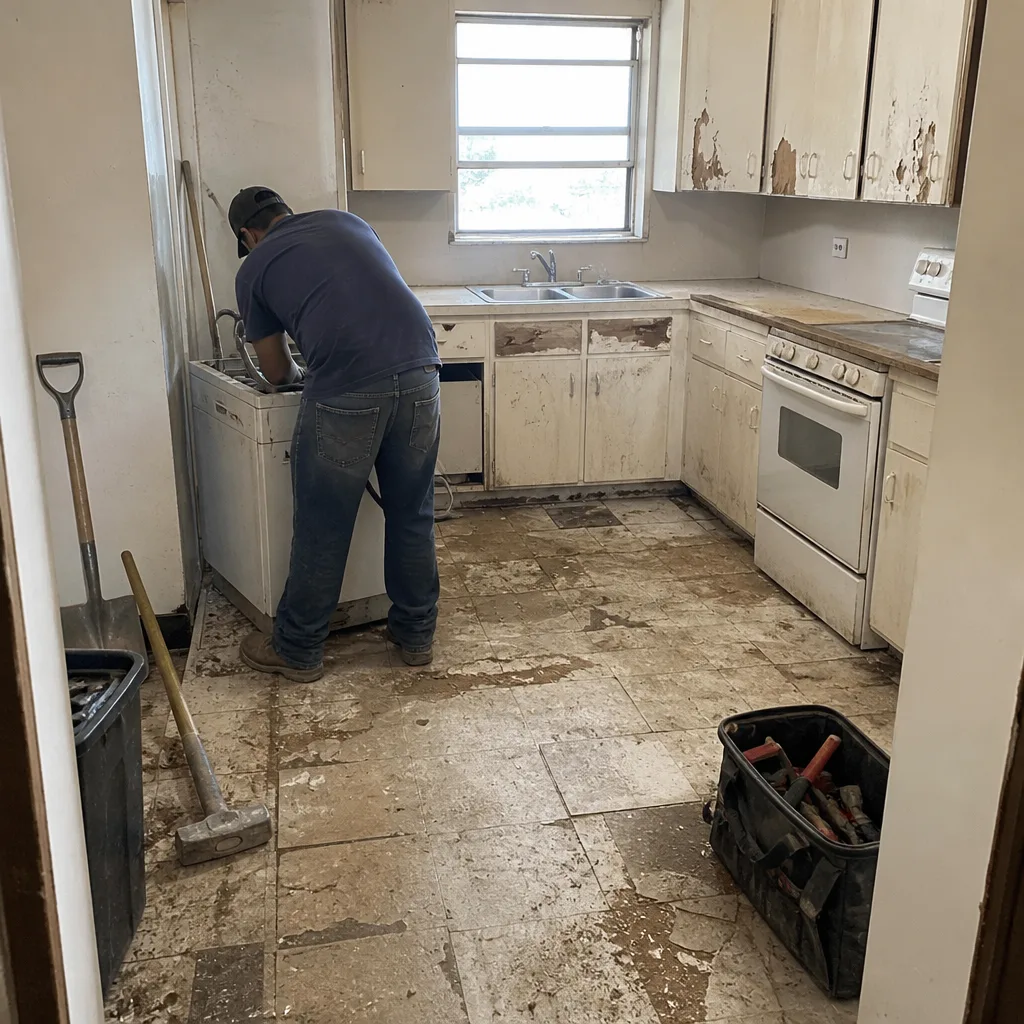 Before
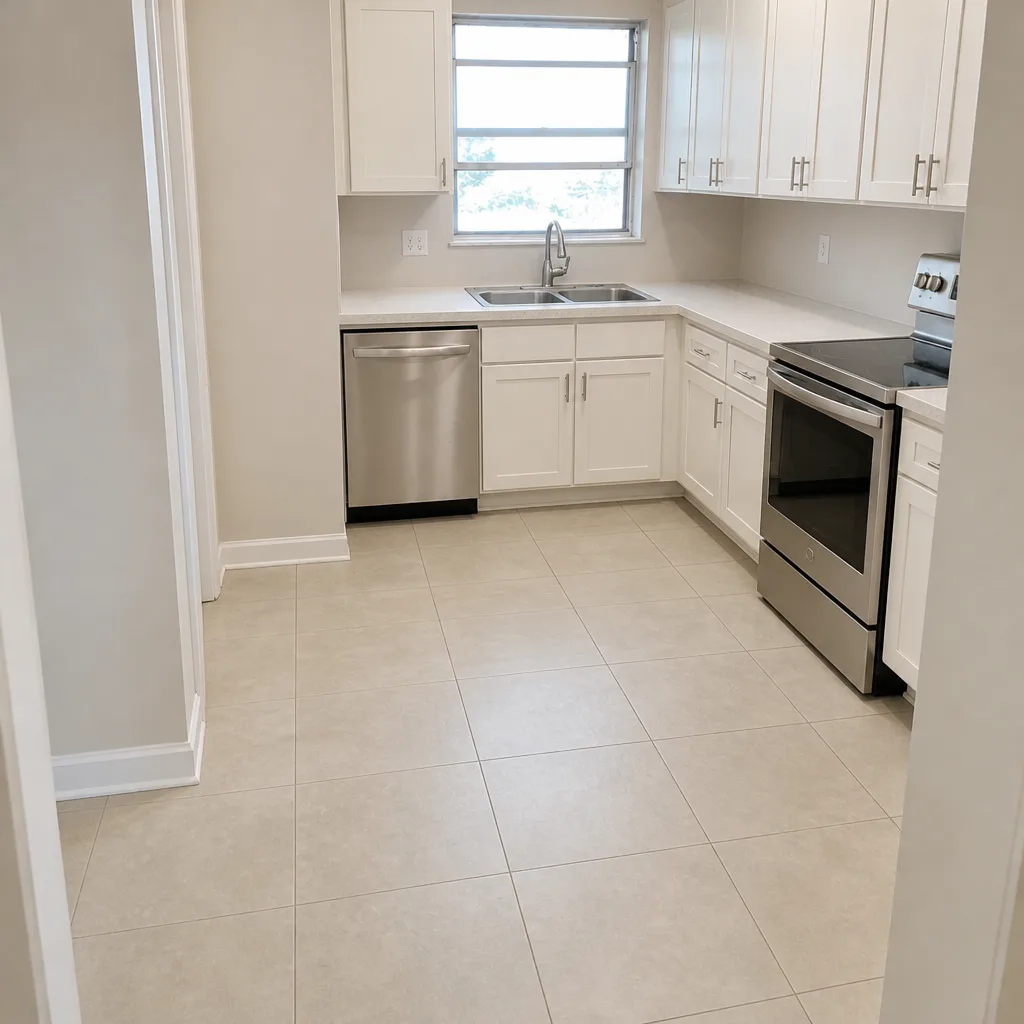 After
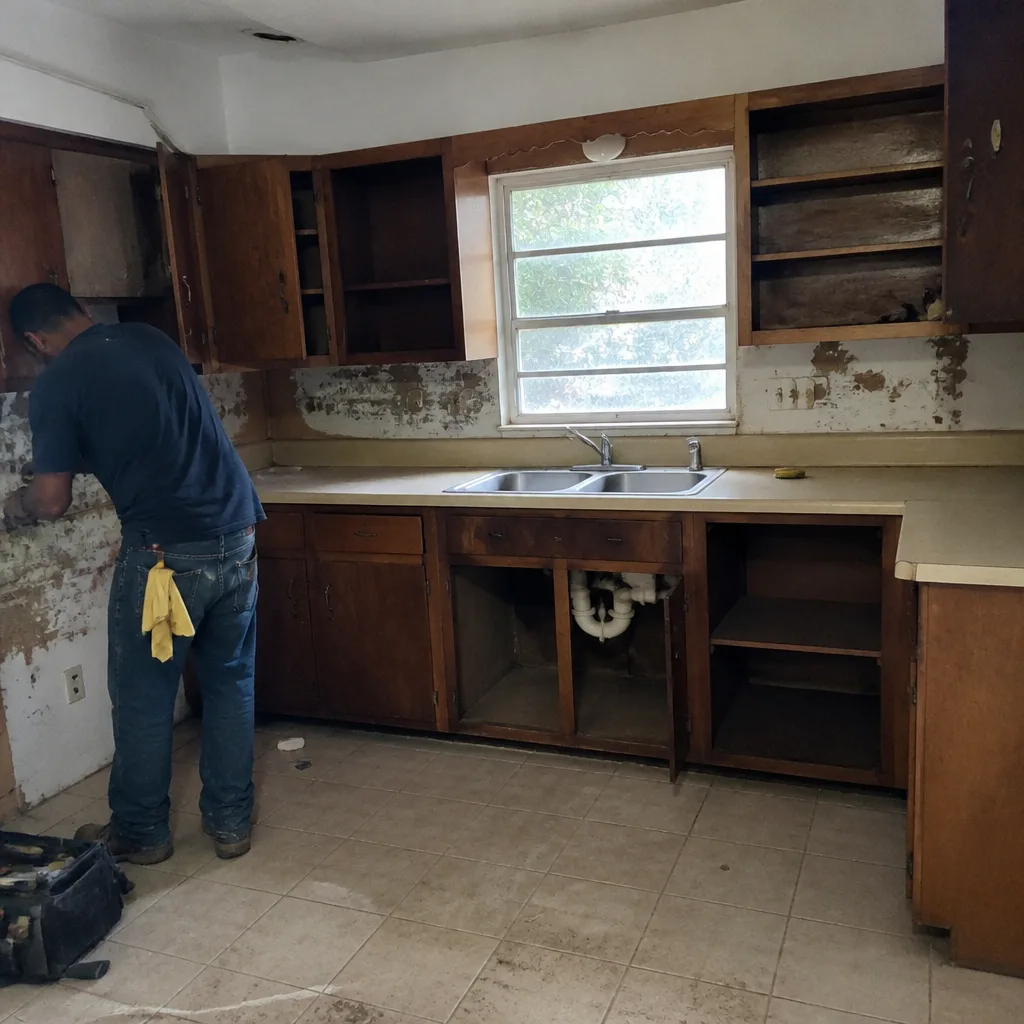 Before
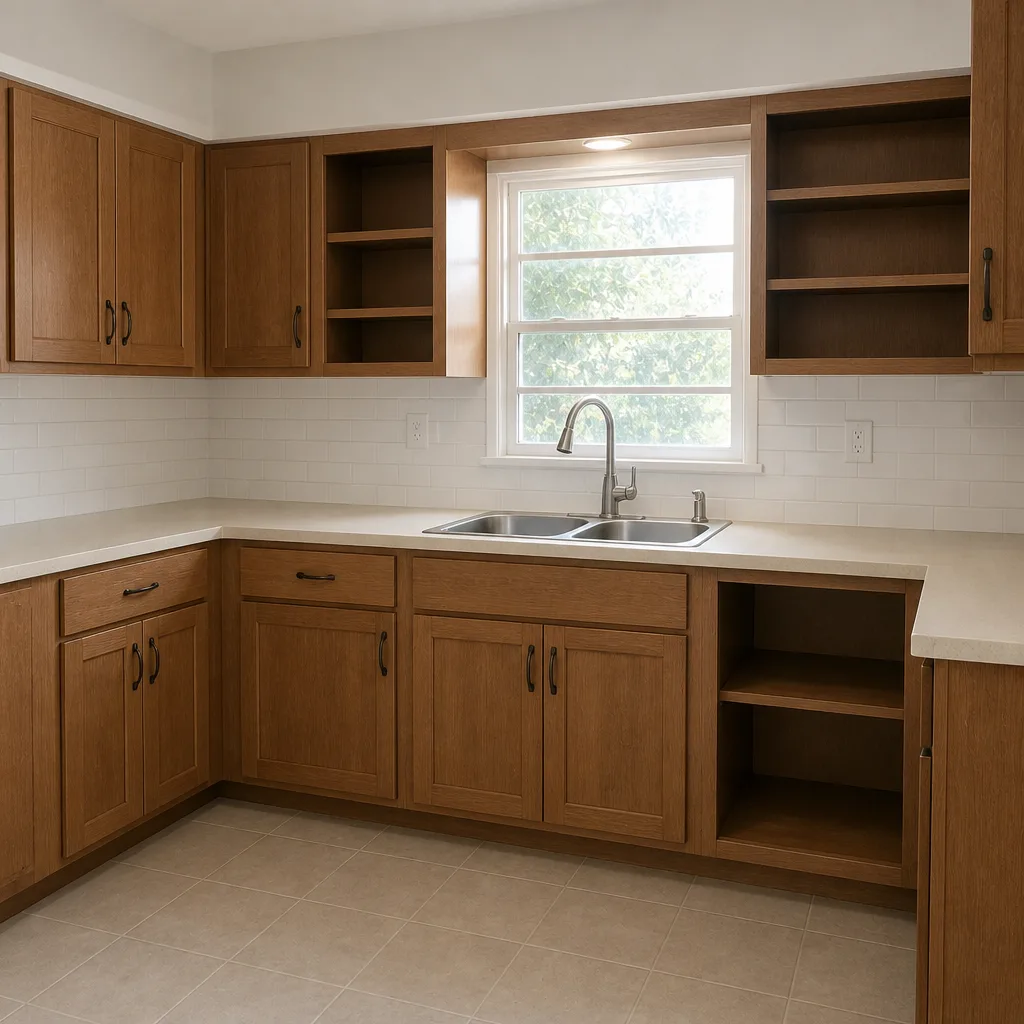 After
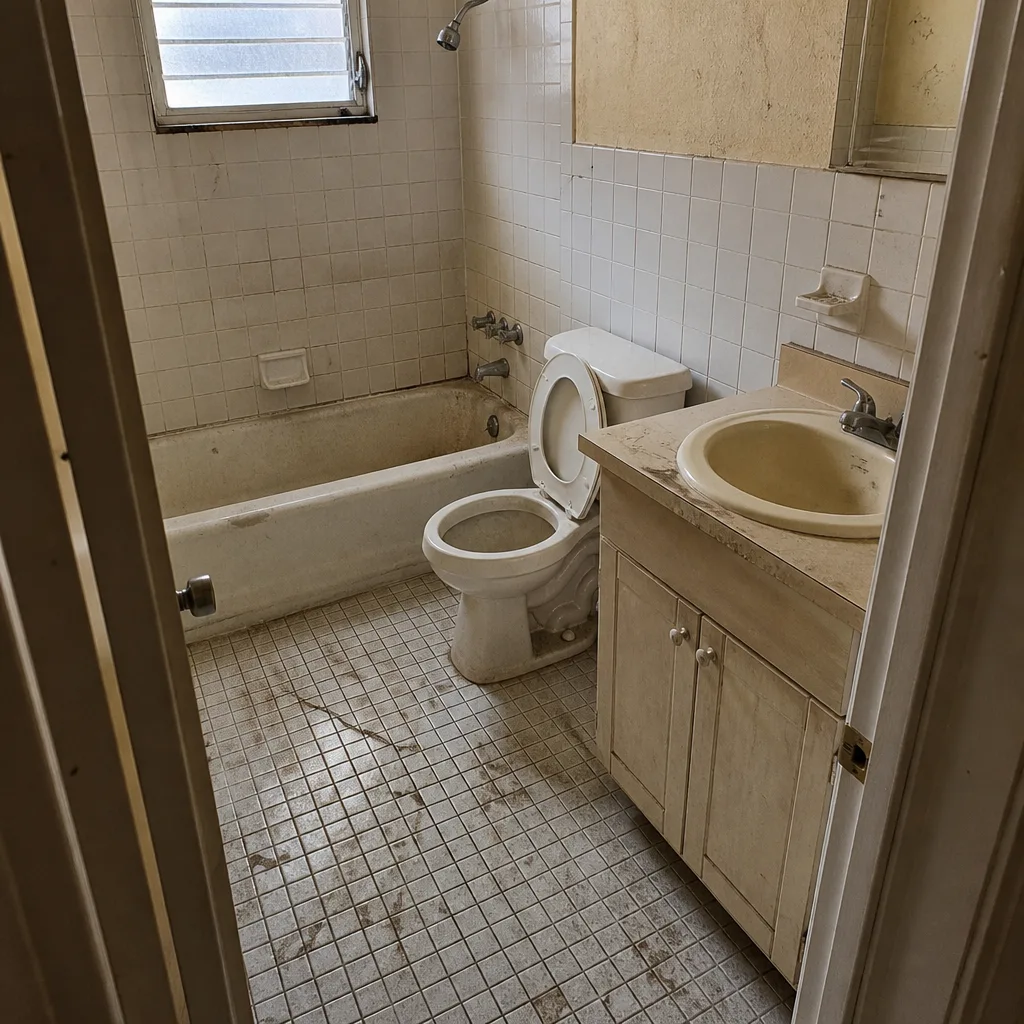 Before
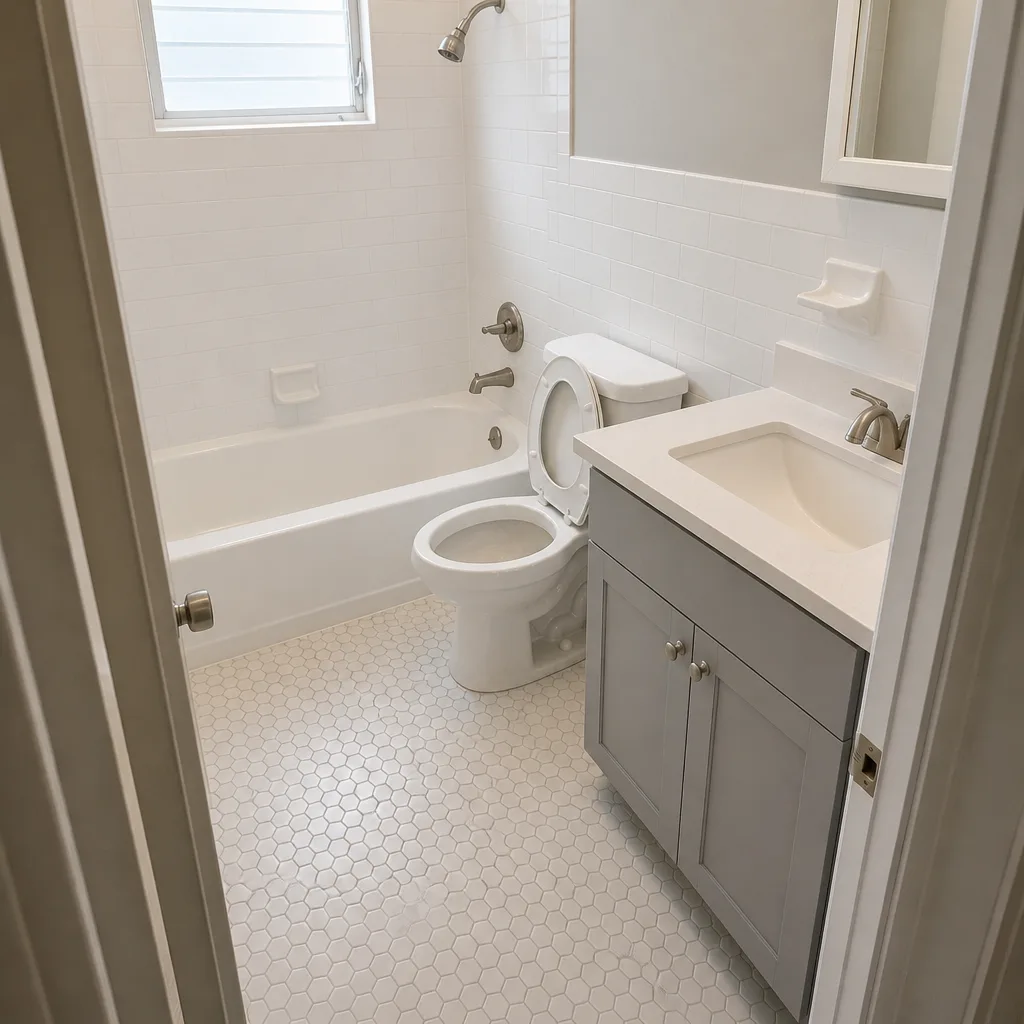 After
When to Call a Professional
Call a professional contractor when the scope goes beyond cosmetics: load-bearing changes, electrical panel work, gas line reroutes, permit-required structural changes, or any renovation where moisture management matters. In Miami, that last one applies to nearly every bathroom and every kitchen. Call when the subcontractors on your job have stopped appearing, when a lien has been filed, or when your contractor won’t put the price in writing. Bradford Remodeling Co Miami offers free estimates in Miami – we put every price in writing before a single tool comes out, and every completed project carries the 365-Day Done Right Promise, so if the work fails within a year, we come back and correct it at no charge. Call (844) 797-4435 to schedule yours. A live person answers 24 hours a day, 7 days a week.
Frequently Asked Questions
Send a written cure notice by certified mail with a stated cure period and a stated consequence. The cure notice is the legal trigger that starts your timeline for a DBPR complaint and a bond claim. In Miami, build in a 15-day cure window for mid-size jobs and hold to it – don’t send a follow-up call instead.
Florida doesn’t set a fixed statutory number of days, so abandonment is determined by pattern, not by a single missed week. The markers we look for are two weeks of no-shows with no schedule update, subcontractors leaving the site, or tools and materials removed without notice. Two or more markers together establishes a strong abandonment case.
Yes. Under Florida construction lien law, a subcontractor or supplier who hasn’t been paid can record a lien against your property even if you paid the general contractor in full. The defense is joint checks, lien waivers at each draw, and immediate action when a Notice to Owner arrives. Call (844) 797-4435 for a free estimate on a properly contracted job – our written scopes include lien-waiver provisions as standard.
A DBPR complaint investigates the contractor’s license and can result in discipline or suspension. A surety bond claim is a request for monetary recovery from the contractor’s bond. The DBPR complaint produces documented findings that support the bond claim, which is why we recommend filing the DBPR complaint first.
Photograph each defect wide and close, include a scale reference, keep a dated log of every call and message, and cite the specific manufacturer spec or contract clause the work violates. Save everything to two places and keep a physical copy. Miami-Dade small claims works from the documentation you bring in, not from memory.
It shouldn’t, if the contract has a written scope and a change-order process. The reason prices move mid-project is almost always that work was performed and billed without a signed change order. At Bradford, every price is written before work begins – no numbers that move at the door. Call (844) 797-4435 for a free estimate and a written price before you commit.
The Bottom Line
Most mid-project failures are contract failures that became construction problems. The cure notice, the abandonment markers, the lien defense, the documentation file, and the DBPR complaint are the tools that resolve them – in that order. In Miami, permit jurisdiction, humidity control, and storm-window scheduling are the failure modes most often missed at the contract stage. The right preparation is a written price, a written scope, and a written guarantee covering the work after it’s done. Bradford Remodeling Co Miami is a member of the Garrison Partners family, an independently owned and operated business held to The Garrison Standard, and every completed project carries the 365-Day Done Right Promise. If a Miami renovation has gone sideways, or if you’re planning one and want it squared away from the start, call (844) 797-4435 for a free estimate. Every price is written before a tool comes out, and a live person answers the phone.
Written by the team at Bradford Remodeling Co Miami.