Last updated November 18, 2026





Free written scope consultation - allowances, timeline, and change-order rules on paper before a single trade is scheduled
The Complete Bathroom Remodeling Guide for Miami Homeowners
Miami’s humidity averages 76% year-round, and that single number changes everything about how a bathroom should be built here. A remodel assembled to generic national specs, rather than Miami-Dade code specs, can grow visible mold behind the tile within 18 months. No warranty covers that, because the failure started inside the wall. In this guide we’ll walk through the moisture and ventilation rules that actually apply in Miami-Dade, the substrate choices that matter more than the tile you pick, a full phase-by-phase scope with real cost brackets, and what a written bid should contain so you can compare apples to apples. If you’re planning a bathroom remodeling Miami project, this is the grounding most homeowners never get before they sign.
Quick Answer
A complete bathroom remodel in Miami typically runs $14,000 to $42,000 for a full gut-and-rebuild of a standard 40 to 60 square foot bath, with most homeowners landing between $19,000 and $28,000. The price is driven less by tile choice than by waterproofing, ventilation sized to Miami-Dade code, and whether the rough-in has to move. Every phase should be spelled out in a written scope before work starts.
Styles & brands we work with
- Kitchen remodeling
- Bathroom remodeling
- Home additions & ADU
- Roofing
- Windows & doors
- Driveway & pavers
- Fence
Table of Contents
- Why Miami-Dade Ventilation Code Is Stricter Than You Think
- Cement Board vs. Foam Board vs. Tile-Ready Systems in a Humid Climate
- The Full Scope of a Miami Bathroom Remodel, Phase by Phase
- What a Bathroom Remodel Costs in Miami: Line-Item Ranges
- Hurricane-Impact Windows and Your Bathroom Permit
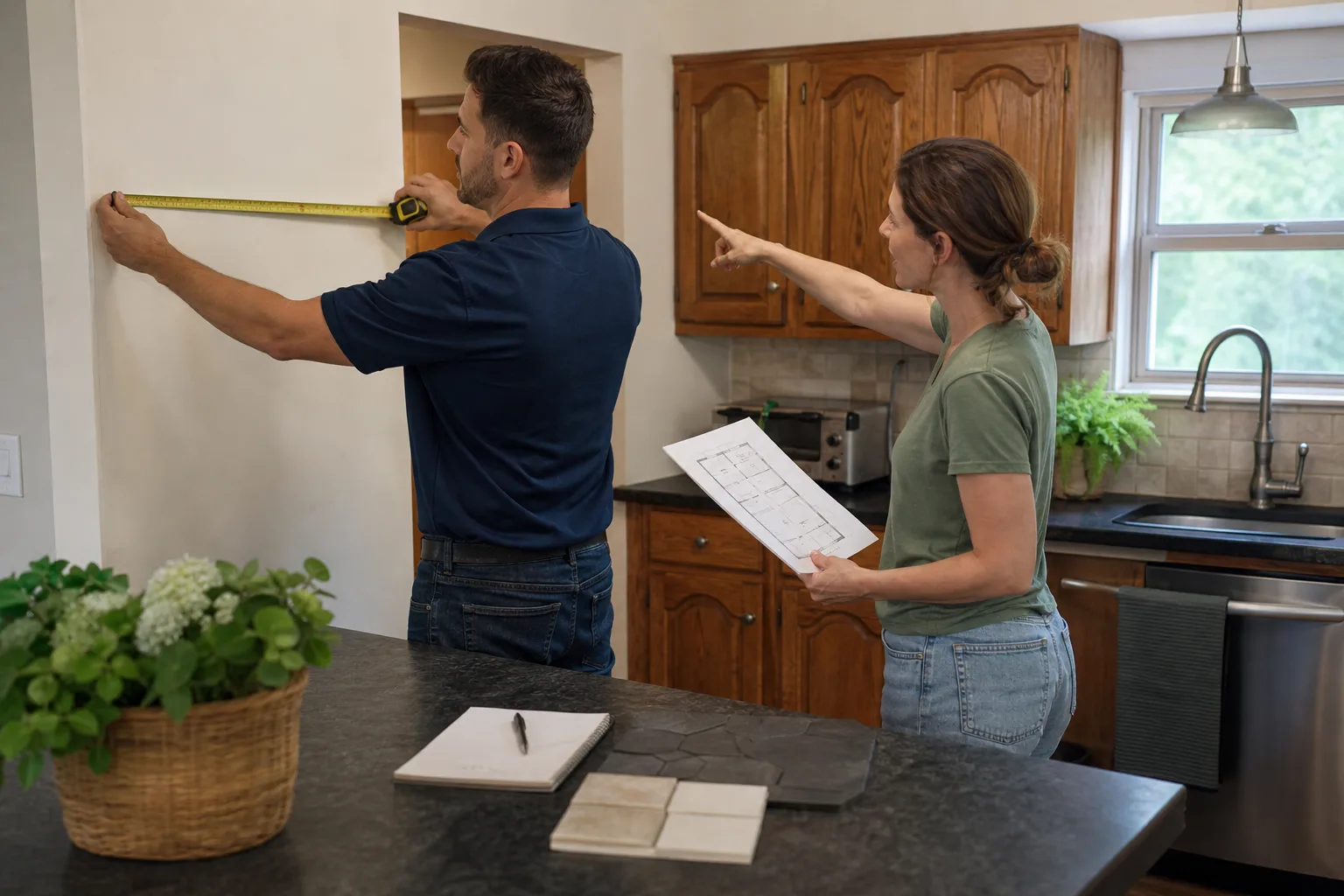
- What a Complete Written Scope Should Cover
- Common Mistakes to Avoid
- Frequently Asked Questions
Why Miami-Dade Ventilation Code Is Stricter Than You Think
Bathroom exhaust in Miami is not a comfort feature. It’s the primary defense against mold growth inside the assembly, and the code treats it that way. The Florida Energy Code requires mechanical exhaust in every bathroom, and it has to be either intermittent at a minimum of 50 CFM or continuous at a minimum of 20 CFM. CFM means cubic feet per minute, the rate at which the fan moves moist air out of the room. A fan rated below that is doing almost nothing in a Miami summer, when indoor relative humidity rarely drops below 60%.
- Intermittent fans need at least 50 CFM and must be tied to a control that runs them long enough to clear the room. In practice, that means 20 minutes after a shower, not five.
- Continuous ventilation runs at a lower rate (20 CFM minimum) but operates whenever the home is occupied. This is often the better fit for a Miami bathroom with no window.
- Duct routing matters. A fan pushing into an attic or terminating in a soffit will dump that moisture back into the assembly. It has to vent to the exterior, and in Miami-Dade a short, straight, insulated duct run is worth more than a louder fan.
We regularly see fans in Miami homes that were sized for a smaller bath, or worse, that vent into the attic because it was easier. The fan is one of the cheapest line items in the project and the most consequential. Get it wrong and every phase above it, including a premium tile job, is at risk.
Cement Board vs. Foam Board vs. Tile-Ready Systems in a Humid Climate
The tile you pick is a finish. The substrate is the structure, and in Miami’s climate it decides whether the shower lasts 20 years or leaks in three. Here’s how the three common choices compare for a Miami bathroom.
- Cement board (often called backer board) is a moisture-resistant cement sheet. It’s durable and cost-effective but does not waterproof on its own; it needs a liquid or sheet membrane over it before tile. When installed correctly in Miami, it performs well. When the membrane step gets skipped, it doesn’t.
- Foam backer board is a lightweight, waterproof panel. It’s faster to install, easier to cut, and doesn’t wick moisture the way cement board can. In a Miami bathroom with continuous humidity, the waterproof body of the panel itself is an advantage.
- Tile-ready shower systems are engineered assemblies (a pre-sloped pan, drain, and waterproof wall panels from one manufacturer) that arrive as a coordinated set with a manufacturer warranty. For a Miami shower, this is often the most traceable option because every component is specified together and the waterproofing isn’t left to field judgment.
In our experience, the substrate choice matters more than the tile brand every time. A mid-priced ceramic over a properly waterproofed foam system will outlast a designer porcelain over cement board with a thin coat of sealer. South Florida humidity finds the weakest layer in the wall, and it finds it slowly, which is why the failure shows up 18 months later with no clear cause.
The Full Scope of a Miami Bathroom Remodel, Phase by Phase
Most bids fail comparisons because they bundle everything into one number. A complete scope breaks the work into numbered phases, so you can see what’s included and what’s been quietly left out. Here’s the sequence a Miami bathroom should follow.
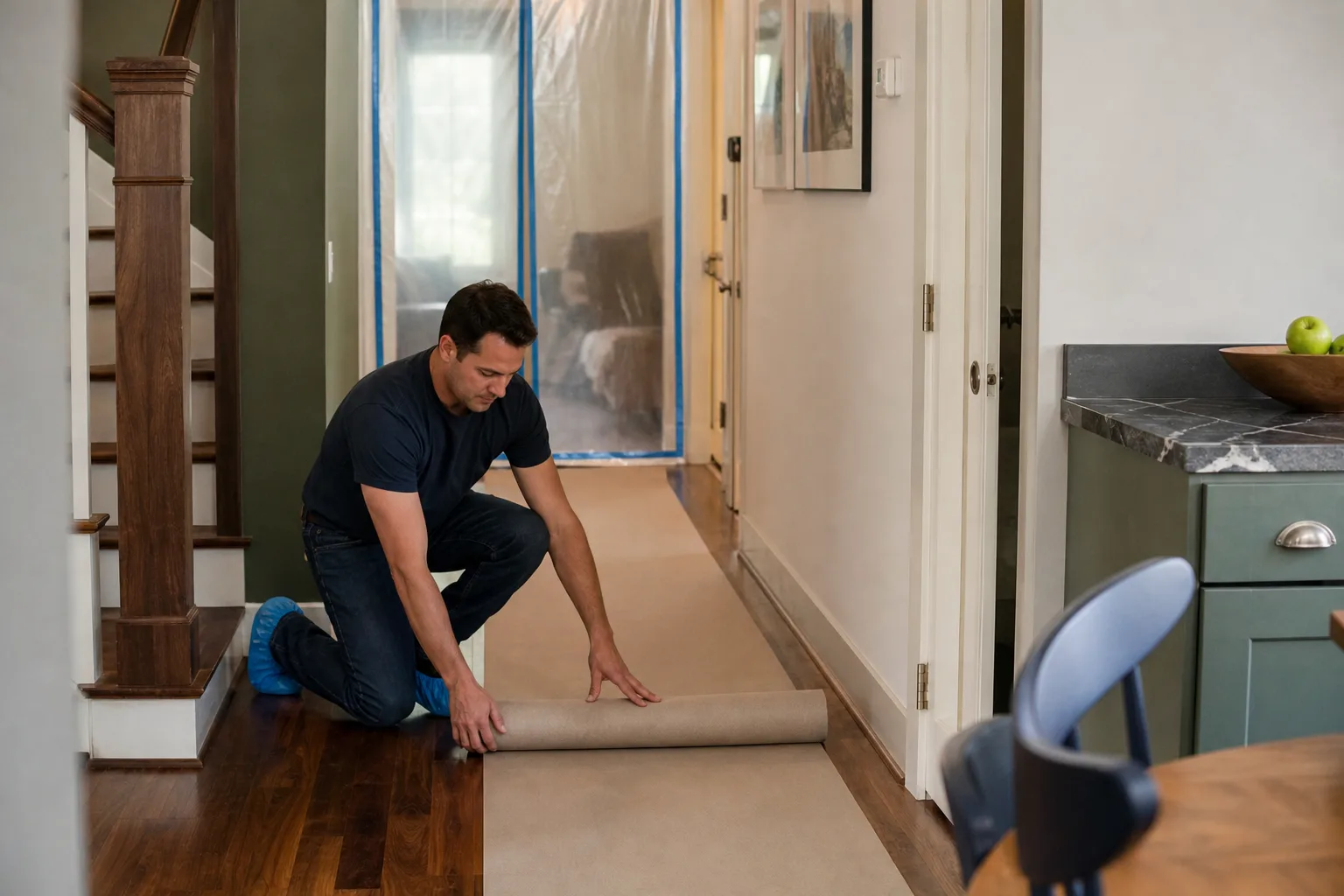
- Demo and protection. Tear-out of tile, fixtures, and old drywall, with dust control and floor protection through the rest of the home. Confirm the scope says who hauls away debris.
- Rough-in for plumbing and electrical. Moving a drain, adding a GFCI outlet (ground-fault protected, required near water), and upgrading the exhaust circuit. If a drain relocates, this may need a permit amendment.
- Framing and blocking. Backing for grab bars, a bench, or a glass panel. In Miami, blocking for a wall-hung vanity is also worth doing now, not later.
- Waterproofing membrane. The step that decides the project’s fate. It should be documented, with the product named and the warranty terms included. No certificate, no waterproofing.
- Inspection. Miami-Dade requires a permit for a full bathroom remodel and the work must pass inspection before tile goes up. Pulling the permit is part of the job, not a homeowner errand.
- Tile and setting. Wall and floor tile over the cured membrane, with movement joints at the corners rather than grout.
- Fixtures and finish. Vanity, counter, toilet, shower trim, and hardware. Kohler and Moen are common, documented choices here for a reason: parts are available and the manufacturer specs are on file.
- Final walkthrough and closeout. The scope signed off, the site clean, and the written guarantee in the homeowner’s hand.
That last step is where a squared-away job either ends well or doesn’t. If you’re also planning work beyond the bath, our General Contractor in Miami page covers how a bath project coordinates with a larger scope, and our Bathroom Remodeling in Miami page dives into the company detail behind all of this.
What a Bathroom Remodel Costs in Miami: Line-Item Ranges
Real numbers, phase by phase, for a standard Miami bath in the 40 to 60 square foot range. These brackets are for a mid-grade finish level. A luxury finish will push the tile and fixture lines higher, not the waterproofing or rough-in lines.
| Phase | Typical Miami range |
|---|---|
| Demo, protection, and debris removal | $800 – $2,000 |
| Plumbing rough-in (per fixture move) | $400 – $1,500 |
| Electrical rough-in (GFCI, fan, lighting) | $700 – $2,200 |
| Waterproofing membrane and preparation | $1,200 – $3,200 |
| Permit and inspection fees | $350 – $1,200 |
| Tile installation (per square foot, set) | $12 – $35 |
| Vanity, counter, and storage | $1,500 – $6,000 |
| Toilet, shower trim, and fixtures | $1,000 – $4,500 |
| Exhaust fan and ducting | $300 – $750 |
| Paint, trim, and finish closeout | $500 – $1,800 |
Add the lines up and you’ll land in the $14,000 to $42,000 range described in the Quick Answer, depending on finish level. What matters more than the total is that every line is written down before work starts, and that the number doesn’t move at the door. That’s the whole point of an upfront written price: no second number, no surprise invoice, no “well, once we opened the wall…” conversation that only goes one direction. If you’re remodeling the kitchen at the same time, see our Kitchen Remodeling in Miami page for the parallel cost breakdown so you can plan both budgets together.
Hurricane-Impact Windows and Your Bathroom Permit
If your bathroom has an exterior window, the remodel permit may intersect with hurricane-impact requirements. Miami-Dade is in the High-Velocity Hurricane Zone, and replacement windows in that zone must meet impact standards and carry a Miami-Dade NOA (Notice of Acceptance) for the product. That means the window assembly has to resist impact from wind-borne debris, not just keep rain out.
- If the window is staying as-is, the remodel scope often doesn’t touch it, but the permit status of the original window can still come up during inspection.
- If the window is being replaced as part of the project, the impact rating and NOA matter, and the window needs its own line in the scope.
- If the window is being blocked off to gain shower or vanity space, that affects exterior openings and ventilation load. Since Miami code ties exhaust requirements partly to whether the room has an operable window, removing one usually means the fan has to be upsized.
This is a genuinely Miami-specific issue. A homeowner in a milder climate doesn’t face this intersection, which is why a generic guide will never mention it. Ask the contractor to name the window product and show the NOA before the permit is pulled.
What a Complete Written Scope Should Cover
A written scope is what you compare across bids. Without one, you’re not comparing bids; you’re comparing how good each salesperson is at leaving things out. Here is what a complete scope should document line by line.
- Every phase with labor and material separated, so a change in tile selection is traceable to one line, not the whole number.
- The waterproofing product by name, its manufacturer, and the warranty term attached to it.
- The exhaust fan’s CFM rating and whether the control is intermittent or continuous.
- Brand and model for fixtures and cabinetry. Named products (KraftMaid, Kohler, Moen) have traceable specs and warranties; “builder-grade” does not.
- Permit and inspection responsibility, spelled out with who pulls and who pays.
- The written price guarantee, with the terms of any change order under defined conditions.
- The project guarantee, including what it covers and for how long.
- Cleanup and closeout, including debris hauling and final walkthrough.
A scope that names the waterproofing, the CFM, and the fixture brands is a scope you can actually hold someone to. A scope that says “premium finishes” is not. If a contractor can’t produce this document before work starts, that is the answer you need.
Common Mistakes to Avoid
- Building to national generic specs. A 50 CFM fan might scrape by elsewhere; in a Miami bathroom with an exterior wall and a steam-heavy shower, the real number may need to be higher. Size the ventilation for the room, not the sticker.
- Skipping the waterproofing certificate. If the membrane product isn’t documented, the tile job is a guess. Ask for the product name and warranty before the first tile goes up.
- Choosing tile before choosing the substrate. The most common Miami shower failure isn’t bad tile; it’s good tile over an unsealed wall. Substrate first.
- Letting the contractor skip the permit. A full bath remodel needs a Miami-Dade permit and inspection. An unpermitted remodel can become a disclosure problem at resale.
- Ignoring the window question. If the bathroom has an exterior window, find out early whether it triggers an impact requirement, so it gets priced into the scope and not added later.
- Comparing one-number bids. A bid that isn’t line-itemed isn’t a bid. It’s a promise with no structure, and it will grow in the direction that favors whoever isn’t paying.
- Assuming the finish products will be in stock. In a coastal market like Miami, cabinetry and specialty fixtures move quickly. A written scope with named brands lets the schedule account for real lead times instead of surprising you mid-build.
See the difference
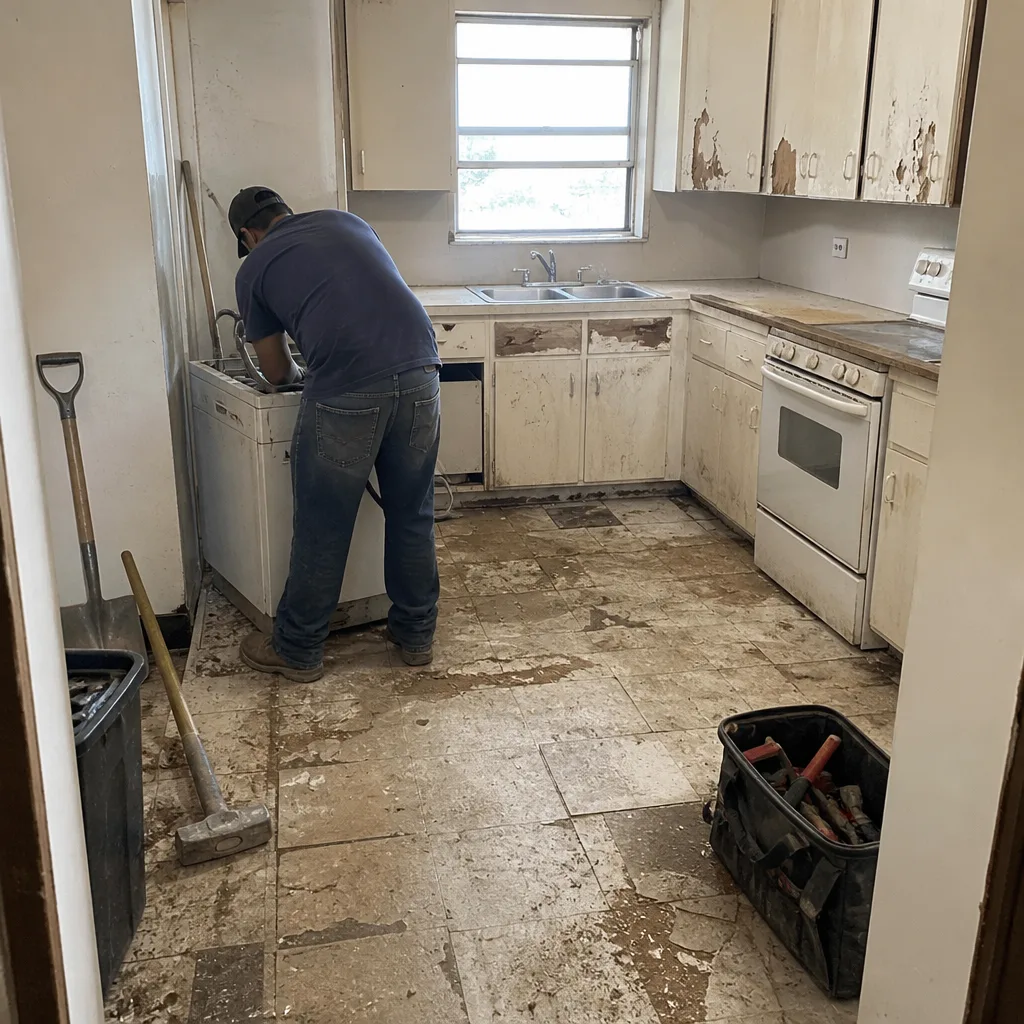 Before
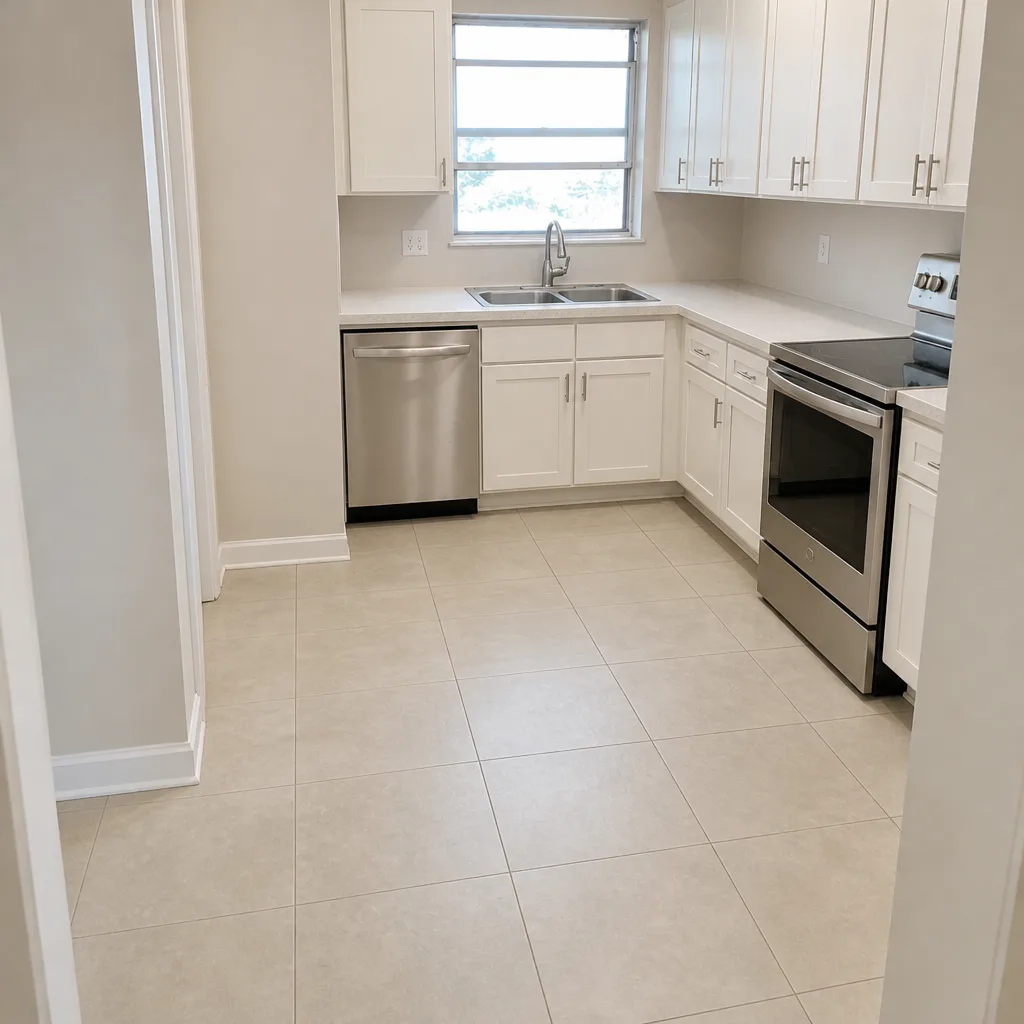 After
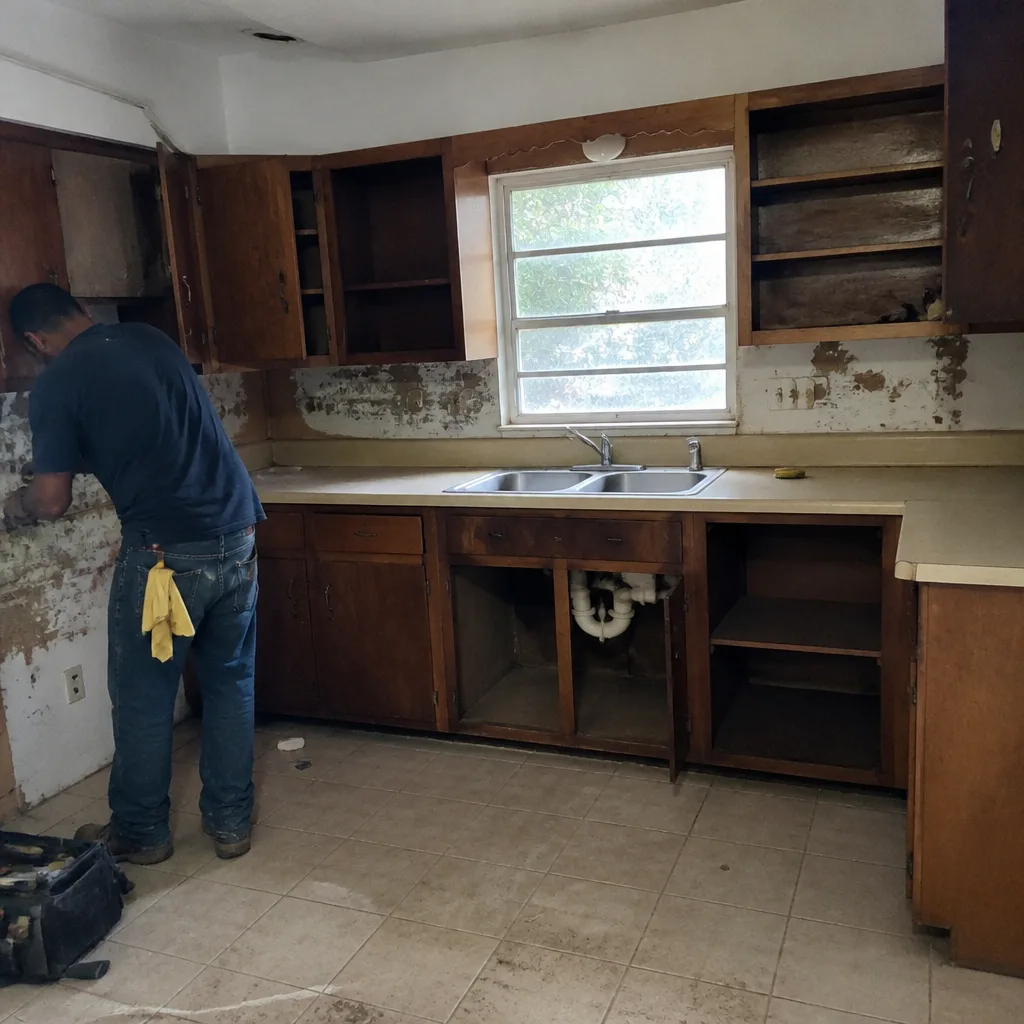 Before
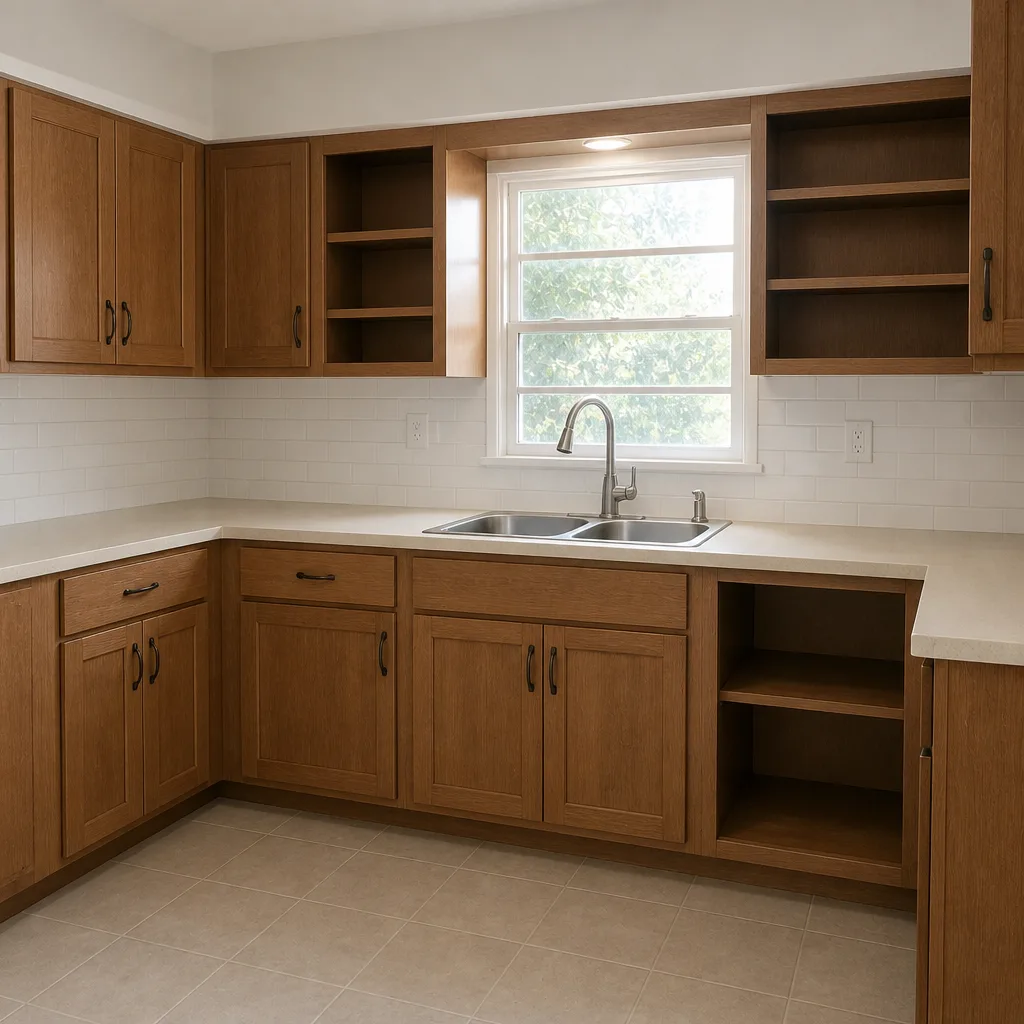 After
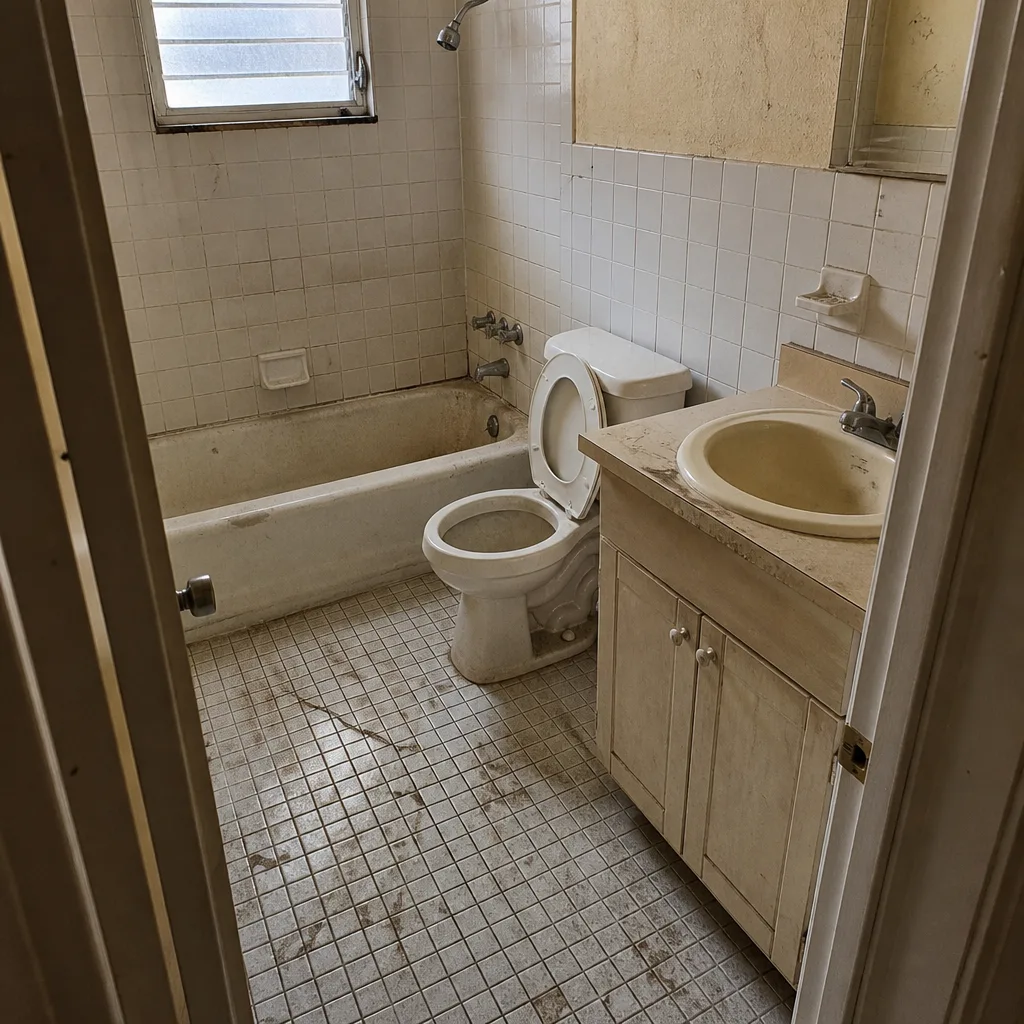 Before
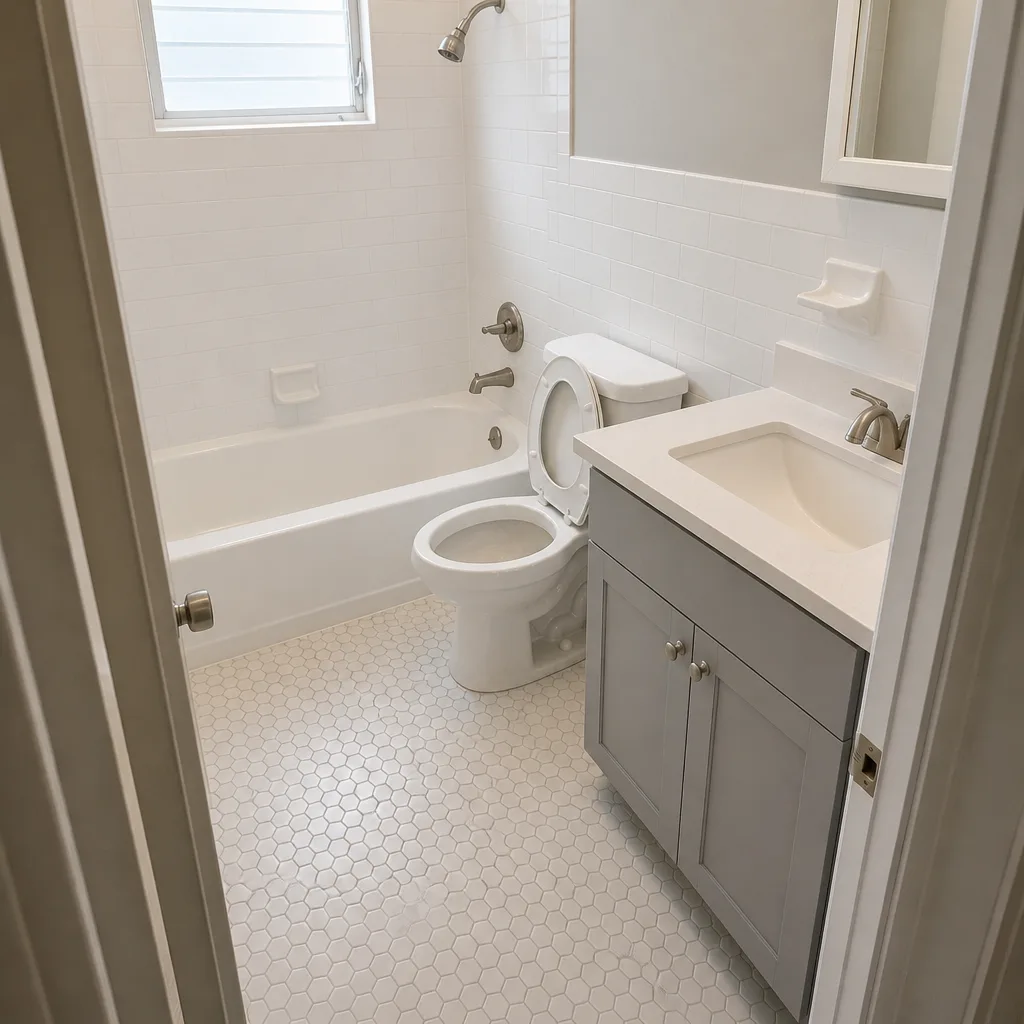 After
When to Call a Professional
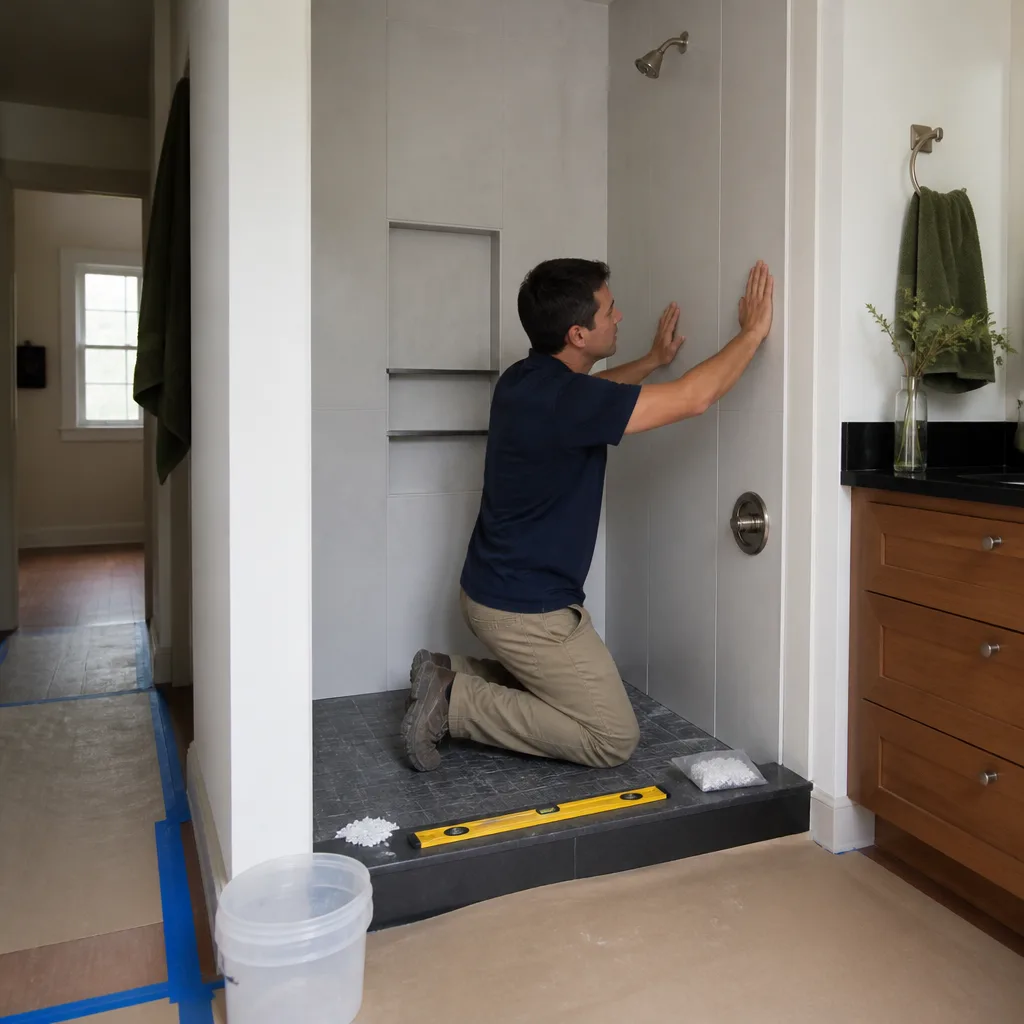
Some bathroom projects are genuinely DIY territory (swapping a faucet, replacing a cabinet handle). A complete remodel is not. Call a professional when the work involves any of the following: moving a drain or supply line, opening a wall, waterproofing a shower, replacing the exhaust fan or its ducting, or touching an exterior window in the High-Velocity Hurricane Zone. The risk isn’t just the cost of redoing it; it’s hidden moisture, mold inside the assembly, and a failed inspection you didn’t know was coming. Bradford Remodeling Co Miami offers free estimates in Miami. Call (844) 797-4435 to schedule yours.
Frequently Asked Questions
A complete bathroom remodel in Miami typically runs $14,000 to $42,000, with most homeowners landing between $19,000 and $28,000 for a 40 to 60 square foot bath. The ventilation and waterproofing lines drive the price more than the tile. Call (844) 797-4435 for an exact quote – estimates are free.
Yes. A full bathroom remodel in Miami-Dade requires a permit, and the rough-in and waterproofing work must pass inspection before tile is set. A contractor who asks you to skip the permit is transferring the risk to you, because an unpermitted remodel can complicate resale. Call (844) 797-4435 if you want to know exactly what your project’s permit covers.
A standard Miami bathroom remodel takes about 4 to 8 weeks from demo to closeout, depending on whether plumbing moves and how long the waterproofing cure and inspection stages take. Weather rarely extends the indoor timeline, but lead times on cabinetry and specialty fixtures can. Call (844) 797-4435 to talk through your specific timeline.
No, when the scope is written properly. A properly written price covers defined work, and any change to that work should be documented in a change order before it happens. What causes a price to move is a bid that left items out, which is exactly why we put every phase in writing before a tool comes out. Call (844) 797-4435 for a written, line-item estimate.
At minimum 50 CFM for an intermittent fan, or 20 CFM for continuous operation, per the Florida Energy Code. In a Miami bathroom, a straight, insulated duct to the exterior matters as much as the rating, because a fan that vents into the attic defeats the purpose. Call (844) 797-4435 and we’ll size the fan for your room.
If your bathroom has an exterior window and you’re replacing it, yes. Miami-Dade is in the High-Velocity Hurricane Zone, and replacement windows in that zone must carry a Miami-Dade NOA for impact resistance. If you’re keeping the window, the remodel scope may not touch it, but it’s worth confirming early. Call (844) 797-4435 to sort out the window question before you sign.
The Bottom Line
A Miami bathroom remodel lives or dies on the layers you’ll never see: the ventilation sized to code, the waterproofing membrane, and the substrate under the tile. Get those right and the finish lasts. Get them wrong and the mold shows up behind the tile with no warranty to cover it. Every phase should be in a written scope with a price that doesn’t move, and a permit that gets pulled and passed. If you’re ready to price a bathroom remodeling Miami project the disciplined way, see our Bathroom Remodeling in Miami service page, or start from our Bradford Remodeling Co Miami home page to see how the whole practice is run.
Bradford Remodeling Co Miami puts every price and every guarantee in writing before work starts, with background-checked, uniformed technicians on every job. A live person answers the phone 24/7, and every completed project carries the 365-Day Done Right Promise: if it’s not done right, we make it right. Call (844) 797-4435 for a free estimate.
Written by the team at Bradford Remodeling Co Miami.