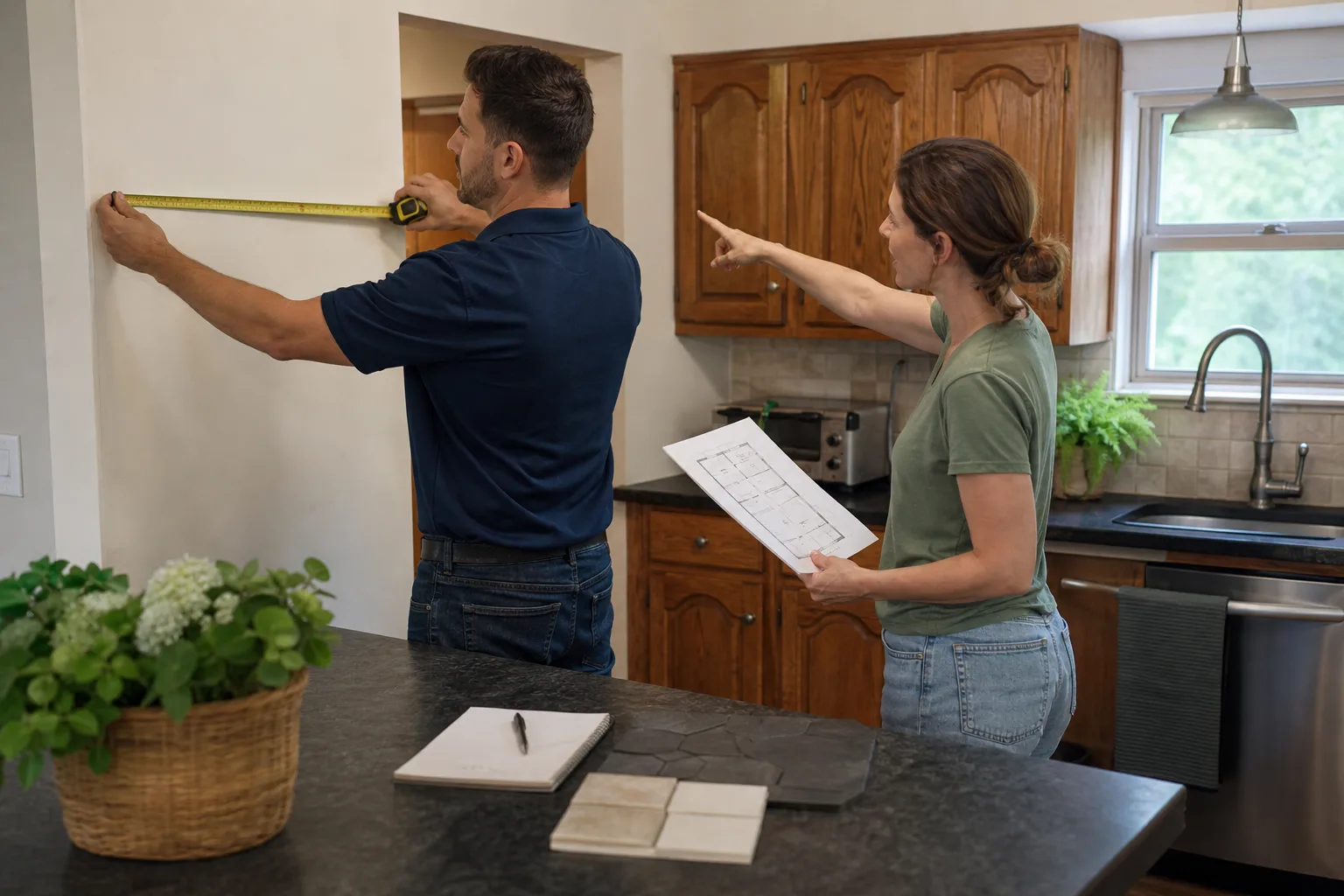

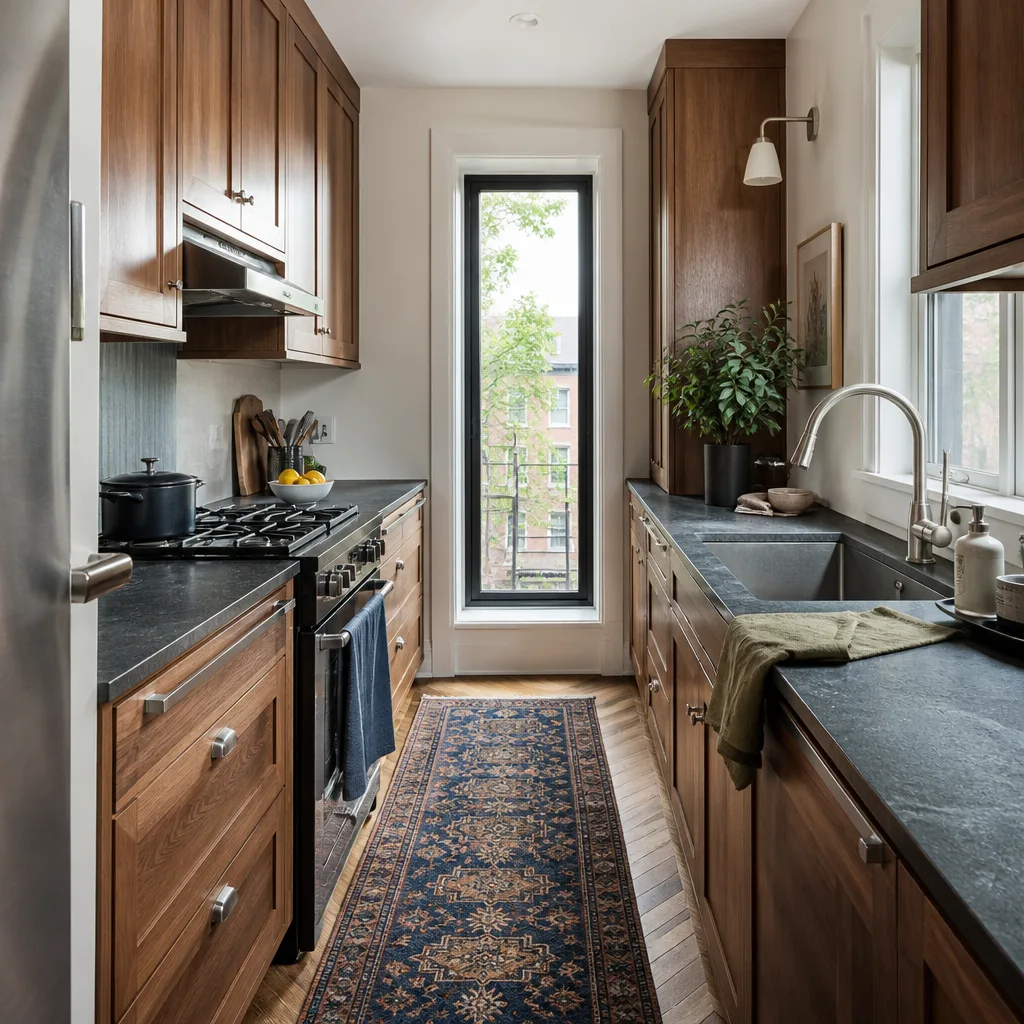






Free written scope consultation - allowances, timeline, and change-order rules on paper before a single trade is scheduled
Styles & brands we work with
- Kitchen remodeling
- Bathroom remodeling
- Home additions & ADU
- Roofing
- Windows & doors
- Driveway & pavers
- Fence
See the difference
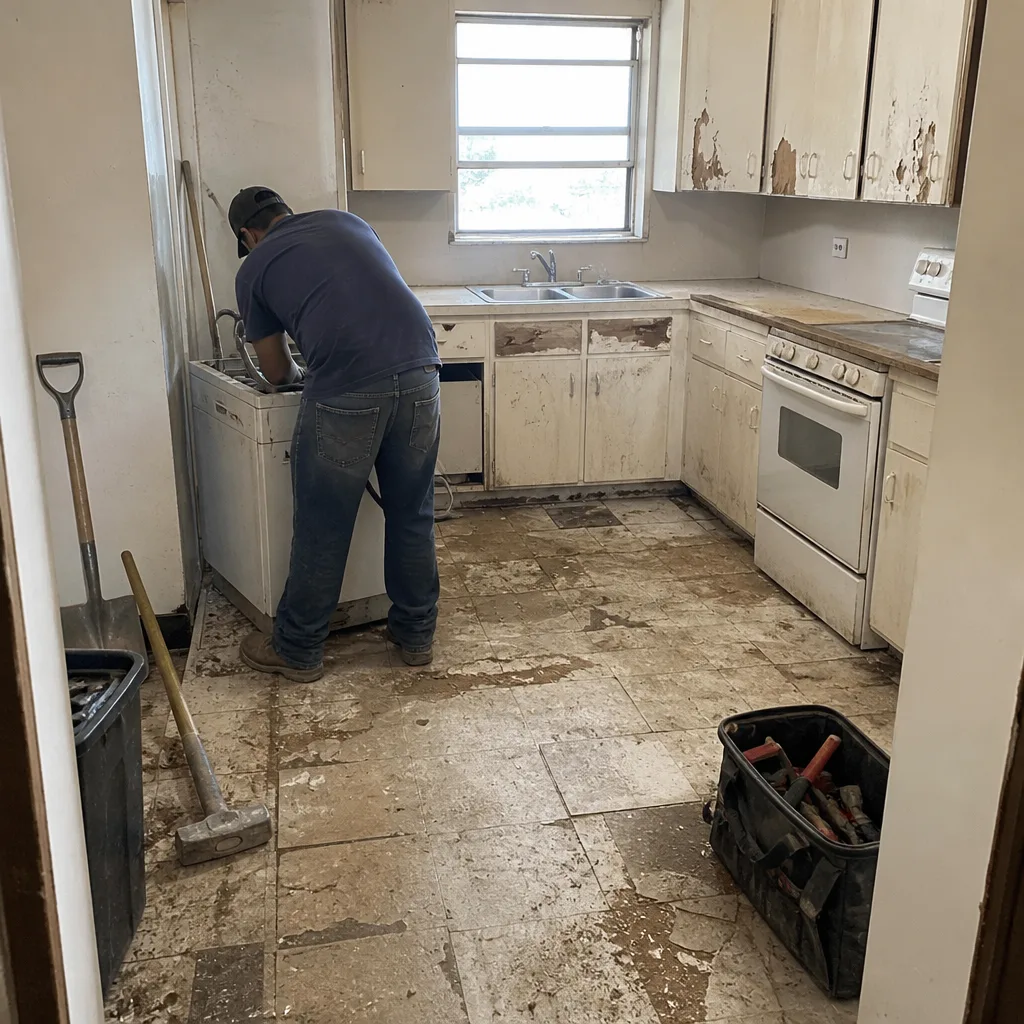 Before
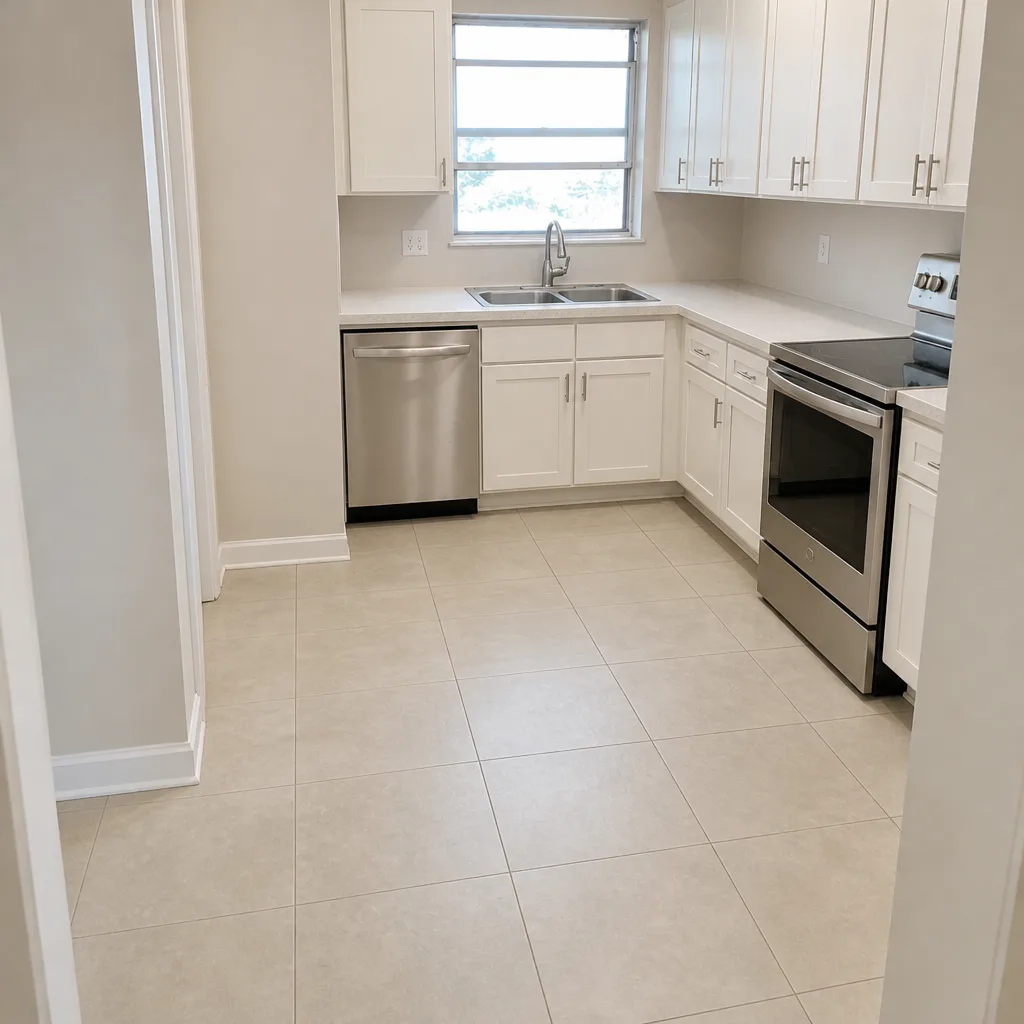 After
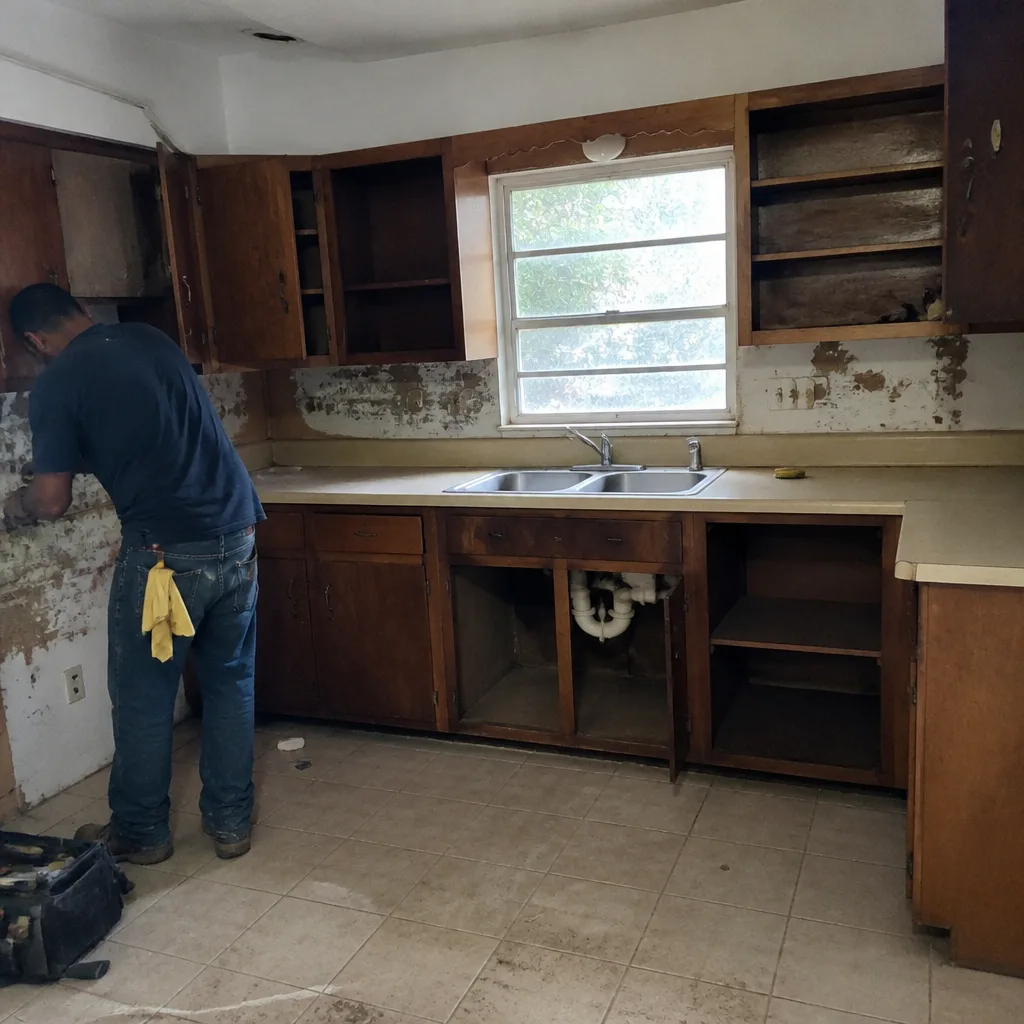 Before
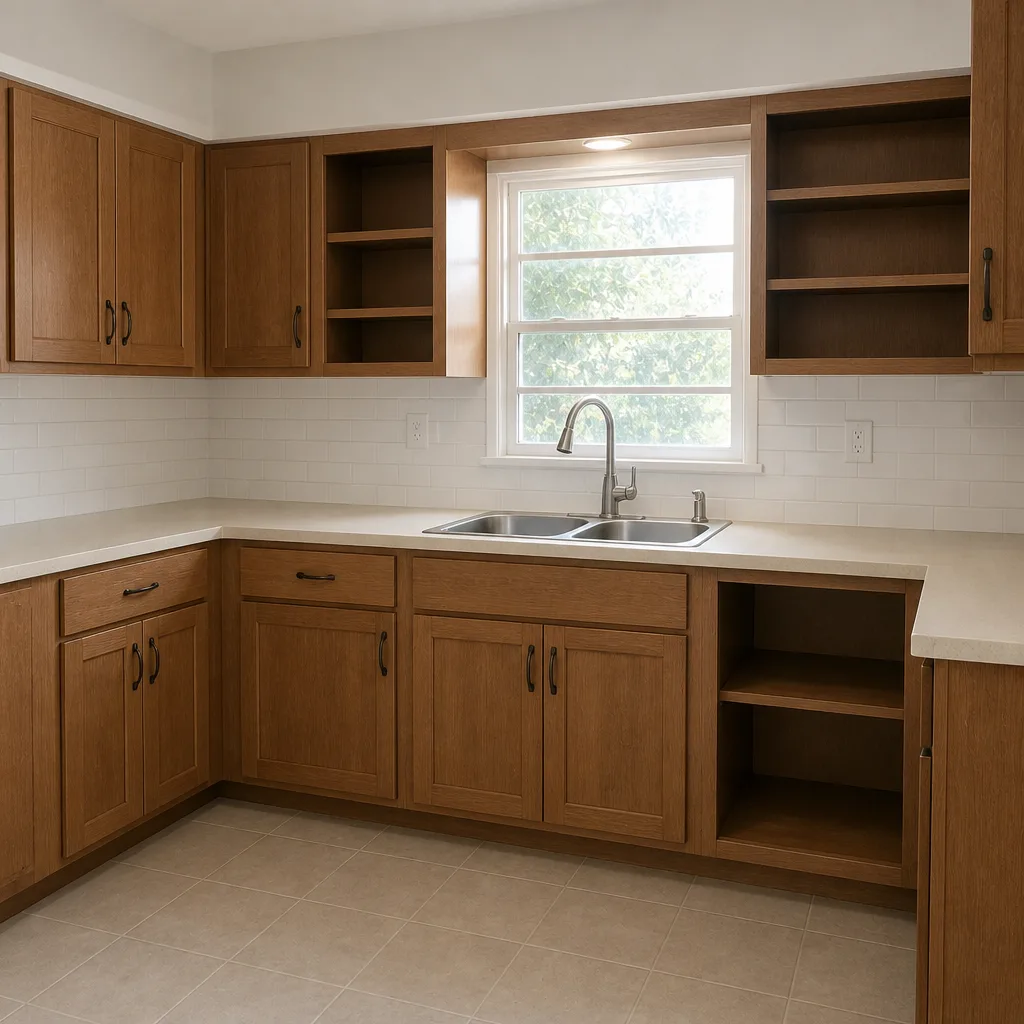 After
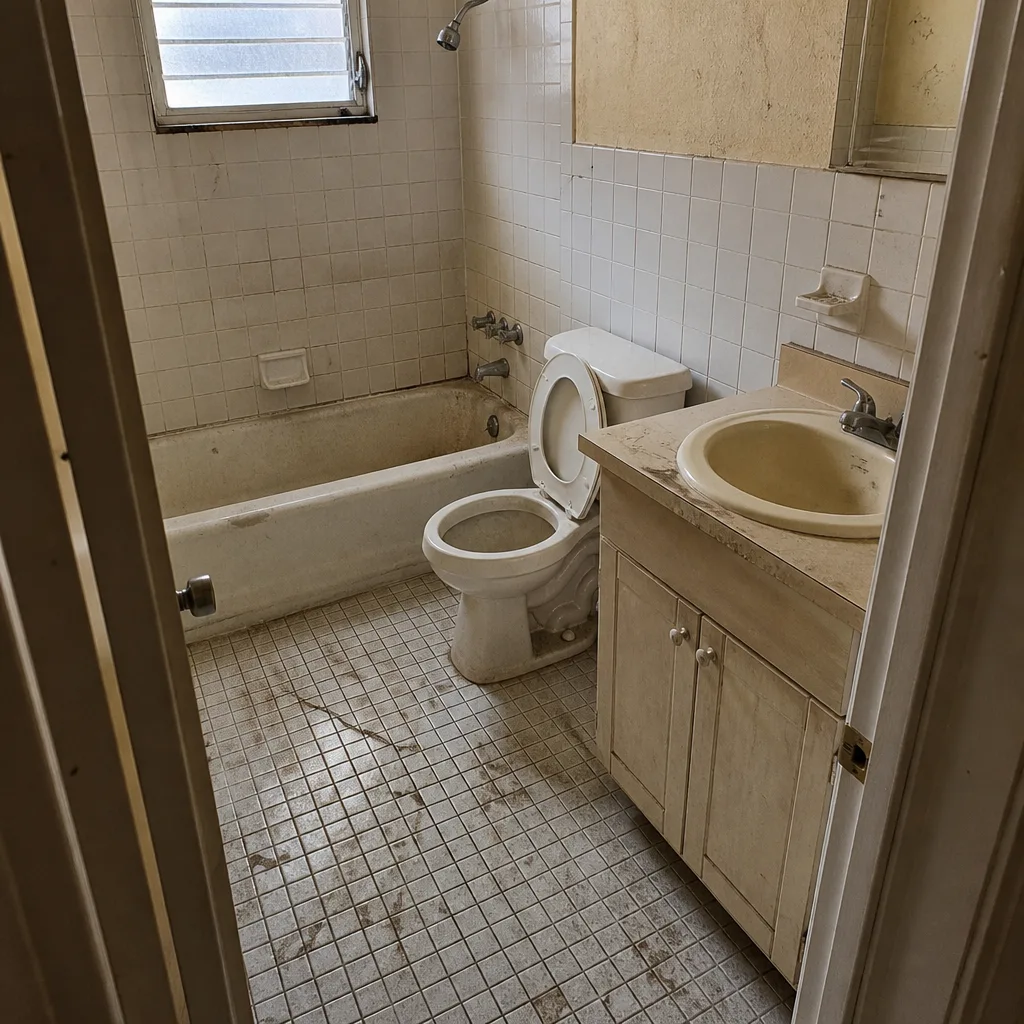 Before
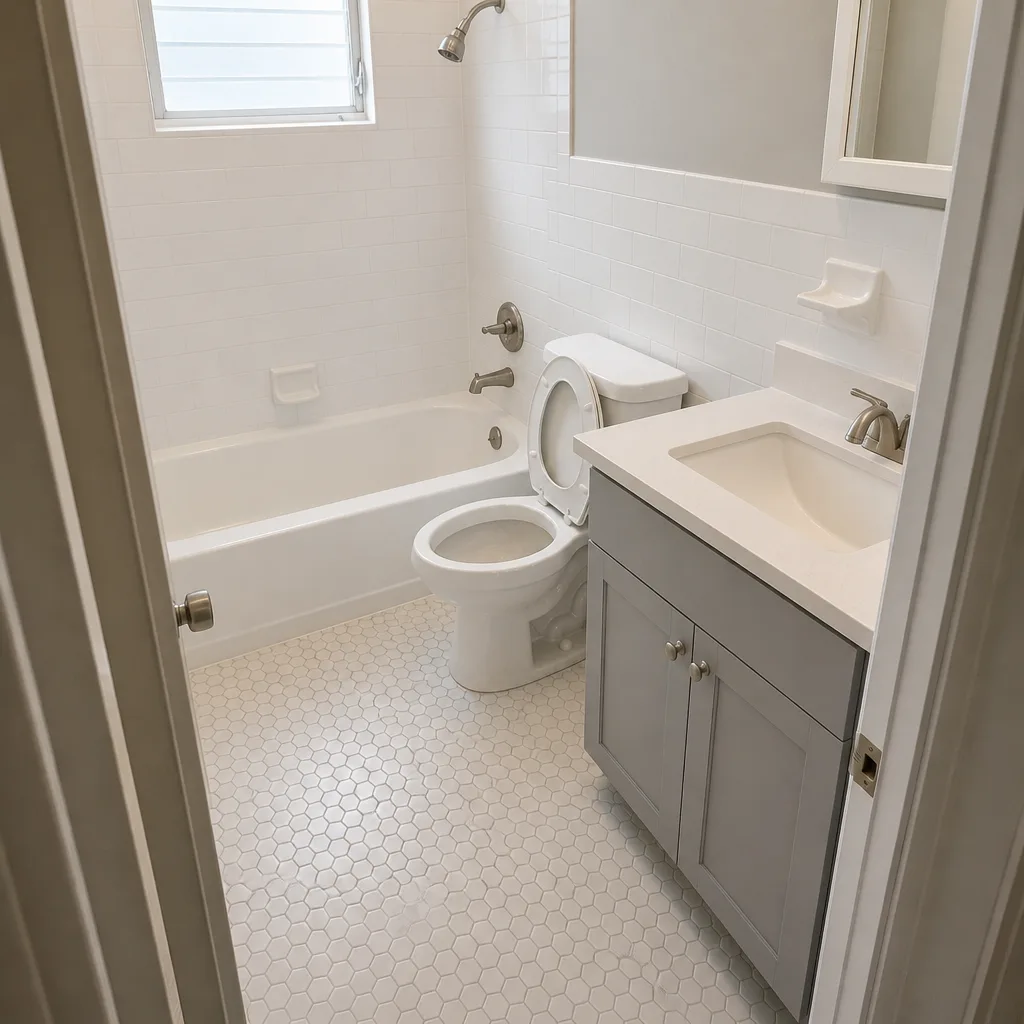 After
Do You Need a Permit to Remodel a Kitchen in Miami, FL?
Yes, you need a permit to remodel a kitchen in Miami, and the more useful answer is that you usually need several. A typical Miami kitchen remodel pulls four separate trade permits: building, plumbing, mechanical, and electrical. Each one carries its own inspector, its own inspection sequence, and its own product approval paperwork. Any contractor who quotes you a “fully permitted” kitchen for a suspiciously low number is probably pulling one of those four. Call (844) 797-4435 and we’ll tell you exactly which permits your scope triggers.
Miami makes this harder than most of Florida because the county enforces the High Velocity Hurricane Zone (HVHZ) code. That’s the strictest wind-load and product-approval regime in the country, and it doesn’t stop at the roof. It reaches into your kitchen the moment you touch a window, an exterior door, or a range hood that vents through the wall. Homeowners in Kendall, Coral Gables, and Little Havana deal with the same stack, and the paperwork burden lands on whoever holds the permit, which should be your contractor.

Which permits does a Miami kitchen remodel actually trigger?
One permit type covers framing and layout changes. The other three cover the systems behind your walls, and skipping them is where most unpermitted kitchens go wrong.
- Building permit – pulled when you move or remove a wall, frame a new opening, change a structural header, or alter the envelope (any new window or exterior door).
- Plumbing permit – pulled when a sink, dishwasher, ice maker, or gas line moves or is added. Relocating a sink from one wall to another means new drain slope and venting, which an inspector will check before the drywall closes.
- Mechanical permit – pulled when you install or replace a range hood that ducts to the exterior. Recirculating hoods don’t trigger it; ducted hoods do, and the duct route matters.
- Electrical permit – pulled for any new circuit, added outlet, under-cabinet lighting run, or panel upgrade. Kitchen circuits have specific GFCI and appliance requirements that get inspected.
Here’s the operator detail worth knowing: the four permits are often reviewed on separate tracks, and the plumbing and electrical inspections have to happen in the right order relative to framing and drywall. When a contractor pulls only the building permit, the plumber and electrician work without oversight, the county never inspects the rough-in, and you inherit a kitchen that can’t be legally closed out. Kitchen Remodeling done by the book means every trade permit gets pulled under your property address and every inspection gets signed off before the walls go back up.
Why Miami kitchens need HVHZ product approval when most cities don’t
Any new window or exterior door in a Miami kitchen remodel must carry a Miami-Dade Notice of Acceptance (NOA) number, and that documentation has to be submitted with the permit application. This is the HVHZ rule in practice. An impact-rated sliding glass door facing your lanai isn’t just glass, it’s a tested assembly with a product approval number that the county verifies before the inspector ever visits.
What that means for you at bid time: the fasteners, flashing, and anchoring schedule all have to match the approved assembly. In Miami’s salt air and year-round humidity, corrosion-resistant fasteners aren’t optional, and the tie-down and waterproofing details are set by code, not by builder preference. A twenty-two-year technician has learned this the hard way: a window that passes in Tampa won’t pass here. If your kitchen scope includes an impact-rated window or a new exterior door from brands like Therma-Tru, ask to see the NOA paperwork attached to the permit. It’s not a red flag to request it; it’s the whole point.

The condo permit path in Brickell and downtown Miami
If you live in a high-rise in Brickell, downtown, or along the Miami Beach waterfront, your remodel needs two approvals, and they don’t run in parallel. First comes your building management’s approval, which covers construction hours, elevator use, water shutoffs, debris removal, and the association’s own insurance requirements. Then, and only then, can the county permit be submitted. Management approval often adds two to four weeks before the county package goes in.
We see condos where an installer skipped the management step and got shut down at the loading dock on day one. The unit sat untouched for a month while the paperwork was sorted. Before anyone orders cabinetry, confirm the building’s requirement in writing and build that wait into the schedule. If you’ve been burned by a no-show crew, this is the kind of sequence discipline that prevents it, and it’s written into The Garrison Standard before any work starts.
What does an unpermitted Miami kitchen actually cost you?
Unpermitted work doesn’t just fail inspection later. In Miami it can hit your insurance. If your home sits in a FEMA AE flood zone, an unpermitted improvement can put your flood insurance eligibility at risk, and that risk is concentrated exactly where older homes sit: Miami Beach and parts of Little Havana, where AE-zone homes are common. Many of those 1920s Mediterranean-revival and Art Deco masonry houses need electrical and mechanical systems elevated or flood-proofed above base flood elevation during a remodel. That’s a permit-driven cost mainland contractors rarely budget for, and it’s why a straight number matters.
Here’s roughly what a Miami kitchen runs once the permit and trade work are folded in:
| Scope | Typical Miami range |
|---|---|
| Full kitchen remodel | $16,520-$53,100 |
| Small kitchen remodel | $10,620-$23,600 |
| Cabinet installation | $4,720-$15,340 |
| Countertop installation | $2,360-$7,670 |
| Backsplash installation | $945-$2,950 |
| Kitchen island installation | $3,540-$11,800 |
The permit cost itself is a small slice of that. The larger swing comes from what the inspector finds once the walls are open, and from whether the electrical panel can carry new kitchen circuits. We give you a written price before any work starts, and if the county requires something we couldn’t see until demolition, you hear about it before we spend it. That’s the difference between a number at the door and a number on paper.
What to look for before you hire a Miami kitchen contractor
Most permit trouble starts at the hiring stage, not at the job site. Use this as a short filter.
- Ask which permits they’ll pull. A straight answer names all four. A vague answer means they’re pulling one.
- Ask who submits the NOA documentation for any impact window or exterior door.
- Confirm condo management approval is on their timeline if you’re in a high-rise.
- Get the price in writing before tools come out, with a stated scope.
- Ask what the written guarantee covers and for how long. Bradford Remodeling Co Miami gives every completed project a full 365-Day Done Right Promise: if the work fails inside that window, we come back and correct it at no charge.
Materials matter here too. A documented roster of KraftMaid and Wellborn cabinetry, Cambria and Caesarstone surfaces, Kohler and Moen fixtures means specifications are traceable and manufacturer warranties back our own. You can see how we run the full scope on our home page, and the trades behind it are background-checked and uniformed, so you know who’s walking through your door before the crew arrives.
FAQs
Usually no. Cabinet replacement alone typically doesn’t trigger a building permit as long as you’re not moving walls, plumbing, gas lines, or electrical. The moment you relocate a sink, add a dedicated circuit, or duct a new range hood, the plumbing, electrical, or mechanical permit applies. When in doubt, a ten-minute call with the county settles it.
A full kitchen remodel in Miami typically runs $16,520-$53,100, with a small kitchen at $10,620-$23,600. The permit fees are minor next to the structural and trade work, but they’re mandatory. Call (844) 797-4435 for an exact written quote for your scope.
Often yes, but it depends on what was inspected and how the work was left. We can review the open permits under your property address and tell you what the county will require to close them. Call (844) 797-4435 and we’ll walk through it before you commit to anything.
It can. Homes in the FEMA AE zone, which is common in Miami Beach and parts of Little Havana, risk losing flood insurance eligibility if improvements weren’t permitted. If you’re unsure whether prior work was permitted, pull the property’s permit history before you buy, sell, or refinance. Our team can help you read it.
If you’d rather have it looked at, Bradford Remodeling Co Miami offers a no-pressure assessment in Miami. We’ll tell you which permits your kitchen triggers, put the price in writing, and hold to it. Call (844) 797-4435 for a free estimate.
Written by the team at Bradford Remodeling Co Miami, serving Miami, FL.