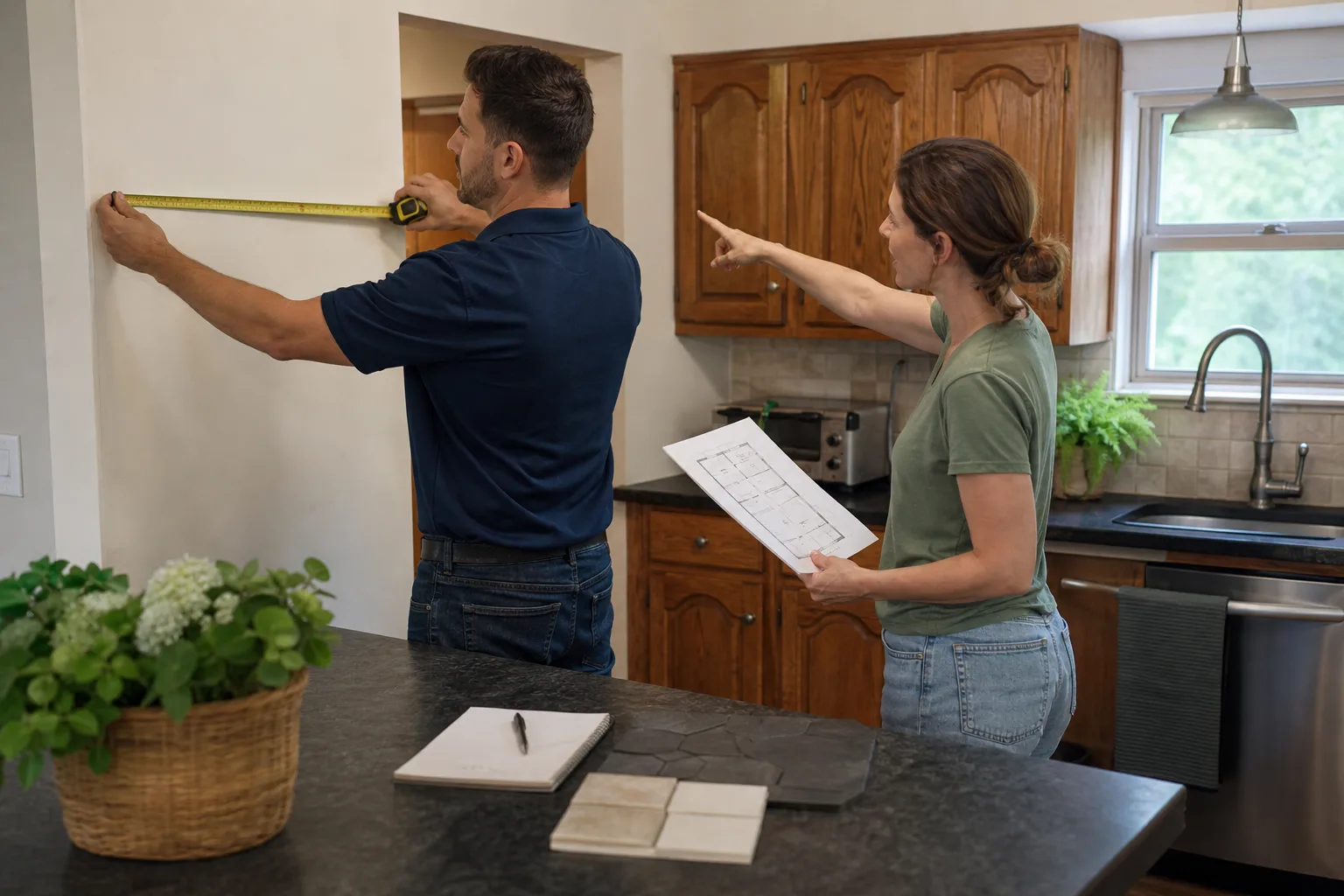



Free written scope consultation - allowances, timeline, and change-order rules on paper before a single trade is scheduled
Styles & brands we work with
- Kitchen remodeling
- Bathroom remodeling
- Home additions & ADU
- Roofing
- Windows & doors
- Driveway & pavers
- Fence
See the difference
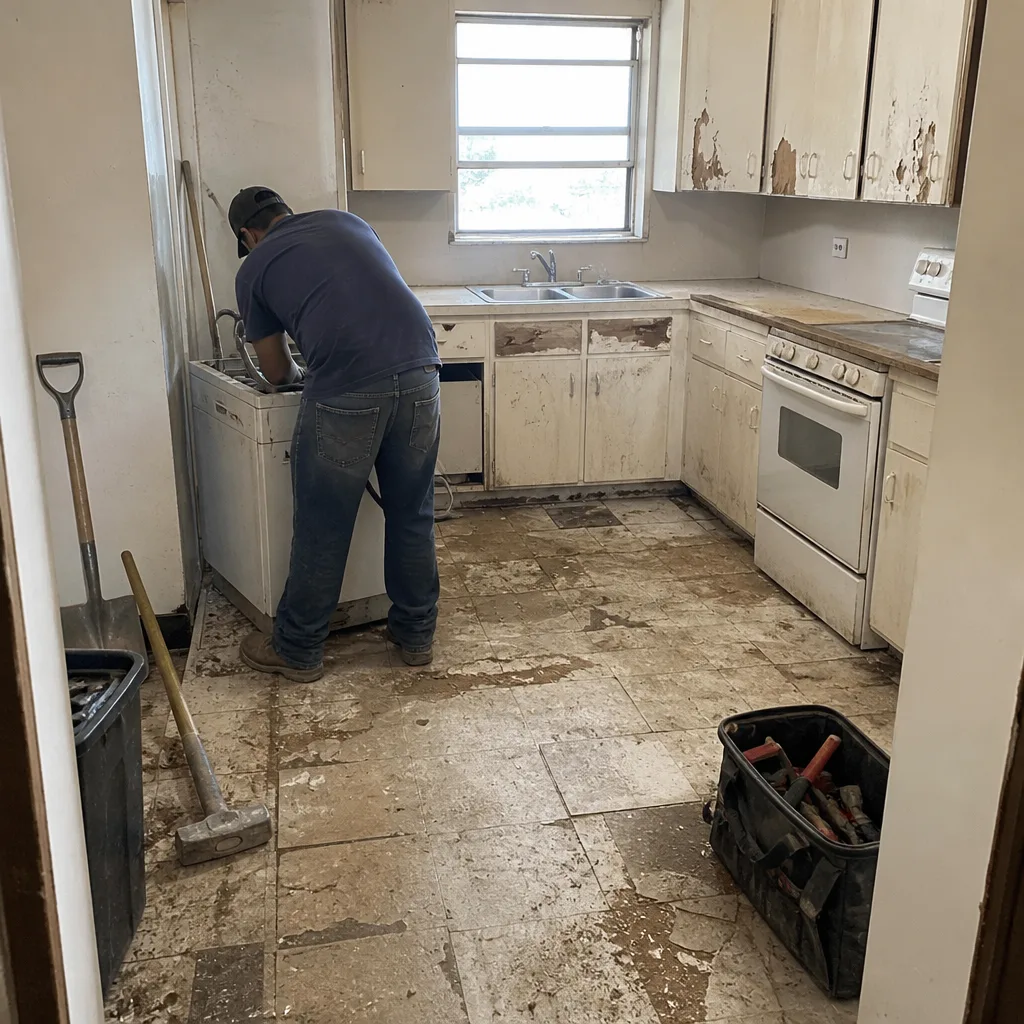 Before
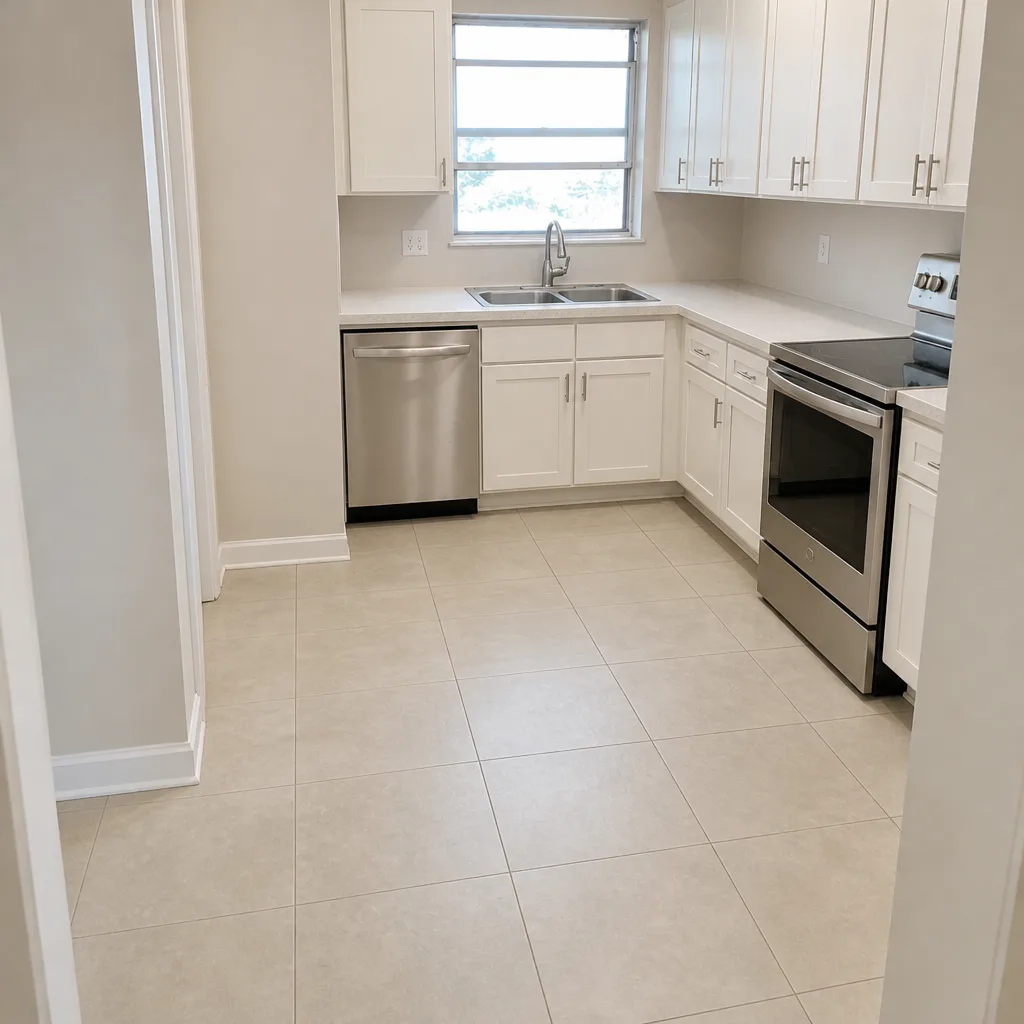 After
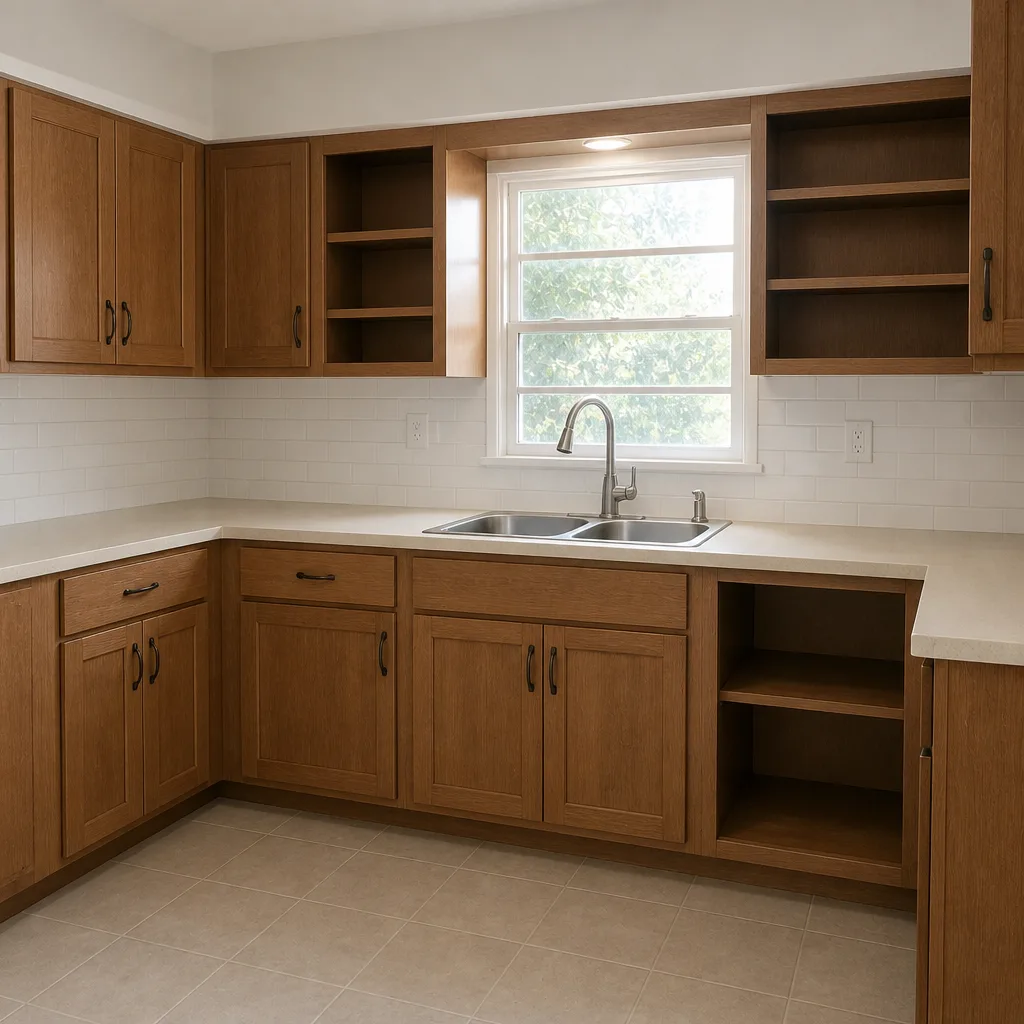
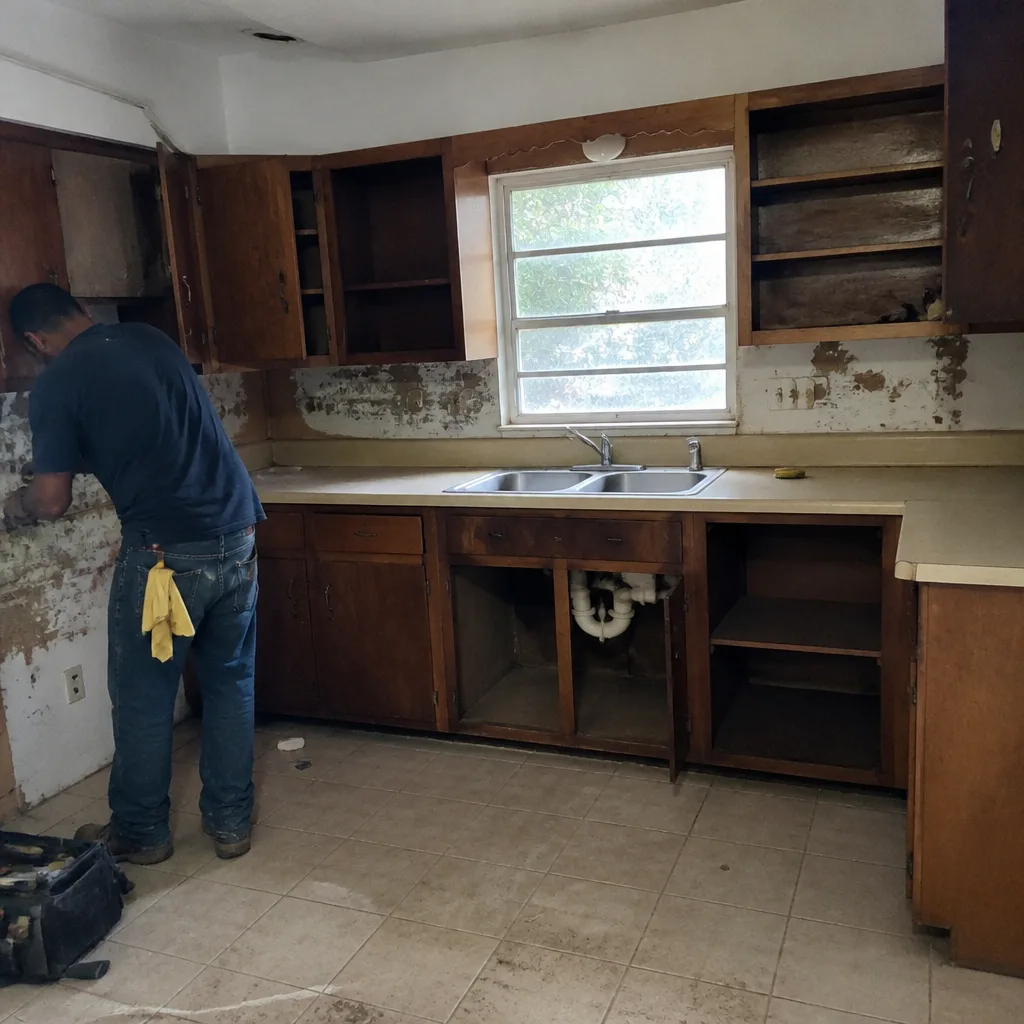 Before
 After
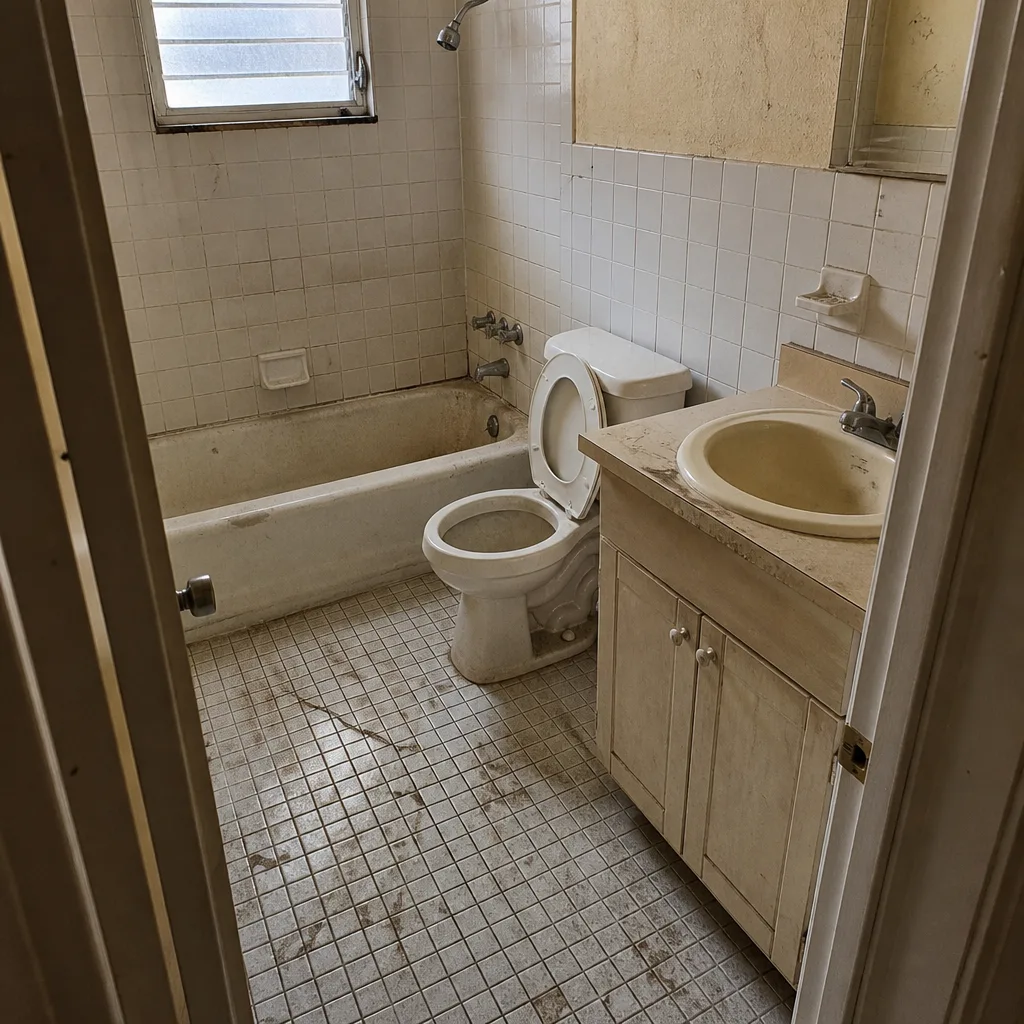 Before
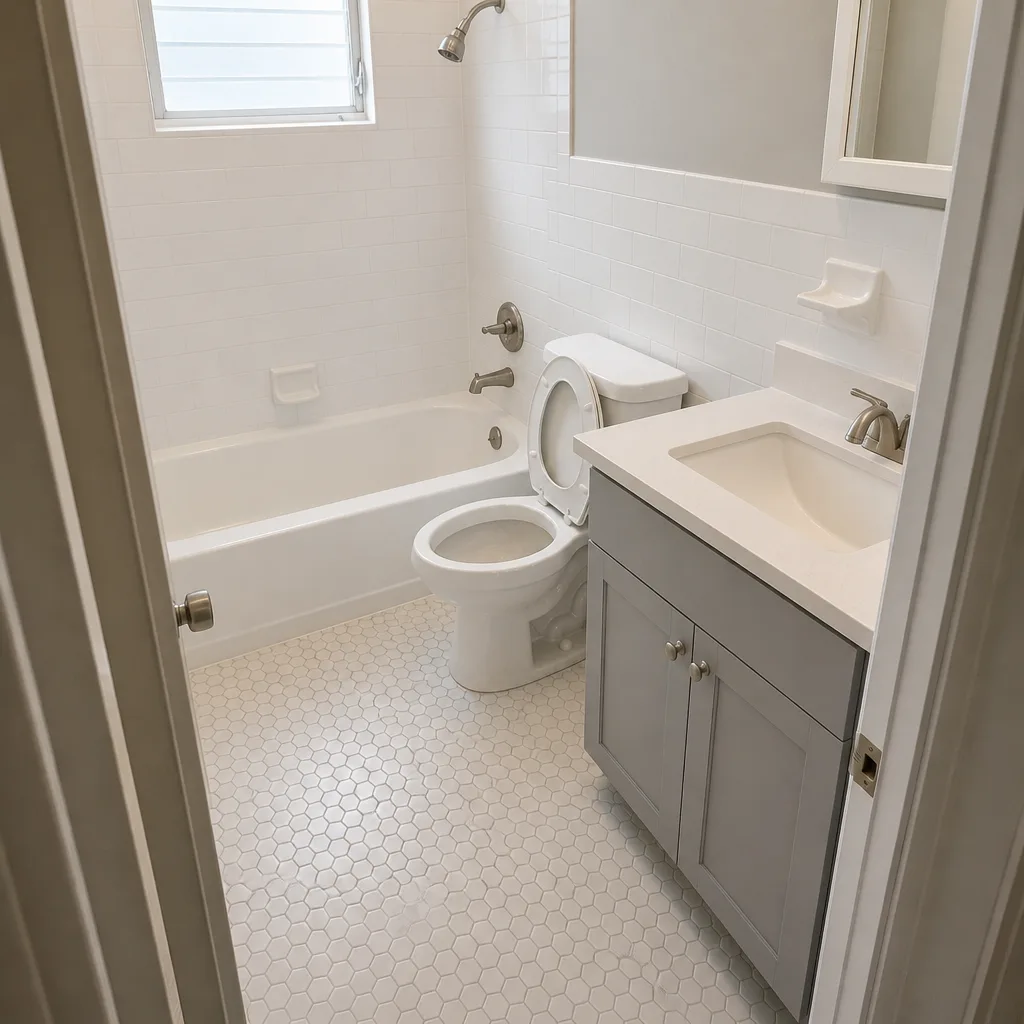 After
Cabinet Refacing vs Replacement in Miami, FL: Decide by Box Condition, Not Budget
Choose refacing if your cabinet boxes pass a structural inspection. Choose replacement if any base or wall box shows delamination, swelling, or failed hardware anchors. In Miami, FL, that single decision rarely comes down to money alone. Nationally, roughly 70% of cabinet boxes are sound enough to reface. In a 1970s Miami ranch with a CBS block exterior wall and no vapor barrier behind the base cabinets, that figure lands closer to 50%. A contractor who can’t tell you the box-condition percentage before quoting a reface is quoting a number that will move on demo day. Bradford Remodeling Co Miami gives you that assessment in writing first. Call (844) 797-4435 for a free estimate.
Why Miami’s Housing Stock Changes the Refacing Math
Most refacing guides are written for dry climates and stick-framed homes. Miami isn’t either of those. The post-war CBS (concrete block and stucco) ranch homes running west and south of downtown have been holding moisture against their cabinet boxes for 40 to 60 years. Concrete block sweats. Without a vapor barrier between the wall and the cabinet back, that moisture has nowhere to go but into the wood.
Salt air is the second variable. In Miami Beach and Little Havana, the metal hardware inside your cabinets – drawer slides, hinges, runners – has spent decades pulling in coastal humidity. Steel that looks fine on the face can be frozen or half-seized underneath. A reface that reuses it means new doors riding on tired slides, and that’s the callback nobody wants.
Here’s the part that surprises homeowners: neither refacing nor cabinet replacement triggers a Miami-Dade building permit on its own. Adding, moving, or relocating an electrical outlet inside or above the cabinets does. And that scope item surfaces during cabinet work far more often than it does before. Under Miami-Dade’s High Velocity Hurricane Zone (HVHZ) code – the strictest wind-load and product-approval regime in the country – the electrical work that gets pulled in has to clear inspection, even though the cabinets themselves don’t. That’s a line item you’ll want to see in the written scope, not on demo day.
The Box-Condition Inspection: What Happens Before Any Quote
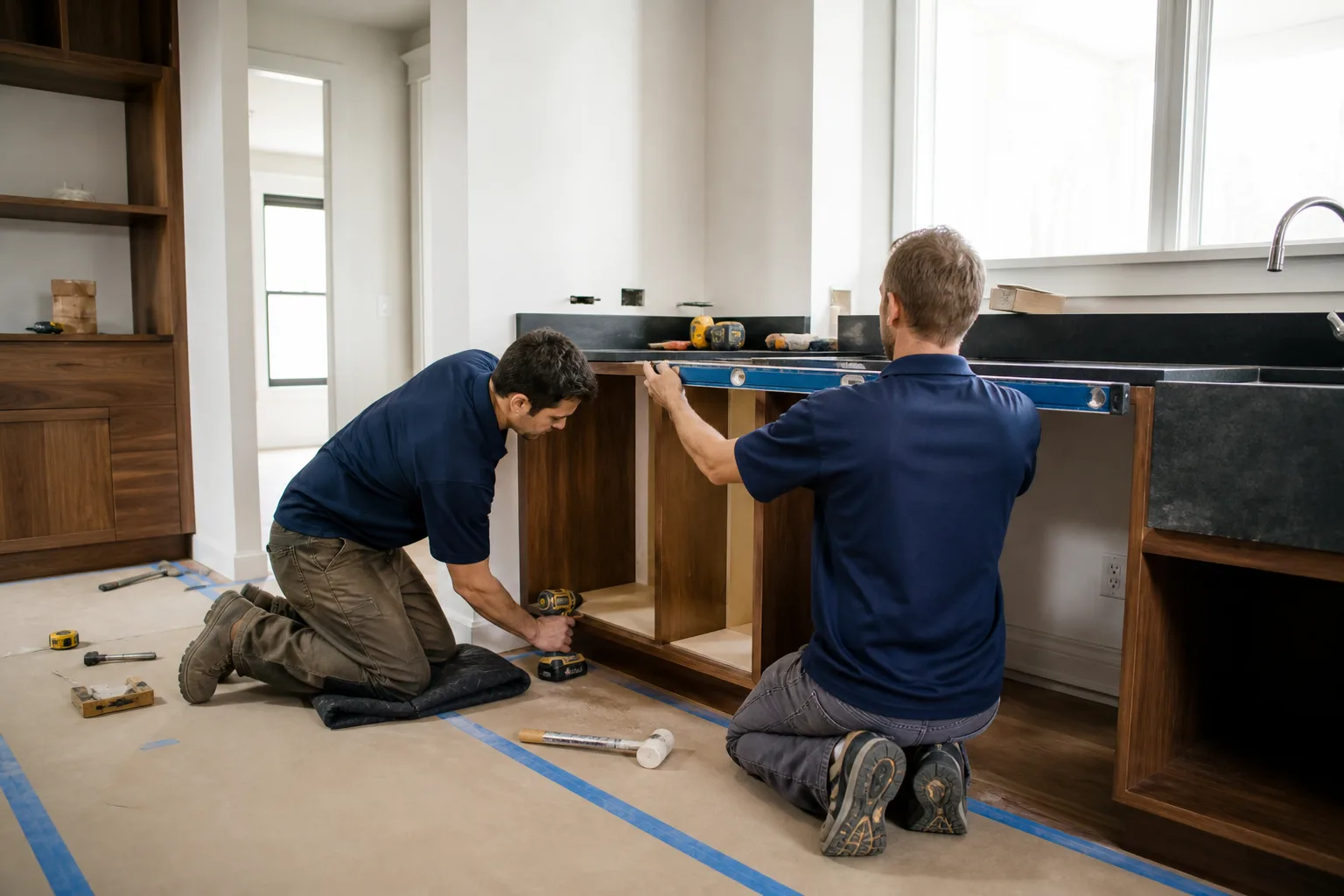
Before we recommend reface or replace, we check the hardware, not the finish. This is the protocol, and it’s the one you should ask any contractor to walk you through:
- Delamination at the bottom of base cabinets. Ground moisture wicks up through the slab and into the cabinet base. Press the bottom panel. If it flexes, crusts, or crumbles at the edge, that box is compromised regardless of how the doors look.
- Swelling at the back panel. Wall moisture shows up as a bowed or bloated back panel, especially on cabinets against the exterior CBS wall. A back panel that’s already failing won’t take new veneer or new hinge anchors cleanly.
- Drawer slide integrity. Pull every drawer. If the slides grind, catch, or the box won’t track square, the hardware has corroded past the point of reuse. That’s a replacement signal in a salt-air home, not a cosmetic issue.
- Square and plumb. Check the box for racking. A cabinet out of square takes new doors poorly – they’ll bind, drag, and pull away from their hinges inside a year.
- Soft spots around anchors. Hinge screws that won’t tighten and slides that won’t hold tell you the box material has lost its grip.
That inspection takes a couple of hours and produces a clear percentage: how many of your boxes pass. In a lot of older Miami homes, it lands somewhere around half. That’s not a sales talk – it’s a measurement. And it’s what determines whether the final number holds.

Reface, Replace, or Partial: The Miami Cost Split
Once the boxes are assessed, the cost picture gets honest. Here’s the range we see, split by scope:
| Scope | What it covers | Miami range |
|---|---|---|
| Reface (sound boxes) | New doors, drawer fronts, veneer, hardware on sound boxes – Wellborn door stock is a common fit | $8,000-$13,000 for a mid-size kitchen |
| Partial replacement + reface | Replace 3-4 damaged base boxes, reface the rest – the most common outcome in older Miami homes | $11,000-$16,000 |
| Full replacement | New KraftMaid cabinetry throughout | $18,000-$28,000 |
For context, a full kitchen remodel in Miami runs $16,520-$53,100 depending on scope, so cabinets are usually the biggest single line. That makes the box condition worth measuring rather than guessing. If the inspection says half your boxes are sound, a partial is the disciplined choice: you’re not paying to throw away good boxes, and you’re not hiding failed ones behind new doors.
Bradford works from a documented roster of name-brand materials – KraftMaid and Wellborn for cabinetry, Cambria and Caesarstone surfaces, Kohler and Moen fixtures – so specifications are traceable instead of left to whatever’s on hand. If you’re planning the whole room, our Kitchen Remodeling page walks through what a full scope looks like.
Why a Written Price Has to Split the Two Scopes
A single lump number for “cabinet work” is where surprise invoices start. When we quote a cabinet job, the written price breaks out the reface scope and the replacement scope for each individual cabinet run. You see the box-condition assessment, you see which boxes passed and which didn’t, and you see the cost of each path – before a single door is ordered. That’s The Garrison Standard applied to a decision that’s easy to fudge: every price and every guarantee in writing, before work starts.
The same discipline covers the crew. Every job runs with background-checked, uniformed technicians, so you know exactly who’s in your kitchen before they arrive. Live person, 24/7, on our line – a real answer, not a callback queue. To see how cabinet work sits inside a broader scope, our home page lays out the full range of projects we take on.
What the 365-Day Done Right Promise Covers Here
A satisfaction promise is vague. A performance promise is testable. On cabinet work, our 365-Day Done Right Promise covers specific, defined failures for a full year after completion:
- Door alignment. Doors that bind, won’t sit flush, or drift out of square after installation are corrected at no charge.
- Hinge function. Hinges that loosen, sag, or stop holding the door in its arc get corrected at no charge.
- Veneer adhesion. Refacing veneer that lifts, bubbles, or peels from the box within the guarantee year is corrected at no charge.
If the work fails inside that window, we come back and make it right. Not a callback to schedule later. A return visit covered by the guarantee. That’s the standard you should hold any refacing crew to before they touch your cabinets.
Key Takeaways
- Decide reface vs. replace by box condition, not budget – in Miami’s CBS homes, roughly half the boxes may fail the structural threshold.
- A sound-box reface runs $8,000-$13,000; a full KraftMaid replacement runs $18,000-$28,000; the partial replacement that’s most common here runs $11,000-$16,000.
- Neither job needs a permit on its own – but moving or adding outlets does, and that surfaces mid-project.
- Demand a box-by-box written price before doors are ordered, and a guarantee that defines what “done right” actually means.
FAQs
In Miami, refacing sound boxes with Wellborn door stock runs $8,000-$13,000 for a mid-size kitchen, while full KraftMaid replacement runs $18,000-$28,000. Partial replacement of three or four damaged base boxes plus refacing of the rest lands at $11,000-$16,000, and that’s the most common outcome we see in older Miami homes. Call (844) 797-4435 for an exact quote – estimates are free, and you’ll get the box-condition assessment in writing.
Yes – a box-condition inspection answers it before you commit to anything. We check delamination at the base, swelling at the back panel, drawer slide integrity, square, and anchor grip, then report the percentage of boxes that pass. If the boxes are sound, refacing is the disciplined call. If they aren’t, you’ll know that before a single door is ordered.
No – neither refacing nor cabinet replacement triggers a Miami-Dade building permit on its own. Adding, relocating, or moving an electrical outlet inside or above the cabinets does, so that scope item gets pulled into the permit process when it surfaces. It shows up mid-project more often than homeowners expect, which is why it belongs in the written scope up front.
Refacing is cheaper when the boxes pass inspection, often by $5,000-$15,000 versus full replacement. But in a CBS ranch home where half the boxes have absorbed decades of humidity, a partial replacement plus reface is usually the honest middle path – it costs less than full replacement and doesn’t hide failing boxes. The cheapest option is the one that matches your actual box condition, and that’s what the written price shows you.
If you’d rather have it looked at, Bradford Remodeling Co Miami offers a no-pressure assessment in Miami – call (844) 797-4435. Our technicians have up to 22 years of experience, and every cabinet decision starts with the box inspection and a written price, not a guess.
Written by the team at Bradford Remodeling Co Miami, serving Miami, FL.