
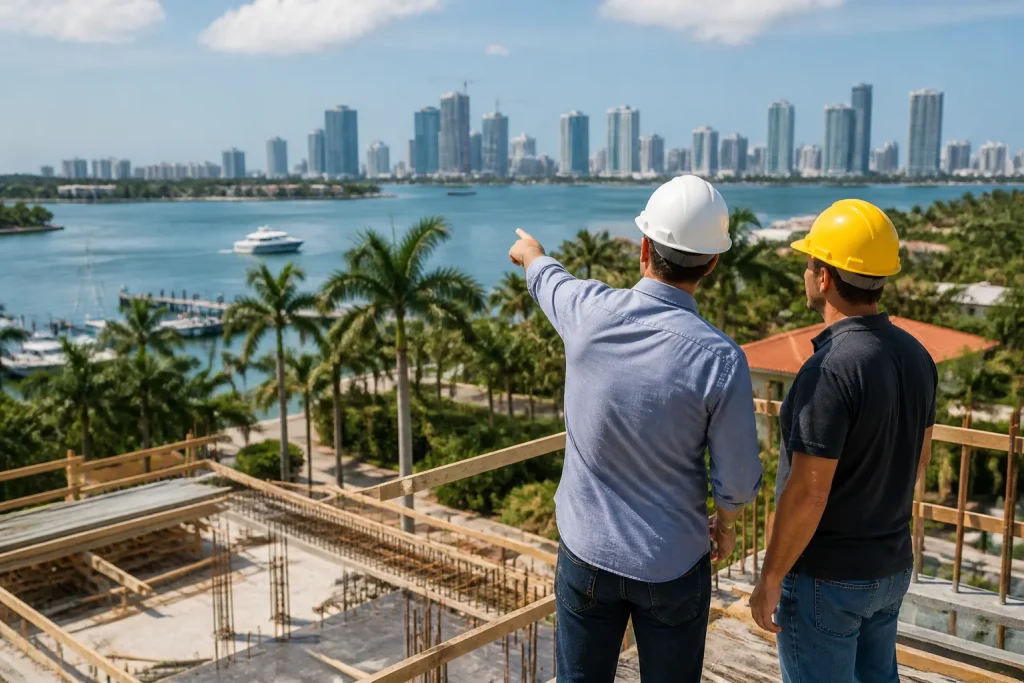
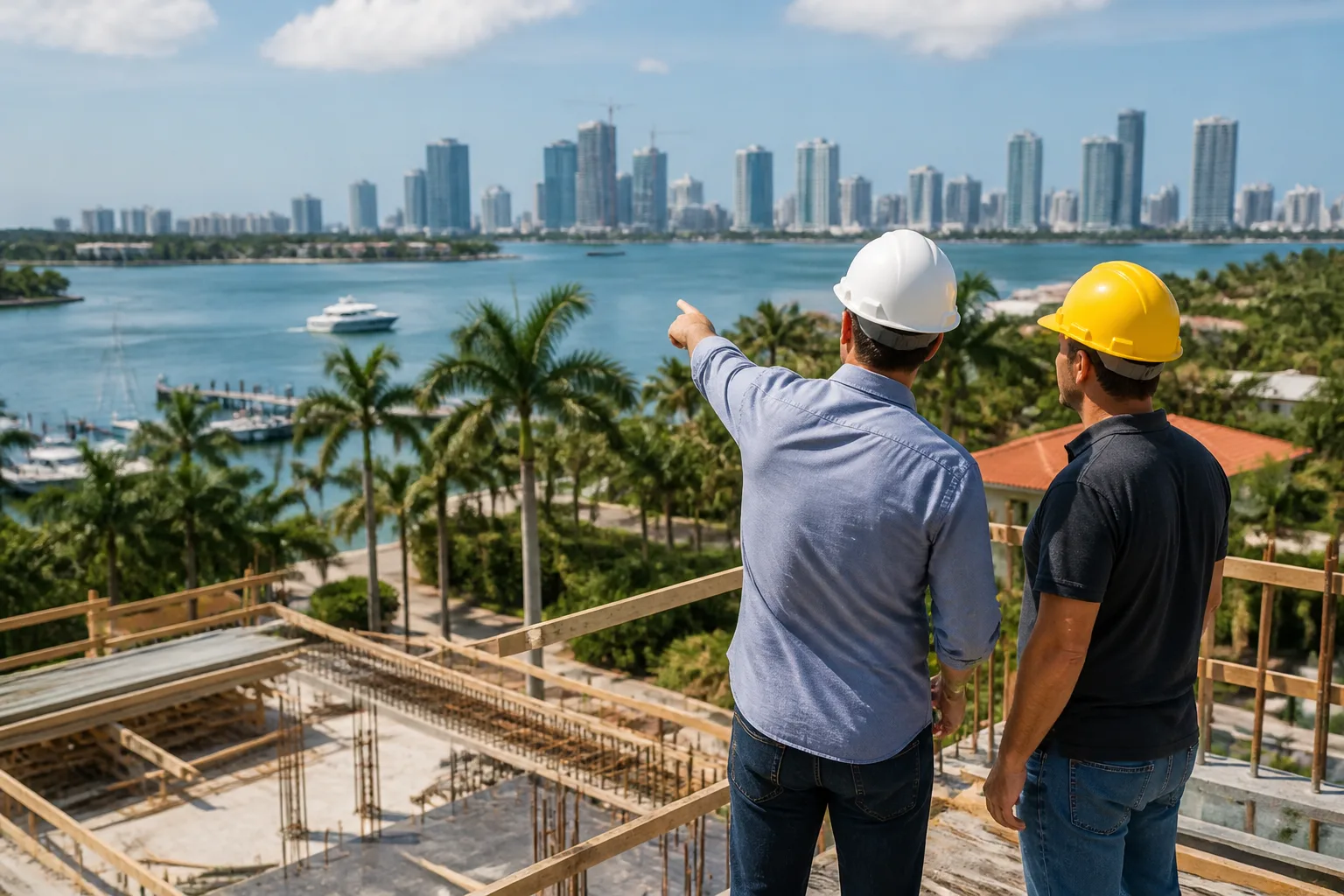
Sakrete General Contractor in Miami: A Homeowner’s Guide
If you searched “Sakrete contractor Miami,” you’re not looking for a brand rep. You’re looking for someone qualified to pour, patch, or repair concrete and masonry. Those are two very different license categories in Florida, and mixing them up is how homeowners end up with a cracked pool deck and no one to call. Sakrete makes the bagged material. It doesn’t install it, warranty the work, or tell you who’s allowed to. That’s on you to verify before anyone shows up with a mixer. If you’d rather skip the guesswork, call us at (844) 797-4435 and we’ll walk you through what your project actually needs.
What Is Sakrete Actually Used For in a Miami Home?
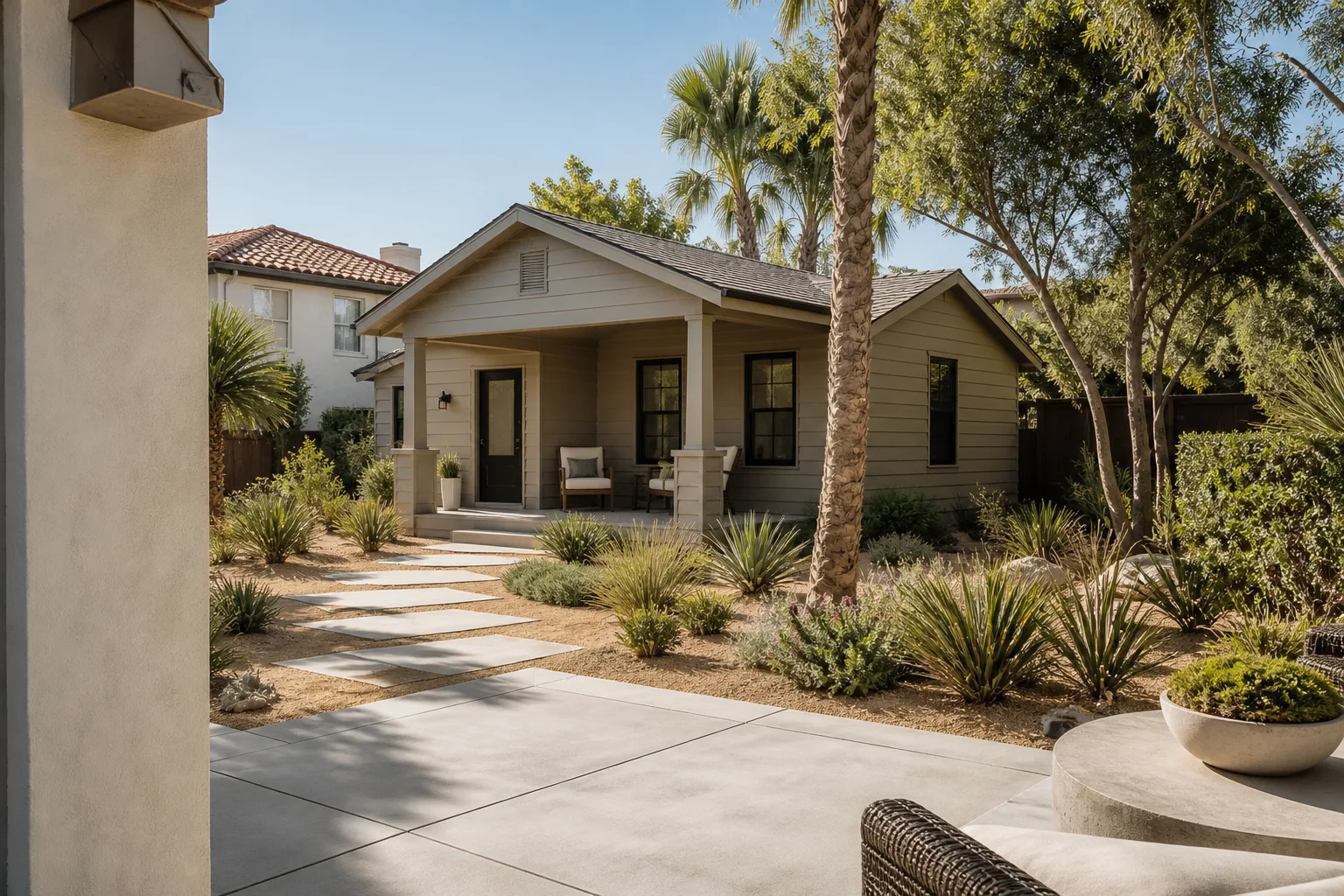
Sakrete is a brand of packaged concrete, mortar, and stucco mixes sold at home centers. In residential remodeling around Miami, you’ll see it used for concrete repair, mortar beds, stucco patching, and small flatwork like walkways and stoops. Homeowners often assume that buying the bag means the hard part is handled.
It doesn’t. The bag is the easy part. The work is the prep and the finish: what the mix is poured over, how it cures in Miami heat and humidity, and whether it’s tied into existing structure correctly. A bag of Sakrete over a loose slab in Little Havana will fail in one wet season. Set correctly over a properly prepped substrate, it can last for decades.
Here’s what those products commonly get used for in Miami-Dade homes:
- Concrete repair: patching spalled or cracked slabs, driveways, and stoops.
- Mortar: laying block, resetting pavers, repointing joints in CBS walls.
- Stucco: patching exterior wall damage, especially after storm season.
- Flatwork: small slabs, walkways, and pads where a truck delivery doesn’t make sense.
Each one falls under a different license class in Florida. That’s the part most homeowners miss.
Which Florida License Covers Concrete and Masonry in Miami-Dade?
Florida separates general contracting from specialty trades. A Certified General Contractor (CGC) can take on whole structures. A specialty mason, concrete contractor, or stucco contractor holds a narrower license that covers their specific scope. A handy “concrete guy” with a truck and no license is neither.
Why it matters in Miami specifically: work that touches structural block, load-bearing walls, or hurricane-rated assemblies usually needs a licensed contractor and permits from Miami-Dade County. Cosmetic patching often doesn’t. The line between the two is where things get expensive.
When each hire is right:
- General contractor: CBS wall repair that involves structure, additions, or anything connected to wind-load ratings. Also right when the concrete work is one piece of a larger remodel and you want one scope and one warranty.
- Specialty masonry/concrete subcontractor: standalone flatwork, pool deck resurfacing, non-structural repointing, small stucco repairs. These trades do one thing well and often carry a narrower warranty.
A qualified general contractor in Miami coordinates the specialty trades and carries the contract for the whole job. That’s the arrangement we recommend for anything structural. One contract means one party accountable when something goes wrong.
Miami-Specific Concrete Work: CBS Walls, Storm Patching, and Pool Decks

Concrete work in Miami isn’t the same as concrete work in Kansas. Three local situations come up again and again, and each carries code considerations homeowners don’t expect.
CBS wall repair
Most mid-century Miami homes are built with concrete block structure, or CBS. The block and the stucco over it move at different rates as they expand and contract in heat. That’s why you see hairline cracks across so many Miami walls. What looks cosmetic can sometimes signal a settlement issue or water intrusion behind the block. A licensed contractor should be the one to make that call, not a homeowner with a tube of caulk.
Hurricane damage patching
Patching a wall after a storm is rarely just a patching job. If the damaged section is part of the building’s wind-resistance envelope, the repair should restore the original rating. That usually means permits, inspection, and documented materials. It also means using a contractor insured to work on structural elements, which is not always the guy who shows up first after a storm.
Pool deck resurfacing
Miami pool decks take relentless sun, chemical splash, and rain. Resurfacing is a common project, and it’s also one where the substrate matters more than the topcoat. If the surface isn’t removed or properly prepped first, the new finish fails within a year. There’s no product that skips that step, Sakrete included.
How Do You Verify a Contractor’s Scope Before Hiring in Miami?
Verification is mostly paperwork, and it’s free. In our experience, most homeowners skip it because they don’t know what to ask for. Here’s a short process:
- Ask for the license number and check it yourself. Florida’s state licensing database will show whether the contractor holds a general or specialty license, and what the license covers.
- Ask whether the work needs a permit. In Miami-Dade, most structural concrete, new flatwork, and pool deck work do. A contractor who sighs at that question is a red flag.
- Ask who’s doing the actual work. A licensed GC may coordinate a masonry subcontractor. Confirm the sub is licensed and insured too, not just the general.
- Ask for the written scope before signing anything. If the answer is “we’ll figure it out when we’re there,” walk.
- Confirm insurance and workers’ comp. Ask for the certificate. If a worker is hurt on your property without coverage, it becomes your problem.
We pulled one out of a garage over in Kendall last summer where the “contractor” quoted a CBS wall repair with no license and no permit. The homeowner caught it on step one. That’s the entire point of checking.
What a Written Scope Should Specify for Concrete and Masonry Work
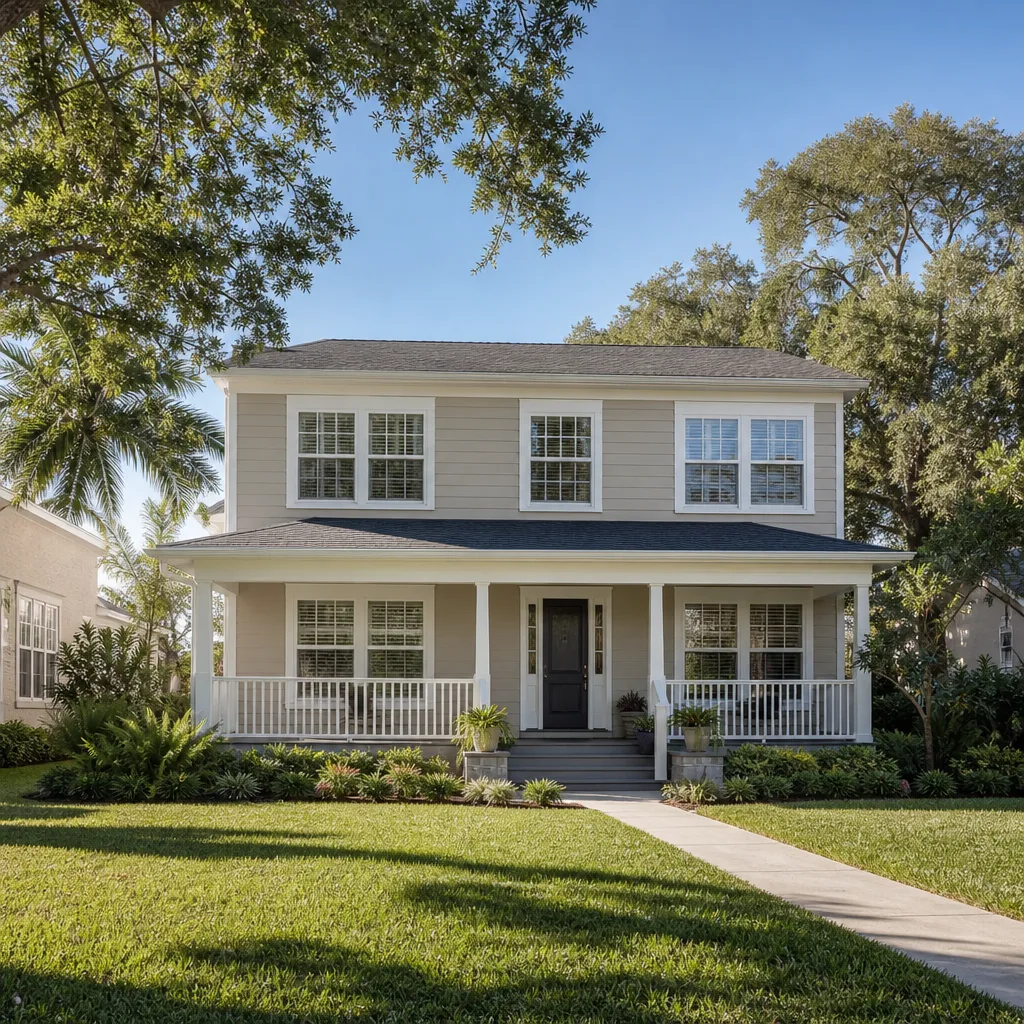
A written scope for structural repair or flatwork isn’t a one-line estimate. It should say exactly what’s going in, how long it cures, what gets inspected, and what’s guaranteed. If a contractor won’t put it in writing, that’s the whole answer.
Items that belong in the document:
- Mix specification: which product, which strength, and what it’s used for. “Concrete” is not a spec.
- Substrate prep: what’s being removed, chipped, or bonded before the new material goes down.
- Cure time and weather plan: in Miami’s humidity, cure and finish windows matter. A written plan prevents the “we’ll come back Monday” that turns into three weeks.
- Inspection hold points: when the county inspects and who schedules it.
- Warranty language: exactly what’s covered and for how long. This is where a real guarantee sits on paper, not in conversation.
Our own scope document also puts the price in writing before any tool comes out. If a number moves at the door, that’s not a scope, it’s an opening bid. Real written pricing holds. So does real warranty language. Bradford Remodeling backs every completed project with the 365-Day Done Right Promise: if the work fails inside that window, we come back and correct it at no charge. That only works if the scope was specific enough to know what “fail” means, which is why the document matters as much as the finish.
Related services in Miami: if your concrete work is part of a bigger remodel, see our General Contractor in Miami page for how we coordinate trades and permits, or our Bathroom Remodeling in Miami page for wet-area concrete and tile work.
When to Call a Pro for Concrete and Masonry in Miami
Some patching is genuinely a homeowner project. Re-morting a falling paver on a garden path, or filling a cosmetic crack, doesn’t need a contractor. Anything else does. Call a professional when the work touches structure, involves CBS walls, requires a permit, sits inside the wind-resistance envelope, or connects to a hurricane-rated assembly. Call too when the surface area is large enough that poor prep would be expensive to fix later. A pool deck in Miami is a good example. Small mistakes on a 900-square-foot surface are not small.
The other cue is paperwork. If the job needs a permit and a licensed contractor to sign the contract, and the person quoting you can’t produce both, the answer is simple. If you’re not sure which category your project falls into, that’s a reasonable reason to call. We answer live, day or night, and we can tell you in a short conversation whether it’s a contractor job or a weekend project. Our technicians have up to 22 years of experience with this work, and the honest answer is cheaper for everyone than the wrong hire.
The Bottom Line
Sakrete is a material brand. It isn’t a contractor, and the brand name on the bag doesn’t tell you who’s licensed to install it. In Miami, concrete and masonry work splits across license categories, and the wrong hire is expensive to unwind. What you do control is the paperwork: verify the license, confirm the permit, and demand a written scope before work starts. Then hold the contractor to the warranty on paper.
If you’re in Miami and need help sorting out concrete, masonry, or a larger remodel, Bradford Remodeling Co Miami offers free estimates. Call (844) 797-4435 to schedule yours. We answer live, and the price you get is the price on the contract.
Frequently Asked Questions
Not for small, non-structural repairs you’re doing yourself. Yes for anything structural, anything that requires a permit in Miami-Dade, or anything connected to a CBS wall or wind-resistance envelope. When in doubt, ask the county or call us.
A Florida Certified General Contractor can take on broader scopes, including coordinating concrete and masonry trades. A specialty contractor stays within their trade. For structural or permit-heavy work in Miami, a general contractor who coordinates licensed subs is usually the cleaner arrangement.
It depends on scope, permits, and access, but here’s the honest structure: small cosmetic patching runs lower; CBS wall repair and pool deck resurfacing sit higher because of prep, permits, and cure time. Call (844) 797-4435 for a written range that actually matches your job, and expect the price on the contract to hold.
It should cover the finished work failing within a defined period, in writing, with a clear definition of what “failing” means. Bradford Remodeling’s 365-Day Done Right Promise covers every completed project for a full year; if it doesn’t hold, we return and correct it at no charge.
Sakrete makes repair and topping mixes that get used in pool deck work, but the product is the least important part of the job. Substrate prep and cure in Miami’s heat and humidity matter more than the bag label. That’s why pool deck work usually belongs with a licensed contractor, not a weekend patch.
Related reading: our Bradford Remodeling Co Miami home page covers how we run every project, and our Kitchen Remodeling in Miami page walks through how concrete and utility work fit a full kitchen rebuild.
Written by the team at Bradford Remodeling Co Miami.
Need Construction Help?
Call Bradford Remodeling Co Miami - licensed & insured, here with fast after-hours help in Miami.
(844) 797-4435