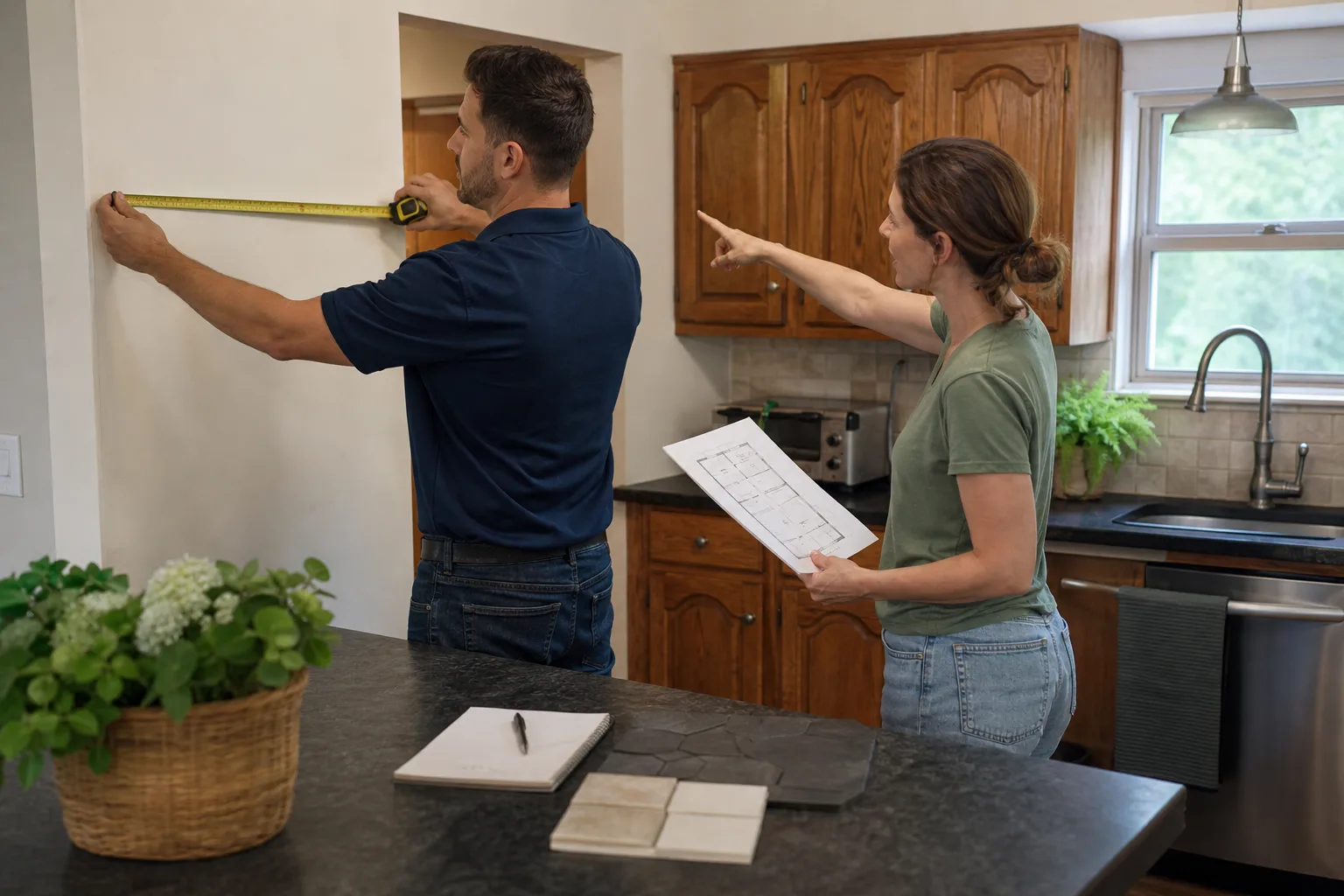



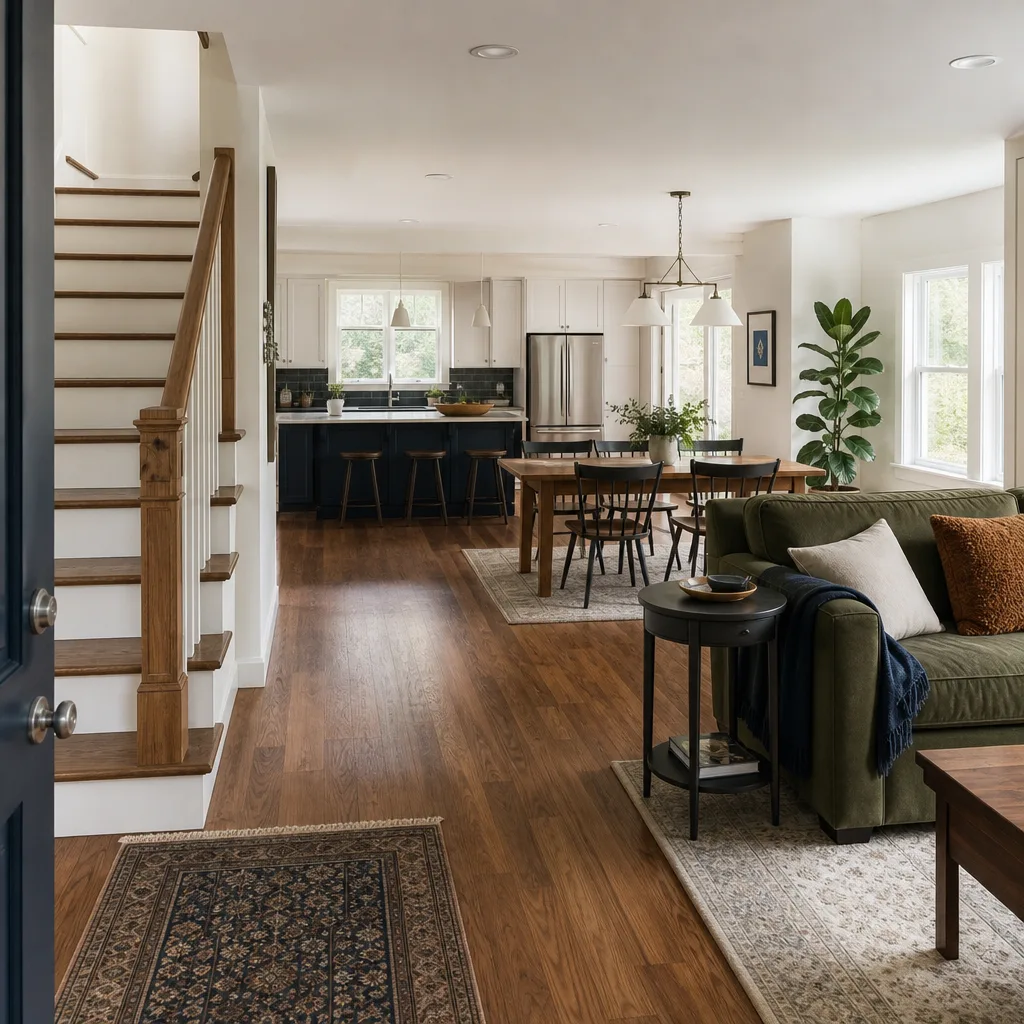
Free written scope consultation - allowances, timeline, and change-order rules on paper before a single trade is scheduled
Styles & brands we work with
- Kitchen remodeling
- Bathroom remodeling
- Home additions & ADU
- Roofing
- Windows & doors
- Driveway & pavers
- Fence
See the difference
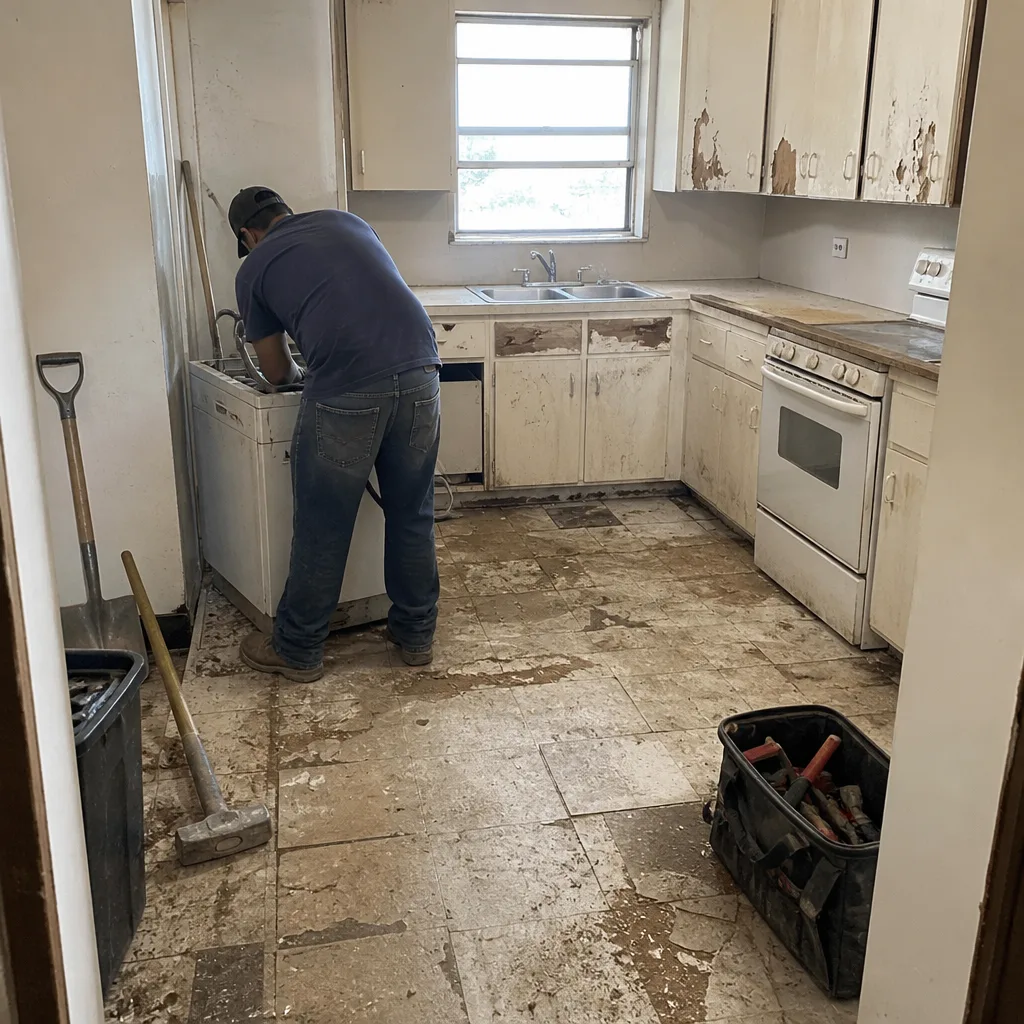 Before
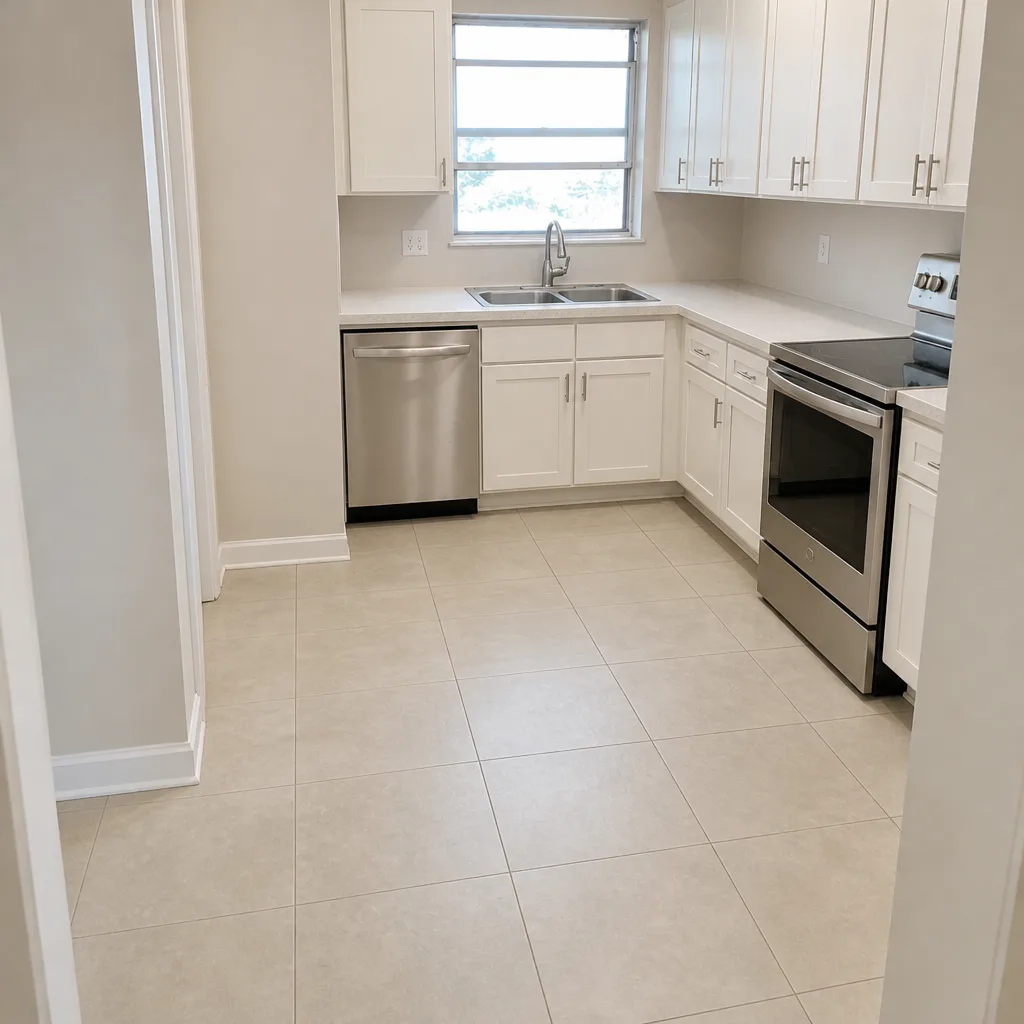 After
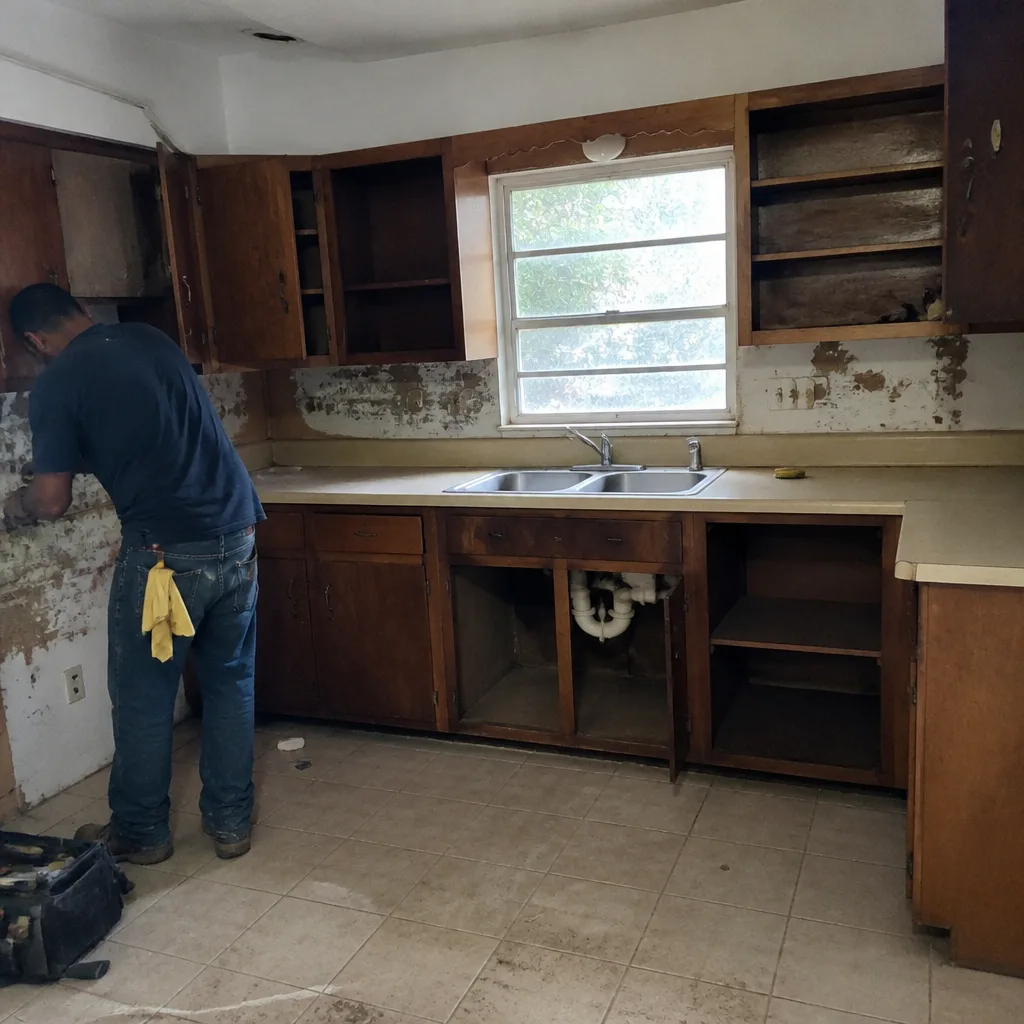 Before
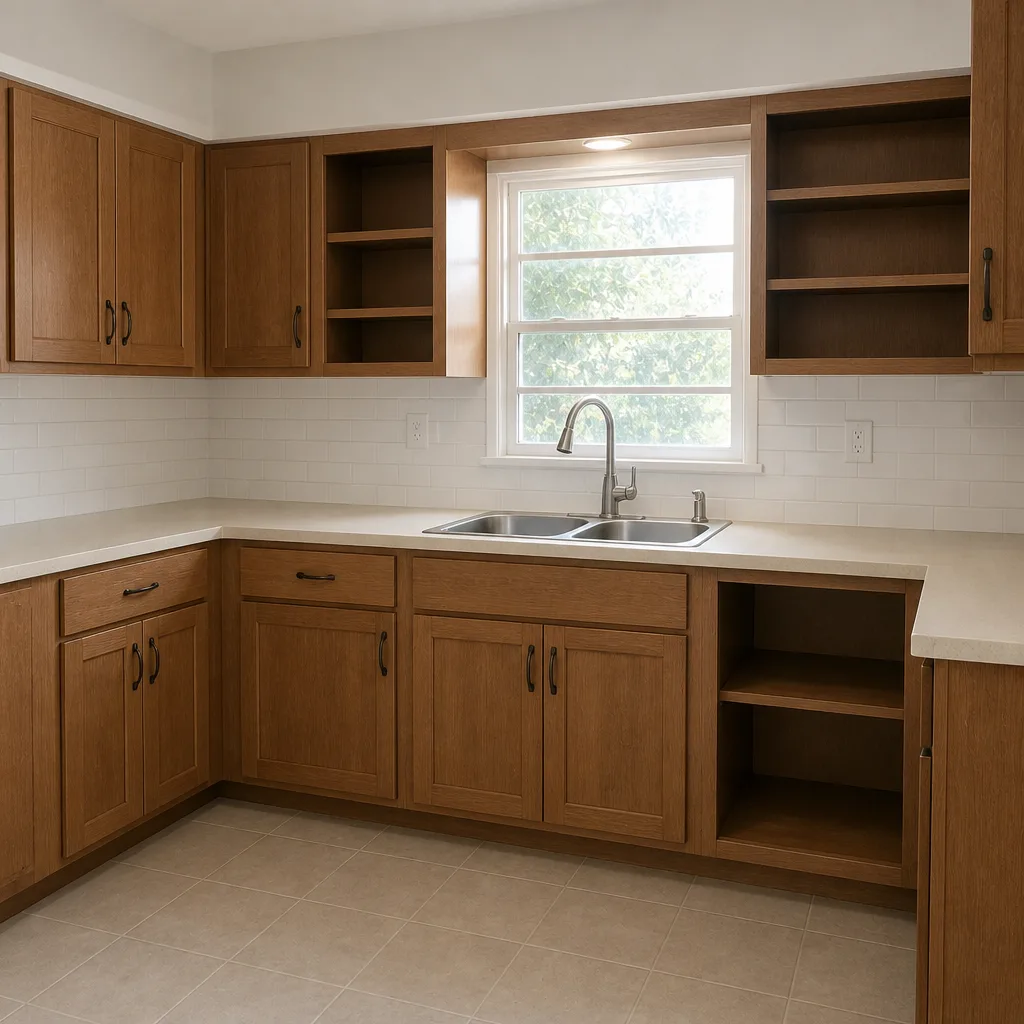 After
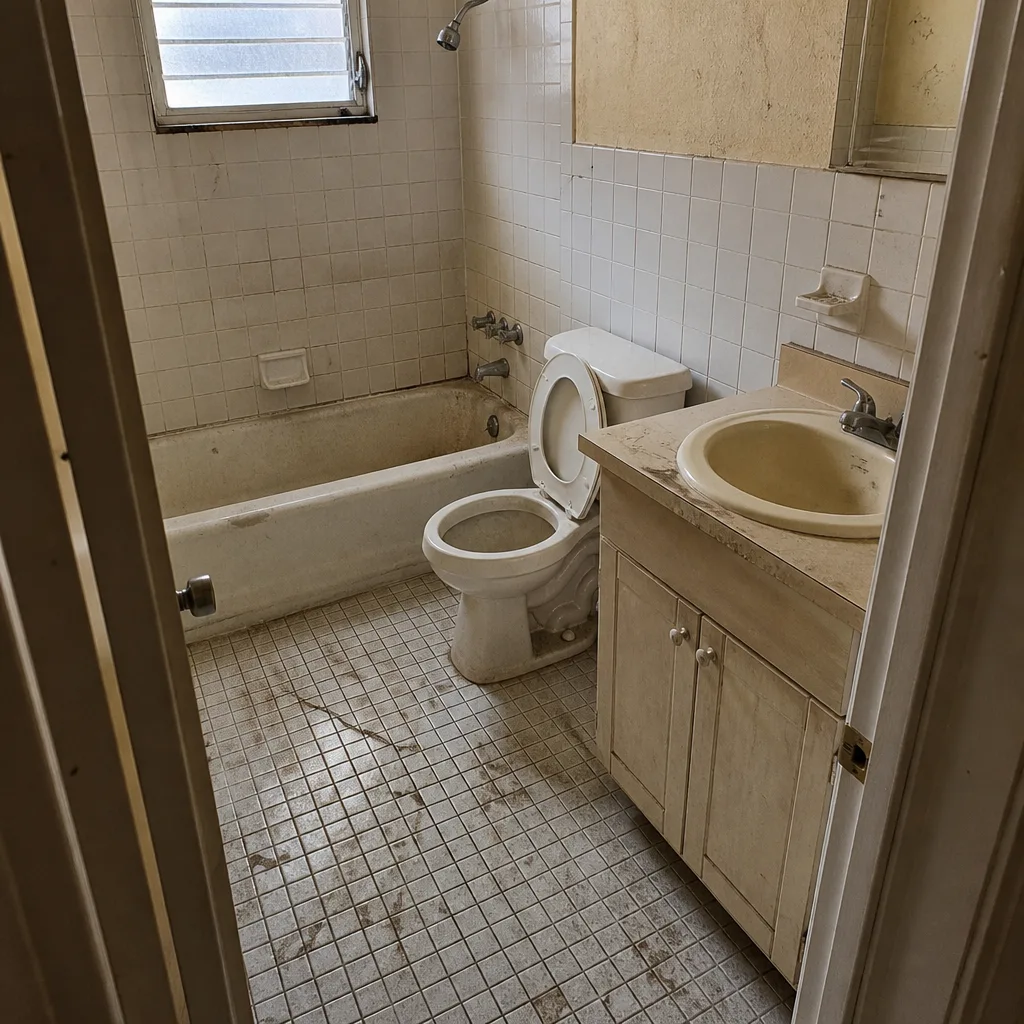 Before
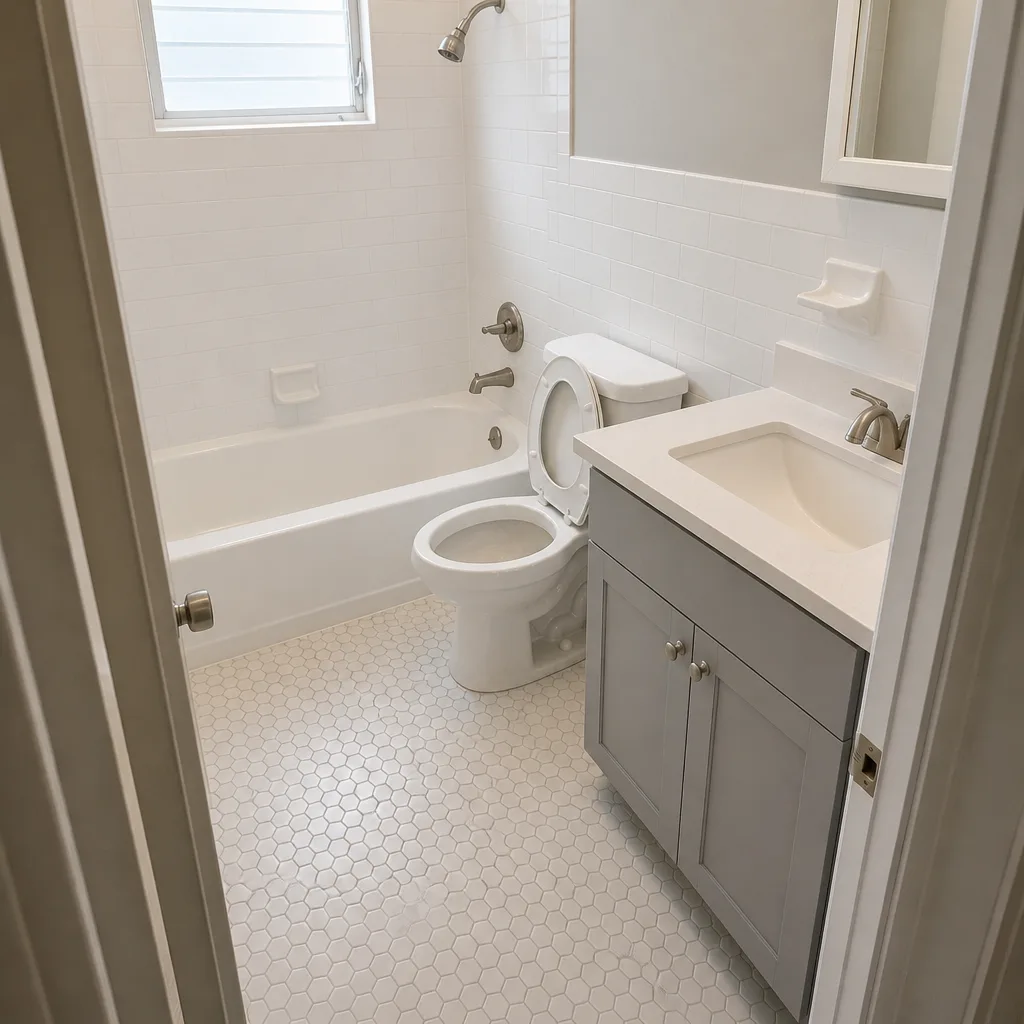 After
How to Choose a General Contractor in Miami, FL: Start With the NOA Number
Ask any contractor you’re interviewing in Miami to name the Miami-Dade NOA number on the windows or roofing they plan to use. That single question filters the field faster than reviews or portfolio photos ever will. If they hesitate, change the subject to price, or tell you the supplier “handles that,” you’ve just learned something a five-star review never told you. A valid Notice of Acceptance for the exact materials going into your home is the clearest proof a contractor actually works inside Miami-Dade’s High Velocity Hurricane Zone rules rather than around them. If you want to talk it through before you start calling references, our line is live at (844) 797-4435.
This is the check that separates the general contractor from the salesman. In most of Florida, a good contractor is judged on craftsmanship, communication, and price. In Miami, before any of that matters, your project has to survive the strictest wind-load and product-approval regime in the country.
What Is the HVHZ, and Why Does It Change How You Vet a Contractor?
Miami-Dade’s High Velocity Hurricane Zone building code governs wind-load ratings, roof nailing patterns, and impact-rated assemblies. Every window, door, and roof system has to carry a Miami-Dade NOA number confirming it’s approved for use inside that zone. Get this wrong and your permit stalls, or worse, your structure fails inspection after the drywall is up.
The most useful part: Miami-Dade’s Product Control database is public. You don’t have to take anyone’s word for it. Look up any NOA number yourself and confirm the product, the approval, and the expiration. A contractor who hands you those numbers before you sign is showing you their compliance work, not just promising it. One who can’t produce them is either passing the paperwork to a sub who may never do it, or skipping it entirely. Both paths put your permit at risk.
This is why Bradford Remodeling Co Miami documents material specs at the product level, so a window replacement or roof job is traceable to the exact approved assembly. Our technicians have up to 22 years of experience reading these submittals, and it shows up at the permit desk.
Which Licenses and Insurance Do You Verify Before Signing in Miami-Dade?
You need to confirm two things, not one: a Certified General Contractor (CGC) license issued by the Florida DBPR, and a Miami-Dade County registration. The state license alone is not enough to pull permits here. The county registration is a separate step, and a contractor missing it can’t legally run your job through the local building department.
Here’s what to check before you sign anything:
- DBPR license lookup: Pull the CGC number and confirm status is active, not delinquent or expired.
- Miami-Dade registration: Confirm the contractor is registered with the county, not just the state.
- Certificate of insurance: Ask for the COI directly from the carrier, not a photocopy the contractor emails you.
- Workers’ comp and liability: Both should be current for the crew who will actually be in your home.
Background-checked, uniformed technicians are part of our standard on every job, so you know who’s walking through your door before the crew arrives. That’s the baseline, not a selling point.
The Flood Zone Question Most Miami Contractors Hope You Don’t Ask
In Miami Beach and parts of Little Havana, a lot of older homes sit in a FEMA AE flood zone. That changes your renovation scope in a way mainland contractors rarely budget for: electrical panels, mechanical equipment, and sometimes HVAC systems have to be elevated or flood-proofed above base flood elevation. It’s a permit-driven cost, and it’s not optional.
So ask straight out: “How do you handle base flood elevation for mechanical and electrical systems on this project?” If the answer is a blank stare or a vague “we’ll figure it out,” that’s disqualifying. A contractor who has actually worked these neighborhoods will tell you the requirements, the elevation target, and how it affects your rough-in and inspection sequence.
Miami’s housing stock makes this trickier. You’re working across three structural vocabularies: 1920s Mediterranean-revival and Art Deco masonry in Miami Beach and Little Havana, post-war concrete block and stucco ranches across the west and south, and post-2000 high-rise and infill townhomes downtown and in Brickell. Each demands different tie-downs, waterproofing, and envelope work. Year-round humidity, UV, and salt air also drive corrosion-resistant fasteners and robust flashing. A general contractor who can’t speak to those conditions in your specific building type is guessing.
Why the Low Bid Usually Costs More in Miami
The cheapest quote in Miami is often cheap because it leaves things out: permit fees, NOA compliance documentation, sub-trade coordination, flood-zone elevation work. On paper it looks like a deal. After the first failed inspection, that deal evaporates.
Here’s how the numbers actually land for common projects, so you can spot a quote that’s missing scope:
| Project | Typical Miami range |
|---|---|
| Kitchen remodel | $16,520-$53,100 |
| Bathroom remodel | $10,620-$33,040 |
| Roof replacement | $9,440-$23,600 |
| Impact window installation | $9,440-$29,500 |
| Home addition | $53,100-$153,400 |
When a bid lands well under these ranges, ask which line items were dropped. A written price before work starts, with the scope spelled out, is how you compare apples to apples. That’s the core of The Garrison Standard we operate under: no numbers that move at the door, documented brand specs (Therma-Tru doors, impact-rated glazing, GAF roofing among them), and a written price in hand before a tool comes out. Our team is part of the Garrison Partners family, held to that same written standard.
The home remodeling services we coordinate all run through that same due-diligence sequence, so compliance paperwork never becomes an afterthought.
What Should Be in Writing Before the First Tool Comes Out?
Everything below should be in your hand, signed, before work begins. If any piece is missing, you have leverage to ask for it now rather than after a dispute:
- Written price and scope, line by line, including permits and sub-trades.
- Material specs with model or SKU level detail, plus the NOA numbers for impact products.
- Flood-zone handling, if applicable, spelled out in the scope.
- The guarantee term, written down, with what it covers and for how long.
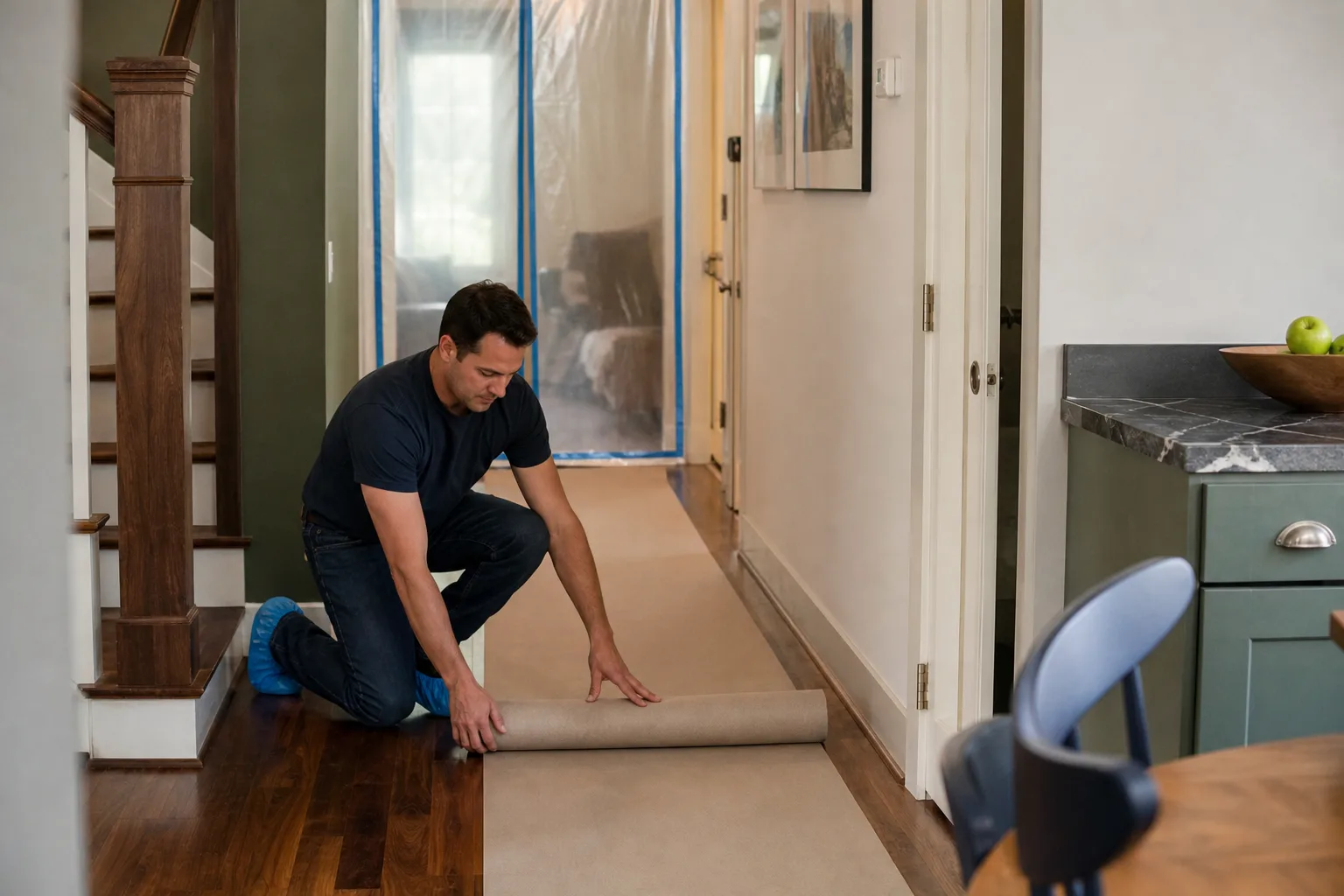
- A clean-site commitment and a documented close-out walkthrough.
Our 365-Day Done Right Promise is the written guarantee behind every completed project: if the work fails within that first year, we come back and correct it at no charge. That’s a full-year warranty in writing, not a verbal “we stand behind our work.”
Frequently Asked Questions
Look up the CGC number on the Florida DBPR site to confirm an active state license, then separately confirm Miami-Dade County registration. Both are required to pull permits here, so verify each one before you sign a contract. Call (844) 797-4435 if you’d like us to walk you through what a valid pair looks like.
A NOA (Notice of Acceptance) number confirms a specific product, such as impact windows or roofing, is approved for use in the High Velocity Hurricane Zone. You can verify any NOA in Miami-Dade’s public Product Control database. A contractor who provides those numbers upfront is showing genuine compliance work. Estimates are free if you’d like your project’s specs reviewed.
Yes, if your home sits in an AE zone like parts of Miami Beach or Little Havana, your renovation scope usually has to elevate or flood-proof electrical and mechanical systems above base flood elevation. Ask your contractor directly how they handle it. If they can’t answer, that’s a disqualifying sign. Call (844) 797-4435 for an exact scope.
Usually replace, once a roof passes roughly 15 to 20 years in Miami’s UV and salt-air conditions, because repeated repairs stop paying back. Roof replacement runs $9,440-$23,600 here, and metal options run $17,700-$47,200. Call (844) 797-4435 for a written price on your specific roof before you decide.
If you’d rather have it looked at, Bradford Remodeling Co Miami offers a no-pressure assessment in Miami - call (844) 797-4435 and we’ll put the price and the guarantee in writing before anything starts.
Written by the team at Bradford Remodeling Co Miami, serving Miami, FL.