


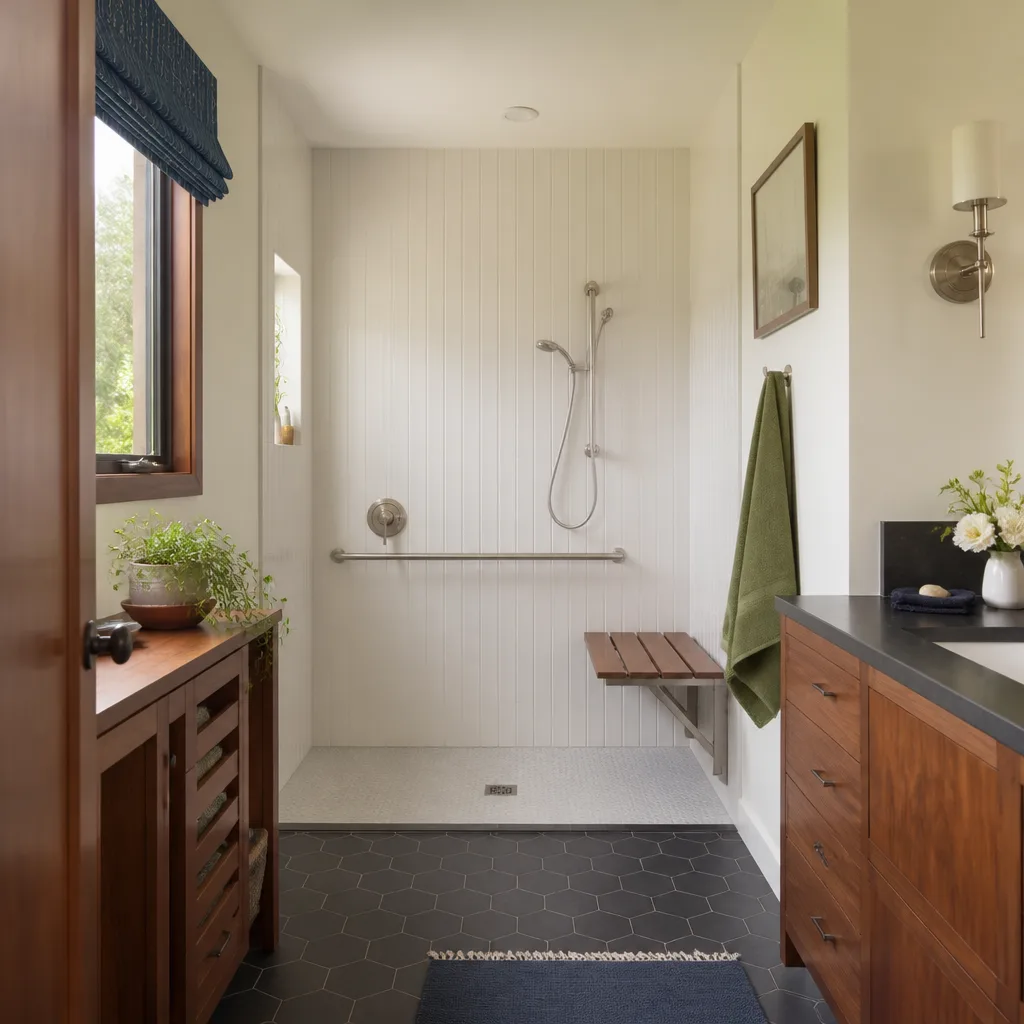
Free written scope consultation - allowances, timeline, and change-order rules on paper before a single trade is scheduled
Styles & brands we work with
- Kitchen remodeling
- Bathroom remodeling
- Home additions & ADU
- Roofing
- Windows & doors
- Driveway & pavers
- Fence
See the difference
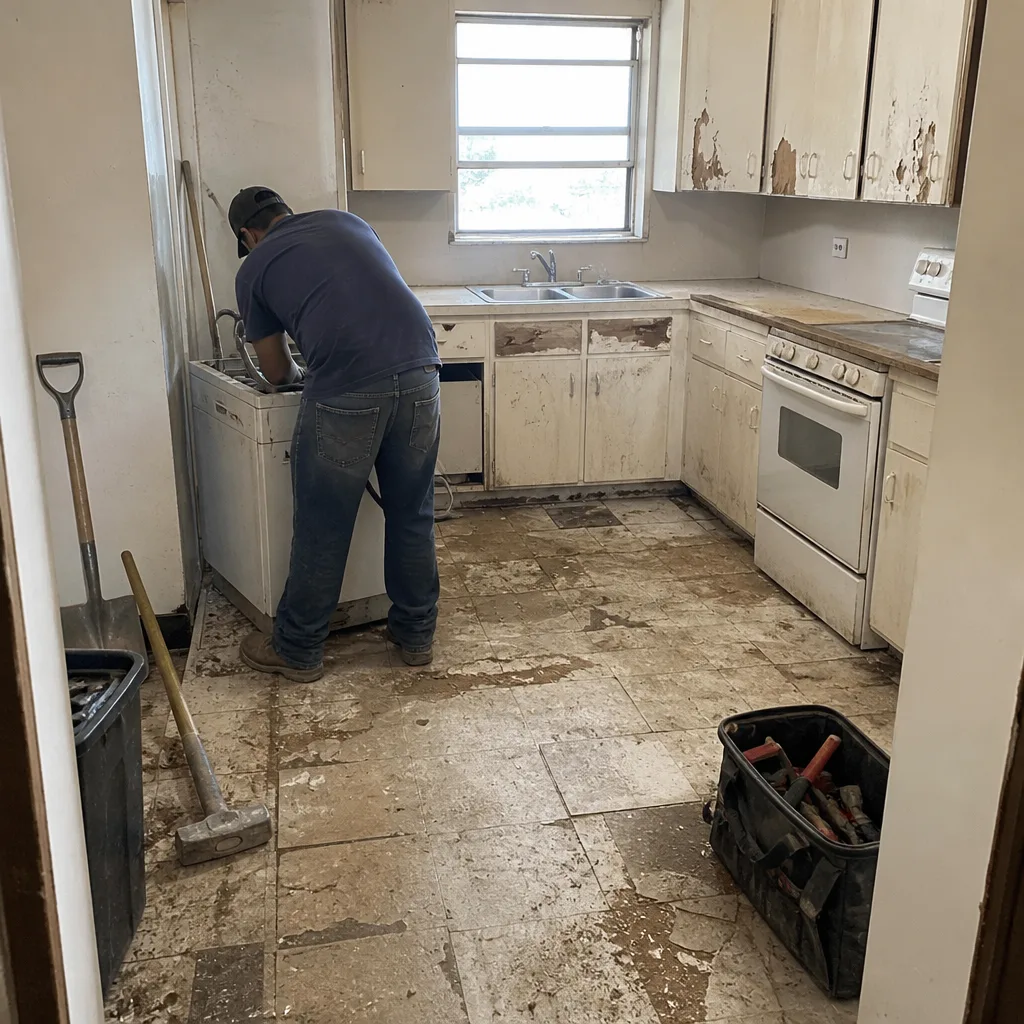 Before
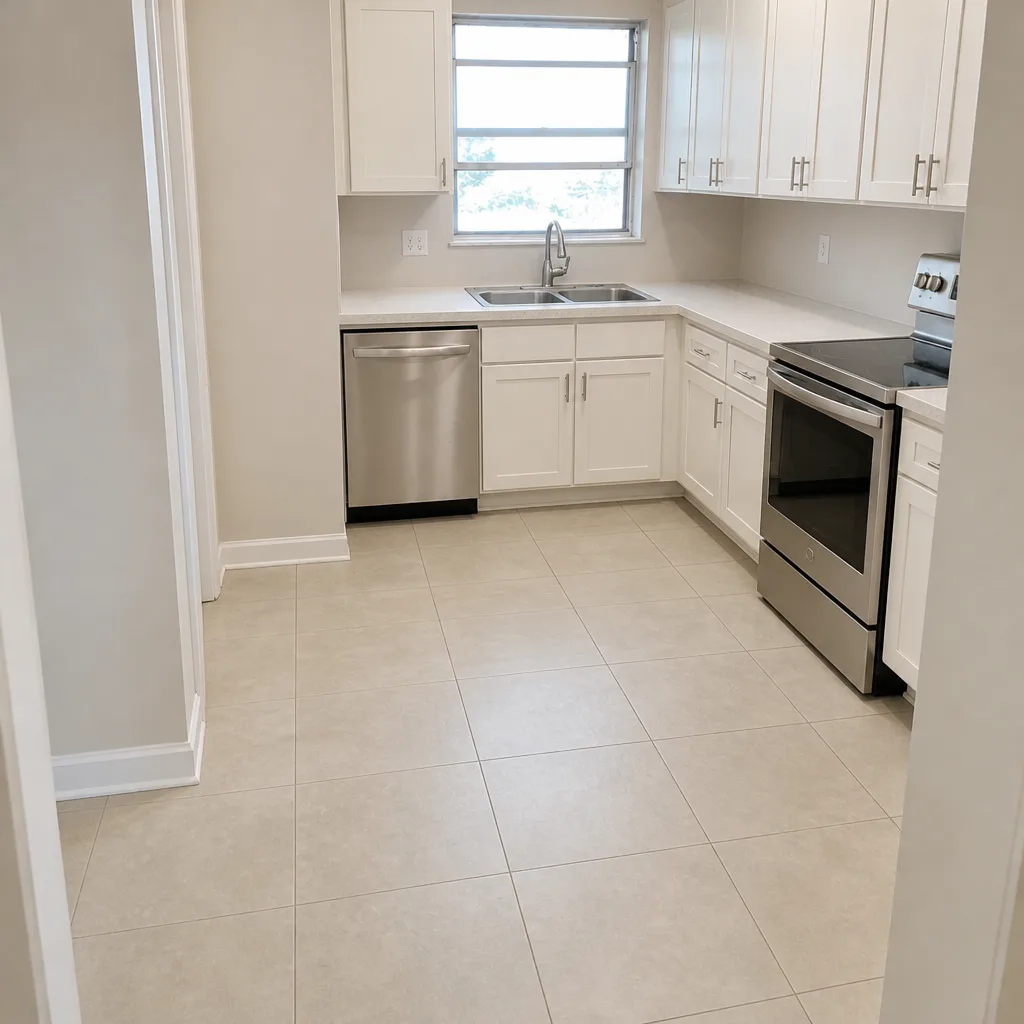 After
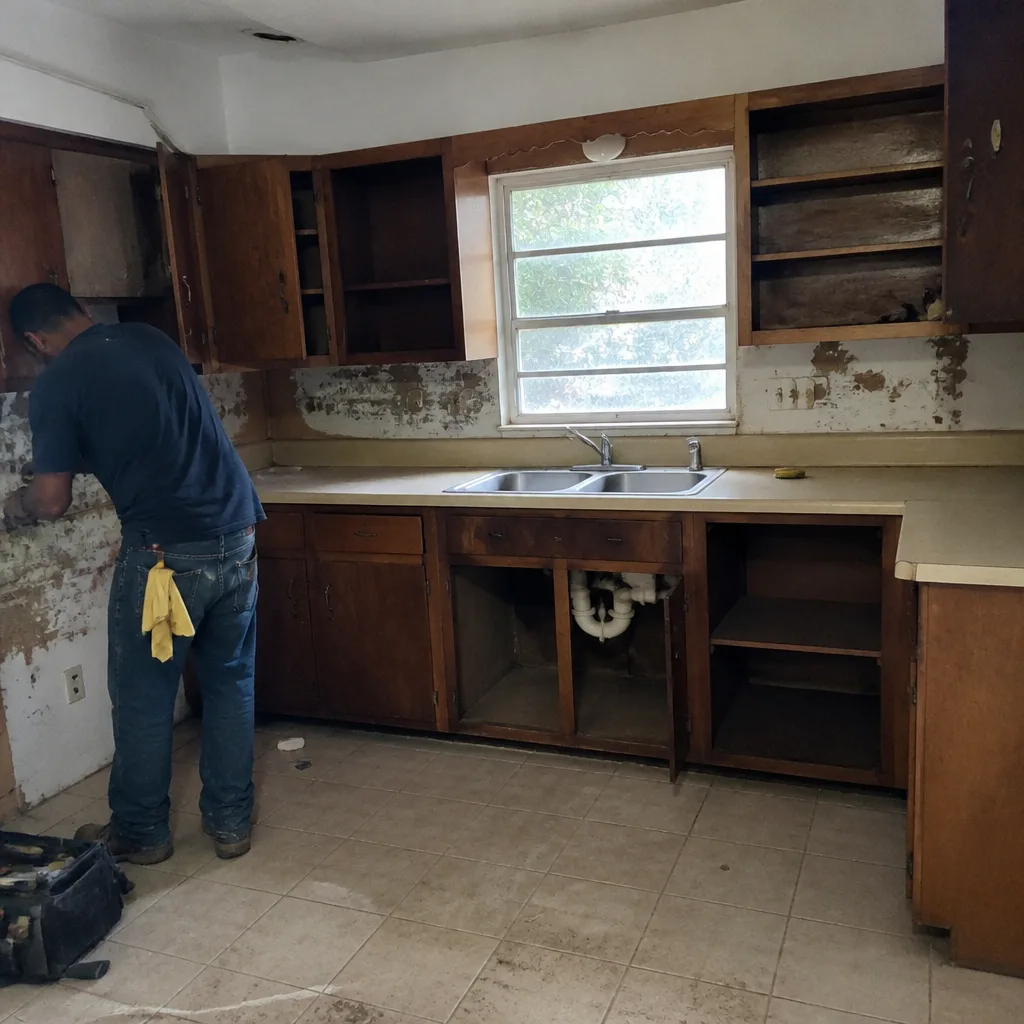 Before
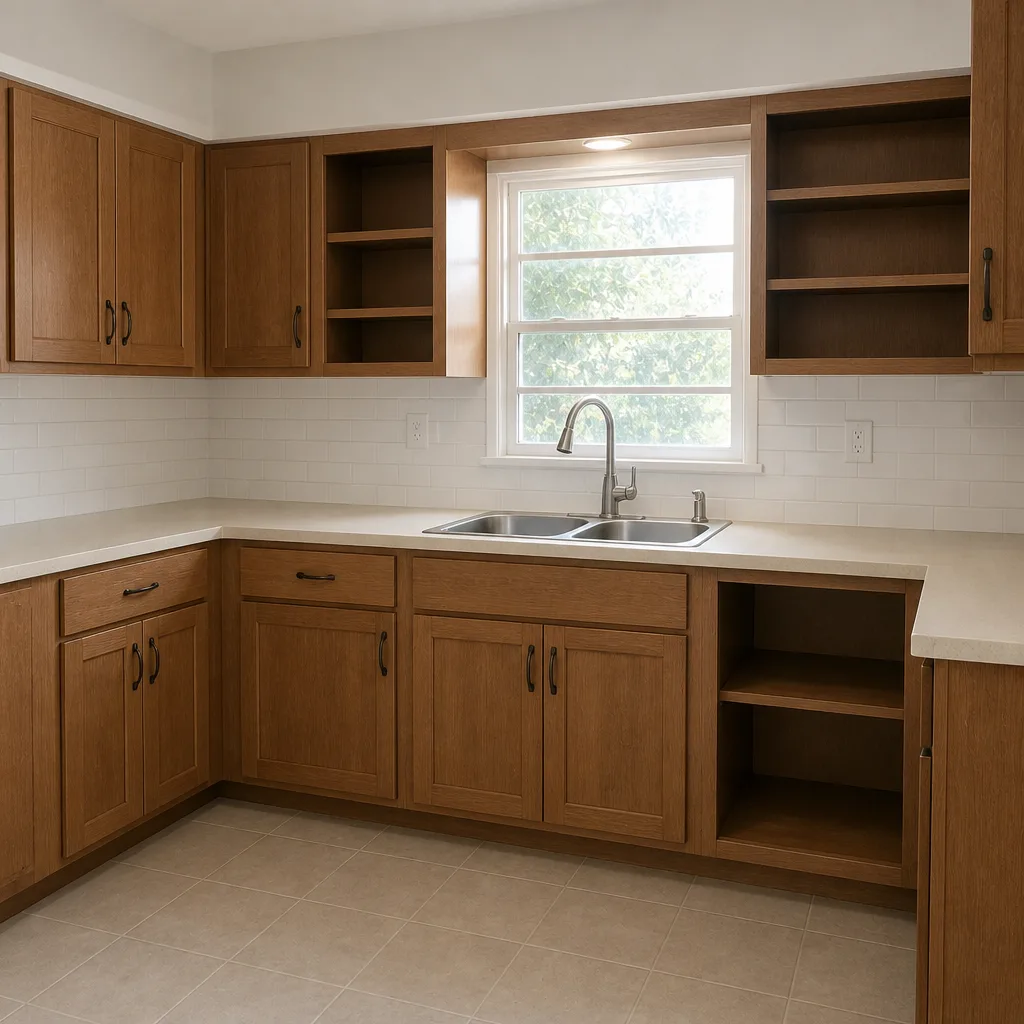 After
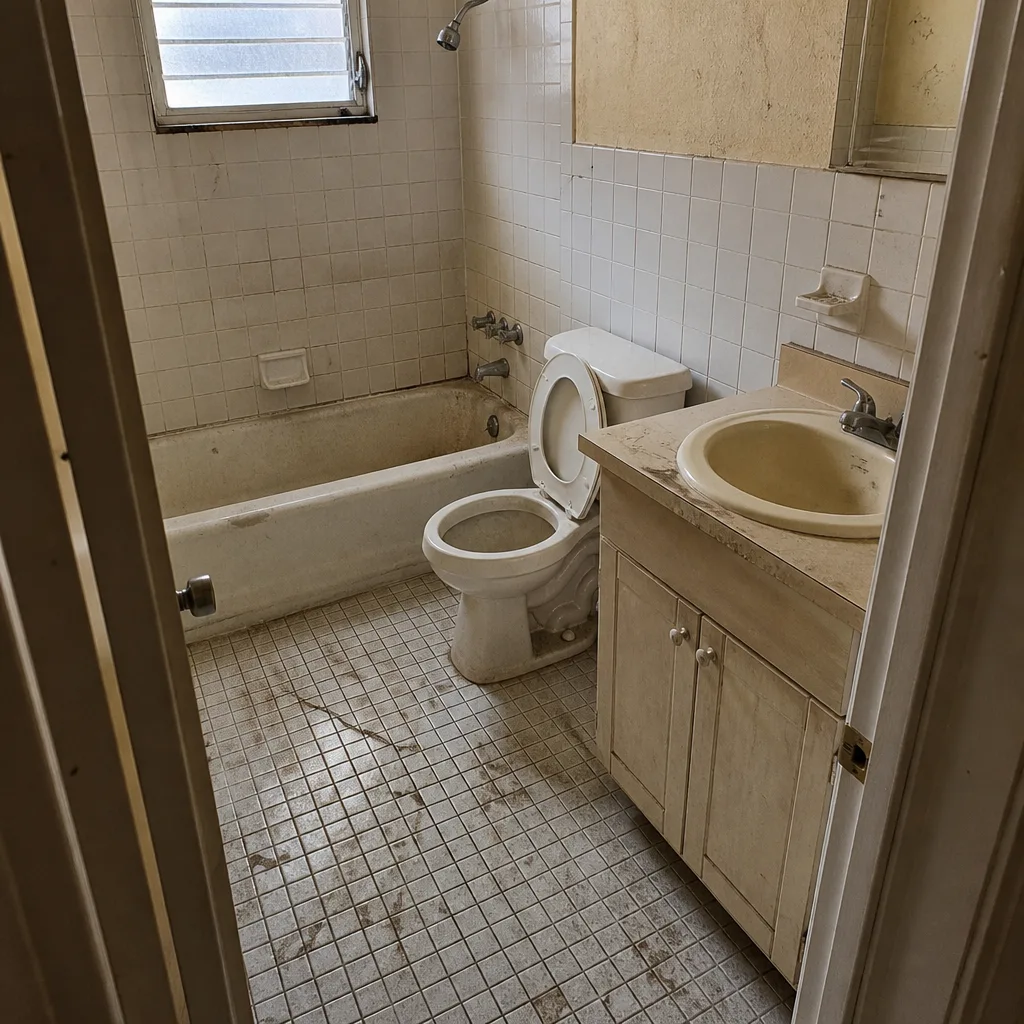 Before
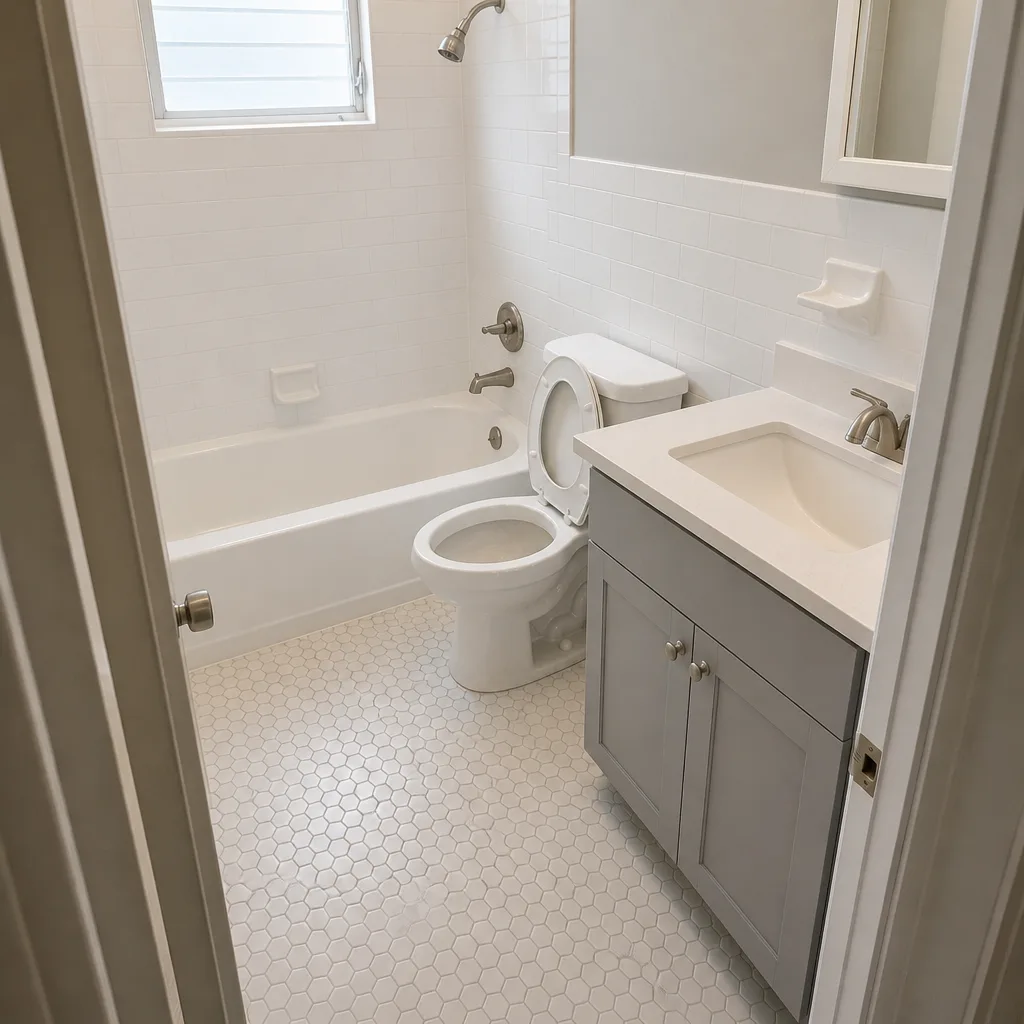 After
What Does a General Contractor Do in Miami, FL? The Paper Case Behind Every Build
A general contractor runs the whole job – permits, schedule, trades, materials, inspections, and the final sign-off. In Miami, though, that description leaves out half the work. On a Miami renovation, a general contractor is building the project and filing a paper case with the Miami-Dade Building Department at the same time, because every impact-rated assembly, roofing system, and exterior opening needs a documented product approval tied to the permit before an inspector will sign off. Miss a link in that chain and the finished work gets rejected. Call (844) 797-4435 and we’ll walk you through what your specific scope actually requires.
Key Takeaways
- A general contractor coordinates permits, licensed sub-trades, materials, schedule, and inspections – and carries the written guarantee on the finished work.
- In Miami, the GC also manages the HVHZ product-approval chain: matching each envelope product to its Miami-Dade NOA number and submitting that documentation with the permit.
- Plumbing, electrical, and HVAC must be pulled by licensed sub-contractors under the GC’s permit, and each passes inspection separately.
- Scope control differs by housing type: CBS ranch, high-rise condo, or 1920s masonry each demand a different set of decisions.
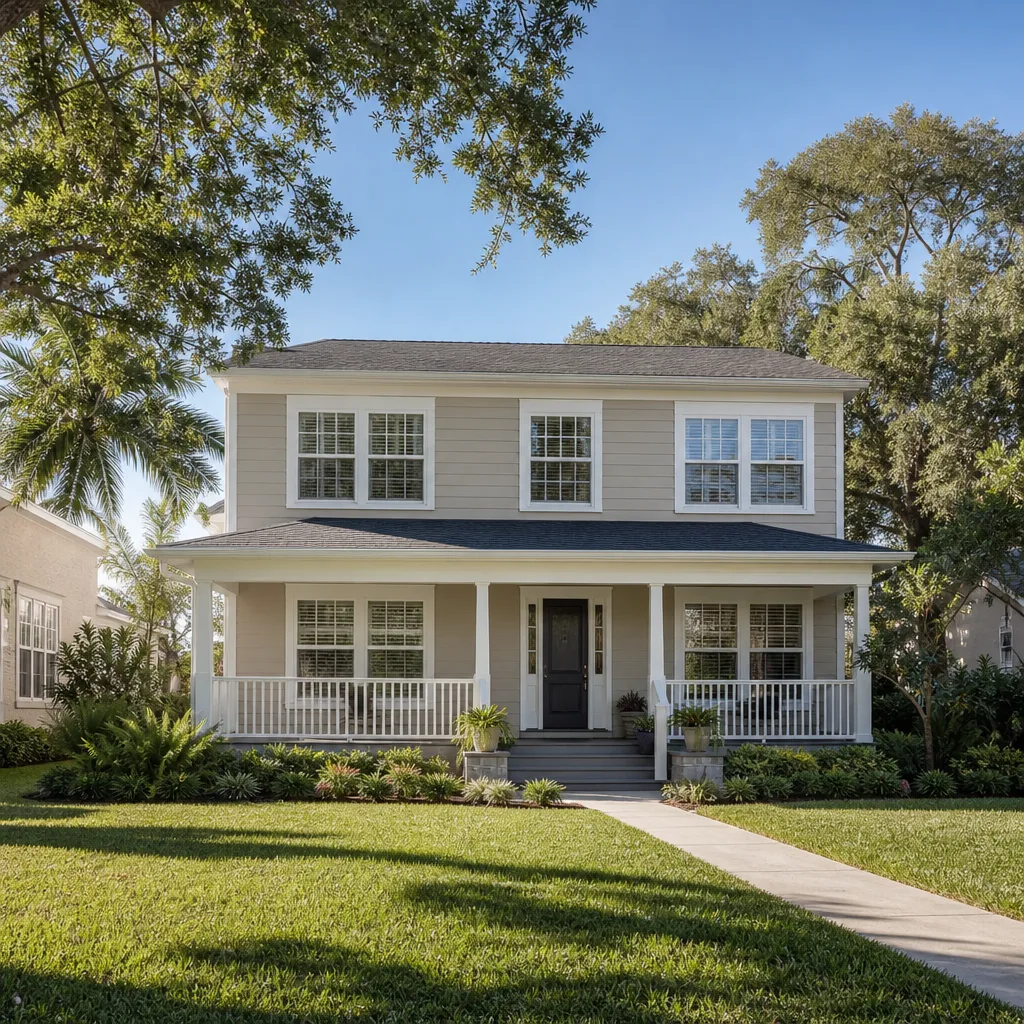
Why Miami’s Permit Process Is the Contractor’s Second Job
Miami-Dade sits in the High Velocity Hurricane Zone, the strictest wind-load and product-approval regime in the country. That means material selection here isn’t a style conversation. It’s a compliance filter. A window, a door, a roofing underlayment, a fastener pattern – each one needs a Florida Product Approval or a Miami-Dade Notice of Acceptance, and that approval number has to match the assembly as installed, not something close to it.
The GC’s job on the paperwork side looks like this:
- Match every product going into the building envelope to its Miami-Dade approval number before it’s ordered.
- Assemble the NOA documentation package and submit it with the permit application.
- Coordinate with the inspector so what’s in the ground matches what’s on the approved drawings.
- Hold the final compliance sign-off that lets the job close clean.
We’ve seen homeowners buy beautiful impact glass at a showroom and then discover the approval doesn’t cover their installation method. The material is fine. The paper isn’t. That’s a GC problem, and it surfaces before a single screw goes in if the contractor is doing the job properly. This is the layer of work that makes a Miami general contractor different from the same title in Atlanta or Phoenix.
The Licensed Sub-Trades and Why the GC Owns Them
Florida doesn’t let a general contractor do plumbing, electrical, or HVAC work under a general permit. Those trades have to be pulled by licensed sub-contractors, and each one runs on the Miami-Dade inspection schedule separately from the general construction work. The GC’s role is to sequence them, verify their licenses and insurance, and hold them to the same written scope you signed.
That’s where a lot of Miami projects wobble. A framing crew finishes, the electrician shows up late, the rough-in inspection fails on a technicality, and the schedule slides three weeks. The homeowner is the one who eats it. Our job is to keep those handoffs tight and to answer the phone when something goes sideways at 10 PM. We keep live-person phone coverage around the clock, and every technician on site is background-checked and uniformed, so you know exactly who is in your house and can reach a real person when you need to.
We also work from a documented roster of name-brand materials – KraftMaid and Wellborn cabinetry, Cambria and Caesarstone surfaces, Kohler and Moen fixtures, GAF and James Hardie exterior products, Therma-Tru doors – which matters more here than in most markets. When a product has a manufacturer spec sheet and a warranty trail, matching it to the NOA and to the inspection is straightforward. When it doesn’t, the paper case gets ugly.
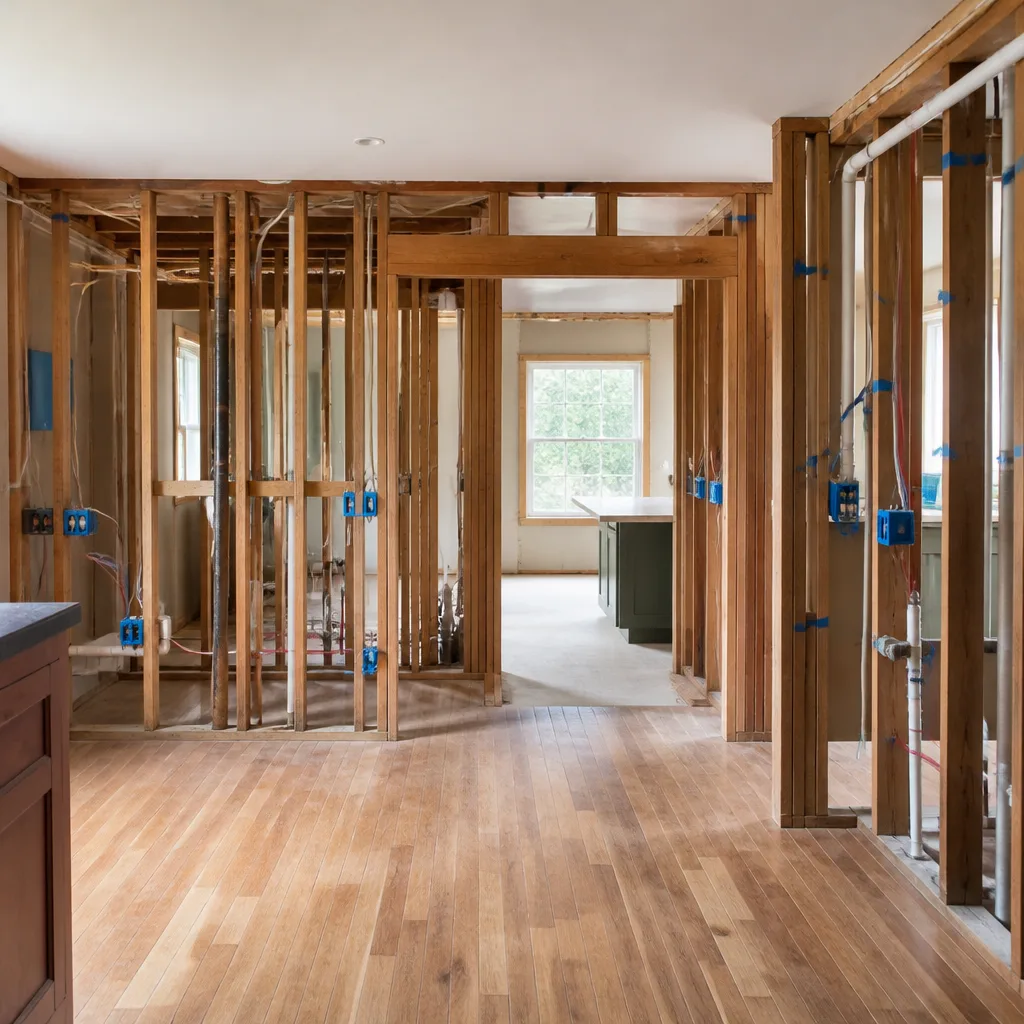
Scope Control Across Miami’s Three Housing Types
Miami doesn’t have one housing stock. It has three, and they drive very different scopes.
CBS ranch homes on the west and south side
Concrete block and stucco construction brings two recurring issues: slab moisture and stucco envelope repair. The high water table and year-round humidity mean a GC has to plan for moisture mitigation at the slab before flooring goes down, and stucco cracks that look cosmetic often hide water intrusion behind them. On a kitchen or bathroom remodel in these homes, we assess the substrate before we price the finish, because a tile floor over a wet slab is a problem you pay for twice.
High-rise condos downtown and in Brickell
Condo work is a coordination puzzle. The GC negotiates HOA elevator access, enforces building management’s noise and work-hours rules, and schedules deliveries around a loading dock that may only give you a two-hour window. None of that is construction, and all of it can kill a schedule if it’s not written into the scope from day one.
Older masonry homes in Miami Beach and Little Havana
Mediterranean-revival and Art Deco masonry from the 1920s needs a different approach. The GC has to identify historic materials that require matching or preservation – original tile, decorative stucco profiles, specific window configurations – and some of those homes sit in the FEMA AE flood zone, where electrical and mechanical systems may need to be elevated above base flood elevation as part of a permitted scope. That’s a line item mainland contractors routinely leave out. If your project touches it, it needs to be in the written price before the first tool comes out.
What the Written Price Covers
Every Bradford Remodeling Co Miami project starts with a written price before any work begins. No numbers that shift at the door. Here’s what our Miami pricing looks like across the scopes we run most often:
| Project | Typical Miami range |
|---|---|
| Kitchen remodel | $16,520-$53,100 |
| Small kitchen remodel | $10,620-$23,600 |
| Cabinet installation | $4,720-$15,340 |
| Countertop installation | $2,360-$7,670 |
| Bathroom remodel | $10,620-$33,040 |
| Walk-in shower installation | $5,310-$14,160 |
| Impact window installation | $9,440-$29,500 |
| Roof replacement | $9,440-$23,600 |
| Home addition | $53,100-$153,400 |
| Garage conversion | $35,400-$94,400 |
Those ranges reflect real Miami conditions: HVHZ-rated products, inspection costs, and the moisture and waterproofing work this climate requires. If you want a number for your specific scope, call and we’ll give you one in writing.
The 365-Day Done Right Promise Is a GC Deliverable
Most contractors hand you a punch list and disappear once the final check clears. The guarantee is not a marketing line at Bradford – it’s part of the contractor’s deliverable. The 365-Day Done Right Promise means we take ownership of sub-trade work and material performance for a full year after completion. If a shower pan leaks, a cabinet door fails, or the roof flashing doesn’t hold, we return and correct it at no charge within that guarantee period. That’s not generosity. That’s how a GC should define the job.
It runs alongside The Garrison Standard, the framework every Garrison Partners location operates under. Written price, background-checked crew, live-person answer, and a written guarantee in your hand at job close – clean site, documented scope, signed. Our technicians have up to 22 years of experience, and it shows at the close, when the site is squared away and you’re not chasing anyone for the paperwork. If you want to see how we run a full project, start with our home page.
FAQs
A general contractor pulls the permit, manages licensed sub-trades, coordinates inspections, and carries the written guarantee on the finished work – none of which a handyman is licensed to do. In Miami, the GC also manages the HVHZ product-approval chain and assembles the NOA documentation that the building department requires before it signs off. Call (844) 797-4435 to talk through your scope.
Yes, if the project involves moving plumbing or electrical, changing the building envelope, or anything that requires a permit. A permit-level kitchen remodel in Miami-Dade needs a GC to coordinate the licensed trades and the inspection schedule, and to ensure any impact-rated products carry the right approval number. Our kitchen remodels in Miami run $16,520-$53,100. Call for an exact quote – estimates are free.
A home addition in Miami typically runs $53,100-$153,400, and an ADU runs $106,200-$259,600, driven largely by HVHZ product requirements and the inspection sequence. The low end reflects a simpler footprint with standard finishes; the high end reflects full envelope work and premium materials. Call (844) 797-4435 and we’ll put your number in writing before any work starts.
Check three things: the license and insurance, the written scope and price, and whether the finished work carries a written guarantee. Florida requires the GC to pull permits and verify that every sub-trade working under them is licensed. Ask for the price before tools come out, and ask what the guarantee covers and for how long. Ours is the 365-Day Done Right Promise – if it’s not done right within the year, we come back and correct it at no charge.
If you’d rather have it looked at, Bradford Remodeling Co Miami offers a no-pressure assessment in Miami – call (844) 797-4435.
Written by the team at Bradford Remodeling Co Miami, serving Miami, FL.