Last updated November 18, 2026



Free written scope consultation - allowances, timeline, and change-order rules on paper before a single trade is scheduled
Seasonal Construction Care for Miami: Year-Round Homeowner’s Guide
June 1 is hurricane season’s official start, but the construction decisions that determine whether your home survives a major storm are made in March and April. By the time contractors are booked solid in May, the preparation window is already closing. Miami doesn’t have four seasons in the traditional sense. It has a wet season, a dry season, and a named-storm window, and each one creates a distinct set of risks for residential construction. This guide lays out that calendar month by month: what to schedule when, which materials fail under South Florida conditions, and which inspections catch problems before the first storm.
Quick Answer
The Miami construction calendar runs January through April for exterior work like painting, roofing, and stucco, May for pre-storm inspections and final punch lists, and November through December for recovery and repair after the storm window closes. Avoid scheduling major exterior projects in August through October, when peak storm risk, humidity spikes, and material delivery delays can stall a job for weeks. Wet-season failures show up at rooflines, paver driveways, and poorly graded lots, and the inspections that catch them belong on a spring schedule.
Styles & brands we work with
- Kitchen remodeling
- Bathroom remodeling
- Home additions & ADU
- Roofing
- Windows & doors
- Driveway & pavers
- Fence
Table of Contents
- The Miami Seasonal Construction Calendar
- Why Winter Isn’t Always the Safest Time for Exterior Work
- Wet-Season Failure Points: Roofs, Pavers, and Grading
- The Named-Storm Window: What to Do and What to Postpone
- Post-Storm Assessment and Your Insurance Claim
- Salt-Air Cycling and the Fasteners That Fail First
- Your Annual Miami Construction Checklist
The Miami Seasonal Construction Calendar
Miami’s building year splits into three working blocks, and each one rewards a different kind of project. Get the sequencing wrong and you end up with half-cured stucco under a summer downpour or a roofing crew trying to schedule around a tropical storm warning.
January through April: dry season work. This is when you schedule exterior painting, roofing replacements, stucco and plaster repairs, and paver installations. Rainfall drops to two or three inches a month, which gives solvent-based paints, sealers, and concrete the curing window they need. It’s also when crews are available and material lead times are shortest.
May: pre-storm preparation. Roof inspections, gutter cleaning, impact-window hardware checks, and drainage clearing all happen here. A professional inspection in May catches loose ridge tiles, deteriorated sealant at roof penetrations, and clogged scuppers before the first storm system forms.
June through November: the storm window. Interior work continues. Kitchen and bathroom remodels are ideal now because they’re sheltered from weather delays. Anything that opens the building envelope – roof replacement, window swaps, structural additions – carries real risk of delay if a system tracks toward South Florida.
August through October: peak risk. Hurricane activity peaks in September, and afternoon thunderstorms hit near-daily. Avoid starting exterior projects in these months. If something fails mid-storm, you’ll be competing for emergency crews with every other homeowner on your block.
If you need a general contractor to sequence a multi-phase project through this calendar, that conversation should happen in the dry season.
Why Winter Isn’t Always the Safest Time for Exterior Work
The dry season in Miami is genuinely dry, but January and February bring a temperature inversion that catches out-of-town crews every year. Overnight lows dip into the upper 50s and low 60s, and morning humidity sits near saturation until the sun burns it off. That pattern changes how three common exterior materials behave.
Concrete curing. Concrete needs consistent temperature and moisture to reach design strength. Quikrete and Sakrete mixes poured on a 58-degree morning with heavy dew cure more slowly than the bag suggests, and if the surface dries too fast in the afternoon, you get surface cracking. Poured patios, walkway slabs, and footing work benefit from mid-morning starts and damp curing after placement.
Exterior caulk adhesion. Caulk bonds to surface temperature, not air temperature. If a crew caulks a stucco wall at 8 a.m. when the wall is still beaded with condensation, the bead will fail within a season. Good crews wait until the substrate is above the dew point and dry to the touch.
Stucco application. Stucco is a cement-based product, and in low-humidity winter air it can flash-dry before it bonds. Skilled crews adjust the mix and fog-cure the surface. They also check the weather forecast, because a single rainy afternoon can shear off an uncured scratch coat.
None of this means skip winter work. It means schedule it mid-morning through early afternoon, confirm the crew’s curing protocol, and check the substrate temperature the morning the work begins.
Wet-Season Failure Points: Roofs, Pavers, and Grading
Miami gets 60 inches of rain a year, most of it between June and October, and it falls in concentrated bursts that overwhelm drainage designed for an average storm. Three failure points account for most of the water damage we see at homes in Miami’s older neighborhoods.
Flat rooflines
Flat and low-slope roofs are common across South Florida because they shed wind efficiently. They also hold water. A roof that drains well in April can pond an inch deep in July if a scupper or drain is blocked by leaf debris. Standing water attacks membrane seams first, and seams that look tight from below will fail within a season or two of repeat ponding.
Paver driveways and walks
Paver installations from Cambridge Pavers or Oldcastle hold up for decades if the base and joints are done right. Under-installed poly sand washes out in heavy rain, and once joints open, water gets under the pavers and the base settles. That’s when you start seeing depressions at the garage apron and wobbling at walk edges.
Inadequate lot grading
You want roughly six inches of fall away from the foundation over ten feet. Many Miami lots fall less than that, and some slope toward the house. During a wet-season thunderstorm, water pools against the slab, pushes under thresholds, and finds its way into a stucco wall at the base. A grading and drainage inspection in May, before the first storm, is worth more than any insurance claim afterward.
The inspection sequence that catches all three:
- Roof drains and scuppers cleared and flow-tested
- Membrane seams and flashing at penetrations checked
- Paver joints refilled with poly sand where low
- Gutters and downspouts run with a hose to confirm discharge away from the foundation
- Lot grading checked with a level or laser to measure slope from the house
- Exterior caulk at windows and doors checked for gaps
The Named-Storm Window: What to Do and What to Postpone
Once the National Hurricane Center is tracking a system in the Atlantic, the work changes. You’re not scheduling projects; you’re protecting assets. Here’s how to sort what’s worth doing from what can wait.
Do in June: document the exterior. Photograph the roof, take close-ups of any existing damage, and store receipts for recent repair work. That file is what your insurance adjuster will ask for after a storm, and it takes an hour to put together.
Do in July: verify impact window and door hardware. Locks, hinges, and debris guards age and loosen. Shim problems that develop over a season show up at the worst moment.
Do in August: clear gutters, trim trees back from the roofline, and secure or remove objects that become projectiles at 90 miles an hour.
Postpone through the active window: new roof installations, exterior painting, stucco application, and any addition that opens the envelope. A crew that starts a roof on September 1 and gets a system warning on September 15 either covers the work with a tarp and waits, or leaves your house exposed. Neither outcome is acceptable, and a contractor who quotes you for it is telling you something about how they operate.
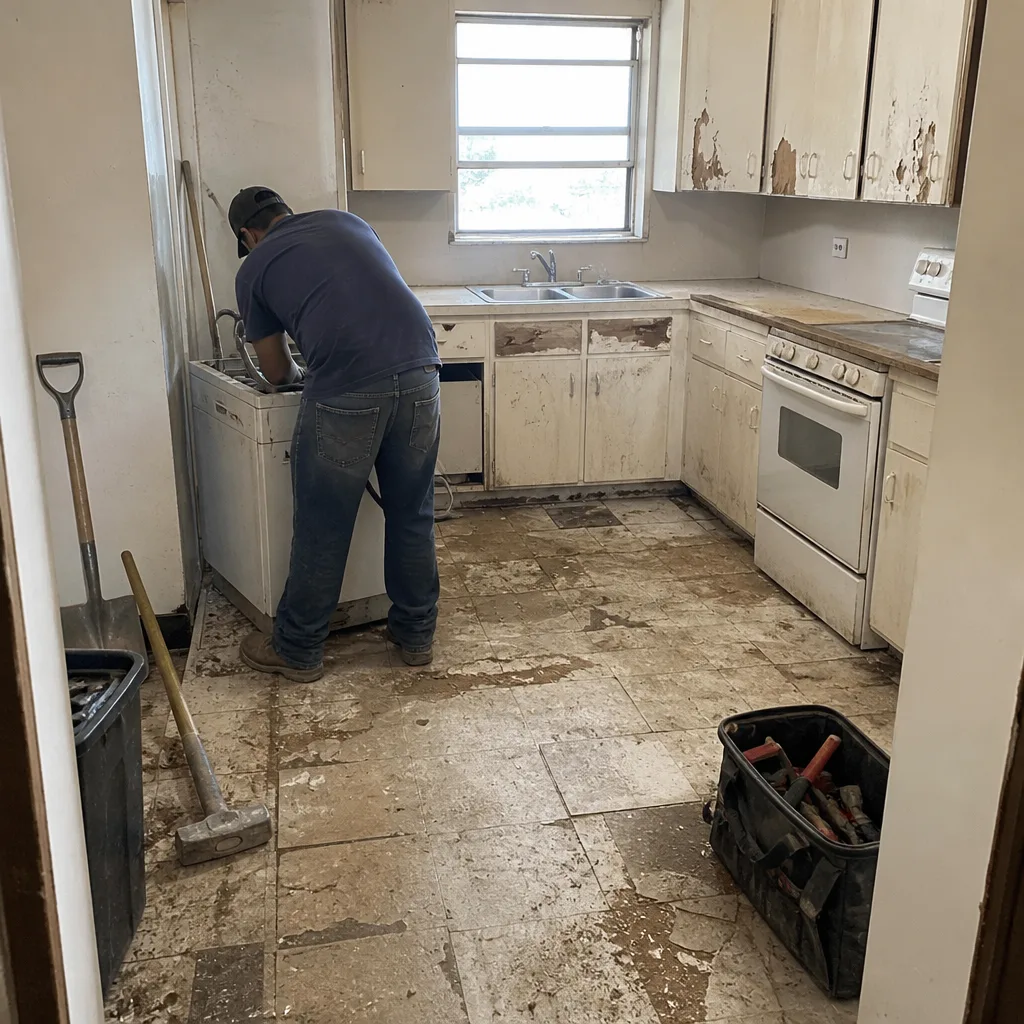
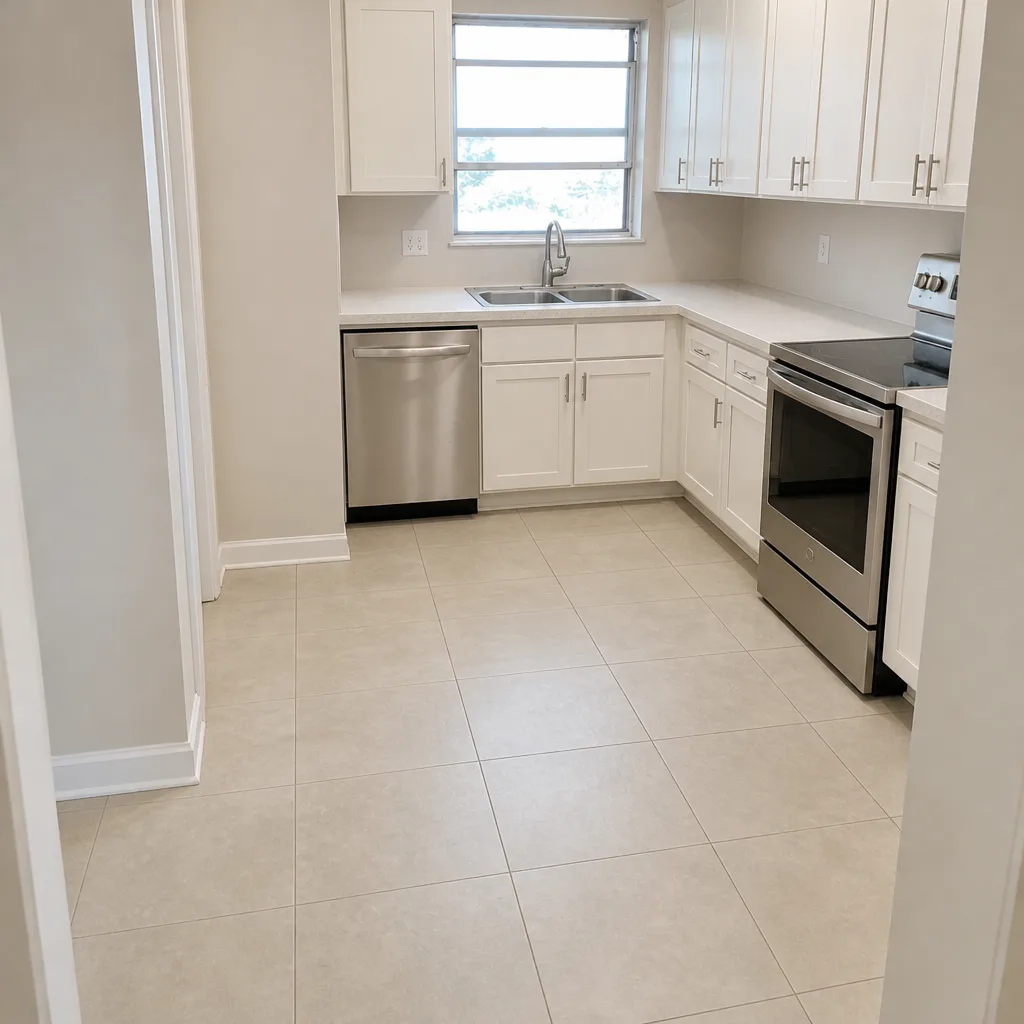
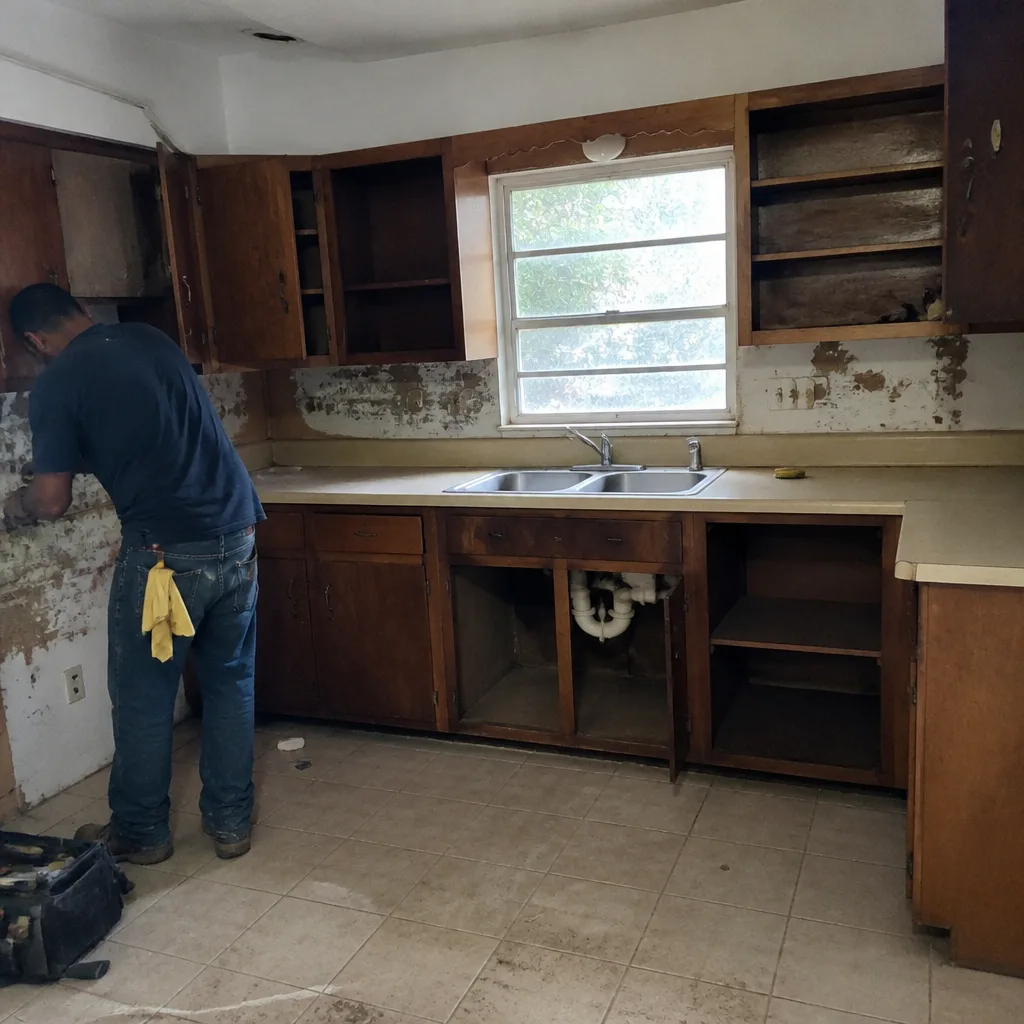
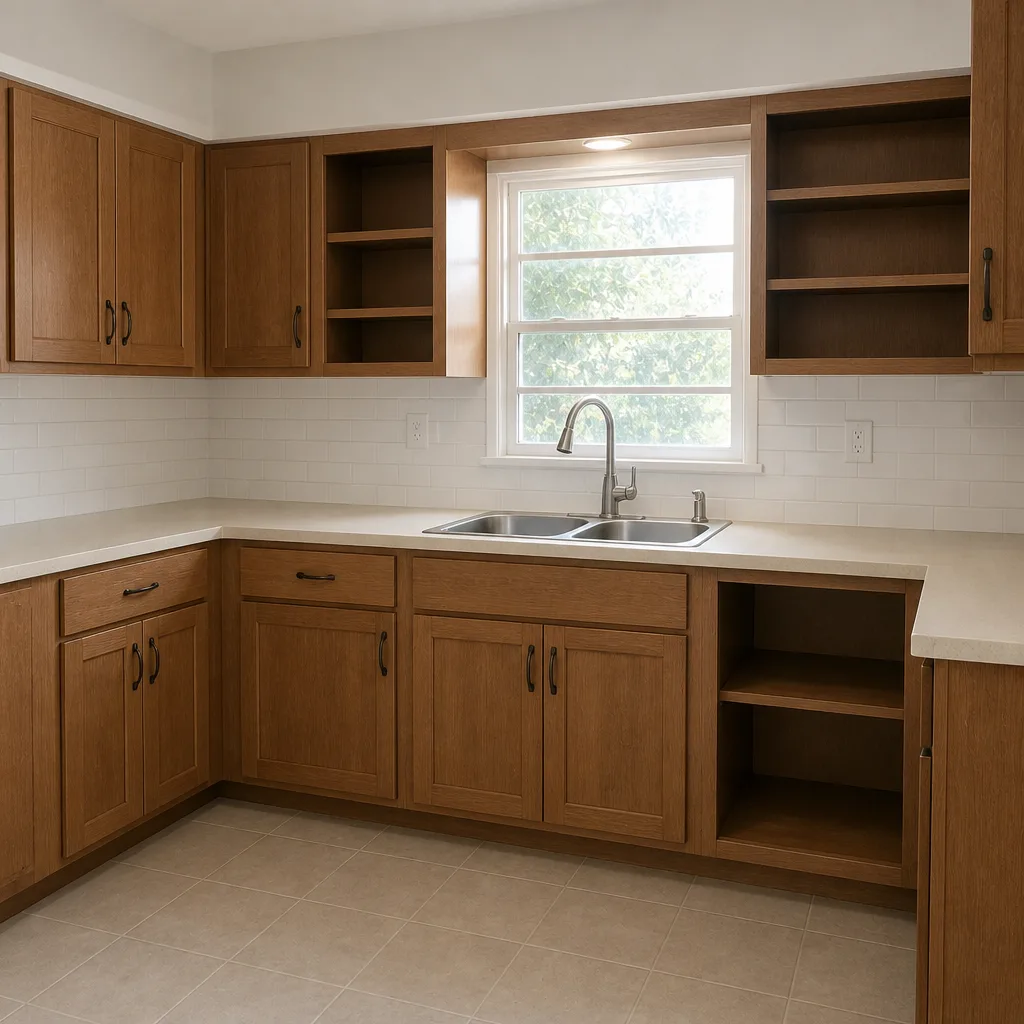
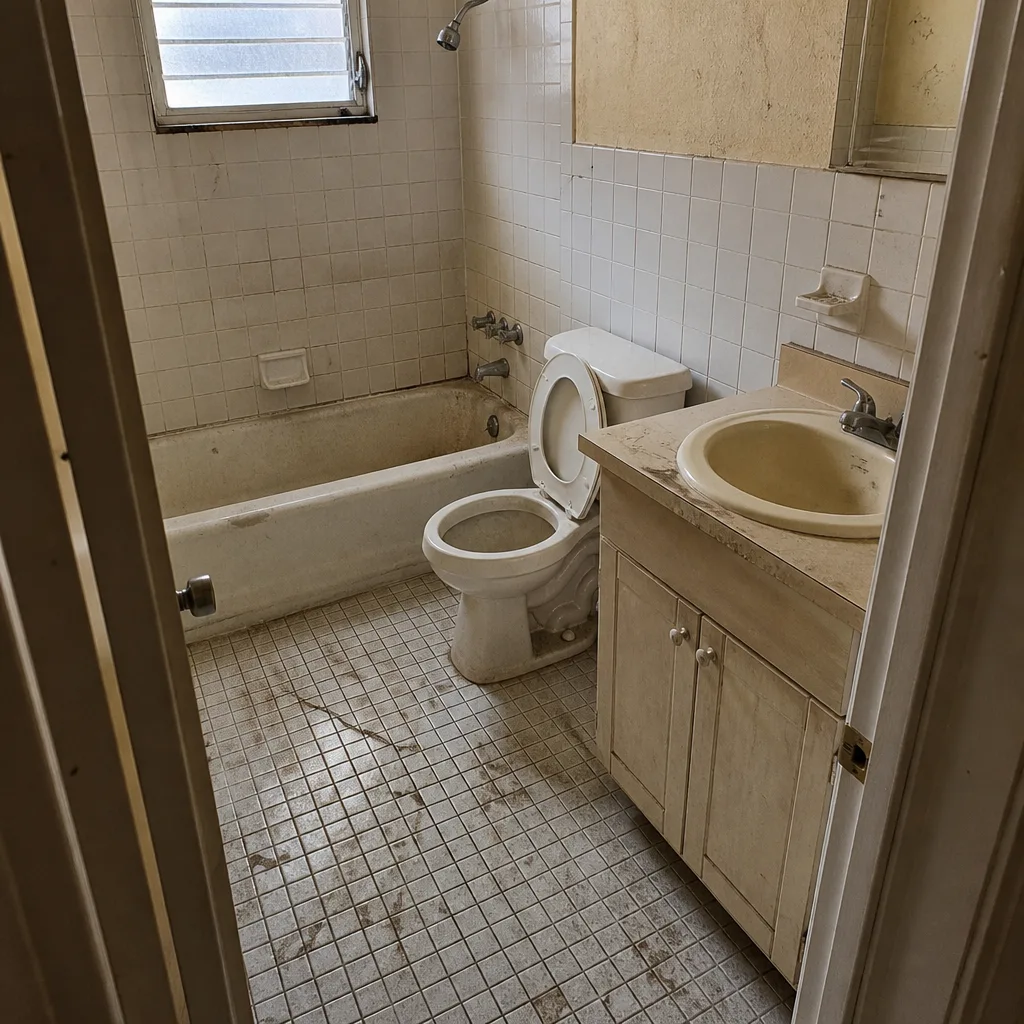
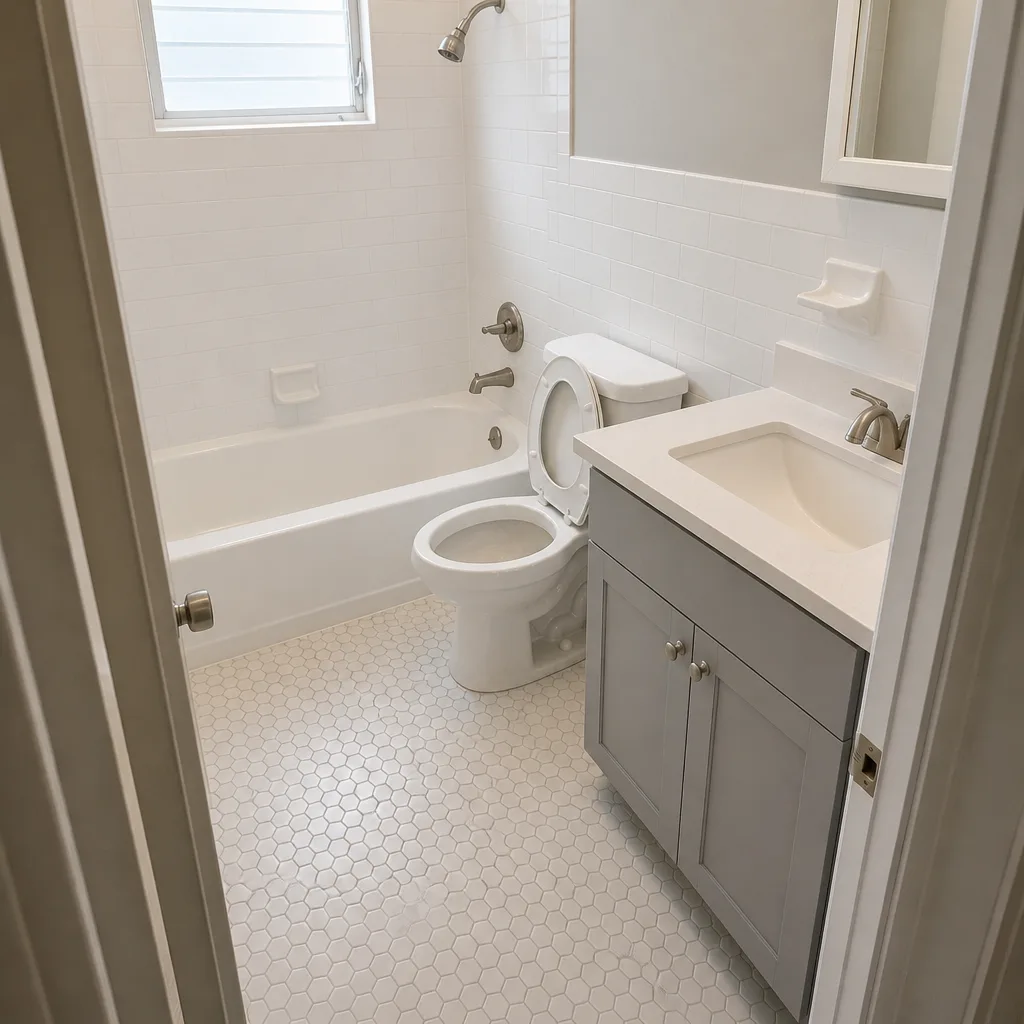
Interior work – kitchen remodels, bathroom remodels – is a better fit for the storm window. The calendar lines up, and the materials sit inside, unaffected by rain. If you’ve been planning to update a kitchen or bathroom in Miami, the summer and fall months are the practical time.
Post-Storm Assessment and Your Insurance Claim
After a storm passes, the first question on the repair side is the one that decides your claim: was this storm damage, or was it pre-existing deterioration that the storm exposed? The distinction matters because most policies cover storm damage and exclude long-term wear.
Storm damage means a failure caused by wind or water during the event. Shingles lifted and torn off, impact windows cracked by flying debris, stucco cracked from wind uplift, water intrusion through a failed flashing seal during the storm itself. These are covered events in most policies.
Pre-existing deterioration means the failure was already underway before the storm. A roof membrane that had been ponded for two seasons was already compromised when the storm hit. An adjuster will find the ponding evidence, and the claim gets denied or reduced.
The practical answer is to document condition before the storm, then document condition after. The gap between the two files is your claim.
How this shapes your post-storm sequence:
- Photograph everything before you touch it, including water lines and debris locations
- Make temporary repairs only – tarp, board-up – and keep receipts
- Get a written scope from a contractor who can distinguish new damage from old
- Submit the claim with photos and a contractor’s assessment
- Hold off on permanent repairs until coverage is confirmed
For a broader look at how a by-the-book contractor handles repair scope on older Miami homes, our general contractor in Miami team works this sequence on every post-storm assessment.
Salt-Air Cycling and the Fasteners That Fail First
Miami homes within a few miles of the coast are dealing with ambient salt every day, and the cycle intensifies in wet season when humidity spikes above 80% for months. Salt plus moisture is aggressive on ferrous metals, and the failures show up at specific components.
Ferrous fasteners
Exterior deck screws, structural connectors, and hardware at gates and fences should be hot-dip galvanized or stainless. Builder-grade zinc-plated screws on decks, fences, and pergolas corrode through in three to five years near the coast. Once the fastener fails, the joint it holds fails next.
Aluminum frames
Aluminum window and door frames resist rust but accelerate corrosion on any steel fastener touching them. The dissimilar-metal contact is the failure point. Inspect the small fasteners at hinge points and at the frame perimeter each spring.
Exposed steel
Column bases, railing posts, and structural connections that show rust streaks early are warning you. A rust streak at the base plate means the steel there is losing section thickness. The annual inspection item is a visual pass every April: check base plates, railing anchors, and any painted steel on decks and stairs for bubbling paint or orange streaking.
What protects these components
Annual rinse with fresh water on exposed metal near the coast removes salt residue before it accelerates. A coat of appropriate metal primer on exposed steel before the wet season buys years. Fasteners get replaced once, with the right spec, rather than repeatedly with what’s on the shelf.
If you’re looking at a bigger upgrade, exterior products from James Hardie and Therma-Tru doors are manufactured with coastal conditions in mind and come with specification sheets that hold up in a storm assessment.
Your Annual Miami Construction Checklist
Here’s the full calendar, compressed into one list you can put on the fridge. Each item is a specific inspection or action, not a general category.
January – April (dry season)
- Schedule exterior painting and stucco repair
- Roof replacement or repair if it came through last year’s storms with issues
- Paver installation or re-installation
- Concrete work – patios, walkways, footings
- Repaint or prime any exposed steel before the humidity climbs
May (pre-storm)
- Roof drain and scupper clearing, flow-tested
- Paver joint refill with poly sand
- Gutter clean and downspout check
- Lot grading measured from the foundation
- Exterior caulk inspection at windows and doors
- Photo documentation of exterior condition
June – November (storm window)
- Interior remodels: kitchen, bathroom, whole-home projects
- Impact window hardware check (do in July)
- Tree trimming and debris removal (do in August)
- Post-storm assessment and documentation if the storm hits
November – December (recovery)
- Complete any paused exterior work
- Repair storm damage
- Schedule the next year’s exterior projects before spring slots fill
Every project on this list benefits from a written price before work begins. That’s the commitment behind The Garrison Standard, and it applies to every scope, whether you’re replacing a roof or repainting a soffit.
Common Mistakes to Avoid
- Starting exterior work in August. Peak storm risk and daily thunderstorms leave crews pivoting to tarps mid-job. The labor costs rise, the schedule stretches, and the finished work quality drops. If a contractor is offering you a great price on a roof in September, ask why the schedule is so open.
- Skipping the May inspection. The single highest-return hour in the annual calendar is the pre-storm roof and drainage inspection. Skipping it means discovering a failed scupper during a storm instead of before.
- Caulking at dawn in January. Substrate temperature matters more than air temperature, and morning dew on a stucco wall means the caulk won’t bond. Wait until the wall is dry and above the dew point.
- Using zinc-plated fasteners on coastal exteriors. They’ll fail in a few years near the salt. The cost difference on hot-dip galvanized or stainless is small; the labor difference on replacement is not.
- Treating pre-existing damage as storm damage. Insurance adjusters are trained to spot the difference, and a denied claim is worse than a smaller, honest one. Document condition before the storm and you get the coverage you paid for.
- Ignoring lot grading because the rain drains “fine.” Miami’s flat lots hide grading problems until a heavy storm exposes them. Measure the slope, don’t eyeball it.
- Booking exterior work without a written scope and price. Verbal estimates grow at the door. Get the price in writing before tools come out.
See the difference
 Before
 After
 Before
 After
 Before
 After
When to Call a Professional
Some of this calendar you can manage yourself: rinsing metal, clearing gutters, documenting condition. But specific situations in Miami require a trained contractor. If you’re seeing ponded water on a flat roof after a storm, don’t climb up and probe the membrane. Call a professional. If a paver driveway has settled pavers and open joints, the fix needs the base reworked, not more sand on top. If lot grading is failing under the slab, the repair involves drainage trenching that has to be engineered, not improvised. And if you’re scheduling more than one project – say a roof and an exterior paint job and a bathroom overhaul – the sequencing needs someone who understands the wet-season window and the dry-season window and won’t start the wrong project at the wrong time.
Bradford Remodeling Co Miami offers free estimates in Miami for exterior construction, whole-home projects, and interior remodels scoped to the seasonal calendar. Every estimate comes with a written price before work begins, every project carries the 365-Day Done Right Promise, and a live person answers the phone 24/7. Call (844) 797-4435 to schedule your free estimate.
Frequently Asked Questions

Schedule a full roof replacement between January and April, when dry-season rainfall is low and material lead times are shortest. Roofing crews can complete most residential replacements without storm delays during this window, and the new roof cures properly before the wet season begins. If you need roof work in the storm window, get it assessed and documented, and put a tarp on any active leak. Call (844) 797-4435 for a free estimate on the replacement schedule.
Paver driveways fail after heavy rain because the base and joint sand weren’t installed to spec. When the base isn’t properly compacted or the joints aren’t filled with poly sand, water gets under the pavers during a Miami thunderstorm, the base washes into voids, and the pavers settle. Reinstalling the pavers with a corrected base and Cambridge Pavers poly sand fixes the issue. A re-sand on top won’t. Call (844) 797-4435 for a free assessment.
Most policies cover storm damage from a hurricane and exclude pre-existing deterioration, so the outcome depends on what your adjuster finds. The difference between a covered claim and a denied one is typically documentation: photos of the structure before the storm, photos after, and a contractor’s written assessment separating new damage from old. Our general contractor in Miami documents this on post-storm assessments. Call (844) 797-4435 to schedule one.
Stucco needs 28 days to cure before painting, and Miami’s humidity extends that window in wet season. Painting too soon traps moisture in the stucco, causing blistering and peeling within the first year. Skilled crews check the moisture content of the stucco with a meter and won’t paint until the reading is below acceptable. If your project is scheduled in the dry season, plan a month between stucco and paint. Call (844) 797-4435 for a written estimate that includes the cure schedule.
Yes – restrict exterior work to interior projects during the storm window, and do any active exterior work in the dry season. Interior remodels like kitchen and bathroom renovations are the right fit for June through November, because they don’t open the building envelope. If you’re already mid-project on an exterior job when a storm system forms, the contractor should secure the work and pause. Call (844) 797-4435 to schedule a project scope that fits the calendar.
Most Miami exterior repairs fall into predictable ranges: roof repair after a storm typically runs $400 to $2,500 depending on the extent; paver re-installation on a driveway runs $6 to $12 per square foot installed; stucco repair runs $400 to $2,000 depending on area; and lot re-grading with drainage runs $2,500 to $8,000. Every one of our estimates comes as a written price before work starts, with no numbers moving at the door. Call (844) 797-4435 for a free estimate.
The Bottom Line
Miami construction care is a calendar problem more than a materials problem. The dry season from January to April is when exterior work happens. May is when the pre-storm inspection protects the year’s investment. The storm window from June to November is interior work season. Post-storm, the difference between a covered claim and a denied one is documentation captured before the storm, not after. The three chronic failure points – flat rooflines, paver driveways, and lot grading – catch most homeowners by surprise the first wet season. The annual metal inspection protects the fasteners and frames that fail earliest. Put the calendar on the fridge and work the list in order, and your home reaches the end of each season in the condition it started. That’s what squared away looks like.
If you’re ready to put a project on the calendar – a dry-season roof replacement, a wet-season kitchen update, or a whole-home scope – our kitchen remodeling in Miami and bathroom remodeling in Miami teams scope interior projects that fit the storm window, while our exterior work runs on the dry-season schedule. Get a written price before any tools come out. Call (844) 797-4435 for a free estimate, or visit our Bradford Remodeling Co Miami home page for the full scope of what we do.
Written by the team at Bradford Remodeling Co Miami.