Last updated November 18, 2026





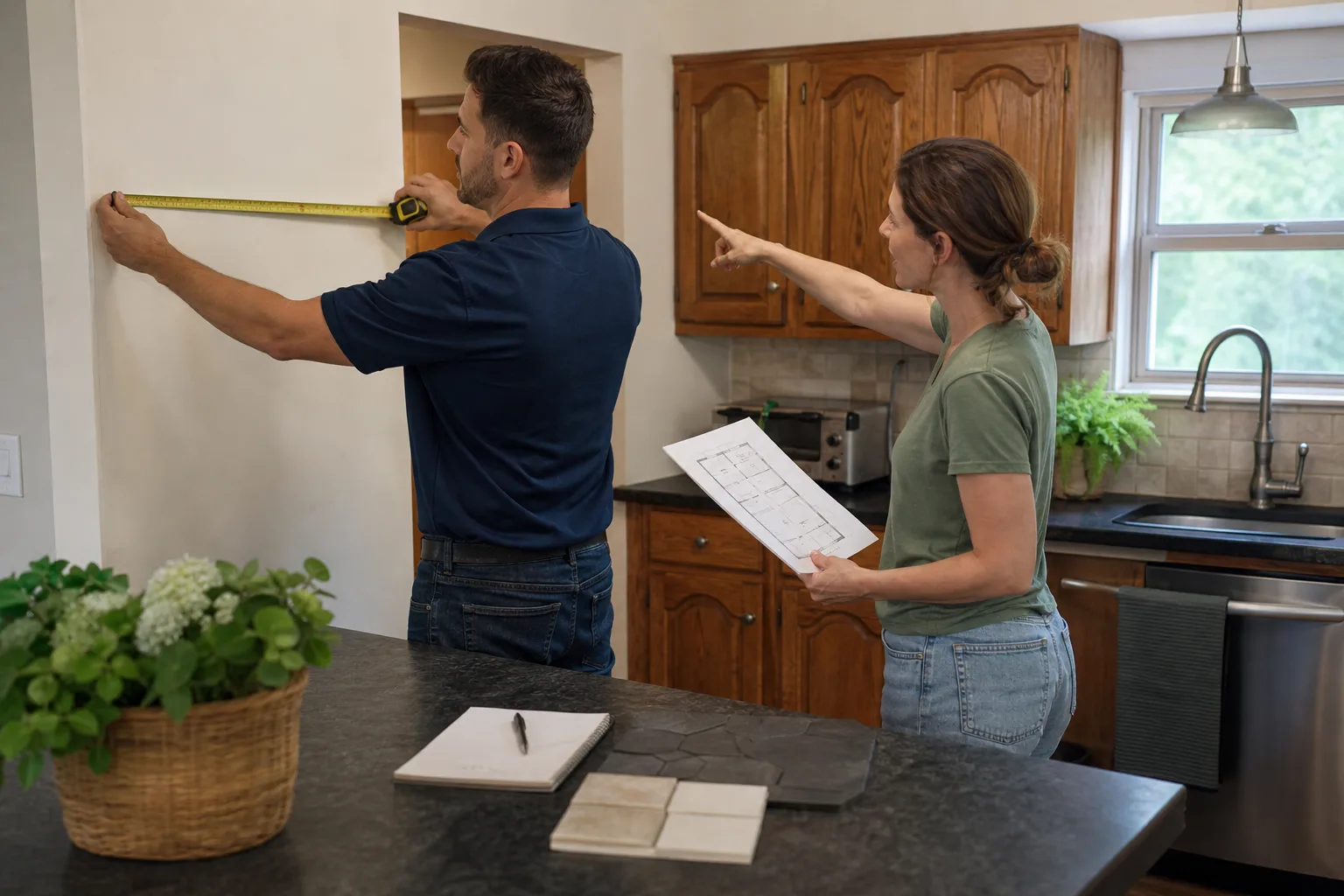
Free written scope consultation - allowances, timeline, and change-order rules on paper before a single trade is scheduled
The Complete General Contractor Guide for Miami Homeowners
Miami-Dade issues more contractor license complaints per capita than any other Florida county. That fact gets shared as if it proves Miami homeowners are careless. It doesn’t. It proves the local rules are layered enough that even well-meaning contractors miss them, and homeowners don’t find out until the work is half finished.
This guide maps the variables most general contractor advice skips: hurricane-zone code, humidity specs, Notice of Commencement, license classifications, and what Florida law actually requires in a written scope. By the end you’ll know what you’re buying before you sign anything.
Quick Answer
To hire a general contractor in Miami, verify their Florida license classification (CGC vs. CBC) matches the work, confirm they can pull the permit in your jurisdiction, get a written scope and price before any tools come out, and file or review your Notice of Commencement properly. These four items protect you more than any reference check.
Styles & brands we work with
- Kitchen remodeling
- Bathroom remodeling
- Home additions & ADU
- Roofing
- Windows & doors
- Driveway & pavers
- Fence
Table of Contents
- Miami-Dade vs. Broward Licensing: Why Your Contractor’s License Type Matters
- CBC vs. CGC: What the Classification Actually Means
- Notice of Commencement and Mechanic’s Liens
- HVHZ Code and Which Scopes Trigger Wind-Load Inspections
- Humidity and Material Specs in Miami
- What a Written Scope of Work Must Include
- The Miami-Dade Permitting Process, Step by Step
- Choosing Materials That Hold Up Here
Miami-Dade vs. Broward Licensing: Why Your Contractor’s License Type Matters
A Florida license is not a universal key. Miami-Dade and Broward each issue local competency licenses, and a contractor licensed in one county doesn’t automatically hold the right to pull permits in the other. Miami-Dade also requires contractors to register with the county even when they hold a state license. Skip that step and your permit stalls, or worse, gets pulled by someone operating outside their authority.
What this means in practical terms for a Miami homeowner:
- A contractor licensed only in Broward may not be able to pull a permit for your Coral Gables or Miami Beach job without county registration.
- State-certified contractors (CGC, CBC) can work statewide, but most Miami-Dade municipalities still want a local business tax receipt on file.
- Unlicensed activity is the single largest driver of the complaint volume this county sees.
Ask for the license number, the classification, and where it’s registered. Then check the Florida DBPR database and the Miami-Dade contractor licensing portal yourself. It takes ten minutes and it’s the most useful ten minutes of the entire hiring process.
CBC vs. CGC: What the Classification Actually Means
Florida splits general contracting into two state certifications, and the difference affects what a contractor can legally build for you.
CGC (Certified General Contractor) can build any commercial or residential structure, including structural modifications, additions, and multi-story work.
CBC (Certified Building Contractor) is limited to commercial and residential buildings that don’t exceed three stories, with restrictions on structural changes.
Neither is “better” in the abstract. A CBC is often completely appropriate for a kitchen remodeling in Miami or a bathroom gut. But if your project involves moving a load-bearing wall, adding a second story, or structural work on a home in a historic district, the classification stops being academic. A CBC operating outside their scope can have a permit revoked and work halted after framing is up.
The right question to ask is not “are you licensed?” It’s “what classification do you hold, and is your classification sufficient for the scope I’ve described?” A disciplined contractor answers that without hesitation and shows it in writing.
Notice of Commencement and Mechanic’s Liens
This is the piece most homeowners have never heard of, and it’s the one that can cost them the most.
Florida requires a Notice of Commencement to be recorded before work begins on any project over $2,500. That document starts a legal clock. Once it’s recorded, subcontractors and suppliers who aren’t paid by your general contractor can file a mechanic’s lien against your property. That lien attaches even if you paid your general contractor in full and in good faith.
Two protections exist, and both matter:
- Record the Notice of Commencement and get a copy. You should have it in your possession before demolition starts.
- Collect lien waivers from every subcontractor and major supplier as payments are made. Conditional waivers before payment, unconditional waivers after. This is how you close the door on a lien filed by someone you never hired.
In our experience, a well-run Miami job site has a folder with the notice, the permit, the scope of work, and each waiver in order. If a homeowner has to chase those documents mid-project, something is already loose.
HVHZ Code and Which Scopes Trigger Wind-Load Inspections
Miami-Dade sits inside the High Velocity Hurricane Zone, and HVHZ isn’t a marketing term. It’s a specific set of requirements enforced by the Miami-Dade Product Control division, and any product used in the exterior envelope needs a Miami-Dade Notice of Acceptance (NOA) or a Florida Product Approval. A window that passes in Tampa may not be approved here.
Which remodeling scopes trigger new wind-load compliance checks:
- Replacing windows, doors, or the garage door
- Roof replacement or significant roof repair
- Any change to exterior wall openings
- Adding a screen enclosure, carport, or covered patio
- Structural additions or second-story work
Products without a valid NOA fail inspection. Every time. This is where GAF or CertainTeed roofing assemblies with current Miami-Dade approvals separate a compliant job from a rework. Roofing is a steep, high-risk scope and not a homeowner task; the safety stakes here are real.
If your contractor doesn’t immediately know what an NOA is, keep looking.
Humidity and Material Specs in Miami
Miami’s average relative humidity hovers near 75 percent, and the salt air in coastal neighborhoods like Miami Beach and Key Biscayne accelerates corrosion. Materials that work in a dry climate fail faster here, and the failure shows up as mold in a bathroom wall or a cabinet door that swells within two seasons.
What we specify accordingly:
- Pressure-treated framing for anything near grade; borate-treated lumber in wall cavities where code allows.
- Fiberglass-faced gypsum board in wet zones rather than standard paper-faced drywall.
- Stainless or PVD-coated fixtures in coastal homes; Grohe and Sterling make coastal-rated lines worth the upcharge.
- Solid-wood or high-density thermofoil cabinetry, not particle-core that swells at a leak.
- Exterior products with current Florida approvals and manufacturer warranties that survive a salt-air environment.
The right question isn’t “is this material good?” It’s “is this material correct for this address?” A supplier in Hialeah can quote you the same product as a supplier in Naples, but only one of them lists it with the approvals your inspector wants to see.
What a Written Scope of Work Must Include
Florida Statute 489 doesn’t demand a beautiful contract. It demands certain terms, and if your agreement is missing them, you’ve lost your primary means of enforcement.
A legally enforceable scope must include:
- Names and license numbers of all parties, in writing.
- A specific start date and a substantial completion date.
- An itemized description of labor and materials that leaves no ambiguity about what’s included and what isn’t.
- Total contract price and a payment schedule tied to milestones, not calendar dates.
- Description of the work in enough detail to survive a dispute, not “renovate kitchen.”
- Notice of your right to file a complaint with the state licensing board.
- Whether permit fees are included or pass-through, and who pulls the permit.
The Garrison Standard exists because this list is exactly where most agreements break down. Every Bradford Remodeling project gets a written price before a single tool comes out, and that price doesn’t move at the door.
The Miami-Dade Permitting Process, Step by Step
Permits in Miami-Dade go through a plan review process that can run weeks or months depending on scope. Plan for it. A homeowner who expects a two-week turnaround on a structural revision has lost the project schedule before it starts.
How the sequence actually works:
- Confirm who pulls the permit. The licensed contractor pulls it; you do not. If a contractor asks you to pull an owner-builder permit, walk away.
- Submit plans through the Miami-Dade portal. Most residential remodel packages can file electronically, but review wait times depend on the current queue.
- Record the Notice of Commencement once the permit is issued, before work begins.
- Schedule inspections at each major milestone. Rough framing, rough mechanical/plumbing/electrical, insulation, then final. Missing one inspection means reopening walls.
- Secure the Certificate of Occupancy or final inspection sign-off before the last payment.
Contractors working the county regularly know the playlist. Those working outside their home jurisdiction often don’t. Ask which jurisdiction your project falls in and how many permits they’ve pulled there.
Choosing Materials That Hold Up Here
Brand names matter less than traceability. A product with a current manufacturer specification sheet, a warranty you can hand to an insurance adjuster, and a Miami-Dade approval number is worth more than a generic equivalent that saved $400.
Where it counts in Miami homes:
- Roofing: GAF, CertainTeed, and Owens Corning assemblies with current wind-rating approvals.
- Windows and entry doors: Therma-Tru and approved impact-rated lines with NOA documentation.
- Cabinetry: KraftMaid and Wellborn, both with published construction specs you can compare.
- Surfaces: Cambria, Caesarstone, and Silestone quartz, all with origin documentation.
- Fixtures: Kohler and Moen, with finish warranties that don’t corrode in a coastal bathroom.
When someone quotes a material without a current spec sheet, that’s not a shortcut, it’s exposure. You’ll carry the warranty claim, not them.
Common Mistakes to Avoid
- Hiring on price alone. The lowest bid in Miami is often the bid that skipped permit costs it didn’t disclose. The price moves at the door, or the scope quietly shrinks.
- Skipping the Notice of Commencement. Paying the final invoice and getting a lien notice six weeks later is one of the most common, and most preventable, nightmares we see.
- Not verifying license classification. A CBC can be perfect for a bathroom gut and completely wrong for a load-bearing wall change. Check the scope against the classification.
- Ignoring NOA requirements. A window or door without a current Miami-Dade approval will fail final inspection, and re-ordering lead time can add weeks.
- Trusting verbal change orders. “We’ll figure it out at close” is how surprise invoices are born. Every change should be written and priced before it’s performed.
- Choosing materials on price alone. Particle-core cabinetry and low-grade exterior products fail fast in this humidity, and you’ll pay twice.
- Paying a large deposit before a written scope exists. No written price, no signed scope, no check. That’s the rule.
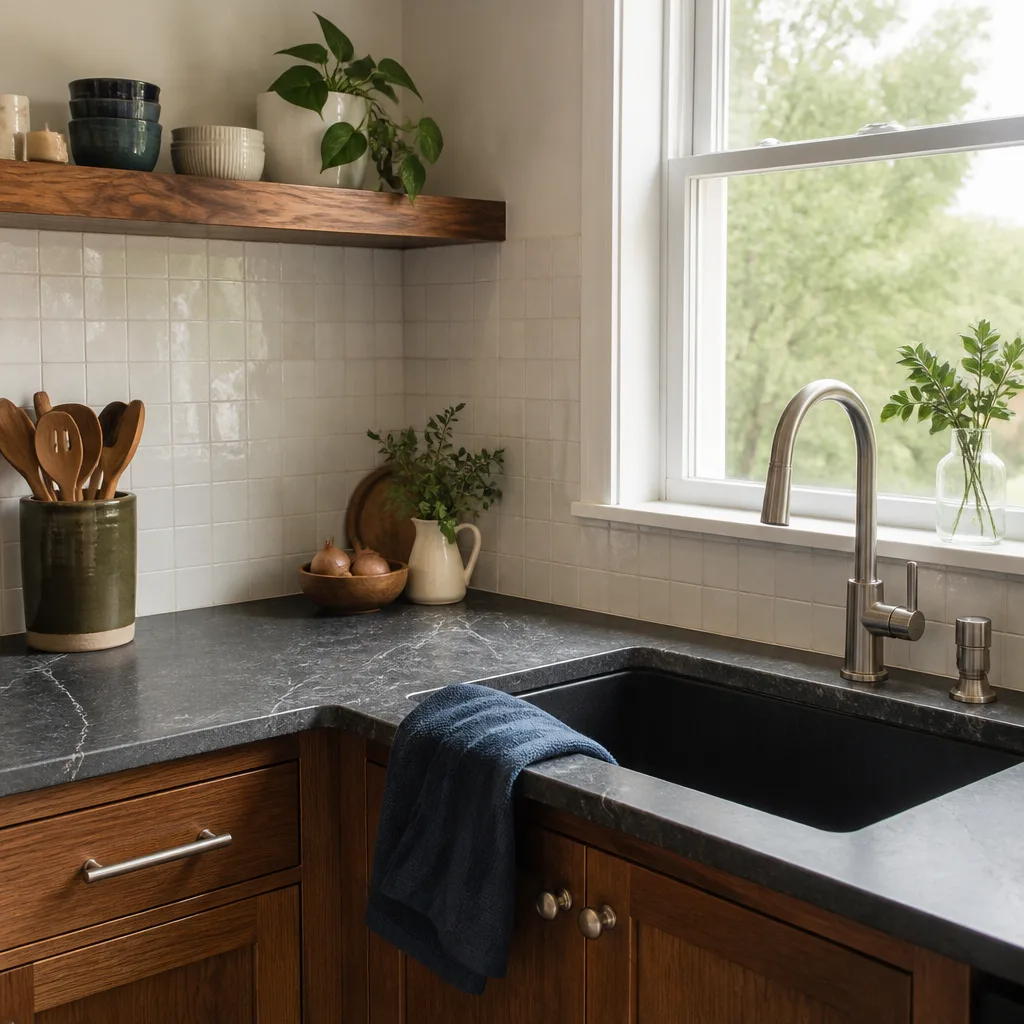
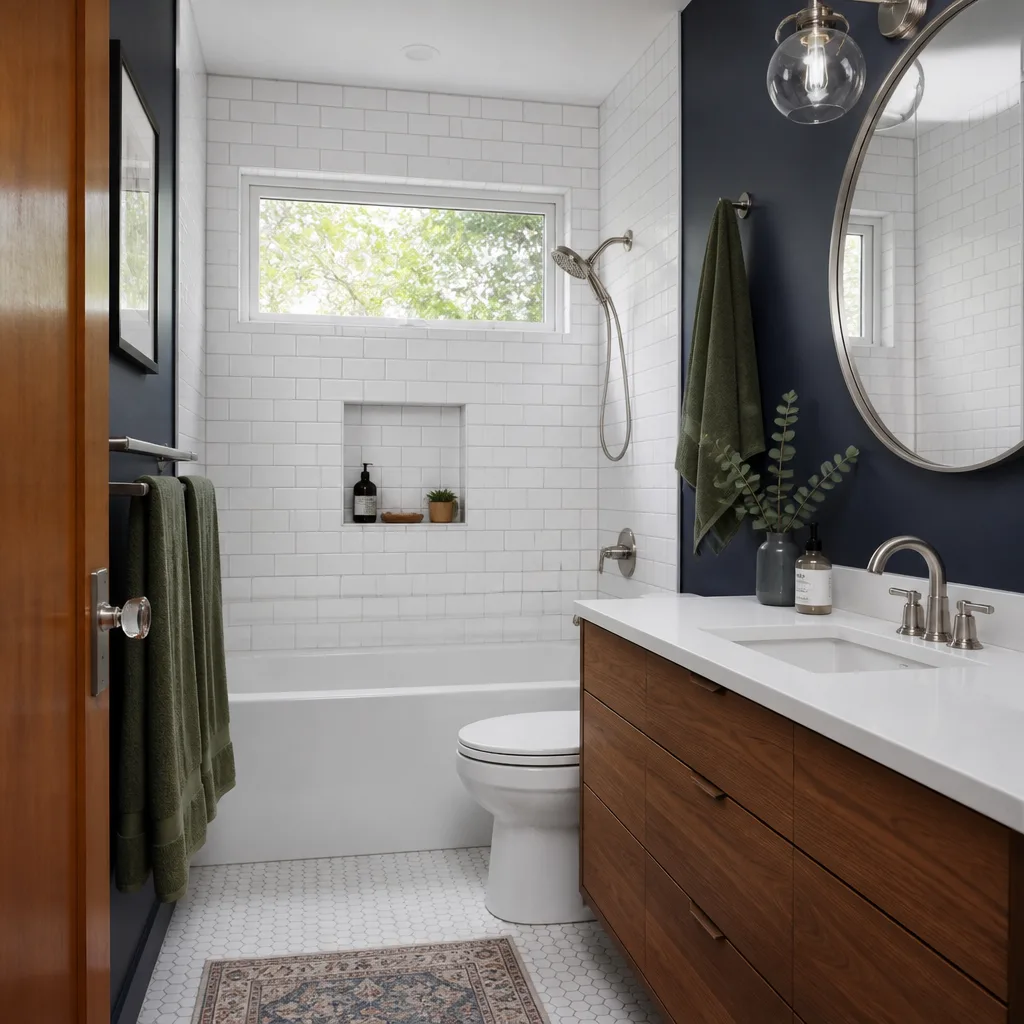
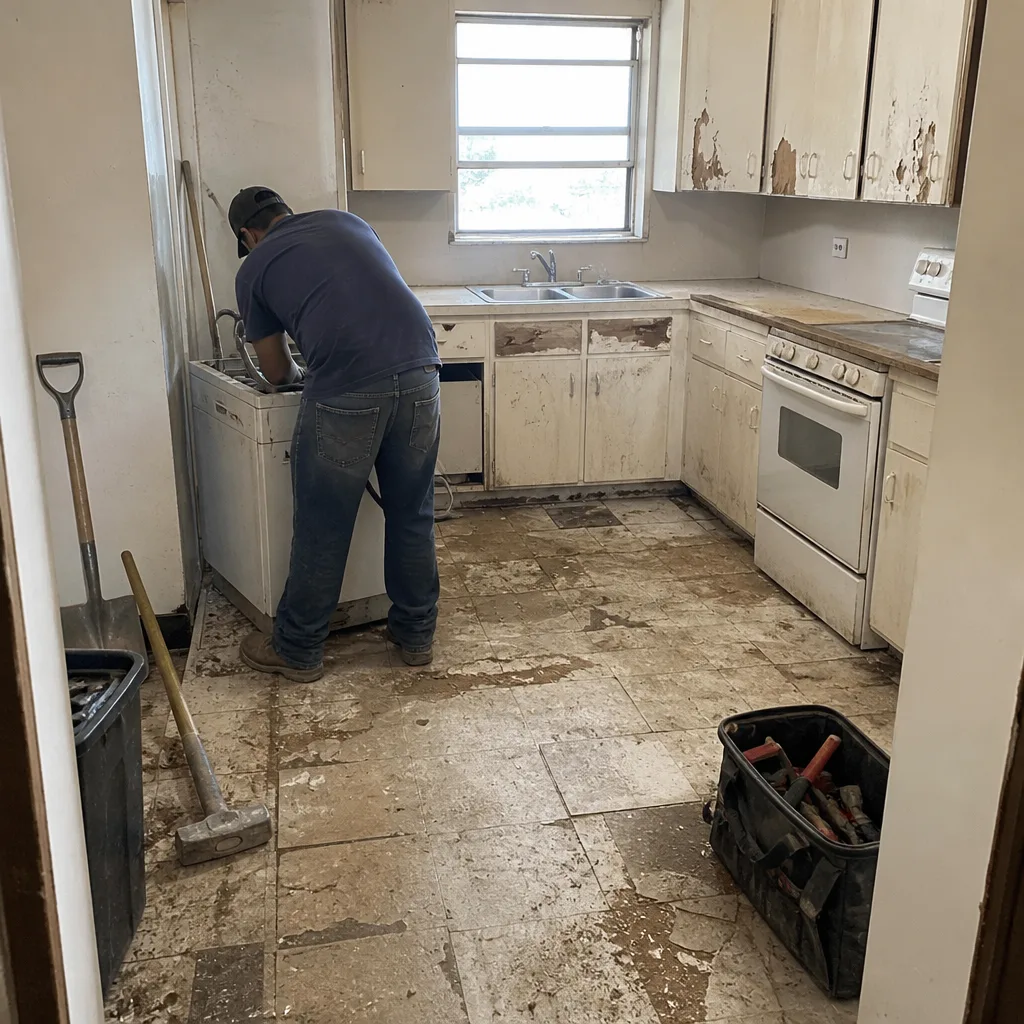
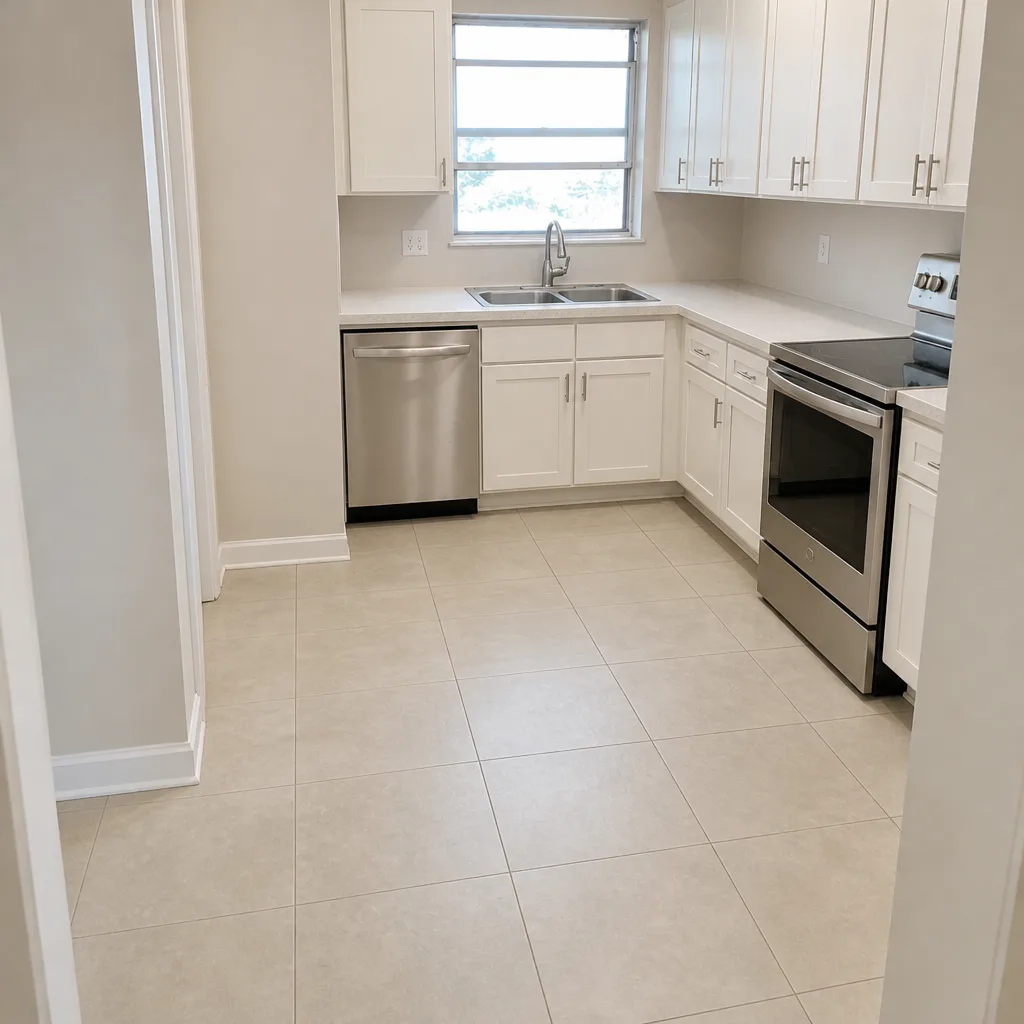
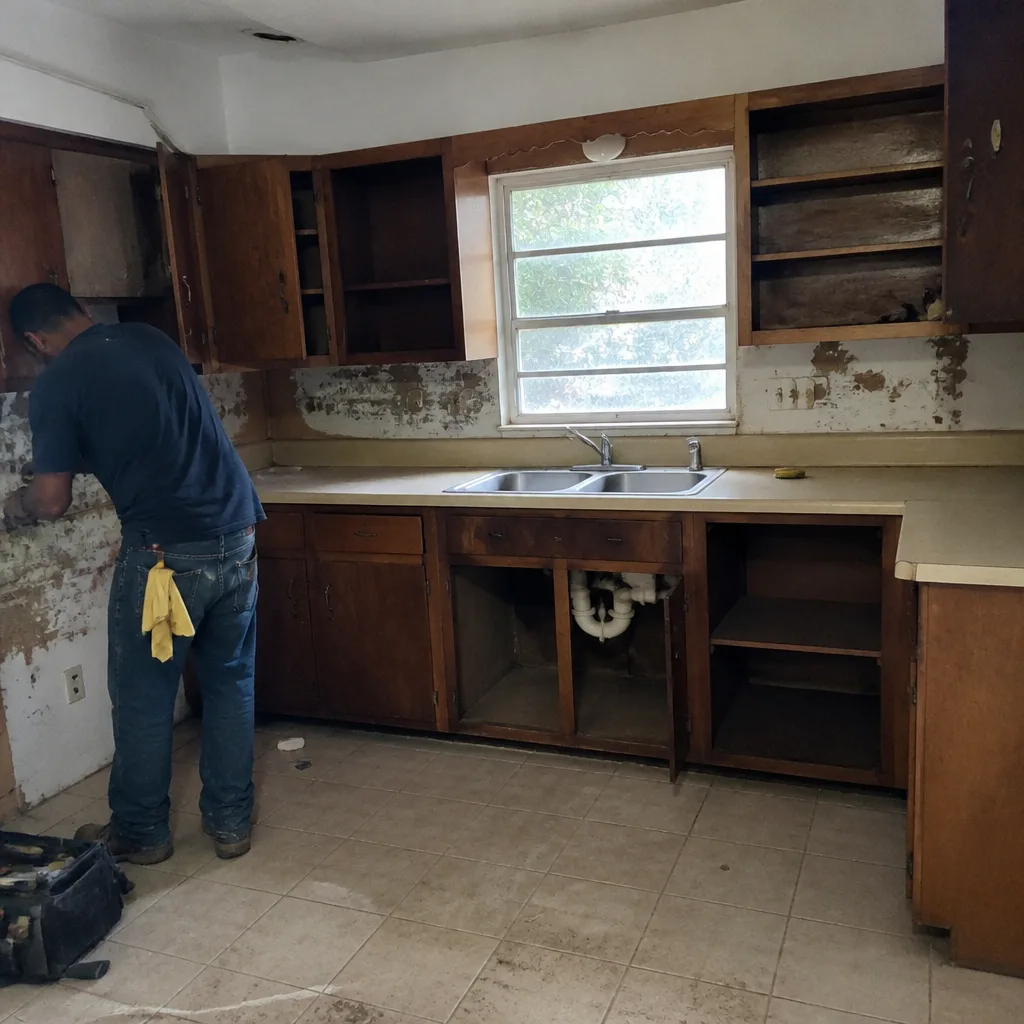
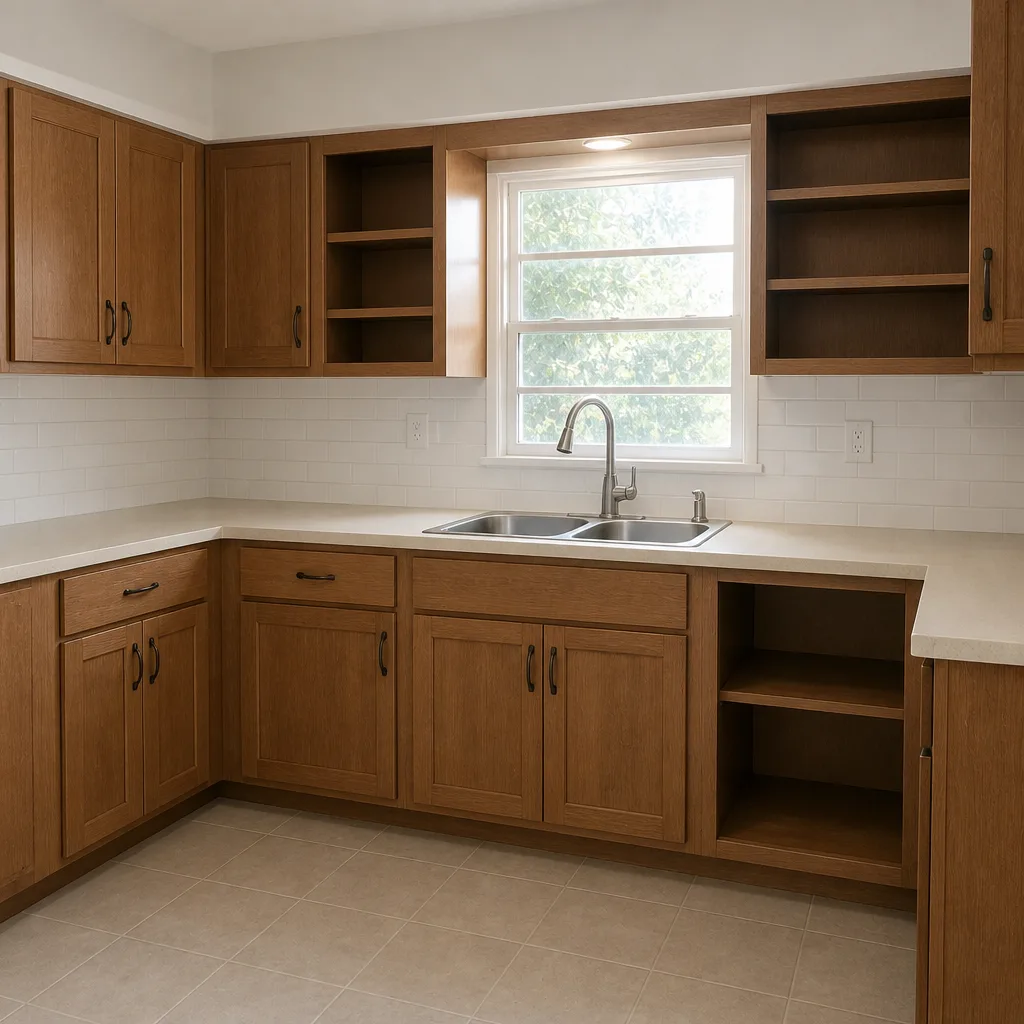
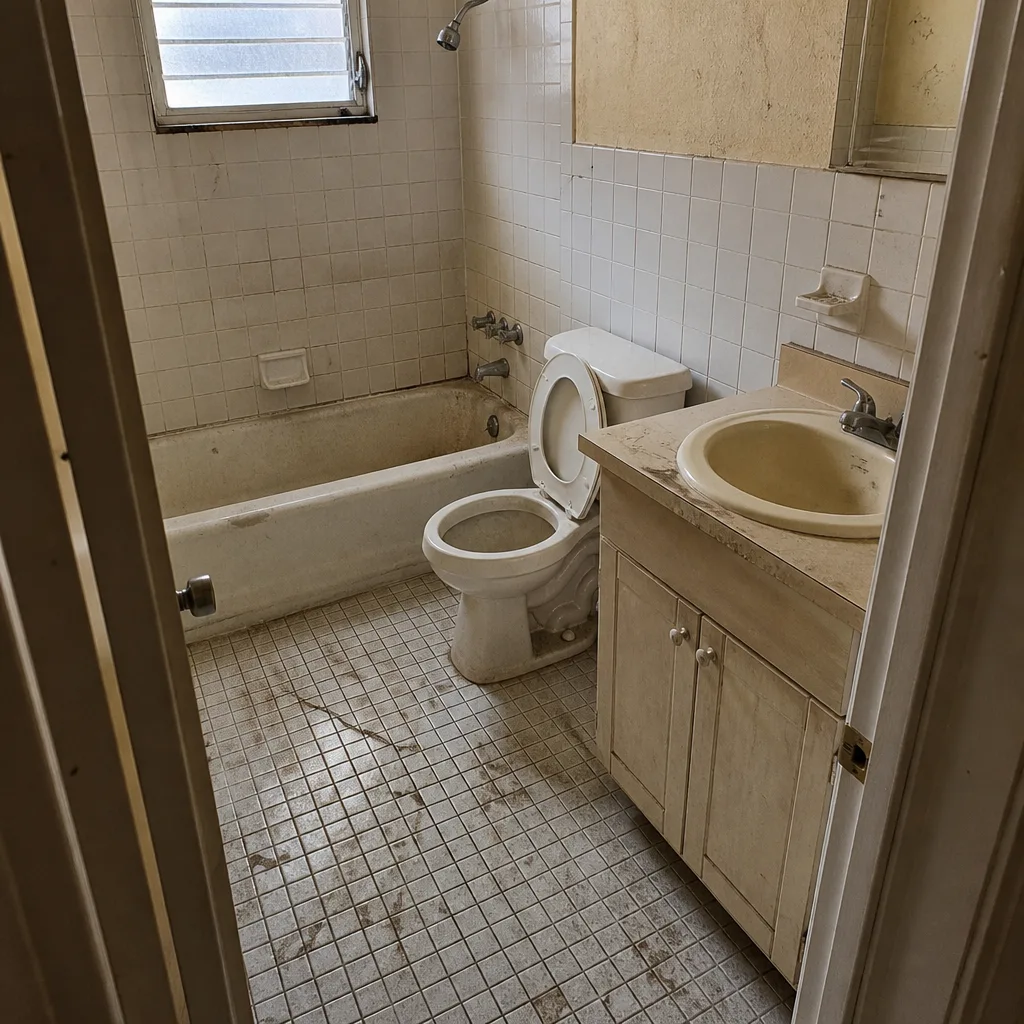
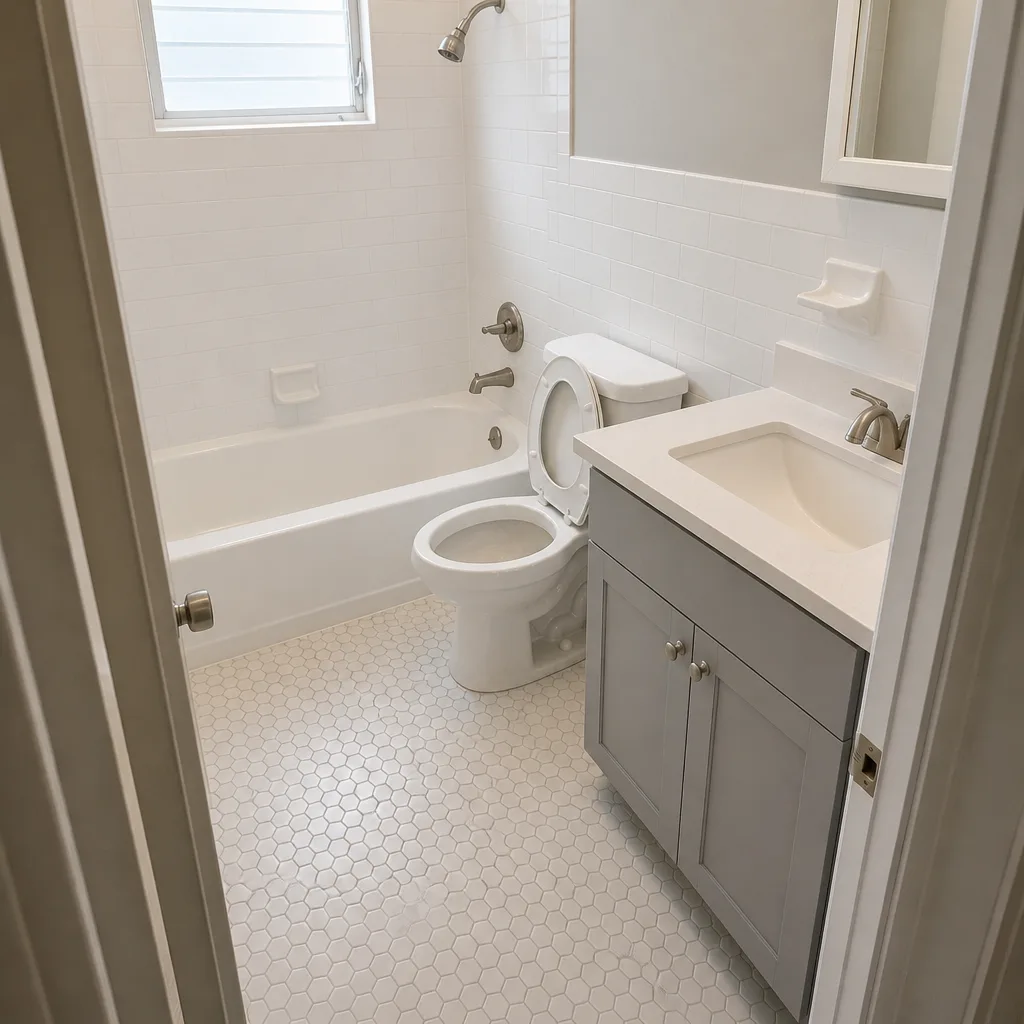
See the difference
 Before
 After
 Before
 After
 Before
 After
When to Call a Professional
Call a professional the moment your scope touches a permit, a load-bearing wall, or the building envelope. If you’re remodeling a bathroom and the plan requires moving plumbing rough-in, that’s a licensed job. If your HVHZ wind-load compliance is unclear, that’s a licensed job. If you’re replacing windows and need current NOA documentation, that’s a licensed job. Roofing, electrical, gas, and structural work should never be handled by the homeowner – the injury and liability risk is severe.
What you can handle: picking finishes, confirming the scope in writing, and reviewing the license before you sign.
For work that needs a licensed contractor and a documented scope, Bradford Remodeling’s general contractor team in Miami offers free estimates across Miami. Call (844) 797-4435 to schedule one.
Frequently Asked Questions
General contractor labor and management in Miami typically runs 15 to 25 percent of the total project cost, with remodeling projects commonly landing between $150 and $300 per square foot depending on scope and finish level. Custom homes and structural additions run higher. Call (844) 797-4435 for an exact quote – estimates are free.
A Certified General Contractor (CGC) can build any commercial or residential structure with no height restriction; a Certified Building Contractor (CBC) is limited to buildings under three stories with restrictions on structural work. For many residential remodels a CBC is entirely appropriate, but structural and multi-story work generally calls for a CGC.
Yes, most kitchen and bathroom remodels require permits in Miami-Dade if they involve plumbing, electrical, or structural changes. Cosmetic refresh only (paint, cabinet refacing) may not. Assume you need one until a licensed contractor tells you otherwise in writing.
A Notice of Commencement is a recorded document that Florida requires on projects over $2,500 before work begins, and yes, you need one. It protects subcontractors and suppliers who aren’t paid, but it also gives you the leverage to collect lien waivers properly. Get a copy in your hands before demolition starts.
Yes. Homes built before 1990 often have older electrical panels, aging plumbing supply lines, or building materials that trigger additional inspection requirements under current Miami-Dade code. A pre-renovation walkthrough that documents the existing systems before design saves weeks later. Call (844) 797-4435 for an inspection-based estimate.
A kitchen remodel in Miami typically runs four to eight weeks of active construction after permits and material lead times; a whole-home renovation runs three to six months. Permitting alone can add weeks depending on scope. A written schedule with your contract is the only honest way to answer this for your address.
It shouldn’t if the scope is truly written. At Bradford Remodeling every project carries a written price before work begins and a 365-Day Done Right Promise on the work itself – if something fails inside that year, we come back and correct it at no charge. The Bradford Remodeling Co Miami home page lists what that guarantee actually covers.
Yes. Bradford Remodeling pulls every permit required by the jurisdiction and closes them out with a final inspection sign-off before the last payment. You never pull an owner-builder permit on a Bradford project. Call (844) 797-4435 for details on your specific scope.
The Bottom Line
Hiring a general contractor in Miami is a document exercise as much as a build one. Verify the license classification, confirm who pulls the permit, record the Notice of Commencement, confirm HVHZ approvals before you order materials, and hold every change to writing. Get a written price before work starts, and a written guarantee that survives the first year. That’s the whole discipline. The rest is finishes.
If your next project needs a contractor working to that standard, call (844) 797-4435 to schedule a free estimate with Bradford Remodeling Co Miami. For a closer look at how the kitchen and bathroom scopes run in this market, the Kitchen Remodeling in Miami and Bathroom Remodeling in Miami pages walk through what a written scope looks like job by job.
Written by the team at Bradford Remodeling Co Miami.