Last updated November 18, 2026

Free written scope consultation - allowances, timeline, and change-order rules on paper before a single trade is scheduled
The Complete Kitchen Remodeling Guide for Miami Homeowners
Shaker-style cabinet boxes with an MDF core are the most popular kitchen cabinet construction in the country. In South Florida kitchens that sit above 70% relative humidity for more than six months of the year, they’re also one of the least reliable. That matters in Miami, where the air in an average kitchen is a slow, steady test of every material you install. This guide covers the Miami version of a kitchen remodel: the humidity rules that eliminate popular products, the impact-window premium when you open an exterior wall, the permit thresholds under Miami-Dade code, and the FPL rebate paperwork most contractors never bring up.
Quick Answer
A kitchen remodel in Miami typically runs $28,000 to $75,000 for a mid-grade full gut, and $75,000 to $150,000+ for a high-end build with custom cabinetry and impact-rated openings. The biggest cost drivers unique to Miami are humidity-rated cabinet construction (plywood, not MDF), impact-rated windows and doors if you touch the exterior wall, and Miami-Dade permitting on anything that changes layout, plumbing, or electrical. A written, line-item price before work starts is the single best protection against the scope creep that dominates this market.
Styles & brands we work with
- Kitchen remodeling
- Bathroom remodeling
- Home additions & ADU
- Roofing
- Windows & doors
- Driveway & pavers
- Fence
Table of Contents
- Cabinet Box Materials: What Survives Miami Humidity
- When a Miami-Dade Kitchen Remodel Needs a Permit
- FPL Rebates and Federal Credits for Appliances
- Layout Planning for Miami Kitchens
- Impact-Rated Windows When You Open a Wall
- Flooring and Countertops That Hold Up
- What The Garrison Standard Guarantee Covers
- Building a Realistic Miami Budget
Cabinet Box Materials: What Survives Miami Humidity
The cabinet box is the frame the doors and drawers hang on. It’s mostly hidden, which is why it’s the first place cheap builds cut corners, and the first place a Miami kitchen fails. Ranked by performance in Miami’s climate:
- Plywood box, hardwood face frame – the reliable choice. Holds screws, resists swelling, handles the seasonal humidity swing along Biscayne Bay without delaminating. Expect roughly 20-35% more on cabinet cost than an MDF-core box.
- Plywood box, MDF doors – a common middle ground for painted finishes. The doors stay flat and paint cleanly; the box does the structural work.
- All-wood (solid lumber) construction – excellent on small cabinets, prone to seasonal movement on wide cabinet runs unless the maker accounts for it. Pricier and heavier, and worth it in the right installation.
- MDF-core boxes – the standard in national big-box builds. In a Miami kitchen near the coast, the edges swell, doors stop closing flush, and the finish lifts within a few seasons. Avoid it in a home you plan to keep.
Hinge and drawer hardware live in the same humid air. Look for name-brand soft-close hardware with manufacturer warranty, and ask what happens to a sagging drawer front inside year one. That question sorts a disciplined contractor from a paper bidder.
When a Miami-Dade Kitchen Remodel Needs a Permit
Miami-Dade County requires a building permit for most kitchen work that touches the structure or the systems. Cosmetic finish changes are the exception. In practice:
- Needs a permit: moving or removing walls, moving plumbing supply or drain lines, relocating or adding electrical circuits, new gas lines, changing a window or door opening, and any change to the exterior wall.
- Usually no permit: refacing cabinet doors, painting, swapping a countertop on existing cabinets, replacing a like-for-like appliance on an existing circuit, and replacing a faucet on existing plumbing.
- Case-by-case: full cabinet replacement where plumbing stays put. Code depends on whether the sink drain or dishwasher circuit moves.
This is where the detail matters. If a contractor tells you a wall move “doesn’t need anything with the county,” get that in writing and verify it before demolition. The cost of skipping a permit shows up when you sell: unpermitted work requires a post-facto inspection, and a project that fails that inspection can stall a closing. Pulling permits and passing inspections is part of how we run a job, and the permit history is yours to keep.
FPL Rebates and Federal Credits for Appliances
Florida Power & Light runs rebate programs for energy-efficient equipment, and a kitchen remodel is the natural moment to use them. The stacking works like this:
- FPL rebates apply to qualifying Energy Star appliances and equipment installed in the home. Program terms, dollar amounts, and eligible product lists change, so confirm current terms directly with FPL before you order. A ready kitchen design lets you shop the list first.
- Federal tax credits for qualifying high-efficiency appliances and equipment can apply in the same project year.
- Manufacturer and retailer promotions often run in parallel with the utility programs. The appliance retailer can confirm which promotions stack and which don’t.
The sequencing matters. Choose appliances from the FPL-eligible list before cabinetry is finalized, because the appliance cutouts and the refrigerator panel dimensions are baked into the cabinet order. Changing the fridge after the cabinets arrive is the kind of late change that carries a real cost. A written scope that names the appliance model numbers up front prevents it.
Layout Planning for Miami Kitchens
Miami kitchens get used differently than the national pattern. Cooking here is often open to the living space, and the kitchen is a traffic route during gatherings. A few realities shape the plan:
- Open-plan cooking needs extraction. A range with a serious hood vented to the exterior matters more than the range’s brand if the kitchen flows into the living room. Recirculating hoods don’t remove the cooking moisture that drives humidity problems.
- Salt air near the coast. Homes near Biscayne Bay or the Atlantic face salt in the air, and that accelerates corrosion on hardware, hinges, and stainless appliance surfaces. Hardware finishes rated for coastal use and regular wipe-downs make a visible difference over a few years.
- Airflow through the room. Windows that open and a door that lets air pass through help a kitchen dry out after cooking. Plan cabinetry around that flow, not against it.
- Cold storage in an open plan. The refrigerator is often in a traffic path. Recessed or paneled designs protect the visual line and prevent the cabinet run from crowding a walkway.
This is where the plan earns its keep. Sketch the layout in inches, then live with it for a day before signing. A wall removal that opens the kitchen to the living room reads beautifully on paper and can backfire if the hood can’t vent or the island blocks the natural airflow.
Impact-Rated Windows When You Open a Wall
Open a kitchen’s exterior wall and you’re now handling the wind-borne debris region requirements that apply to Miami-Dade openings. Impact-rated windows and doors are the standard here, and the premium over standard units is real. Expect a meaningful jump in the opening cost, and factor in product lead times for the specific impact-rated line.
This is also the point where the door spec gets decided. If the plan includes an exterior door, an impact-rated door with a documented manufacturer warranty should be the target, and the door’s dimensions and frame trim need to be settled before the wall is closed up. The window opening changes the permit scope, so the windows are priced and drawn before demolition.
In Miami, the exterior wall is the part of the project with the least room to improvise. A specific plan and a written price on that line item keep the surprise off the invoice.
Flooring and Countertops That Hold Up
Miami-specific failures cluster around moisture. Two places to be deliberate:
Flooring. Solid hardwood is the most popular national choice and the riskiest here. Wide-plank solid wood in a kitchen that can take a plumbing spill or a slow leak will move at the seams. Engineered wood with a stable core, luxury vinyl plank, porcelain tile, and natural stone are the more reliable picks. Tile over the existing subfloor needs a deflection check first. If a leveling pour is part of a concrete subfloor prep, name-brand patching and leveling mixes such as Quikrete or Sakrete are specified by product code, not by “leveling compound,” so the material is traceable.
Countertops. Quartz and quartzite surfaces with manufacturer warranty are the practical default. Cambria and Caesarstone are two documented lines we specify, and the rationale is the warranty and material specs behind them. A travertine or marble kitchen looks right on a coastal home and needs sealing discipline; the tradeoff is real and the homeowner should see it in writing before the slab is ordered.
An exterior element sometimes joins the plan, such as a patio or hardscaping just outside the kitchen door. Those materials, like Cambridge Pavers, sit under the same salt-air and humidity test and deserve the same material-specific conversation.
What The Garrison Standard Guarantee Covers
Every completed kitchen remodel from Bradford Remodeling Co Miami carries the 365-Day Done Right Promise: a full-year written guarantee. If the work fails inside that window, we come back and correct it at no charge. That single sentence is the most important thing on this page.
What it covers: workmanship faults in the installation – cabinet boxes that pull away from the wall, doors that won’t close flush, sink and drain leaks at the rough-in joints we made, tile that lifts, countertop seams that open, and caulking that fails at the backsplash. If a flaw in our work shows up in that first year, it’s corrected at no charge.
What it doesn’t cover: manufacturer defects in appliances, cabinets, and surfaces (those go to the brand’s own warranty, which is why the brand roster matters), normal wear, and damage from a leak or event outside the work.
How a claim works: call, describe the issue, and we schedule a return visit. There’s no fine print to argue about because the scope and the guarantee are both in writing before work starts. For a wider view of how the same standard applies outside the kitchen, see our Bradford Remodeling Co Miami home page and our General Contractor in Miami services.
Building a Realistic Miami Budget
Line-item ranges beat a lump sum every time. Here’s how the numbers typically shake out for a mid-grade Miami kitchen:
- Cabinetry: $8,000 – $22,000 depending on the box material and the door style. Plywood construction carries the premium described above.
- Countertops: $3,500 – $9,000 for quartz or quartzite, more for a full slab run with a waterfall edge.
- Appliances: $3,000 – $12,000, with installed Energy Star models reachable through the FPL programs.
- Flooring: $2,500 – $8,000 for engineered wood or LVP installed over a level subfloor.
- Windows and doors: a material line item in the tens of thousands if the exterior wall opens; zero if it doesn’t.
- Permit fees and inspection costs, labor, and design: budget 20 – 30% on top of materials.
The reason the numbers matter: a kitchen is rarely the only room in line. If the plan includes reworking a nearby bath as well, the Bathroom Remodeling in Miami page covers the same humidity materials questions. Our Kitchen Remodeling in Miami page lists the specific brands and cabinet lines we install.
Common Mistakes to Avoid
- Buying MDF-core cabinets for a coastal home. They look identical to plywood on the showroom floor. Six months of summer humidity later, the difference shows at the hinge edge and the door face.
- Skipping the permit to save time. A permit takes longer than it seems, but unpermitted work can hold up a home sale years after the remodel. The cleanest jobs are the ones with an inspection record.
- Choosing appliances before checking the rebate list. A model that qualifies for an FPL program can offset a meaningful part of the appliance line item. Check the current list first, then order.
- Ordering cabinets before the appliance specs are final. A changed refrigerator means a changed cabinet opening. Late changes carry real cost.
- Ignoring the exterior wall until late. Impact-rated window and door openings are a five-figure line item. They belong in the plan before demolition, not after.
- Accepting a bid without a written line-item scope. The number that moves at the door is nearly always the number that wasn’t in writing.
- Venting the range with a recirculating hood. The moisture from cooking stays in the kitchen. A hood vented to the exterior is the fix.
See the difference
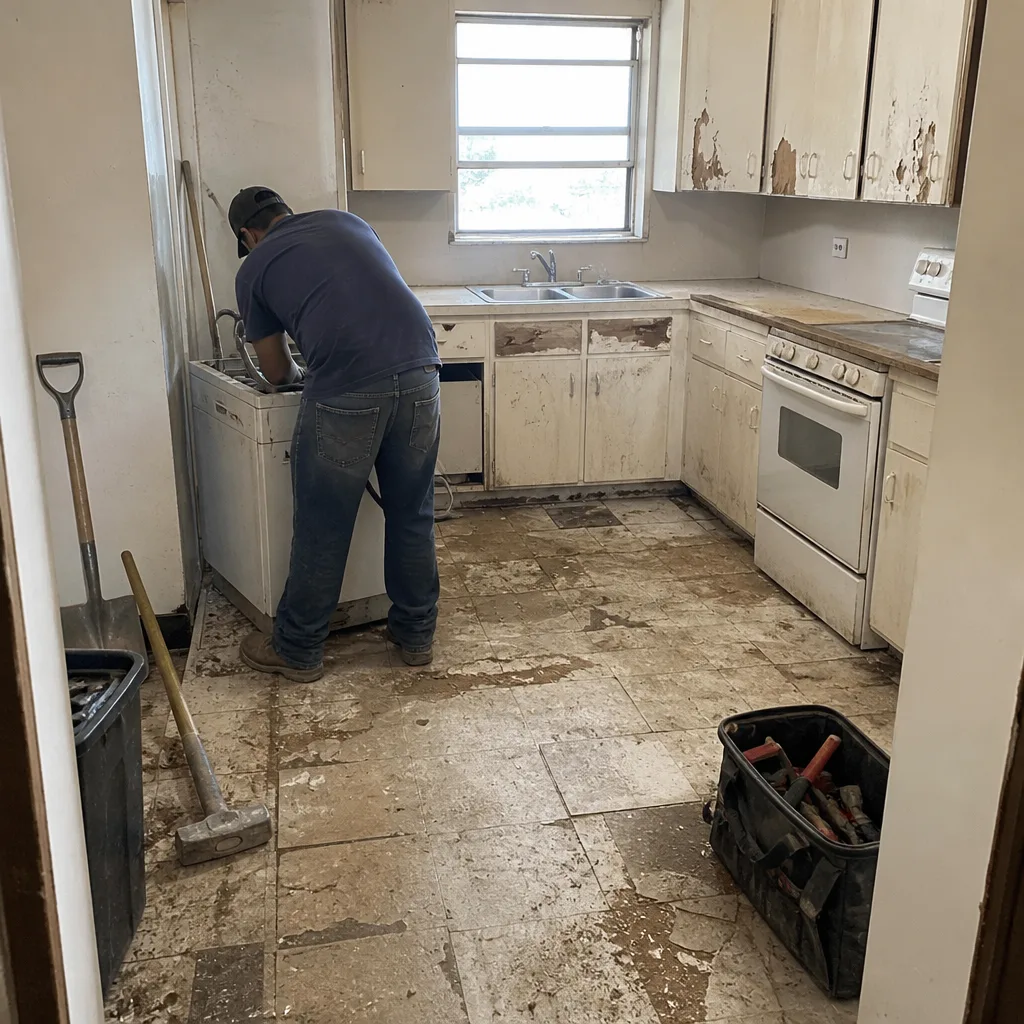 Before
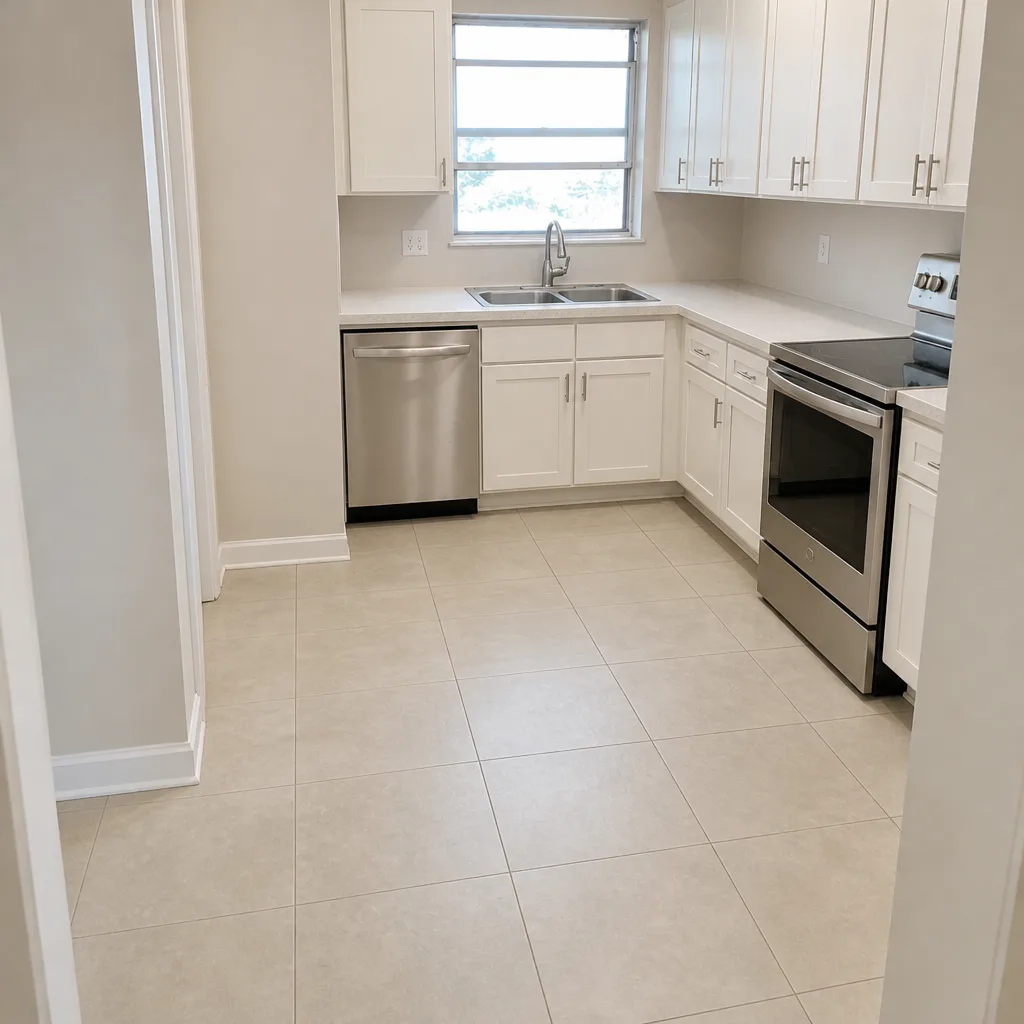 After
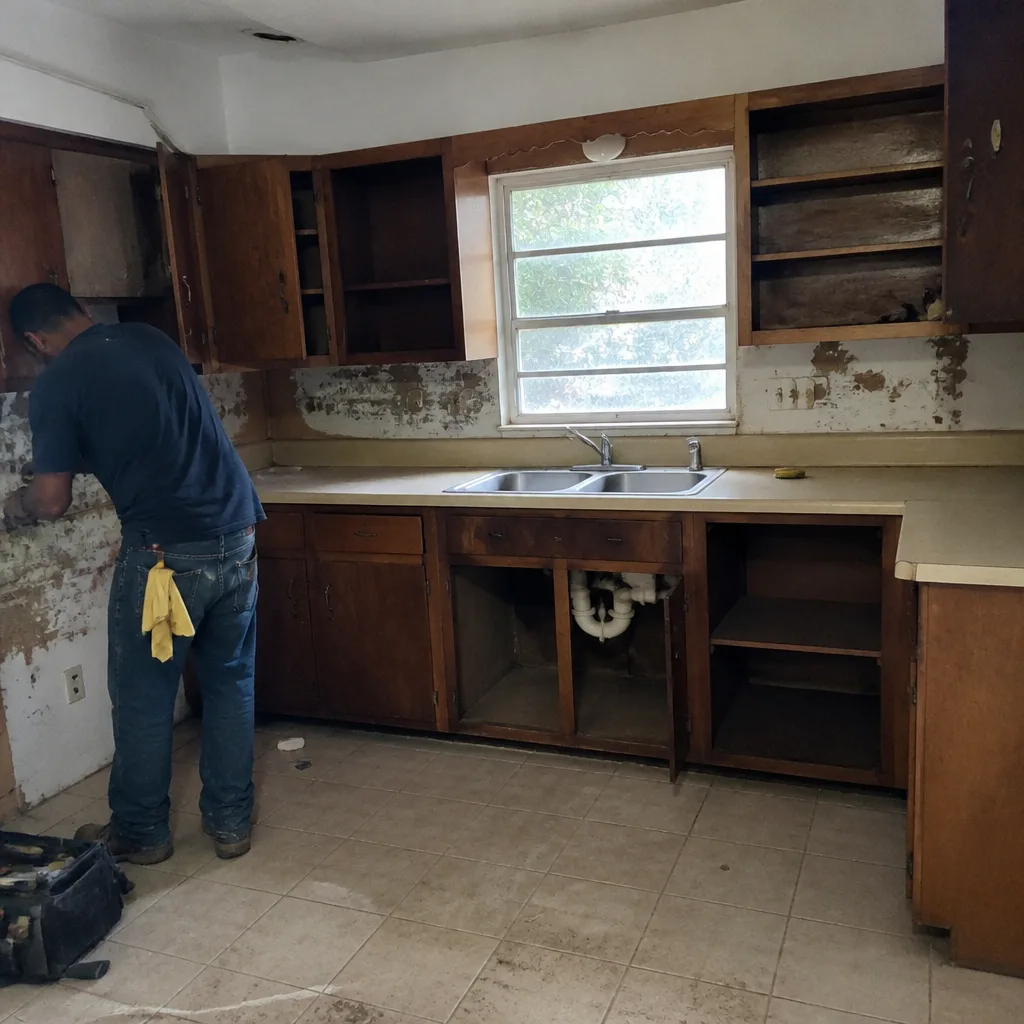 Before
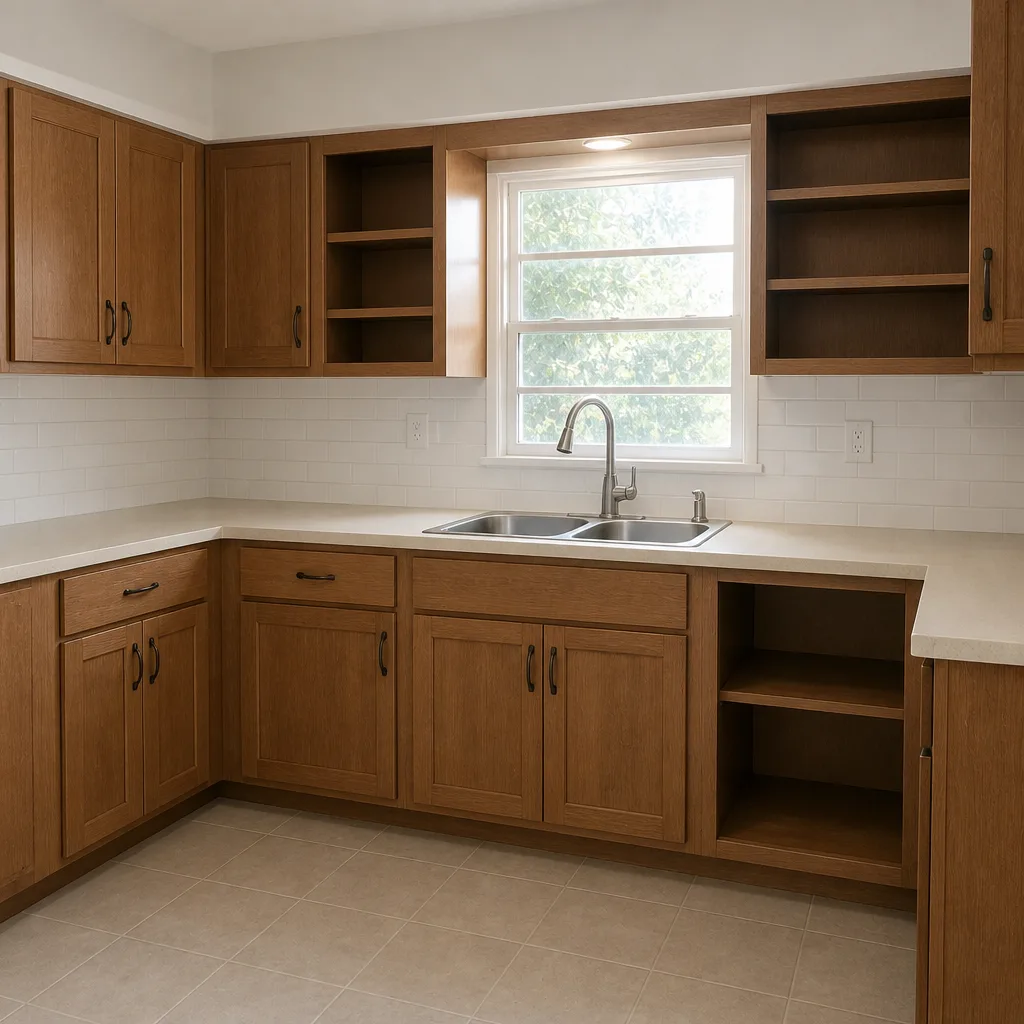 After
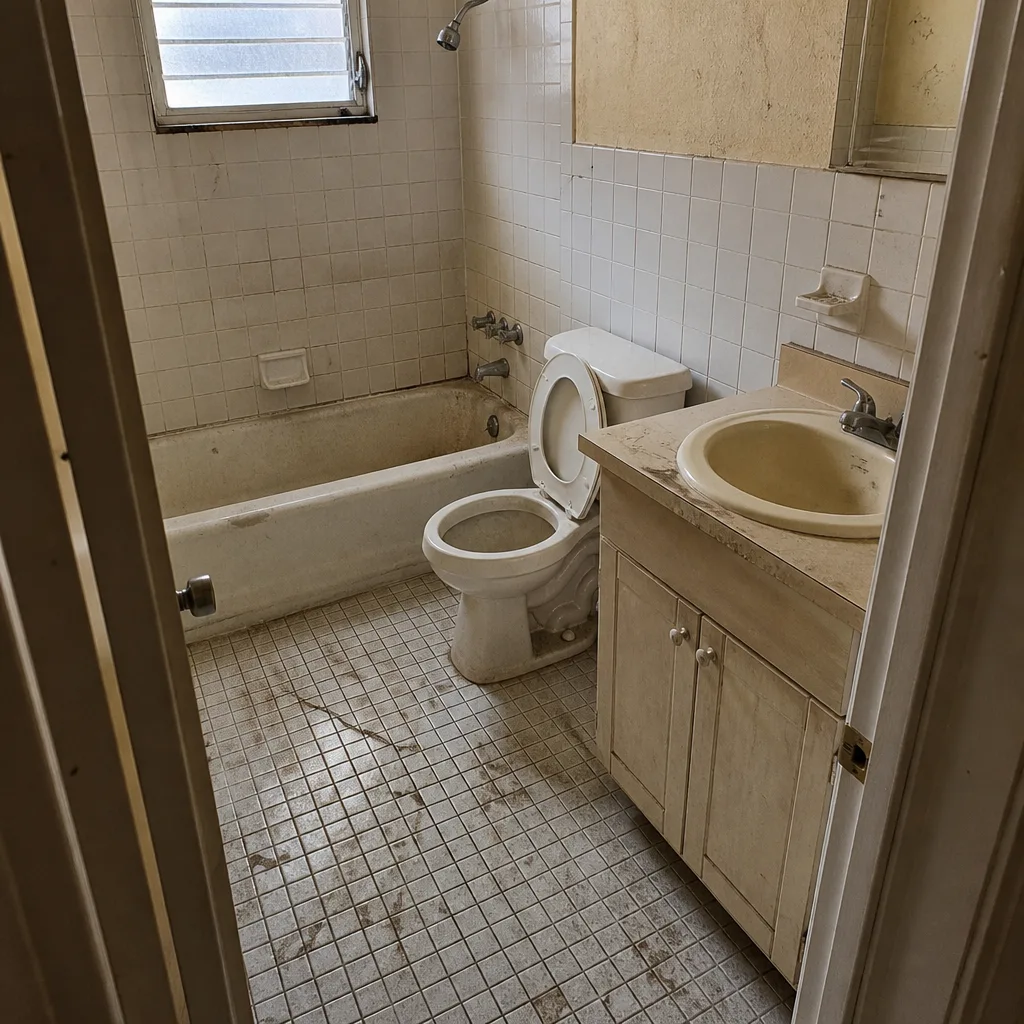 Before
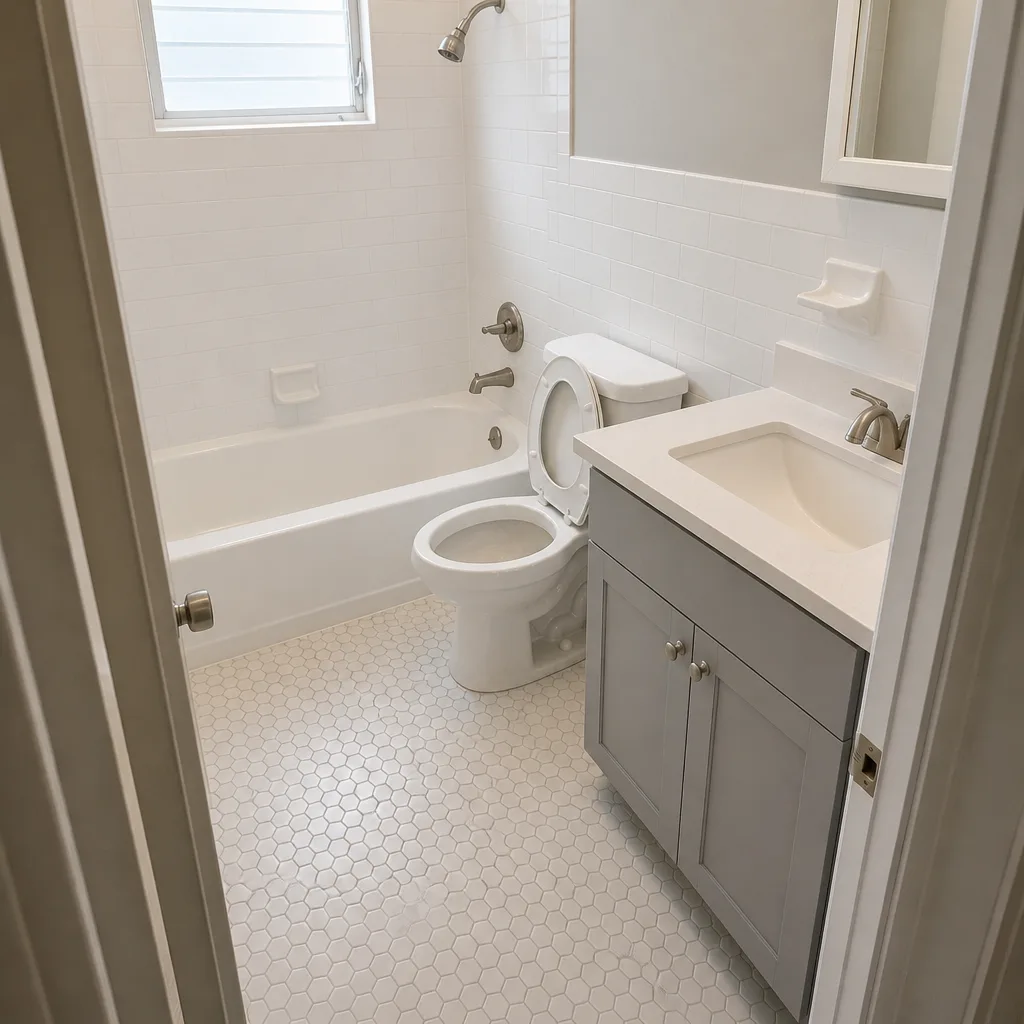 After
When to Call a Professional
Some plans are a signed scope away from starting; others are a demolition project in disguise. Call a professional if the plan involves any wall move, any plumbing or electrical relocation, a gas line change, or an exterior window or door opening. Those are the points where Miami-Dade permits, inspections, and the structural questions meet, and where an unpermitted shortcut costs the most later. The same holds for a full cabinet replacement if the sink drain has to move. If you’re pricing a bathroom as part of the same project, that’s a good time to get both scopes in writing together.
Bradford Remodeling Co Miami offers free estimates in Miami. Call (844) 797-4435 to schedule yours. A technician with up to 22 years of experience writes the line-item price before any work begins.
Frequently Asked Questions

A full gut kitchen remodel in Miami generally runs $28,000 to $75,000 for a mid-grade build, and $75,000 to $150,000+ for a high-end kitchen with custom cabinetry and impact-rated openings. The unique cost drivers are plywood cabinet construction (20 – 35% more than MDF boxes), impact-rated windows if the exterior wall opens, and the permit work on any layout change. Call (844) 797-4435 for an exact written quote on your kitchen – estimates are free.
Yes, if the work moves walls, plumbing, gas lines, electrical circuits, or any exterior opening. Cosmetic work – refacing, painting, a countertop swap on existing cabinets – usually does not. The gray area is a full cabinet replacement where plumbing stays put; that’s a code question for the permit office. Pulling permits and passing inspections is part of how we run a job, and a written scope makes the permit scope unambiguous.
Plywood cabinet boxes with a hardwood face frame hold up best in Miami’s humidity. Solid all-wood construction is excellent where the maker allows for seasonal movement. MDF-core boxes are the most common choice nationally and the first to fail in a coastal Miami kitchen because the edges swell and the doors stop closing flush. The premium for plywood is real and is tied directly to how long the cabinets will last.
No. A written price before any work begins is part of The Garrison Standard, and it’s non-negotiable. The number at the door doesn’t move. If a discovery behind the wall adds work, the addition is priced and approved in writing before it’s done – not added to the invoice quietly.
Often yes. FPL rebate program terms and eligible product lists change, so confirm the current terms with FPL, and confirm the federal credit eligibility for the specific appliance. Both apply in the same project year when the appliance qualifies for both. Choose appliances from the FPL-eligible list before the cabinetry is finalized so the cutouts match the order.
It covers workmanship defects in the installation for a full year after the project is complete: cabinet boxes pulling from the wall, doors that stop closing flush, drain leaks at our rough-in joints, tile that lifts, countertop seams that open, and caulking that fails. It does not cover manufacturer defects in the appliances or surfaces (those carry the brand’s own warranty) or normal wear. A claim is a phone call and a return visit, and it’s at no charge.
The Bottom Line
The Miami version of a kitchen remodel is defined by three things national guides skip: plywood cabinet boxes that survive the humidity, impact-rated windows when the exterior wall opens, and the FPL rebate paperwork that can offset the appliance line. Add a Miami-Dade permit where the scope triggers one, settle the plan in inches before demolition, and get every number in writing. Doing that in order is the difference between a kitchen you live with and a kitchen you replace in a few years. A written price, named brands, and a signed one-year guarantee aren’t extra – they’re the baseline.
Call (844) 797-4435 to schedule your free estimate. A live person answers the phone, and the written price is in your hands before any tool comes out.
Written by the team at Bradford Remodeling Co Miami.