Last updated November 18, 2026






Free written scope consultation - allowances, timeline, and change-order rules on paper before a single trade is scheduled
General Contractor Warning Signs Every Homeowner Should Know
Florida’s DBPR license lookup is free, public, and takes about four minutes. It shows license status, complaint history, and disciplinary actions going back years. Most homeowners who end up filing a complaint against a contractor never ran that search before they signed. The same is true of lien records at the county clerk and the fine print on a Certificate of Insurance. The red flags that actually predict a failed remodel are on paper, in public records, before anyone touches your house. This guide walks through the checks that matter, in Miami and everywhere else, so you know what a clean result looks like and what should make you walk away.
Quick Answer
The biggest contractor warning signs are verifiable, not emotional: a license that’s expired, suspended, or on probation in the state database, a pattern of mechanic’s liens filed against the contractor, a Certificate of Insurance that’s expired or names the wrong business entity, an upfront deposit over 10 percent (Florida caps it there for most residential work), and a contract missing an exclusions list, a payment schedule, or a change-order process. Run those five checks before you sign, and you’ll catch the problems that “trust your gut” advice misses.
Styles & brands we work with
- Kitchen remodeling
- Bathroom remodeling
- Home additions & ADU
- Roofing
- Windows & doors
- Driveway & pavers
- Fence
Table of Contents
- How to Verify a Contractor’s License on Florida’s DBPR Site
- What “Probation” or “Suspended” Actually Means in Practice
- Pulling Lien History Through Miami-Dade County Records
- Reading a Certificate of Insurance (and Spotting a Fake)
- Why a Big Upfront Deposit Is a Red Flag and a Legal Violation
- The Contract Omissions That Signal Scope-Creep
- The Behavioral Red Flags That Show Up After You Sign
- Miami-Specific Red Flags: Permits, Wind Zone, and Salt Air
How to Verify a Contractor’s License on Florida’s DBPR Site
Go to the Florida Department of Business and Professional Regulation site and search under “Verify a License” by name or license number. Four minutes, no fee. Here’s what a homeowner should actually do with the result.
- Confirm the license type matches the job. A Certified General Contractor (CGC) can take on structural and whole-home work. A Certified Residential Contractor (CRC) is narrower. A “handyman” license or no license at all means the person cannot legally pull the permits your project needs.
- Check the status line. “Current, Active” is what you want. “Delinquent,” “Inactive,” “Null and Void,” “Suspended,” or “Probation” all require an explanation before you proceed.
- Read the complaint and disciplinary history. This is where most homeowners stop looking, and it’s where the real signal lives. A single old complaint that was dismissed is different from three in two years with discipline attached.
- Confirm the name on the license matches the name on the contract and the COI. If the license belongs to “ABC Construction of South Florida, LLC” but your contract is with “ABC Home Improvements,” those are two different legal entities and you have no contractual relationship with the licensed party.
In our experience across Miami projects, the mismatch in step four is the one homeowners miss most. It’s not a clerical error. It’s how an unlicensed operator uses a friend’s license to pass inspection while keeping no legal responsibility if something fails.
What “Probation” or “Suspended” Actually Means in Practice
A “probation” status means the contractor can still work, but under conditions the state imposes – typically heightened reporting, restricted scope, or a required corrective action plan. A “suspended” status means they should not be operating at all during the suspension window. Either one is a stop-and-ask signal.
Operationally, probation often signals that a prior job went badly enough to reach the DBPR’s disciplinary process. That could be pulling permits without a license, abandoning a job mid-construction, or fraudulent billing. None of those are bankruptcy-of-the-heart stories – they’re documented state findings.
In Miami, where the market moves fast and out-of-state crews arrive seasonally, we’ve seen homeowners hire a “probationary” contractor for a kitchen gut who then vanished mid-demo. The state record was there the whole time. Ask a probationary contractor directly what the probation is for, when it ends, and whether the state has set any limits on their work. If they won’t answer, you have your answer.
Pulling Lien History Through Miami-Dade County Records
Mechanic’s liens are the paper trail of unpaid subs and suppliers. If a general contractor doesn’t pay their electrician or cabinet supplier, the supplier can file a lien on your property even though you paid the GC in full. The clerk of court keeps this public. In Miami-Dade you can search the county clerk’s official records online by the contractor’s legal name.
- One or two old liens from years ago with a clean recent record: common in construction, usually a sign of a past dispute rather than a systemic problem.
- A pattern in the last 24 months – three or more liens against the contractor’s entity: this signals a cash-flow problem that could land on your property as a lien or a mid-project walk-off.
- Liens against the same property multiple times: a red flag about a specific address, but it also tends to mean the contractor’s paperwork or payment process is loose.
- Liens filed by the same supplier repeatedly: a specific vendor is not getting paid. If you’re planning a kitchen with KraftMaid or Wellborn cabinetry, ask who the cabinetry supplier is and check whether that supplier has taken lien action against the contractor.
This check takes longer than the DBPR search, maybe 15 minutes. It catches the failures the license record doesn’t show. Most homeowners filing complaints after a botched Miami remodel find out about the lien history after the fact, not before.
Reading a Certificate of Insurance (and Spotting a Fake)
A Certificate of Insurance is a one-page document from the contractor’s insurer listing general liability and workers’ compensation coverage, the policy effective dates, the named insured, and often the certificate holder. It can be current, expired, forged, or naming the wrong entity – and only one of those four looks obviously wrong at a glance.
Five things to verify:
- Effective dates. The “policy period” line must cover today. An expired COI is functionally no insurance.
- Named insured matches the contract and DBPR record. If the COI reads “John Smith d/b/a ABC” but the contract is with “ABC Construction LLC,” those are different legal parties.
- General liability limit is adequate. $1 million per occurrence is typical. Some homeowner policies require higher for large projects.
- Workers’ comp is active, or the state has granted an approved exemption. If a worker is injured on your Miami property and the contractor has neither comp nor a valid exemption, the exposure can follow you.
- Call the insurer directly using the number on the insurer’s public site – not the number printed on the COI. A forged COI is rare but real, and the only way to catch it is to verify with the source.
Ask for a COI naming you or your property as certificate holder on large projects. A contractor who runs a disciplined operation sends it the same day. A contractor who doesn’t, stalls.
Why a Big Upfront Deposit Is a Red Flag and a Legal Violation
Florida Statute 489.126 caps the deposit a contractor may collect before starting work on a residential project at 10 percent of the contract price (plus a limited allowance for special-order materials). A contractor asking for 30, 40, or 50 percent up front isn’t just aggressive – they’re outside the statute. That’s a documented red flag, not a “style difference.”
Large deposits fail in three ways:
- Cash-flow masking. The deposit funds the contractor’s previous job’s final bills rather than yours. When the next deposit fails to arrive, your project stalls.
- Walk-off leverage. Once 40 percent is in hand, the contractor has little financial incentive to finish at the pace you expected.
- Refund difficulty. Getting a deposit back from an unresponsive contractor means civil court, usually months, often more than the deposit itself.
What a disciplined payment schedule looks like: a modest deposit (10 percent or less), then draws tied to completed and inspected milestones – framing complete, rough-in inspections passed, drywall hung, cabinets delivered and installed, punch list signed off. Every draw released against a written schedule, not a phone call.
The Contract Omissions That Signal Scope-Creep
A contract that lists what’s included but not what’s excluded is set up for scope creep. The three specific omissions that show up before a reprice:
- No exclusions list. A good contract names what’s not included: permit fees, haul-away, drywall repair after electrical work, cabinet removal, tile demo, appliance relocation. Absent that list, anything that comes up becomes “extra.”
- No payment schedule. A single lump-sum line (“50 percent at signing, 50 percent at completion”) is not a payment schedule. Milestone-based draws with defined amounts and dates are.
- No defined change-order process. This should spell out: written change order before work, signed by both parties, priced at a stated labor rate and material markup, and added to the schedule. Without that process, every “small adjustment” is a verbal figure that moves at the door.
Bradford’s approach, following The Garrison Standard, is that every price is written before any work starts and stays put unless the homeowner signs a written change order. That’s not a marketing promise – it’s a contract structure. When a contractor’s paperwork won’t commit to it, that’s the answer.
The Behavioral Red Flags That Show Up After You Sign
The bureau-level checks catch the contractors who shouldn’t start. These catch the ones who shouldn’t continue:
- Subs you can’t identify. A disciplined contractor has background-checked, uniformed technicians on every job, so you know who’s on your property. Unmarked vans and rotating strangers are a management failure at best.
- Voicemail-only contact. A remodel is a weeks-long relationship. If the office doesn’t answer by phone today, it won’t answer when a rough-in inspection fails.
- No written schedule. Week one should arrive with a schedule. Absent one, everything is “soon.”
- Site left loose. Dust barriers down, debris in the yard, tools unsecured overnight in a Miami home during a remodel – these are discipline failures that predict finish work problems.
- No guarantee in writing at close. A verbal “we’ll make it right” is not a guarantee. Ours is the 365-Day Done Right Promise: if the work doesn’t hold within a full year of completion, we return and correct it at no charge. In writing, at close, in your hand.
Miami-Specific Red Flags: Permits, Wind Zone, and Salt Air
Some flags are specific to Miami construction:
- Won’t pull permits. Miami-Dade and City of Miami require permits for structural, electrical, plumbing, and most mechanical work. A contractor who offers to skip the permit “to save you money” is writing a future problem into your title. When you sell, unpermitted work surfaces in the closing process.
- Doesn’t know the wind-borne debris code. Product approvals (NOA – Notice of Acceptance) matter on exterior work in Miami-Dade’s High-Velocity Hurricane Zone. A roofer who can’t tell you the NOA number on the shingle or underlayment shouldn’t be on your roof.
- Unfamiliar with salt-air specifications. For coastal Miami properties, exterior hardware and fasteners need to be rated for the marine environment. Stainless, hot-dip galvanized, or manufacturer-approved coastal systems. A contractor installing standard fasteners on a Miami Beach home is a future failure.
- No documented material brands. When a Miami contractor quotes “premium impact windows” without naming the brand, or “architectural shingles” without a manufacturer, you can’t verify a spec and you can’t trace a warranty. Named products – PGT for impact windows, Atlas or Tamko for roofing, James Hardie for siding – come with manufacturer specifications and a paper trail.
Common Mistakes to Avoid
- Signing before running the DBPR check. Four minutes. Most homeowners who end up in disputes never did it.
- Accepting a COI at face value. Verify it with the insurer using a number you looked up yourself, not the one printed on the certificate.
- Paying more than 10 percent at signing. Florida caps it for a reason. A contractor asking for 40 percent is asking you to take on their cash-flow problem.
- Trusting a verbal scope. In Miami, where subs often speak Spanish and the contract is English, the written scope is the only scope. If it isn’t on the page, it isn’t in the deal.
- Letting “the permit is coming.” If a permit isn’t pulled before demo starts, it’s usually not coming. Ask for the permit number and pull it yourself on the Miami-Dade or City of Miami portal.
- Confusing a warranty with a guarantee. Manufacturer warranties cover the product. The installer’s guarantee covers the installation. A shingle that’s warranted for 30 years by Atlas means nothing if the contractor’s installation isn’t guaranteed separately. Ours is: 365 days, written, on the labor.
- Choosing on price alone in a market with wide swings. The lowest bid on a Miami kitchen remodel is often the one with the missing exclusions list. A written scope and a written price are the comparison points, not the bottom line.
See the difference
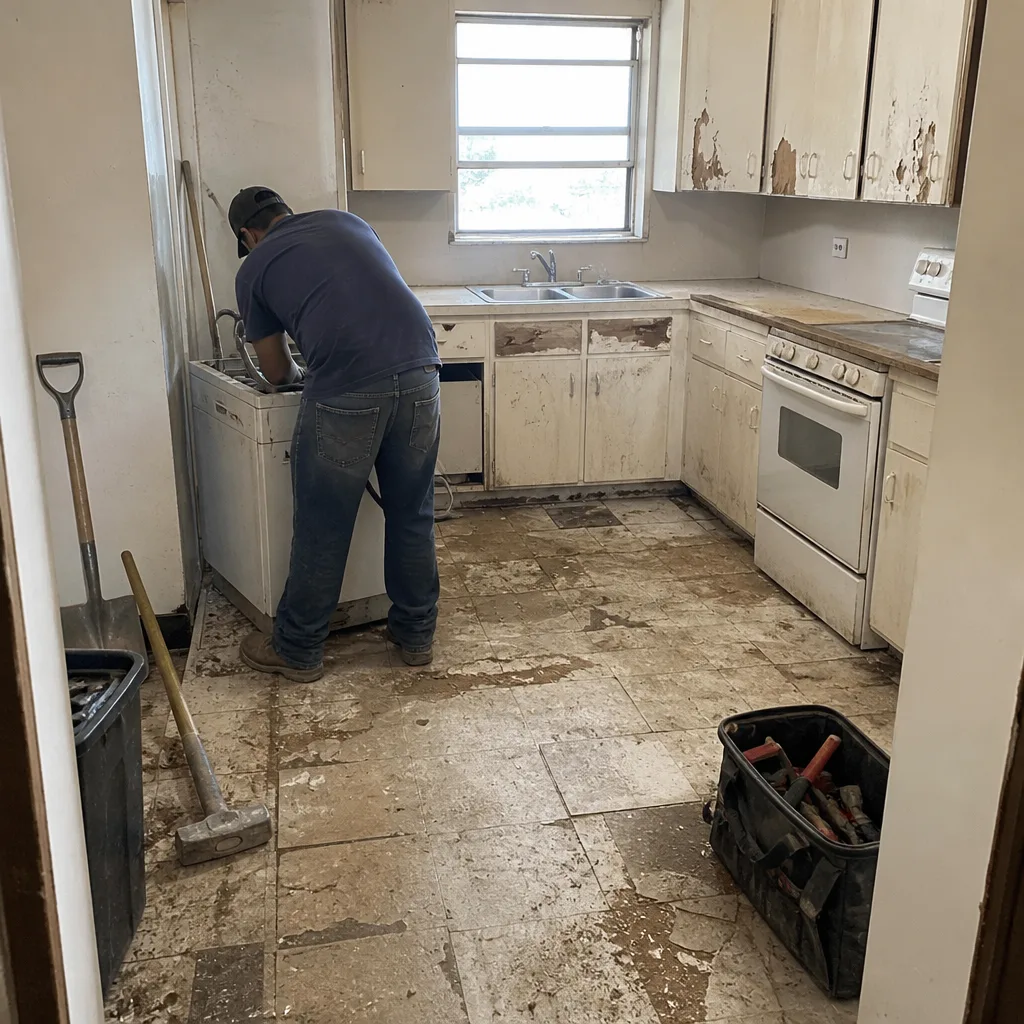 Before
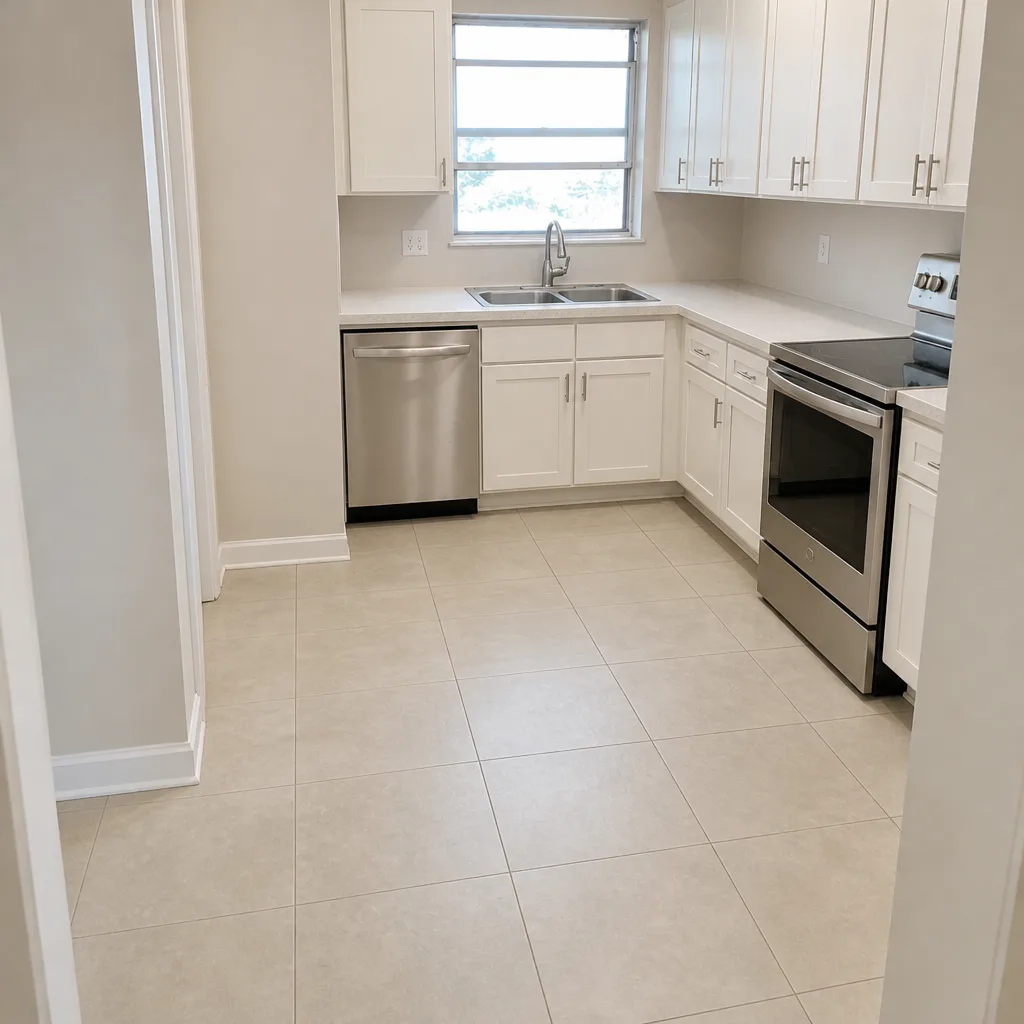 After
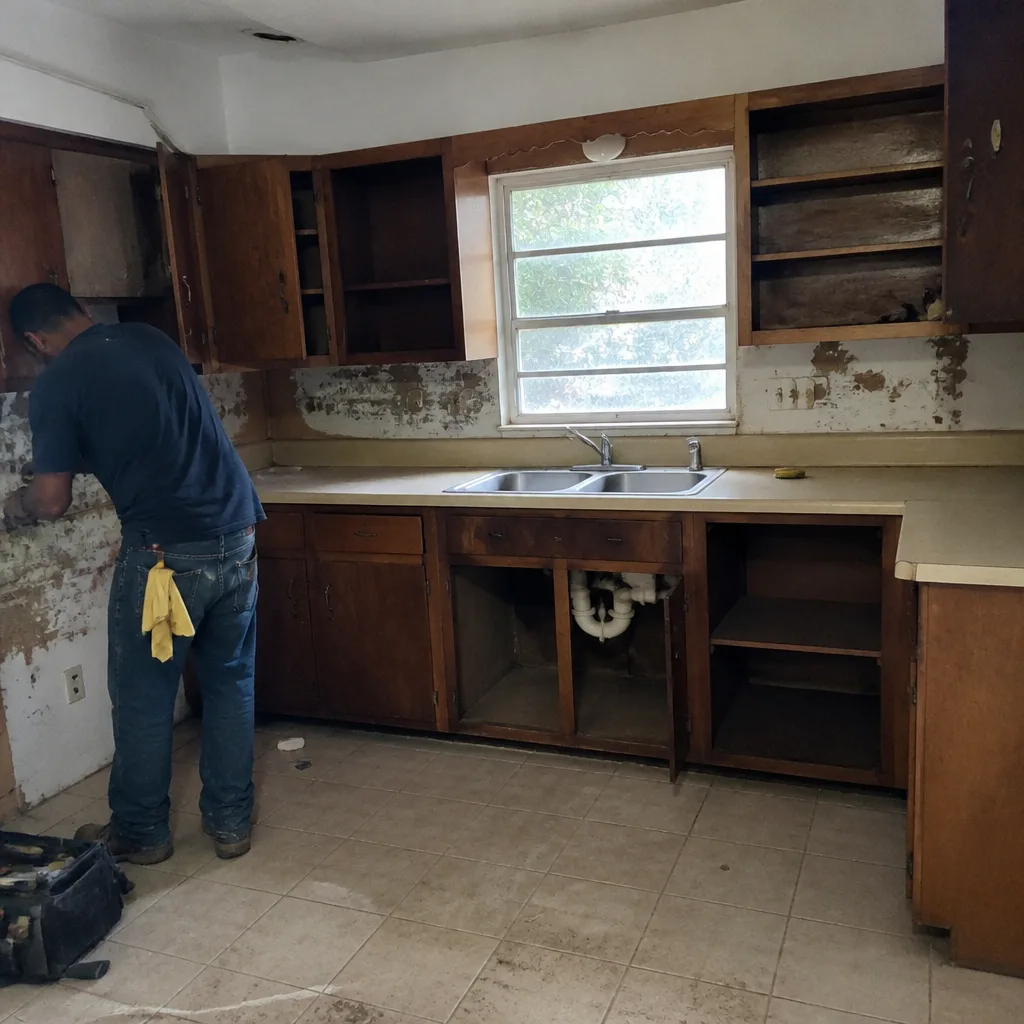 Before
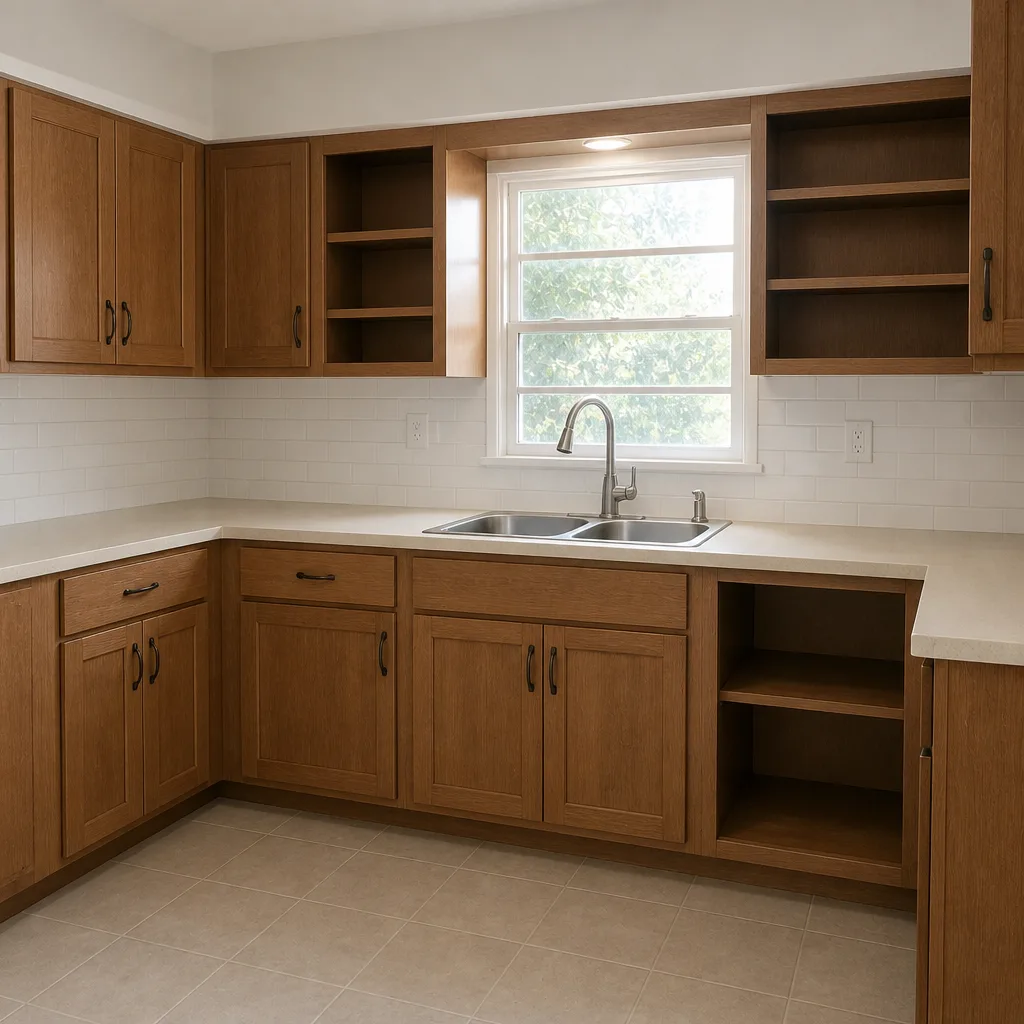 After
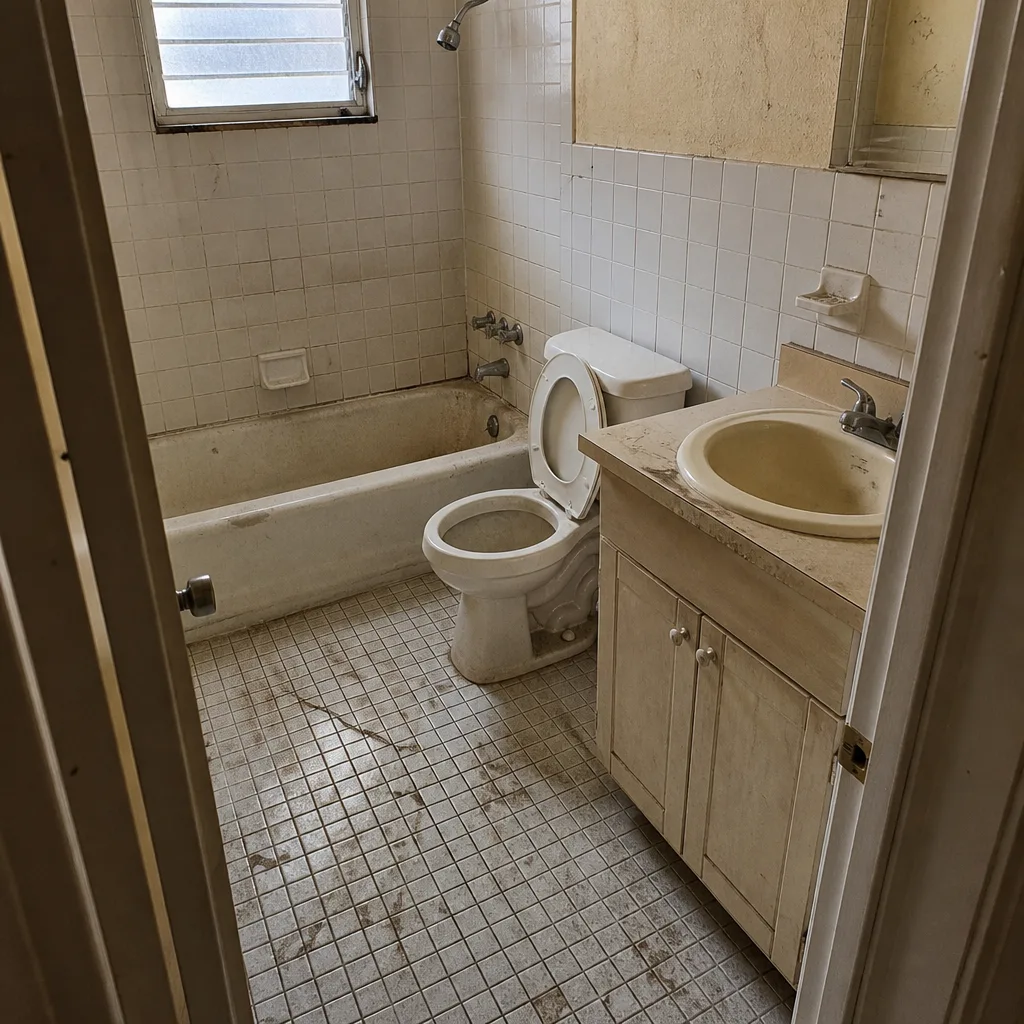 Before
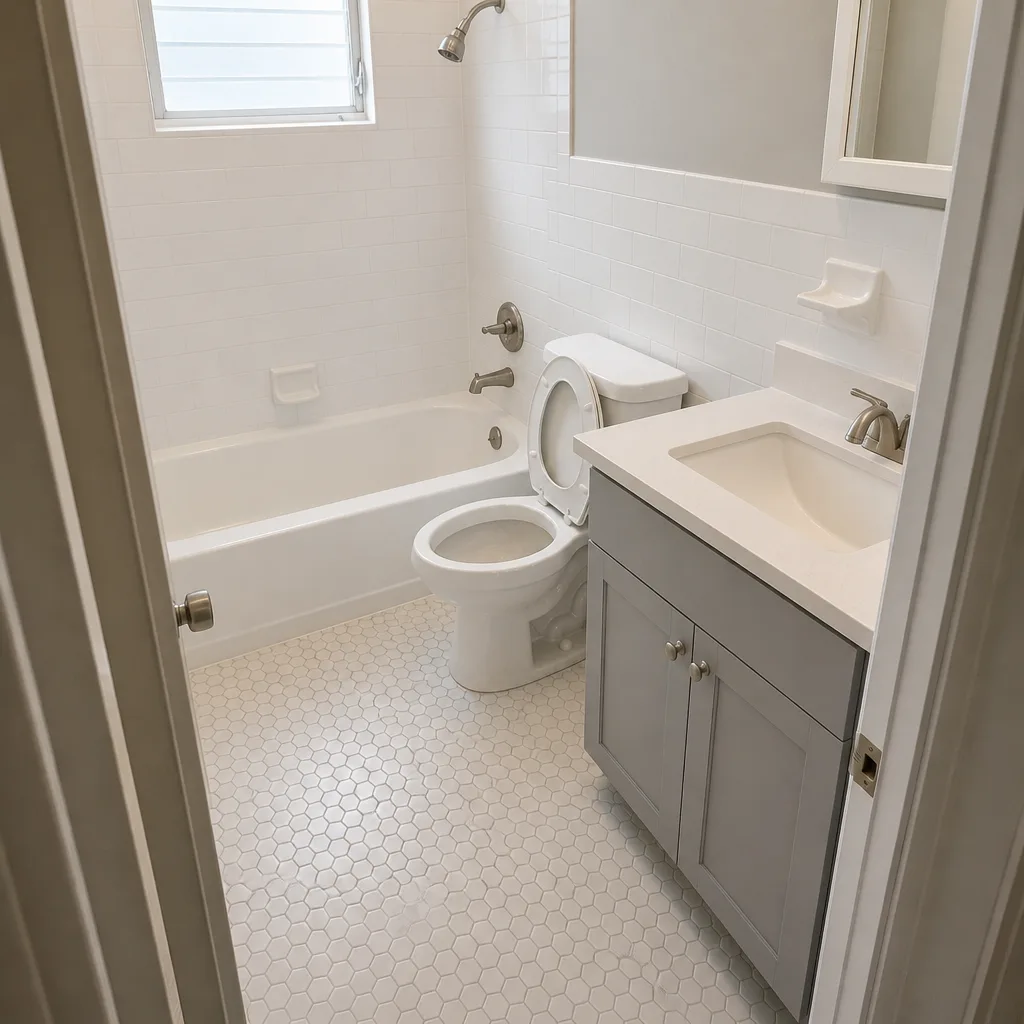 After
When to Call a Professional
Some situations call for a licensed contractor immediately, not after another round of bids. If a current contractor has stopped showing up for more than five working days without explanation, if a mechanic’s lien has been filed against your property, if work was started without a permit and inspections are now required, or if a plumbing or electrical rough-in has been covered over without inspection, stop and call a professional before any further work. Continuing to pay into a stalled or unpermitted project is how a $40,000 remodel becomes a $70,000 problem. For Miami homeowners who want the paperwork done the way it should be, our general contractor service in Miami runs every project with a written price, permits pulled up front, and inspections passed before any draw is released.
Bradford Remodeling Co Miami offers free estimates in Miami – call (844) 797-4435 to schedule one.
Frequently Asked Questions

Search the contractor’s legal name or license number on the Florida DBPR “Verify a License” tool at myfloridalicense.com. The result shows license type (CGC, CRC, or specialty), status, expiration date, complaint history, and disciplinary actions. It’s free and takes about four minutes. Call (844) 797-4435 for a free estimate if you want a licensed contractor’s written scope to compare against.
Florida Statute 489.126 caps the deposit on most residential projects at 10 percent of the contract price, plus a limited allowance for special-order materials. A contractor requesting 30, 40, or 50 percent up front is outside the statute, which is both a red flag and a legal violation. Bradford’s written prices follow that cap, and every schedule we sign ties further draws to inspected milestones. Call (844) 797-4435 for a free estimate.
Four things: current effective dates, a named insured that matches the contract and DBPR record, adequate general liability (usually $1 million per occurrence), and active workers’ compensation (or a valid state exemption). Then call the insurer directly using a number you looked up on the insurer’s own site. A COI is only as good as the call that verifies it. Call (844) 797-4435 for a free estimate that includes our insurance documentation up front.
A mechanic’s lien is a supplier’s or subcontractor’s claim of non-payment. A pattern of liens in the last 24 months against the contractor’s business entity signals cash-flow problems that could land on your property – even if you pay the general contractor in full. Check your county clerk’s official records before signing. Call (844) 797-4435 for a free estimate.
Yes. Miami-Dade and the City of Miami require permits for structural, electrical, plumbing, and most mechanical work, and we pull them as part of the written scope. Inspections are scheduled and passed before the corresponding draw is released. If a contractor offers to skip the permit to save you money, that’s a red flag worth taking seriously. Call (844) 797-4435 for a free estimate.
Every completed Bradford project carries a written, full-year guarantee on our labor. If the work fails to hold within 365 days of completion, we return and correct it at no charge. It’s separate from manufacturer warranties (like the ones on PGT windows or Atlas shingles) and it’s delivered in writing at job close, in your hand. Call (844) 797-4435 for a free estimate.
The Bottom Line
The red flags that matter on a Miami remodel are on paper before a crew ever shows up. Search the DBPR license record – four minutes, free. Check county lien history for the past 24 months. Verify the COI directly with the insurer. Refuse any deposit over 10 percent. And insist on a contract with an exclusions list, a milestone payment schedule, and a written change-order process. Those five checks catch what “trust your gut” misses. If a contractor passes all of them, you’re ready to move. Browse Bradford Remodeling Co Miami’s home page, our kitchen remodeling in Miami, or bathroom remodeling in Miami pages for what a disciplined scope looks like in the trades you’re hiring.
To schedule a free estimate with a written price and our documentation in hand, call Bradford Remodeling Co Miami at (844) 797-4435. A live person answers, 24 hours a day, and every project is covered by the 365-Day Done Right Promise.
Written by the team at Bradford Remodeling Co Miami.