Last updated November 18, 2026





Free written scope consultation - allowances, timeline, and change-order rules on paper before a single trade is scheduled
Bathroom Remodeling Warning Signs Every Homeowner Should Know
If a bathroom remodel contractor doesn’t name a waterproofing system – Schluter, RedGard, WEDI, or one like them – before you sign anything, one of two things is true. They plan to skip it, or they don’t know it’s required. Either answer tells you what the rest of the job will look like. Bathrooms are the smallest remodel most homeowners take on and the one with the least room for error, because water is patient and walls are closed up fast. In our experience across Miami, the signs that predict a failed job cluster at three moments: the bid, the permit pull, and the waterproofing phase. This guide shows you what to look for at each one, so you can stop a bad job before it’s inside your walls.
Quick Answer
Bathroom remodeling warning signs are the specific details a contractor leaves out of a bid, dodges at the permit stage, or rushes past before tile goes up – no waterproofing membrane named, no tile substrate specified, no ventilation CFM figure, no inspection schedule, a verbal change order, or an offhand offer to “skip the permit and save you money.” Any one of these is a signal, and several together mean you should walk. The most reliable checkpoint is the waterproofing phase: a legitimate contractor will happily let you look at the membrane before it’s covered.
Styles & brands we work with
- Kitchen remodeling
- Bathroom remodeling
- Home additions & ADU
- Roofing
- Windows & doors
- Driveway & pavers
- Fence
Table of Contents
- Bid-stage warning signs every bathroom contract should clear
- The permit avoidance signal and who holds the liability
- Waterproofing: your go/no-go checkpoint before tile
- Payment schedule red flags
- Mid-project signs a remodel is heading toward abandonment
- Ventilation, substrate, and inspection: the details competitors skip
- Miami code and climate realities that affect your bathroom
- Questions to ask before you sign
Bid-Stage Warning Signs Every Bathroom Contract Should Clear
A bathroom bid is where a contractor shows you what they understand. A low number with a short paragraph next to it isn’t a bargain – it’s a placeholder. A real bathroom bid can’t be written in three lines, because a bathroom has more concealed work per square foot than any other room in the house. When we review bids for homeowners in Miami, the missing items tell us more than the total on the bottom line.
Here’s what a bathroom bid should name outright, and what its absence means:
- The waterproofing product. A brand and system – Schluter Kerdi, RedGard, WEDI board, or an equivalent. “Waterproofing” without a product name is a phrase, not a plan.
- The tile substrate. Cement backer board, a foam board system, or mud-set – with a thickness. A substrate (the surface tile bonds to) is what holds the wall flat and dry; the wrong one fails before the tile does.
- Ventilation CFM. An exhaust fan rated in cubic feet per minute for the room’s size, ducted outside. Not a window, not a fan vented into the attic.
- The inspection schedule. Which inspections the contractor will pull and pass, and who calls for them. If the bid has no mention of inspections, the permit is probably in question.
- The line-item breakdown. Fixtures, tile, cabinetry, labor, demolition, and drywall as separate lines. A single round number hides what’s actually included.
Bradford Remodeling writes every price in writing before a tool comes out – that’s The Garrison Standard, and it’s non-negotiable. We work from documented brand specifications, so a bid can name KraftMaid vanities, Kohler or Moen fixtures, and Cambria surfaces and the number won’t move at the door. When you’re comparing anything else, ask to see the same detail. If a contractor can’t produce it, that’s your first warning sign, and it comes before any money changes hands.
The Permit Avoidance Signal and Who Holds the Liability
When a contractor offers to “skip the permit and save you money” on a bathroom remodel, they’re handing you the entire legal and insurance liability. Miami-Dade County requires a permit for a bathroom remodel that moves plumbing, changes electrical, or alters walls or the structural layout. A contractor who suggests skipping it is not saving you money – they’re moving the risk to your name.
Here’s who carries that risk once the work is unpermitted:
- Your homeowner’s insurance. Many carriers can decline a water damage or fire claim tied to unpermitted work. If a shower pan fails and floods a floor below, that claim can be denied.
- Your resale or refinance. Unpermitted work surfaces during a title search or inspection and has to be disclosed. Correcting it later means opening walls a second time.
- The inspection record. A permitted job gets inspected at the rough-in stage (plumbing and electrical before walls close) and at final. No record means no proof the work was done to code.
In Miami’s market, a permit isn’t paperwork – it’s the paper trail that protects you. A legitimate contractor pulls the permit under their own name and calls the inspections. If a bidder suggests working around it, that is a hard stop. Bradford pulls permits for every job that requires one; ask any bidder the direct question – “Who pulls the permit?” – and listen for a straight answer.
Waterproofing: Your Go/No-Go Checkpoint Before Tile
Waterproofing is the single most important step in a bathroom remodel and the one homeowners almost never see. Once tile covers the membrane, you have no proof it exists. That’s why requesting to see the membrane before the tile goes up is a reasonable ask – and a legitimate contractor will never refuse it.
When the substrate is up and the membrane is on, the walls look ready for tile, but the waterproofing has to pass water-testing. This is where a corner-cut gets buried for a decade. Ask to see these before the first tile is set:
- The membrane itself. A visible membrane sheet or a cured liquid coating. Not drywall, not green board, not cement board with no membrane over it.
- The seams and corners. Banded and sealed, especially at the shower curb, niches, and where wall meets floor. Corners are where membranes fail.
- The shower pan. A pre-sloped pan or a bonded membrane turned up the walls several inches – not a flat floor with a drain hole.
- The drain and valve penetrations. Sealed correctly. These are the spots that leak when the seal is skipped.
- Any evidence of a filled-pan water test – the shower pan held full of water for the test period without dropping. A contractor who knows the job should be able to show this, or explain when they do it.
This is why a bid that never names the waterproofing system matters so much. If a contractor has no membrane in the estimate, there will be none behind the tile. In our experience tracking failures across Miami, most shower leaks trace back to this phase – a step skipped, a seam unbanded, a membrane missing altogether. Ask to see it, and hold the job to that checkpoint.
Payment Schedule Red Flags
How a contractor asks to be paid is as telling as how they bid. A bathroom is a small job by dollars in most cities, but in Miami it’s still a real commitment, and a payment schedule is where the risk lives. The right structure keeps your money in step with completed, inspected work. The wrong one front-loads it.
Watch for these:
- A large deposit before work begins. A big down payment, well above the cost of materials on hand, leaves you exposed if the crew never comes back. Ask what the deposit covers, and get it in writing.
- Full payment before inspection sign-off. Paying the whole job before the city has inspected it means you’re funding an outcome you haven’t confirmed.
- Verbal change orders. A request to “just add a hundred and I’ll sort it out” with nothing in writing is the front door to a surprise invoice. Every change should be written and signed before it happens.
- Cash-only demands. Cash-only requests with no receipt trail leave you with no record of payment, and the change-order conversation becomes three people’s words against one.
Bradford’s model exists because homeowners have been burned by exactly these moves. Every price comes in writing before work starts, and it doesn’t move at the door. Your handshake isn’t the contract – the signed scope and the payment schedule are.
Mid-Project Signs a Remodel Is Heading Toward Abandonment
Most abandoned remodels don’t announce themselves. The signs build before the crew disappears – a week of silence, a scope that keeps expanding without written approval, a site that gets messier instead of cleaner. Catching the pattern early is your best protection, and good luck can’t replace documentation.
Here’s what to watch for, and what to do about it:
- Days of unexplained no-shows. It happens once, it’s life. When it repeats and calls go unanswered, the risk is real. Stop paying on a schedule that outpaces progress.
- Work creeping without a written change order. “While we’re in there” is how budgets die. Every addition should be priced in writing before it happens.
- Subcontractors showing up with no written scope. Multiple trades with no signed plan is a project running on handshakes. It rarely finishes.
- A site left dirty and unprotected for days. A crew that stops protecting the site usually stops managing the job. Clean sites close; abandoned sites don’t.
- Invoices ahead of the work. A push for money before the phase is done is a cash-flow signal, and it’s not in your favor.
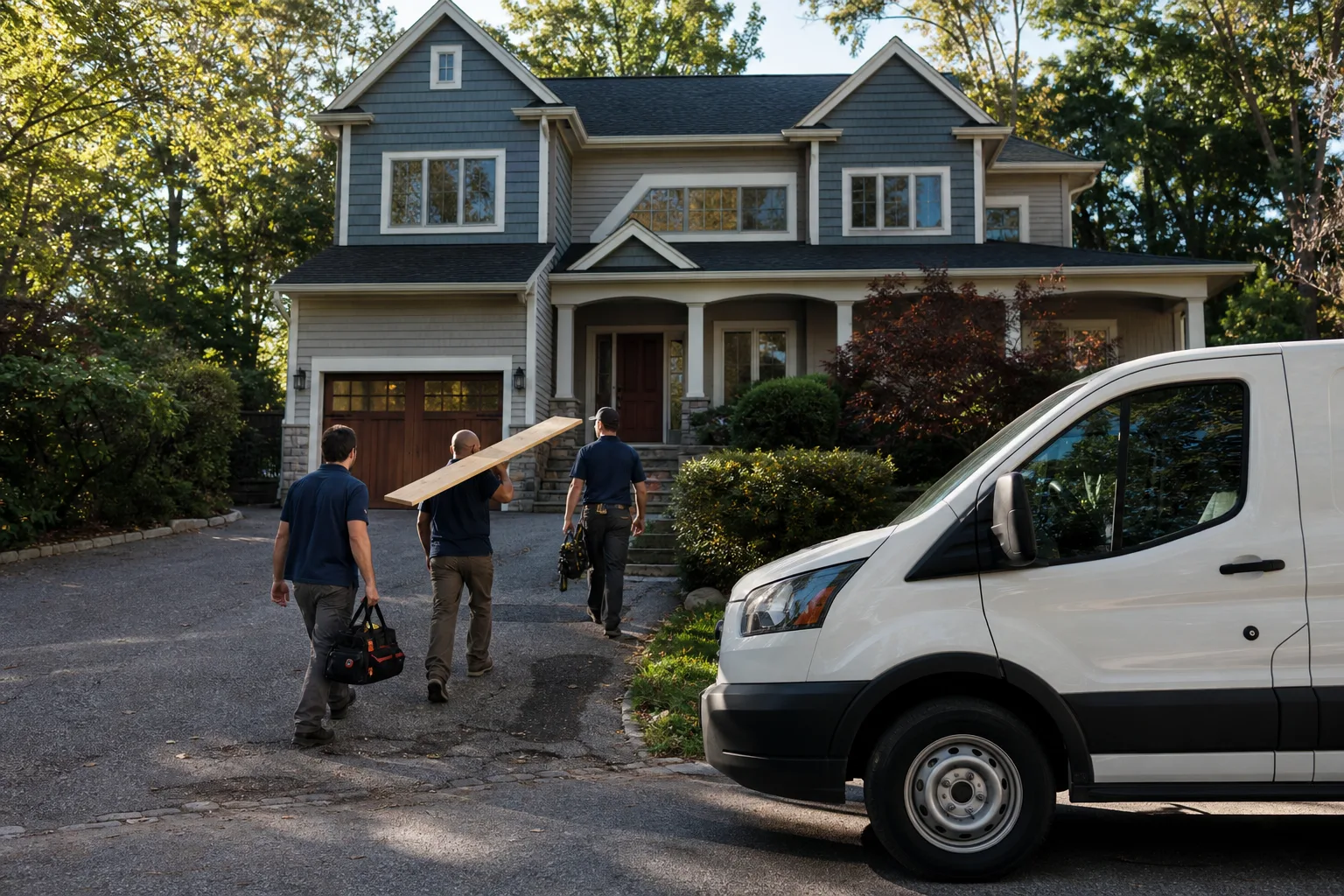
Start building a written record the moment the picture changes: date each visit, photograph progress, save every text and email, and keep the signed contract and any inspections you’ve already passed in one folder. If the job stalls, that documentation is what a second contractor needs to start, and what protects you if there’s a dispute. Bradford background-checks and uniforms every technician on the job, so you always know whose crew is on site – homeowners deserve to know who’s coming before the truck pulls up.
Ventilation, Substrate, and Inspection: The Details Competitors Skip
A bathroom fails slowly. The tile looks fine and the wall behind it is wet. The fan runs and the moisture never leaves the room. Missing ventilation figures, unspecified substrates, and no stated inspection schedule aren’t small omissions – they’re the three details that decide whether a bathroom is dry and safe in five years. A bid that skips them skips the work.
On ventilation: a bathroom exhaust fan must be rated for the room’s size, ducted to the outside through a rigid duct, and the duct run kept short and steep enough to actually move air. A fan that dumps into the attic pushes moisture into the framing instead of out of it, and that’s how mold starts behind the ceiling. The bid should name the CFM rating and where the duct terminates.
On substrate: the tile needs a flat, dry, stable surface. Cement backer board, a foam board system, or mud-set – with a named thickness. Green board drywall with no membrane over it is not a substrate for a shower; it’s a countdown. A contractor who can’t name the substrate hasn’t thought about how the tile will hold up.
On inspections: the rough-in inspection happens before walls close – plumbing and electrical checked while they’re still visible – and the final inspection happens after everything is installed. A bid should tell you who calls for each, and the job shouldn’t close until they’re signed off. That schedule is your proof the work behind the walls met code. Ask for it in writing and hold the contractor to it.
Miami Code and Climate Realities That Affect Your Bathroom
A bathroom in Miami faces different pressures than one in a dry city, and a contractor who bids the same job here as anywhere hasn’t done their homework. The humidity is the biggest one. Miami’s year-round moisture means exhaust ventilation is not optional and waterproofing failures show up faster than they would in a drier climate. A shower membrane that’s fine in Phoenix can be a mold problem here inside two summers.
The regulatory side matters too. Miami-Dade County’s building requirements are specific about permitting and inspections, and coastal areas face additional wind-load and flood considerations as part of the broader build. Those are big-picture realities: they don’t usually change how a bathroom is waterproofed, but they do mean the permit and inspection trail is not a gesture – it’s how the county confirms the work is safe to occupy. A contractor who knows Miami builds the schedule around the county’s process, not around avoiding it.
This is why we work from documented, name-brand materials. KraftMaid and Wellborn cabinetry, Cambria and Caesarstone surfaces, Kohler or Moen fixtures – all carry manufacturer specifications and their own warranties, and those back our guarantee. In a Miami bathroom, a traceable material spec means the person who installed it can prove what’s behind the wall, and the manufacturer will stand behind the material. That record is worth more than the lower number on a bid that names nothing.
Questions to Ask Before You Sign
Before you sign a bathroom contract in Miami, ask these questions out loud and get the answers in writing. A legitimate contractor welcomes them; a bidder who deflects is telling you where the corners will get cut.
- What waterproofing system are you using, and by brand? Schluter, RedGard, WEDI, or one like them. If they can’t name it, stop.
- What’s the tile substrate, and what thickness? Cement backer board, foam board, or mud-set. Green board is a no.
- Will I see the membrane before it’s covered? The answer is yes, or you have your answer.
- Who pulls the permit, and which inspections will happen? Rough-in and final, under their name.
- What’s the fan CFM and where does the exhaust duct end? Rated for the room, ducted outside.
- What’s the payment schedule, and does it follow completed work? Money in step with progress, not ahead of it.
- What’s the written guarantee, and how long does it last? Bradford’s 365-Day Done Right Promise covers every completed project for a full year – if the work doesn’t hold, we come back and correct it at no charge. Every job carries it, and the written guarantee is in your hand at close.
Common Mistakes to Avoid
- Choosing the lowest bid without reading the scope. A number with no product names and no inspection schedule isn’t a lower price, it’s a smaller list of things included. The cheapest bid is often the one that cuts waterproofing first.
- Accepting “we’ll skip the permit to save you money.” In Miami, that transfers the legal and insurance liability to you and can surface at resale. It’s a hard no.
- Never asking to see the waterproofing. Once tile’s up, the membrane is invisible. Asking to inspect it is a reasonable request a legitimate contractor won’t turn down.
- Paying a large deposit up front. Keep payments in step with finished, inspected work. A front-loaded deposit is the difference between a project that closes and one you fund twice.
- Approve change orders by text or handshake. Get every addition in writing and signed before it happens, or the final invoice will surprise you.
- Ignoring the exhaust fan spec. Miami’s humidity punishes a weak or attic-venting fan. A fan rated for the room and ducted outside is the difference between a dry bathroom and a mold problem.
- Skipping the contract review. Read the scope, the change-order clause, the payment schedule, and the guarantee before you sign. Everything in writing is The Garrison Standard, and it’s how a good job stays squared away.
See the difference
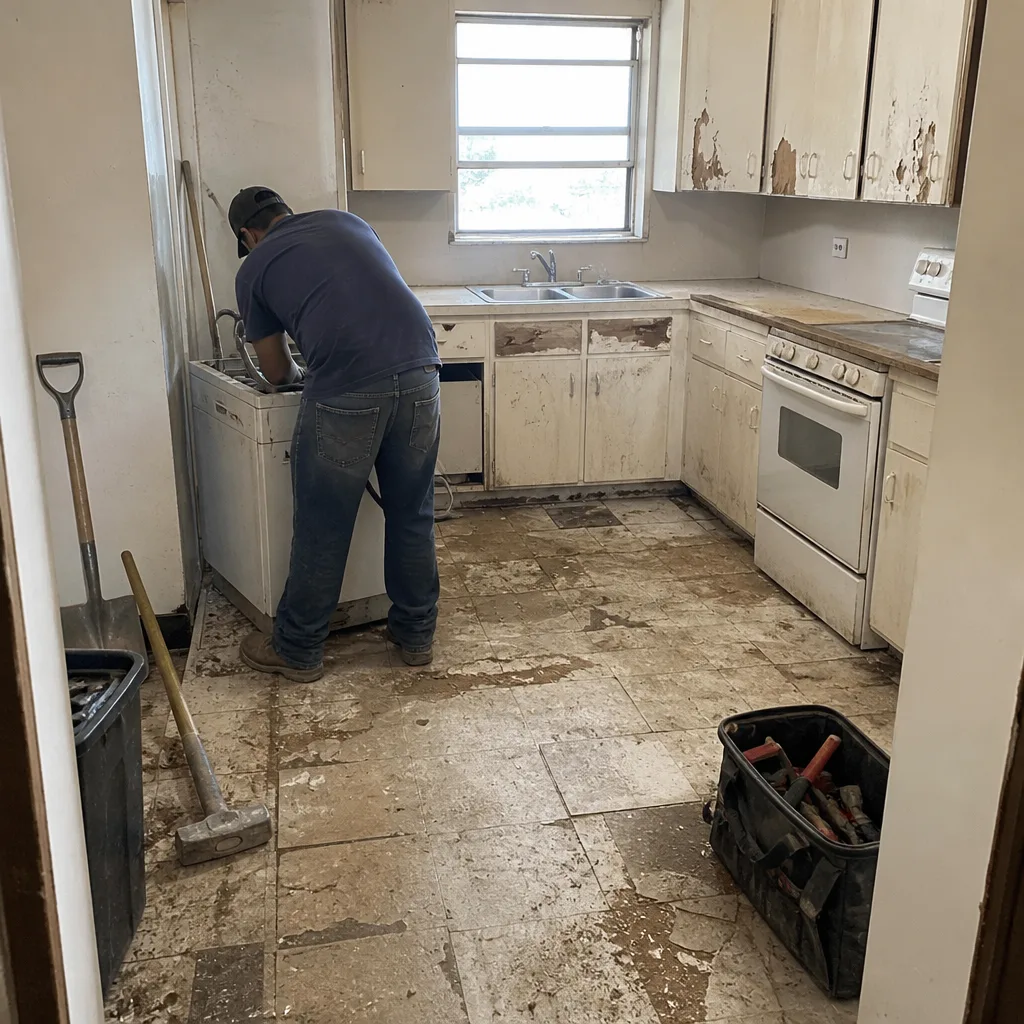 Before
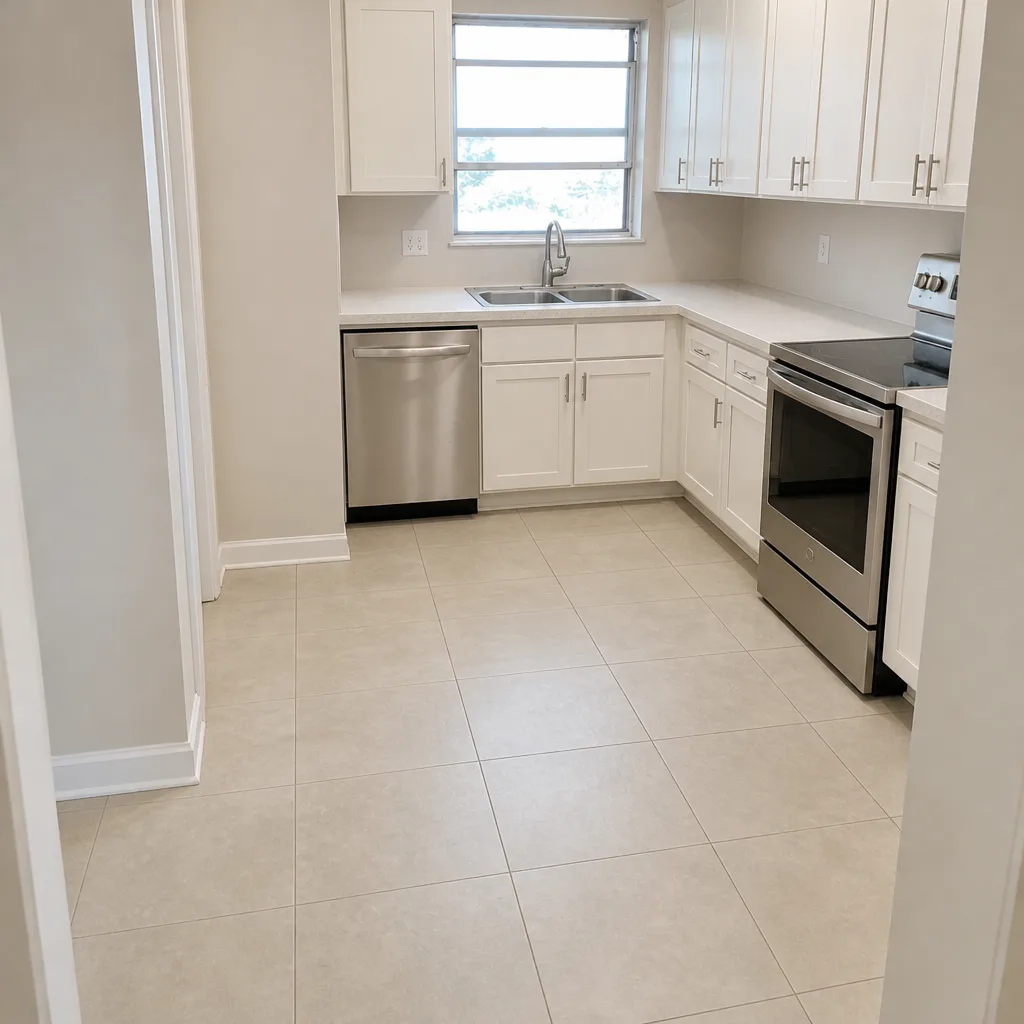 After
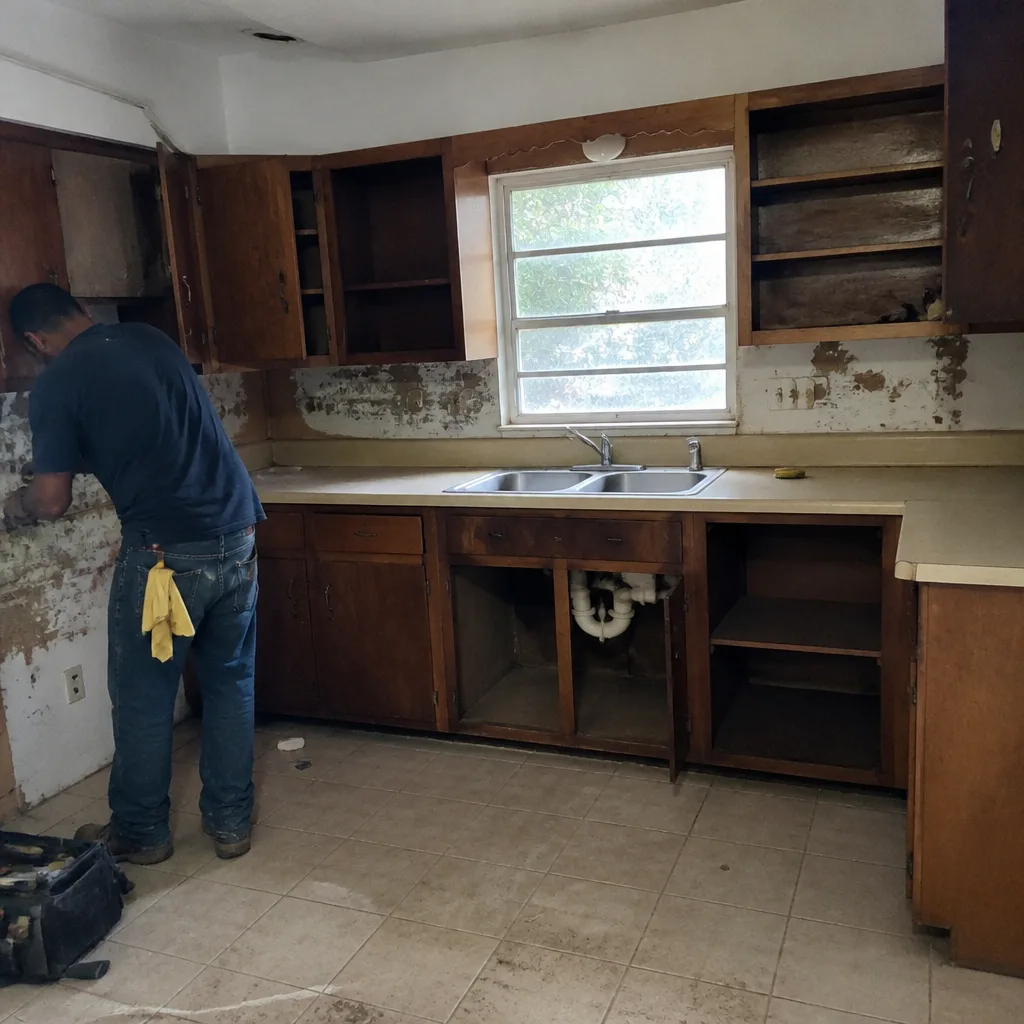 Before
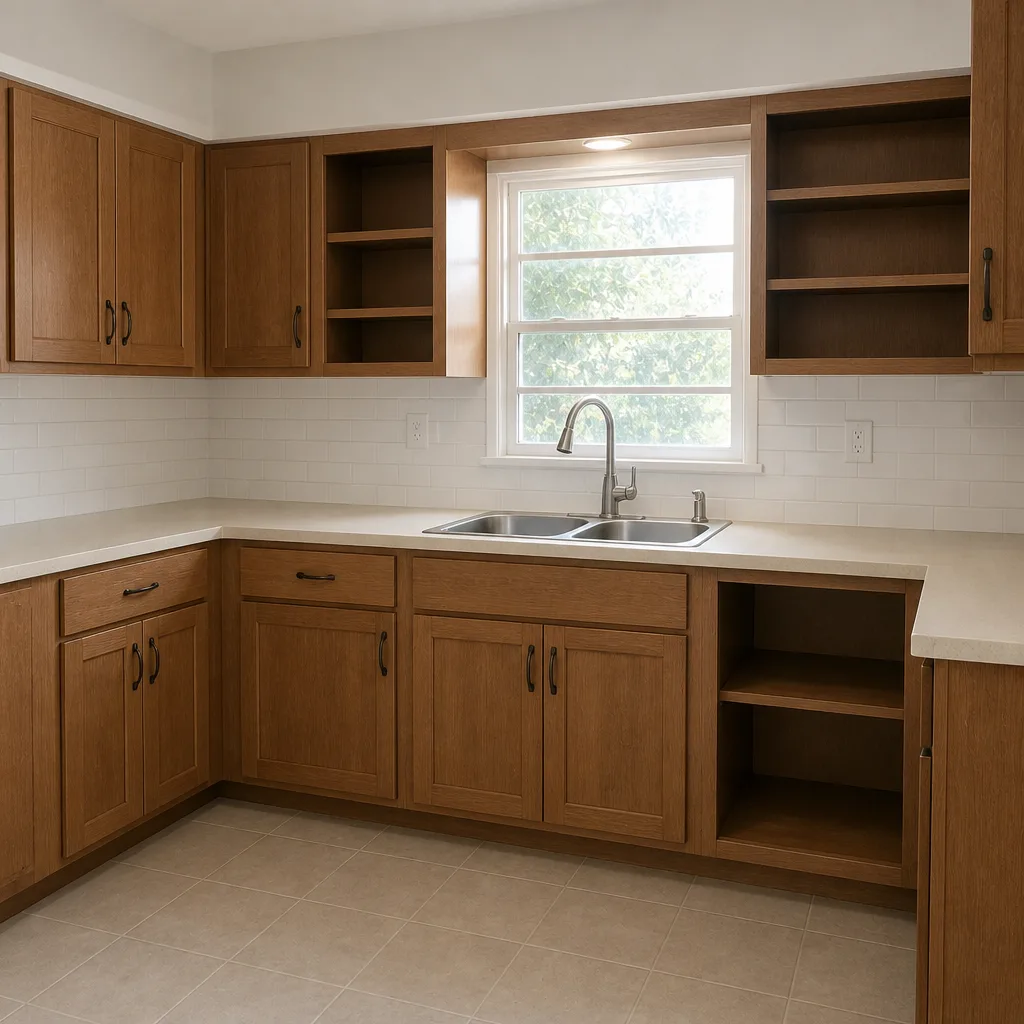 After
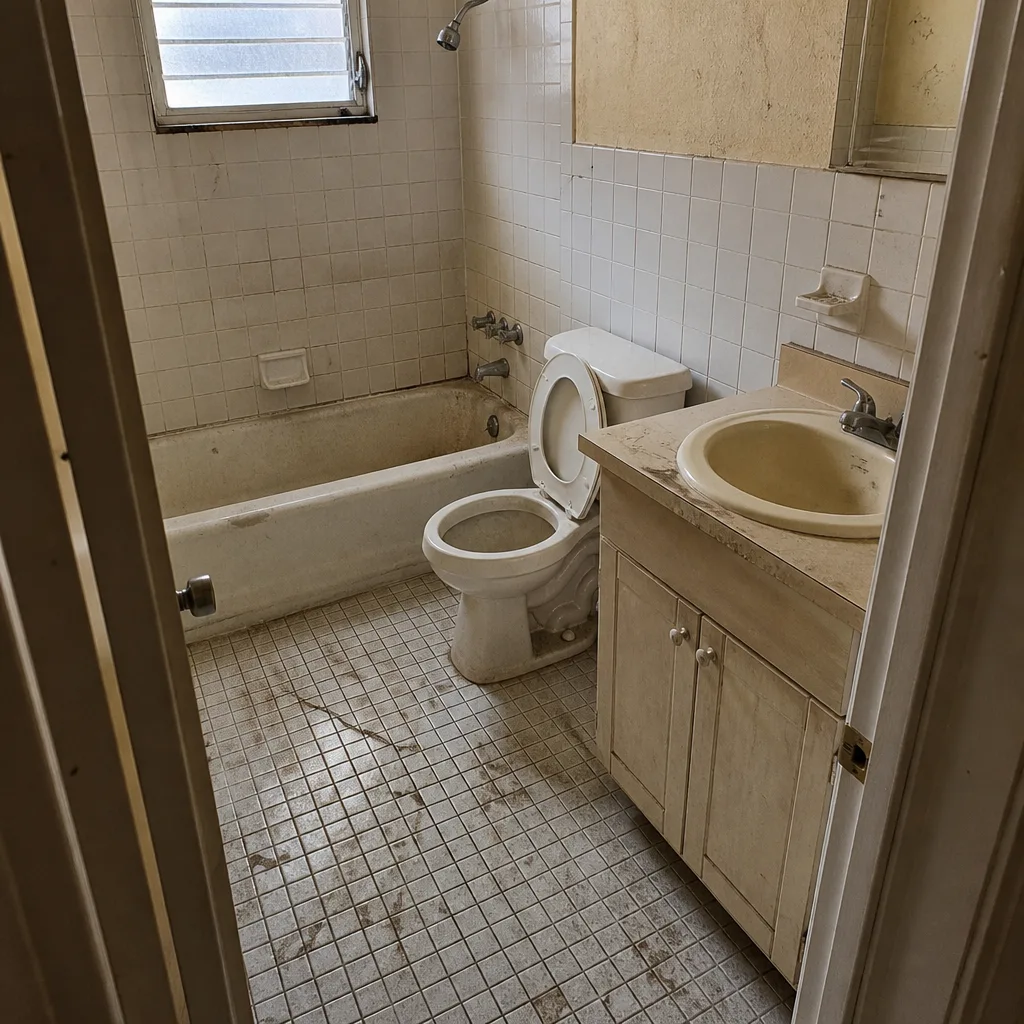 Before
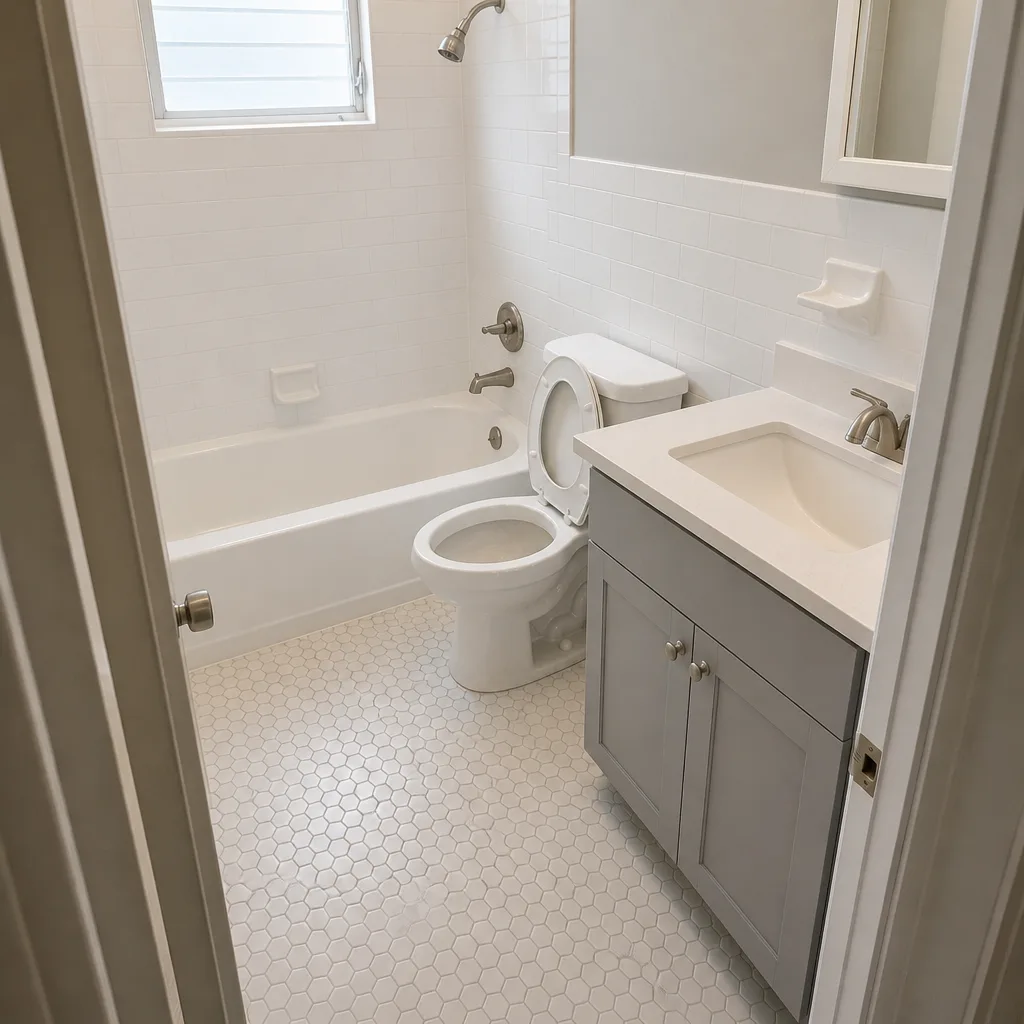 After
When to Call a Professional
Some signs you can check yourself, and some need a trained eye. If a bidder can’t name the waterproofing product, if the contract has no inspection schedule, if you’re a week into demolition with no permit pulled, or if the crew has gone quiet and the site’s gone dirty, call in a professional before the next payment. Water damage behind a shower wall doesn’t stop on its own, and correcting it means opening the walls a second time. Our technicians have up to 22 years of experience and back every completed job with the 365-Day Done Right Promise. Bradford Remodeling Co Miami offers free estimates in Miami – call (844) 797-4435, where a live person answers day or night. For the full picture, see Bathroom Remodeling in Miami and Bradford Remodeling Co Miami home.
Frequently Asked Questions
No waterproofing product named by brand is the biggest single warning sign. If the bid doesn’t list Schluter, RedGard, WEDI, or a like system, the contractor either plans to skip it or doesn’t know it’s required. Either way, the tile may cover drywall that will fail behind the wall. Call (844) 797-4435 for a free estimate and a bid that names the system.
Yes, for work that moves plumbing, electrical, or walls. Miami-Dade County requires a permit for bathroom remodels that touch those systems, and a contractor who offers to skip it is transferring the liability to you. Unpermitted work can be denied by your insurer and surface at resale. Ask any bidder who pulls the permit, and get it in writing.
Yes, and you should. Requesting to see the membrane before tile covers it is a reasonable ask, and a legitimate contractor will never refuse it. You’re not inspecting the plumbing – you’re confirming the membrane exists, the seams and corners are sealed, and the shower pan slopes correctly. If a crew won’t let you look, walk.
A deposit should be modest and tied to materials actually on hand, not a large front-loaded payment before work begins. Pay in steps as phases finish and inspections pass. Our written price comes before work starts and doesn’t move at the door. Call (844) 797-4435 to talk through a schedule that fits your job – the estimate is free.
Repeated unexplained no-shows, work expanding without written change orders, a site left dirty for days, and invoices ahead of progress are the classic pattern. Start a written record immediately: date each visit, photograph progress, save every text and email, and keep the signed contract and inspection records together. That documentation is what a second contractor needs to start.
Yes, more than most homeowners realize. Miami’s humidity means a weak fan or one ducted into the attic pushes moisture into the framing instead of out of the house, and that’s where mold starts. The bid should name the fan’s CFM rating for the room and confirm the duct runs outside. If it doesn’t, ask.
The Bottom Line
The warning signs that predict a failed bathroom remodel show up early and they show up in writing – or in what’s missing from the writing. At the bid, look for the named waterproofing system, the tile substrate, the ventilation CFM, and the inspection schedule. At the permit, confirm the contractor pulls it under their own name. At the waterproofing phase, ask to see the membrane before tile goes up; a real contractor will show you. Keep your payments in step with inspected work, put every change in writing, and if the crew goes quiet, start a written record the same day. Do those four things, and you’ll stop a bad job before it’s inside your walls. For the bigger picture, see General Contractor in Miami and Kitchen Remodeling in Miami.
If you’re pricing a bathroom in Miami and want a bid that names every system, shows every line, and carries a written guarantee – the 365-Day Done Right Promise, a full year on every completed project, corrected at no charge if it doesn’t hold – call Bradford Remodeling Co Miami at (844) 797-4435 for a free estimate. A live person answers, day or night, and the written price comes before a single tool comes out.
Written by the team at Bradford Remodeling Co Miami.