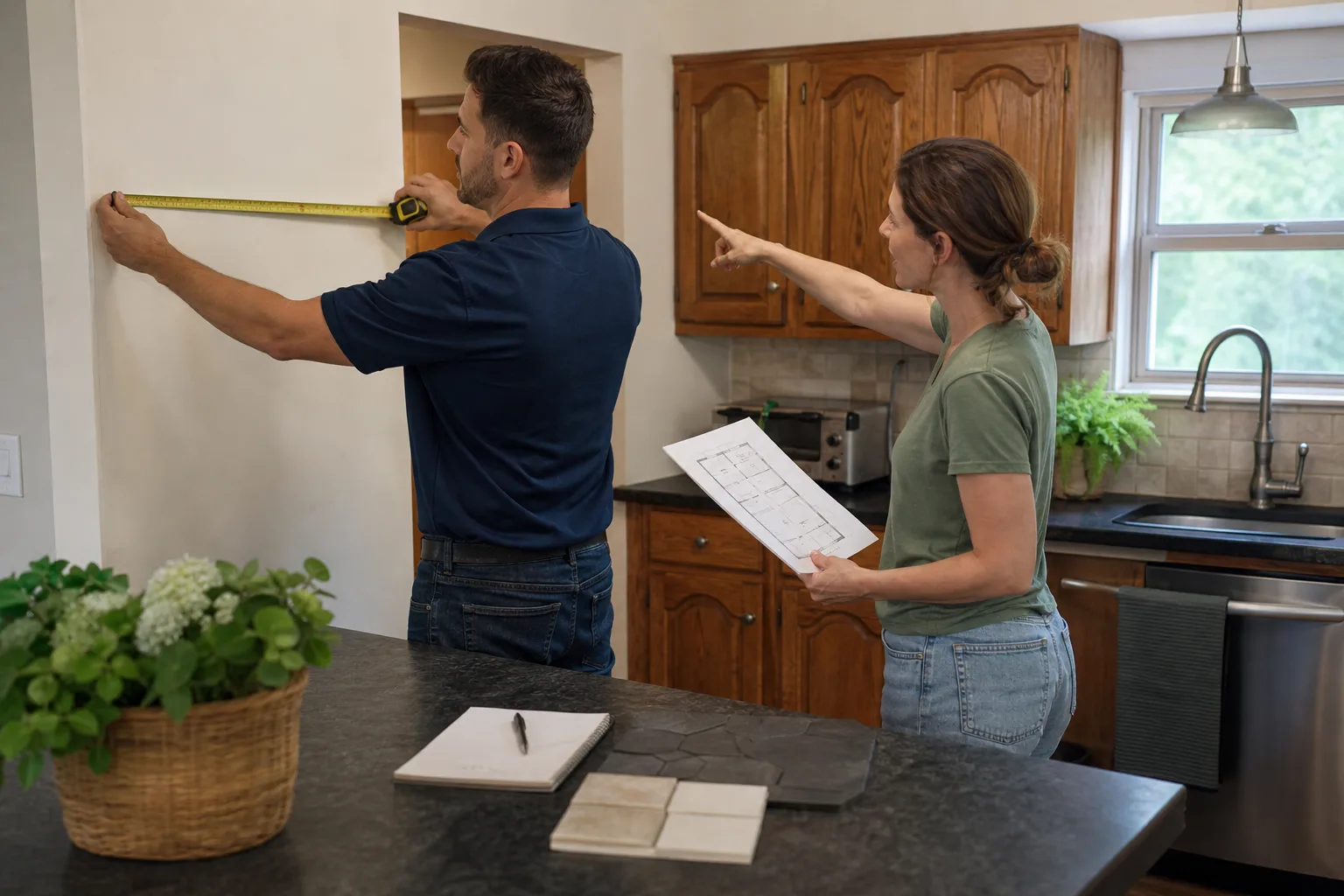
Last updated November 18, 2026






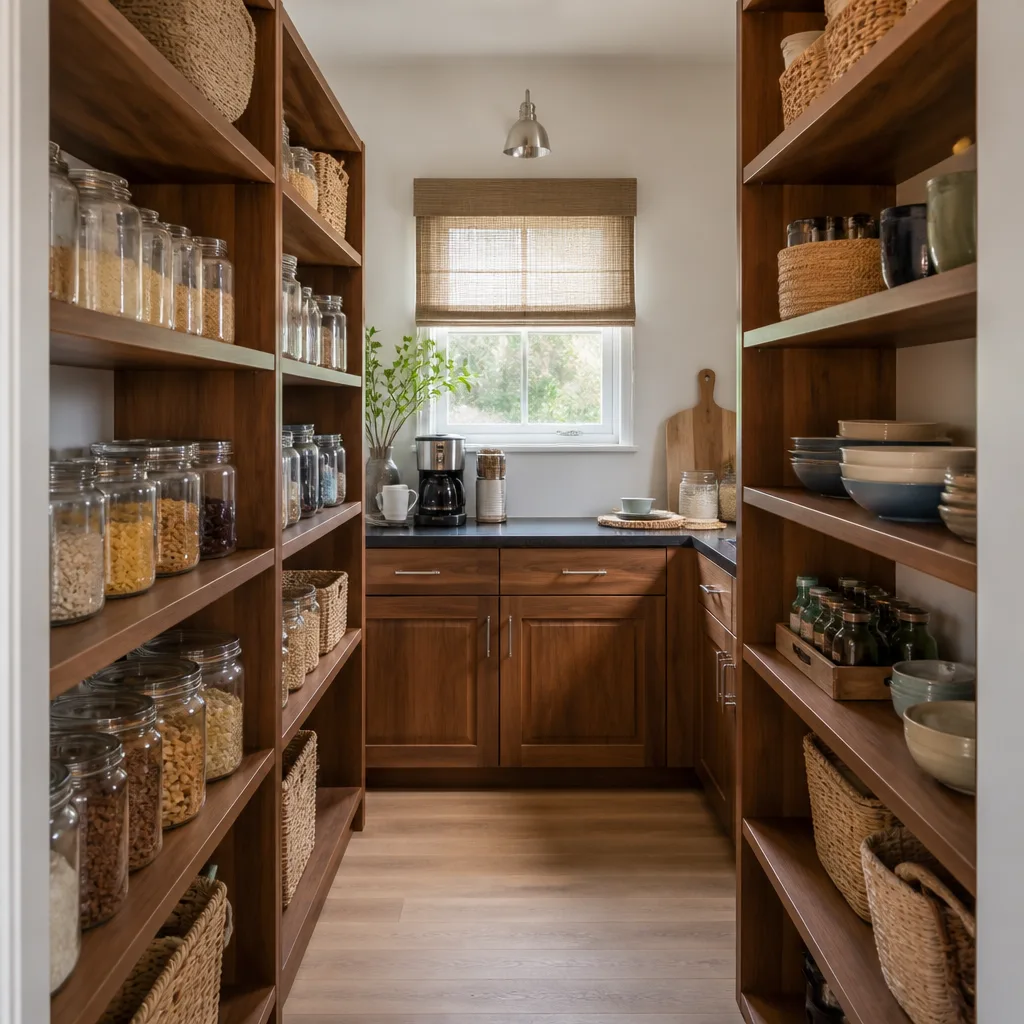

Free written scope consultation - allowances, timeline, and change-order rules on paper before a single trade is scheduled
How Long Does Home Remodeling Take? Timelines and What to Expect
A kitchen remodel that runs six weeks in Atlanta can take fourteen in Miami. Not because the carpentry is harder here, but because two forces exist in Miami-Dade that don’t exist in most of the country: a permit review queue that moves at its own pace, and lead times on impact-rated windows and doors that can stretch for months. Skip either one in your schedule and the timeline was fiction from the day you signed it. This guide covers what remodeling actually takes in Miami, how to read a contractor’s schedule before you commit, and what a written timeline guarantee really protects. Every number here comes from watching Miami jobs move through real queues.
Quick Answer
In Miami, a typical kitchen remodel takes 10 to 16 weeks from permit application to final inspection, a bathroom takes 6 to 10 weeks, a full-home remodel takes 6 to 12 months, and a roof replacement takes 4 to 8 weeks depending on impact-product availability. The construction labor itself is often the shortest part. Permit approval through Miami-Dade and lead times on impact-rated materials eat the rest, and they’re the two things schedules most often leave out.
Styles & brands we work with
- Kitchen remodeling
- Bathroom remodeling
- Home additions & ADU
- Roofing
- Windows & doors
- Driveway & pavers
- Fence
Table of Contents
- Why Miami Remodels Take Longer Than the National Average
- Miami-Dade Permit Approval Timelines by Project Type
- Impact-Rated Windows and Doors: The Biggest Schedule Killer
- Scope Schedule vs. Permit-and-Inspection Schedule
- How to Read a Contractor’s Project Schedule
- What a Written Schedule Guarantee Actually Covers
- Miami Neighborhood Realities That Affect Your Timeline
- Common Mistakes to Avoid
Why Miami Remodels Take Longer Than the National Average
Most national remodeling-timeline articles are written for a contractor in Ohio or Georgia working in a code environment where a standard window is a standard window. Miami doesn’t work that way. Two structural differences account for almost every timeline blow-up we see.
The first is the High Velocity Hurricane Zone. Miami-Dade sits inside it, which means windows, doors, and roof systems have to meet product-approval standards that most of the country never touches. You can’t walk into a lumber yard and grab whatever’s on the shelf. You order a specific product with a specific Miami-Dade Notice of Acceptance, and you wait for it. The second is the permitting apparatus itself. Miami-Dade and the City of Miami each run their own review, and complex projects often get routed through more than one reviewer before a single nail goes in.
Add the climate. Concrete pours get scheduled around afternoon rain in July and August. Roofing crews dodge the same storms. Exterior painting in peak summer can slide. None of this is a crisis, but it’s real, and a schedule that assumes a dry, temperate build calendar is a schedule that will fail you in Miami.
What that means for you: the labor portion of most Miami remodels is a known quantity. The permit queue and the impact-product lead time are the variables. When you’re ready to see what a realistic Miami timeline for your project looks like, the team behind General Contractor in Miami keeps that schedule in writing from day one.
Miami-Dade Permit Approval Timelines by Project Type
These are the realistic ranges we see for Miami-Dade and City of Miami permit approval, based on queue performance through 2024 and 2025. Treat them as planning windows, not promises. Your specific project can move faster or slower depending on completeness of the submittal, whether structural or flood-zone review is triggered, and which reviewer picks it up.
- Bathroom remodel (fixture relocation, plumbing, no structural): 3 to 6 weeks for permit. Smaller scope means a simpler review.
- Kitchen remodel (cabinetry, electrical, plumbing, no wall removal): 4 to 8 weeks. Adding structural review for a load-bearing wall change pushes it toward the high end.
- Room addition or structural change: 8 to 14 weeks. Multiple review disciplines apply, and structural plus flood-zone routing adds time.
- Roof replacement: 2 to 4 weeks for the permit itself; product lead time sits outside that.
One more catch: some Miami neighborhoods sit in flood zones that trigger elevation review. That adds weeks. A contractor who hasn’t checked your parcel against the flood map before quoting a timeline hasn’t done the homework. We’ve seen additions in low-lying areas near the Miami River that needed floodplain sign-off and stretched the permit stage past twelve weeks.
Look at where the timeline actually lives. A kitchen with a four-week permit and a two-week product lead time is already six weeks into its schedule before the first cabinet comes off the truck. National articles that quote “kitchen remodels take six to eight weeks” are quoting the construction window only. In Miami, the construction window is often the back half of a much longer calendar.
Impact-Rated Windows and Doors: The Biggest Schedule Killer
Here’s the single most common reason a Miami remodel timeline blows up: nobody accounted for impact-rated product lead times. Windows and doors that meet Miami-Dade code have to be ordered against a specific product approval. Popular configurations and colors can run 8 to 14 weeks from order to delivery during busy periods. Specialty sizes, custom colors, and high-demand lines run longer.
This matters most on:
- Whole-home remodels where window replacement is part of the scope, since the schedule has to open up the rough openings before the products land.
- Additions, where new openings need impact-rated fenestration before inspection.
- Kitchen and bathroom remodels that include a slider or exterior door replacement, because a single door on back order can hold up final inspection.
Some contractors will tell you to order the windows “once we get going.” That’s how a two-month job becomes a five-month job. The disciplined approach is to confirm the exact product, pull the Notice of Acceptance number, get a firm lead time in writing from the supplier, and build that lead time into the schedule before the first demo hammer swings. If a door shows up late because the order was placed late, the delay is on the schedule, not on the supplier.
We work from a documented roster of name-brand exterior products – Therma-Tru doors and James Hardie siding among them – so the specifications are traceable and the lead-time conversation is grounded in a real product, not a guess. When Miami homeowners want the kitchen and bath portions of a remodel sequenced around window and door delivery, that’s the kind of detail Kitchen Remodeling in Miami and Bathroom Remodeling in Miami are built to handle.
Scope Schedule vs. Permit-and-Inspection Schedule
Homeowners almost always see only one schedule. Contractors hand over a piece of paper that lists demo, framing, rough-in, drywall, cabinets, paint, punch list. It looks thorough. It has dates. And it’s missing half the job.
A scope schedule is the sequence of trades: who does what, in what order, in what room. A permit-and-inspection schedule is the calendar of approvals and check-points that govern when those trades can proceed: permit submittal, permit issuance, rough-in inspection, framing inspection, final inspection, certificate of occupancy. Both schedules have to exist and they have to be merged.
- Permit submittal date – when the application goes in, before demo can begin.
- Permit issuance – the review window. Nothing starts until this clears.
- Product order dates – windows, doors, cabinets, and any long-lead items, placed the day the permit clears.
- Rough-in inspection – electrical, plumbing, and mechanical signed off before drywall closes the walls.
- Framing inspection – if structural work is in scope, the frame gets inspected before drywall.
- Final inspection and certificate of occupancy – the last gate, and the one most schedules don’t even list.
Ask any contractor you’re considering for both. If they look at you blankly when you ask about the inspection schedule, that tells you the timeline you were given was a scope schedule dressed up as a project plan. In our experience, a homeowner who asks to see the inspection sequence in writing has filtered out three-quarters of the optimistic bids before signing.
How to Read a Contractor’s Project Schedule
A Gantt chart is a bar chart where each bar is a task and the length of the bar is how long it takes. When you’re handed one, you’re not checking whether it looks professional. You’re checking whether it’s honest. Here’s the read.
- Look for the permit bar. It should show four to eight weeks for a typical kitchen. If it shows “1 week,” the contractor is either doing work before permit issuance (never let this happen) or the schedule is wishful.
- Look for the product lead-time bar. Windows and doors should sit on the chart as their own long bars, 8 to 14 weeks, overlapping with other work. If you see “install windows: 2 days” with no order bar before it, ask where the order sits.
- Look for inspection milestones. They should be dated, not just labeled. An inspection with no date is decoration.
- Check the buffer. A realistic schedule has some slack built in. A schedule where every bar butts directly against the next is a schedule that assumes nothing goes wrong.
- Check the close. The last bar should be “final inspection and certificate of occupancy,” not “punch list.” A punch list is the contractor’s list. The certificate of occupancy is the city’s.
That last point separates the professionals from the paper-pushers. If the schedule ends at paint, ask what happens between paint and the certificate of occupancy. If the answer is vague, the timeline wasn’t built to finish – it was built to sell.
What a Written Schedule Guarantee Actually Covers
Be skeptical of the phrase “we’ll do our best on timing.” That’s not a guarantee. It’s a hope with a handshake. A written schedule guarantee has specific structure, and it should say:
- What triggers the guarantee. Which stages are committed to (permit issuance, product delivery, substantial completion) and which aren’t.
- What counts as a delay. Weather, product backorders, and homeowner-caused pauses are usually excluded – the guarantee is for contractor-caused delay.
- What the remedy is. Usually a credit, a schedule adjustment, or a priority-rush on the remaining scope. Ask what it is before you sign.
- What it doesn’t cover. A permit queue that runs long because the city is backlogged is not the contractor’s guarantee to make good on. A contractor who promises “permit in three weeks, guaranteed” is over-promising.
At Bradford Remodeling Co Miami, our committed timeline is backed by the 365-Day Done Right Promise – a written guarantee that if the completed work fails within a year, we come back and correct it at no charge. That covers workmanship. For schedule, we put the milestones in writing and we hold to them, because the discipline is upstream of the promise, not a replacement for it. Every project starts with a written price and a written schedule before any work begins. That’s The Garrison Standard.
Miami Neighborhood Realities That Affect Your Timeline
The permit queue is one thing. The parcel is another. Where your home sits in Miami shapes your timeline in specific ways.
- In Coral Gables and Pinecrest, several neighborhoods have local historic or design-review overlays on top of the county permit. That adds two to four weeks for exterior scope – window changes, roof, or hardscape – because the design gets reviewed before the building permit even moves.
- In low-lying areas near the Miami River, flood-zone review can add elevation sign-off and weeks to the permit timeline. Check your parcel against the flood map before committing to a start date.
- In Coconut Grove, many lots sit under tree-protection rules that can require a separate review before site work. If your remodel touches the yard near a protected tree, add review time.
- In suburban Miami-Dade further west, HOA architectural review often sits on top of the county permit. That’s a homeowner problem, but your contractor should plan around it, not discover it on demo day.
Notice what every one of these has in common: they add weeks you can plan for, not surprises. A contractor who has run projects in your specific Miami neighborhood will already know the overlay, the flood map, or the HOA process before quoting you a timeline. If they sound surprised by any of it, they’re not the right contractor. The same goes for hardscape and paver scope – brands like Tremron and Techo-Bloc have their own lead times, and a schedule that accounts for them runs cleaner.
Common Mistakes to Avoid
- Trusting a construction-only timeline. If the number starts at demo, it’s missing permit and product lead time. In Miami, that’s often 60% of the total calendar. Ask for the full schedule from permit submittal to certificate of occupancy.
- Letting the contractor start demo before the permit clears. It happens, and it’s illegal. It also cancels your ability to get the schedule right, because the inspection sequence is driven out of order.
- Ordering impact windows “when we get to that stage.” Order them the day the permit clears. Lead times in Miami are measured in months, not days, and a late order tanks the whole timeline.
- Skipping the flood map and HOA check. Even a straightforward bathroom addition in a flood zone can stretch by weeks while you’re waiting for sign-off. Verify the parcel before signing.
- Accepting “we’ll do our best” on timing. It’s not a guarantee. If the timeline isn’t written down with milestones and remedies, it doesn’t exist.
- Signing without a written price. A price that shifts at the door is the other half of a bad remodel story. Written price before work starts, every time, no exceptions.
- Letting a job close without the final inspection and certificate of occupancy. If the schedule ends at punch list, ask what’s between you and the certificate. A remodel isn’t done until the city says it is.
See the difference
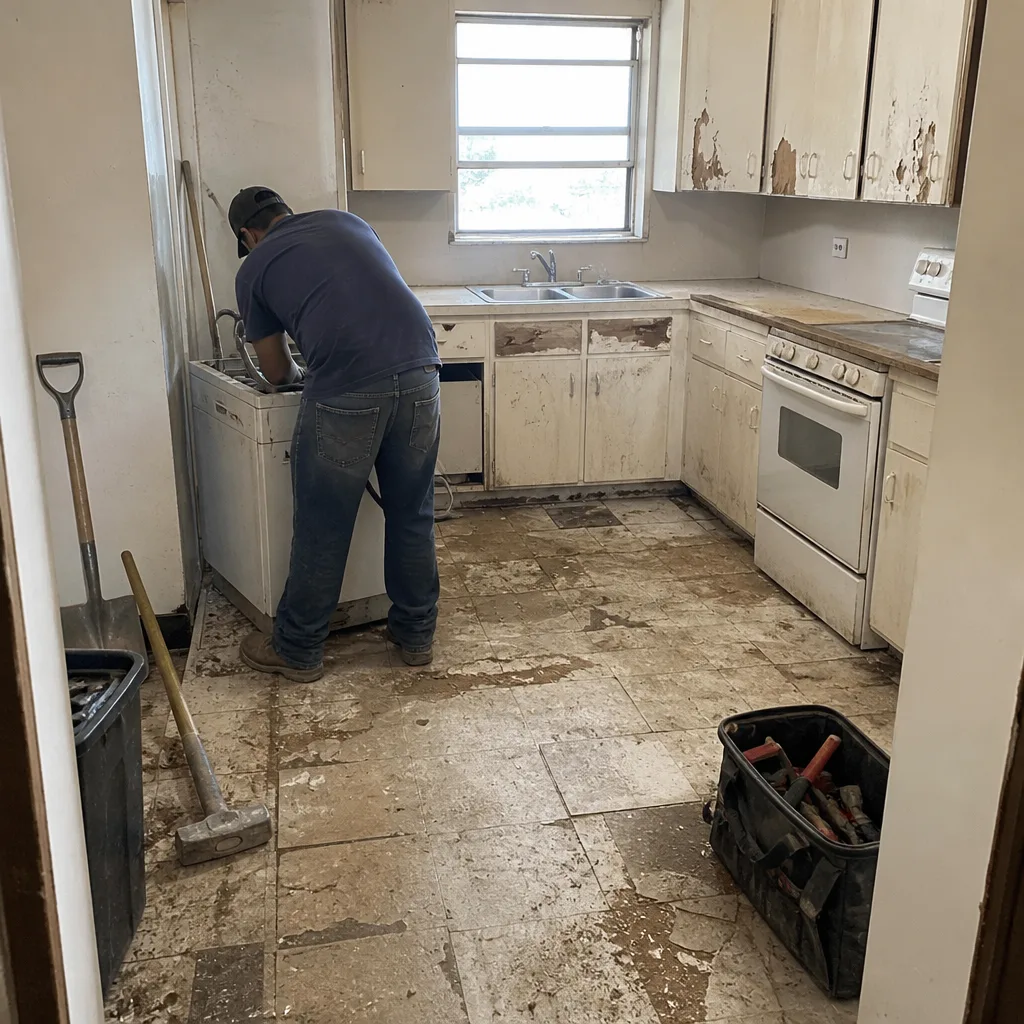 Before
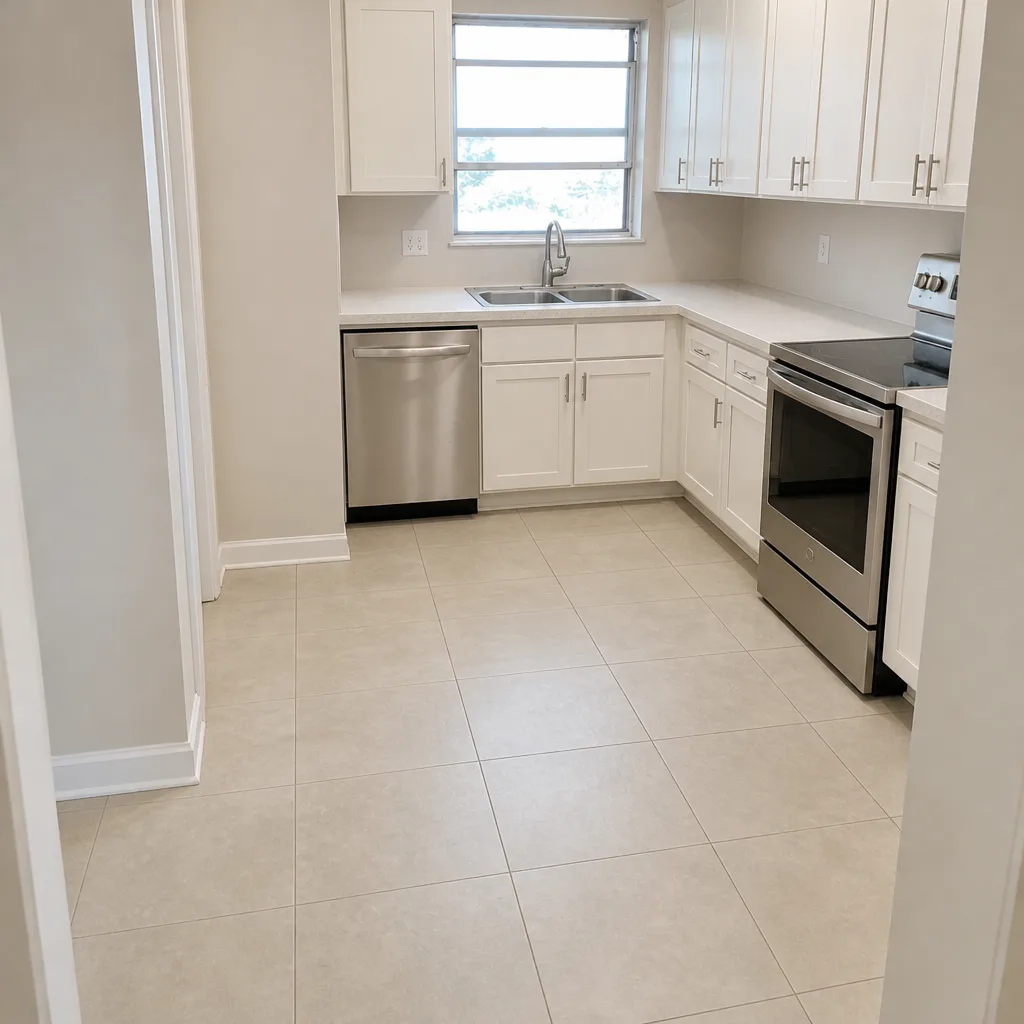 After
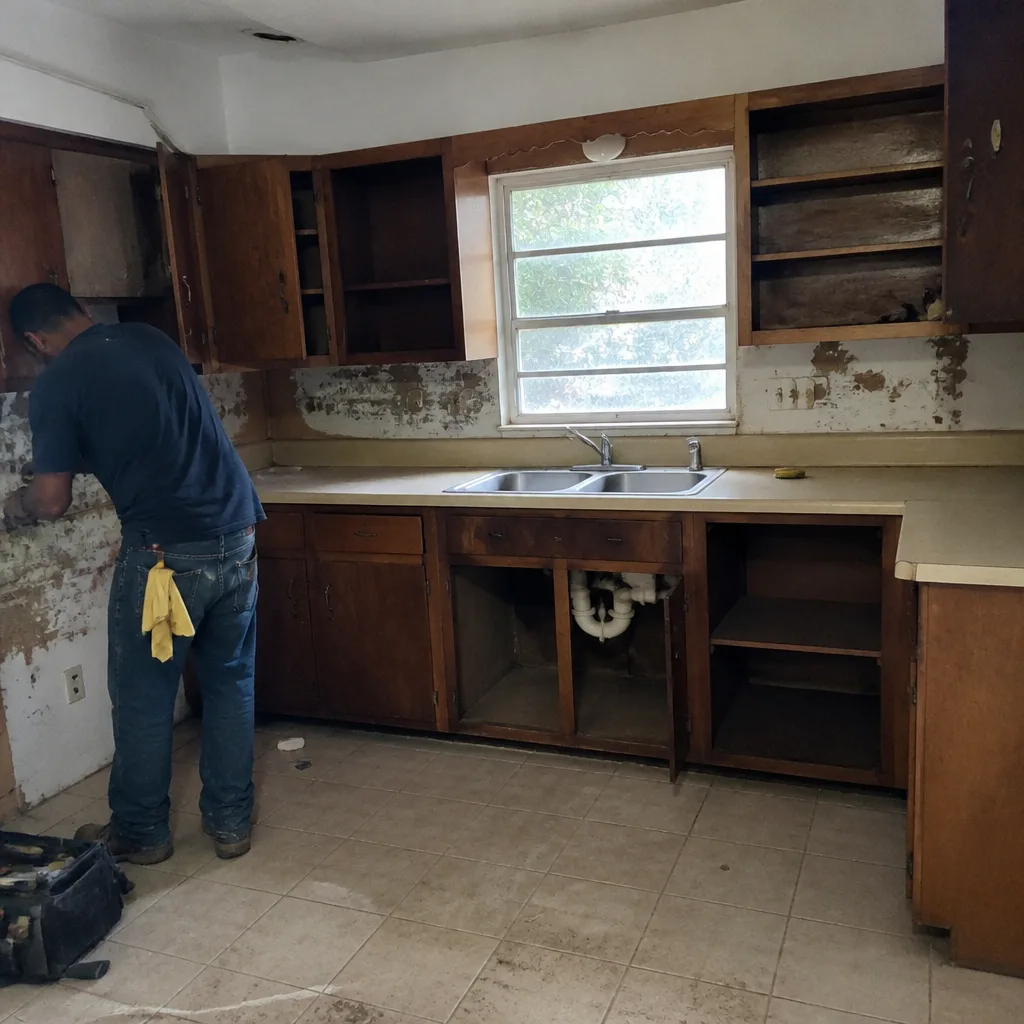 Before
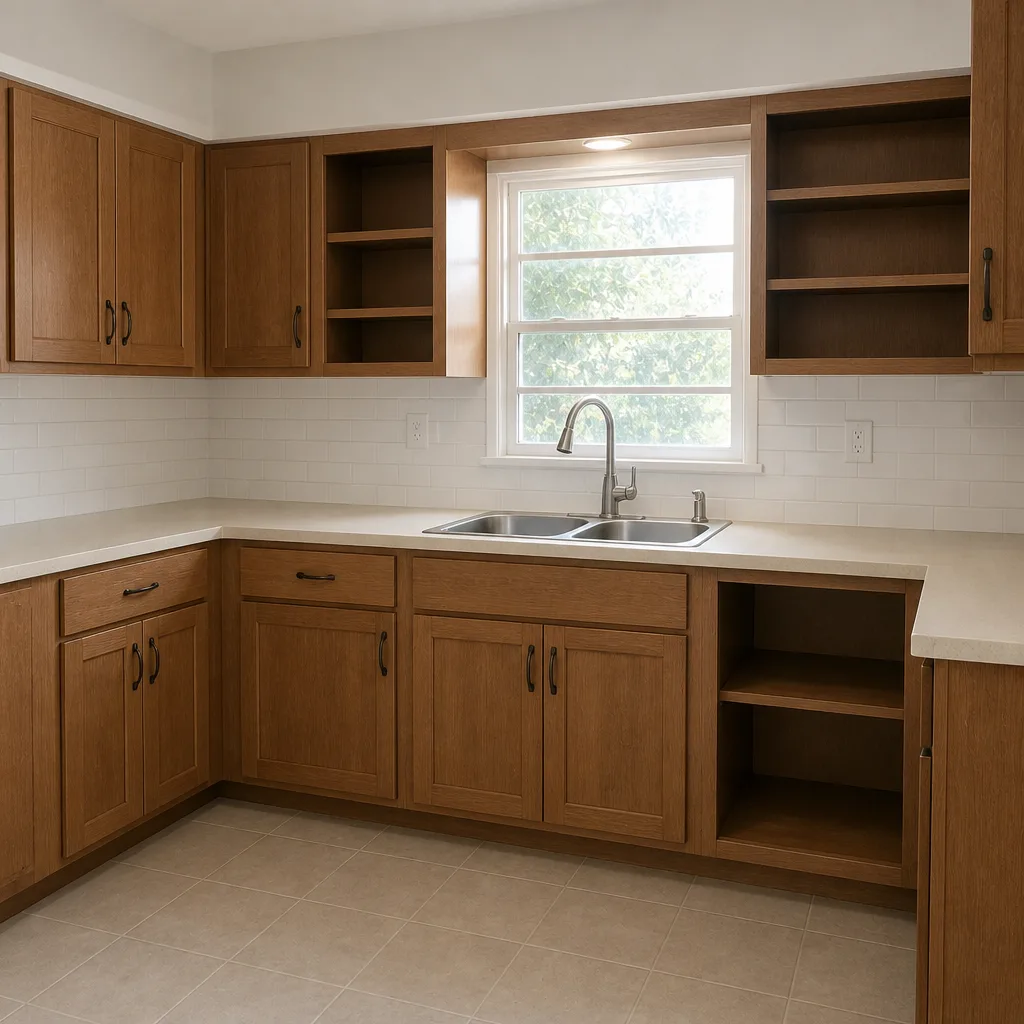 After
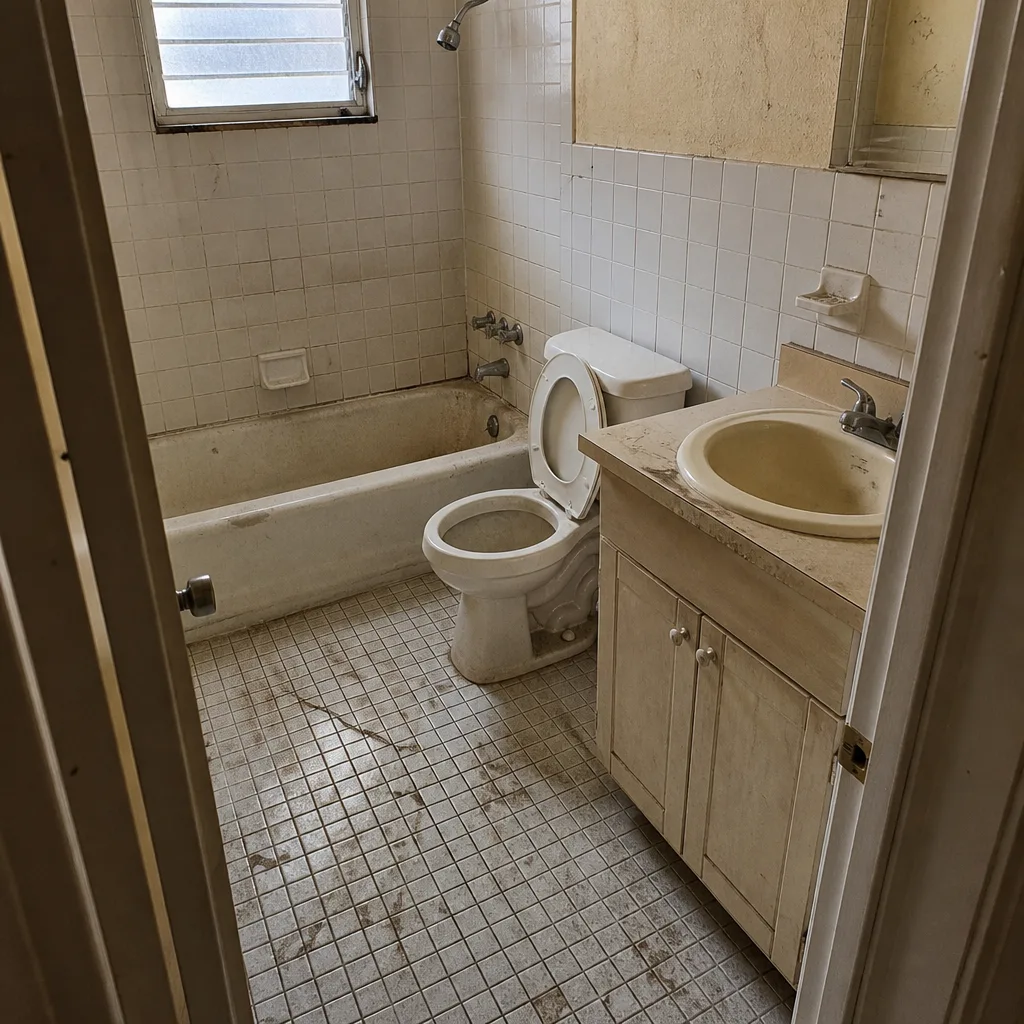 Before
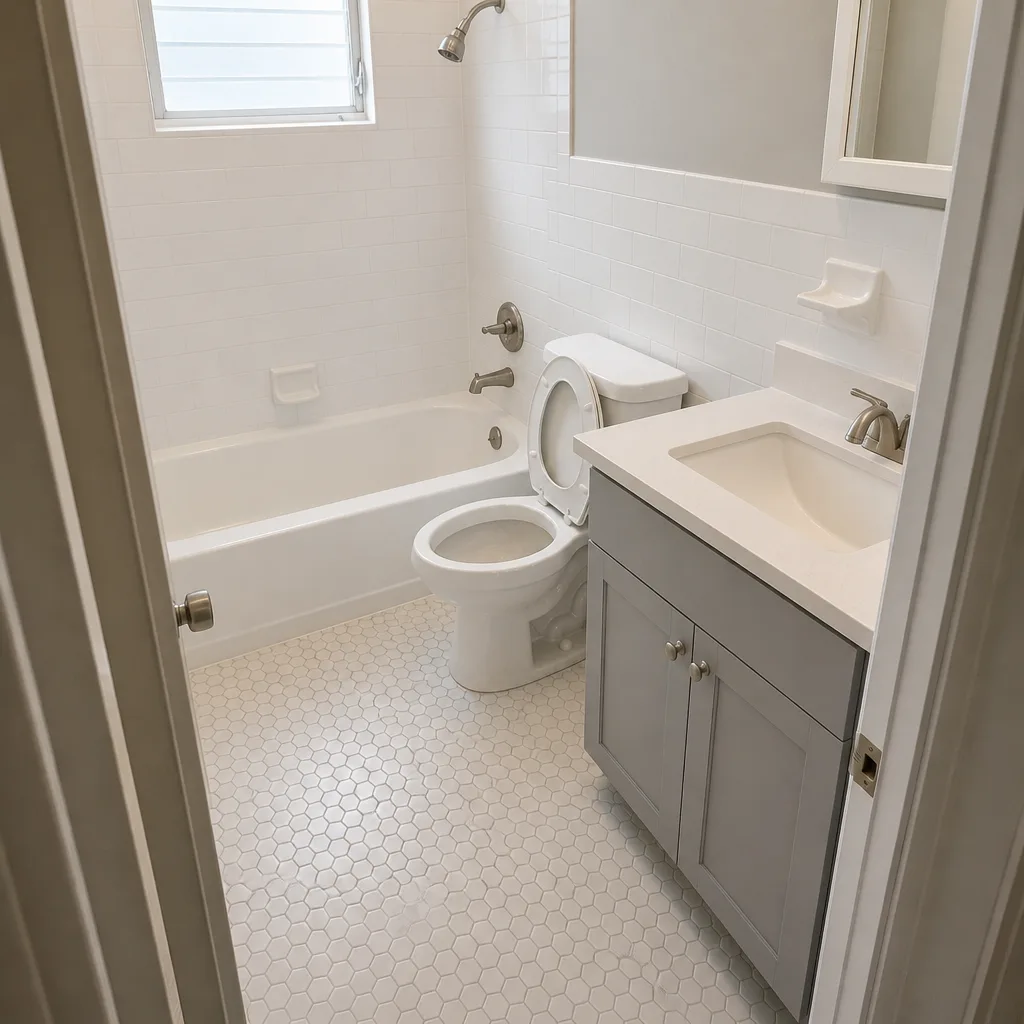 After
When to Call a Professional
Any project with a permit attached deserves a licensed contractor, and in Miami that means almost every project. If your remodel touches plumbing, electrical, structural, roof, or impact fenestration, you’re in permit territory – and you want a contractor whose schedule reflects Miami-specific realities. If you’ve been quoted a timeline that totals under six weeks for a kitchen or under four for a bathroom, that timeline was built for a different city. Call a professional who schedules for Miami. At Bradford Remodeling Co Miami we put the price and the schedule in writing before work begins, and we answer the phone with a live person around the clock. When you’re ready to see what your project actually looks like on a real Miami calendar, Bradford Remodeling Co Miami home is the starting point, or you can call us for a free estimate.
Frequently Asked Questions
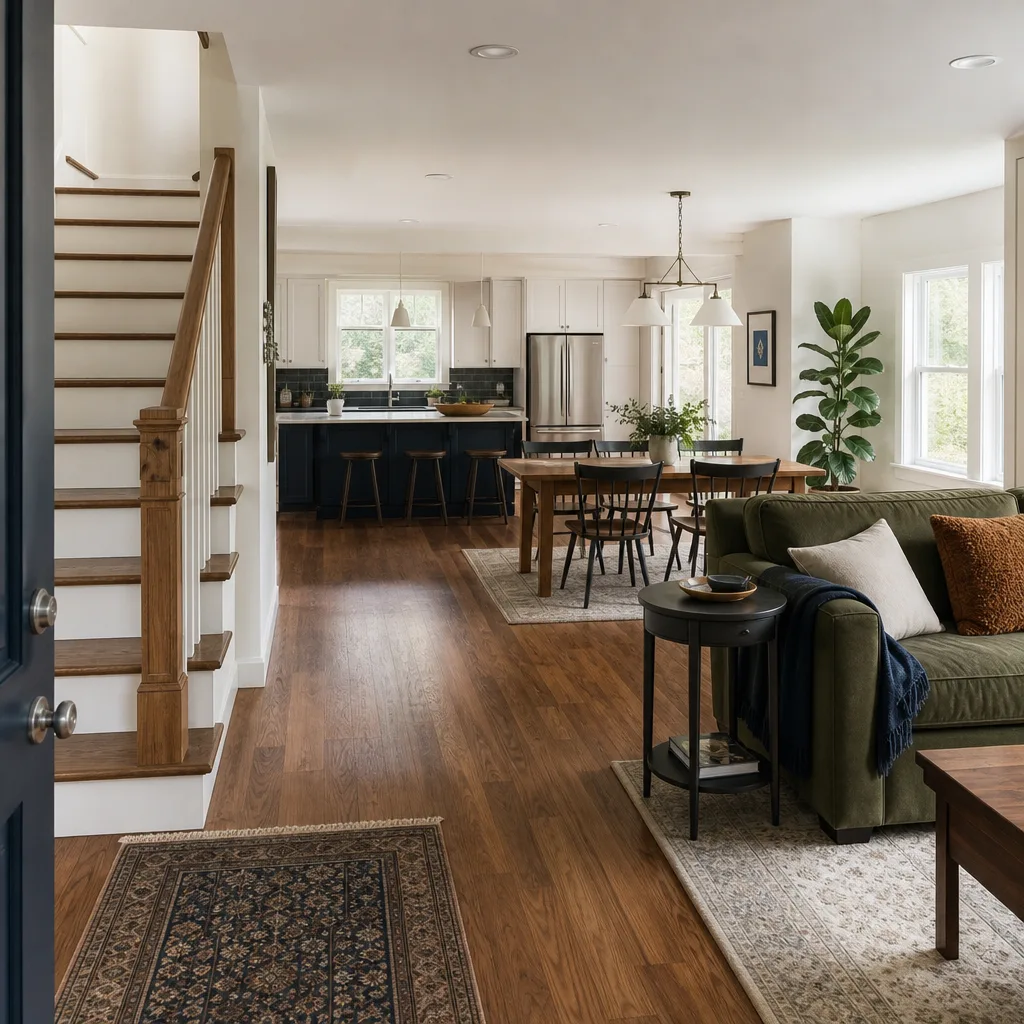
A Miami kitchen remodel typically takes 10 to 16 weeks from permit application to final inspection, versus the six to eight weeks quoted in national articles. The extra time is the Miami-Dade permit queue of 4 to 8 weeks plus lead time on any impact windows or doors in the scope. Call us for an exact quote – estimates are free.
No. Bradford Remodeling Co Miami puts a written price in front of you before any work starts, and that price is what you pay. Change orders only happen when you change the scope, and any change is documented in writing before the work begins. Call us to schedule a free estimate with the written price included.
Yes to both. We pull Miami-Dade permits as part of the project and we build the 4-to-14-week permit window into the schedule we give you, along with inspection milestones. A schedule that doesn’t show the permit and inspection sequence is not a real schedule. Call us to walk through it.
Bathroom permits typically run 3 to 6 weeks and additions run 8 to 14 weeks, based on queue performance through 2024 and 2025. Additions in flood zones can run longer because of elevation review. Call us for a realistic estimate on your specific parcel.
Impact-rated windows and doors must match a Miami-Dade product approval, and popular configurations can run 8 to 14 weeks from order to delivery during busy periods. If the order is placed late, everything downstream slides. We place the order the day the permit clears and build the lead time into the schedule from day one. Call us for a free estimate if you’re planning window scope in a remodel.
If completed work fails within one year of completion, we come back and correct it at no charge. That covers the workmanship, not product defects covered by a manufacturer warranty. It’s written into your agreement, not just mentioned at handoff. Call us for details on a free estimate.
The Bottom Line
Miami remodeling timelines are driven by two things upstream of the work itself: the Miami-Dade permit queue and impact-rated product lead times. A kitchen that takes six weeks in Atlanta takes ten to sixteen in Miami, and the difference isn’t the trades – it’s the queue and the orders. Ask every contractor for a full schedule from permit submittal to certificate of occupancy. Look for the permit bar, the product lead-time bars, and the dated inspections. Demand a written price and a written schedule. When you want to see what your project actually looks like on a real Miami calendar, call (844) 797-4435 to schedule a free estimate with Bradford Remodeling Co Miami.
Written by the team at Bradford Remodeling Co Miami.