Last updated November 18, 2026



Free written scope consultation - allowances, timeline, and change-order rules on paper before a single trade is scheduled
Construction Emergency Preparedness Guide for Miami Homes
When Hurricane Irma made landfall in 2017, Miami-Dade County had thousands of open building permits for projects that were only partly finished. Families were living behind half-installed windows, roofs missing their final layers, and additions framed but not dried in. Most had no tarps staged, no written emergency contact protocol with their contractor, and no clear record of which inspections had actually passed. That gap between “a project underway” and “a home ready for a storm” is its own category of loss, and it’s the one this guide addresses.
Preparedness for a Miami household mid-remodel means two things at once: hardening the structure before an event, and knowing exactly how to respond when the emergency is construction-related. You’ll get both halves here, put in writing.
Quick Answer
Construction emergency preparedness for a Miami home has two parts. First, before a named storm, your licensed contractor should secure loose materials, install temporary weather protection over any open roof or wall, and notify you in writing of the site’s condition; those duties belong in your contract before work starts. Second, you should keep an emergency kit with your permit number, inspection history, the contractor’s license and insurance contacts, and dated photos of every stage before it gets covered up. When something goes wrong, separating storm damage from construction deficiency – and documenting temporary repairs before they happen – is what protects both your insurance claim and your warranty claim.
Styles & brands we work with
- Kitchen remodeling
- Bathroom remodeling
- Home additions & ADU
- Roofing
- Windows & doors
- Driveway & pavers
- Fence
Table of Contents
- Pre-Storm Construction Site Protocol
- The Emergency Contact and Documentation Kit
- Handling Contractor Abandonment Mid-Project in Miami
- Post-Storm Damage Assessment on a Home Under Construction
- Miami-Dade’s Emergency Repair Permit Process
- Hardening the Structure Before the Season
- Common Mistakes to Avoid
- When to Call a Professional
Pre-Storm Construction Site Protocol: What Belongs in Your Contract
The single most effective preparedness step happens months before a storm: writing the pre-storm responsibilities into the contract itself. A licensed general contractor running an active job in Miami has real duties when a named storm approaches, but those duties are only enforceable if they’re spelled out. Here is what should appear in writing.
- Material securing. Lumber, plywood, and membrane rolls should be strapped down or moved inside before winds arrive. Loose sheets of material become projectiles.
- Temporary weather protection. Any open roof plane gets a tarp or underlayment; any unfinished wall opening gets a temporary closure. This is temporary protection, not a finished repair, and it should be described that way.
- Homeowner notification. You should receive written notice of the site’s condition before landfall – what’s covered, what’s exposed, what the contractor did, and when.
- Site cleanup and documentation. Debris removed, photos taken of conditions before and after protective measures.
Ask your contractor to add these items to the scope of work with a specific turnaround – for instance, that protective measures are installed within a stated window once a hurricane watch is issued. Speaking plainly: the time to negotiate this is at signing, not when a storm is 48 hours out and every crew in Miami is booked. If you haven’t started your project yet, our General Contractor in Miami page walks through how a scoped, written agreement is built.
The Emergency Contact and Documentation Kit Every Miami Remodel Should Have
When a storm passes and something’s wrong, the homeowner who can produce clean records on the first phone call wins the argument. Build this kit on day one of the project and keep a physical copy in a waterproof folder and a digital copy in the cloud.
- Your permit number and issuing jurisdiction. Save the permit card and the county’s inspection portal login. You’ll need the permit number for any emergency repair authorization.
- Inspection history printout. A dated record of which inspections passed and which are still pending – rough-in, framing, and so on.
- Contractor license and insurance contacts. The contractor’s license number, general liability and workers’ comp certificates, and a direct after-hours number. Live-person reachability matters; a phone that rings to voicemail at 9 p.m. before a storm is not a plan.
- Photo documentation of every stage before it’s enclosed. Framing, plumbing, electrical rough-in, waterproofing – photographed with dates before drywall closes it in. Once it’s covered, you can’t prove what was behind the wall.
- The written contract and change orders. The signed scope, the written price, and every change in writing.
- A supplier and materials list. Brands and model numbers, so temporary repairs specify the right components. If your project specifies Delta or Toto fixtures or Schluter waterproofing systems, note them; a temporary repair that ignores the waterproofing assembly can fail later.
For anyone planning cabinetry or tile work, it’s worth reading the scope notes on our Kitchen Remodeling in Miami page, which show how documentation is organized before demo begins.
Handling Contractor Abandonment Mid-Project in Miami
A contractor who stops showing up while your home sits open is a construction emergency as serious as a breached roof. Florida has a defined path for it, and the homeowner who follows the steps in order protects their money.
- Send written notice demanding performance. A dated letter or email stating the work outstanding and a reasonable deadline. Keep proof of delivery. Verbal calls don’t build a record.
- File a complaint with the Florida DBPR. The Department of Business and Professional Regulation handles contractor complaints through its online portal. Attach the contract, the payment record, the notice you sent, and photos.
- Protect yourself from a lien. A contractor who abandons a job may still try to file a construction lien for work done. Under Florida lien law, you can serve a written demand on the contractor to provide a sworn statement of account; the contractor then has a set number of days to respond or lose lien rights. A real estate attorney can serve this correctly. Do not pay an abandonment invoice under pressure to “release the lien.”
- Document for the bond. If the contractor carries a performance bond, the claim is triggered by proof of non-performance: the contract, proof of payments, the abandonment notice, and evidence of the incomplete scope. That documentation is what a bond claim requires.
Getting a home finished after an abandonment means restarting with a written price and a documented scope, not a handshake. That’s the standard we hold ourselves to, and it’s why every project we take on carries a written price before any work begins.
Post-Storm Damage Assessment: Storm Damage vs. Construction Deficiency
This is the distinction that decides whether you get paid, and it’s the one most Miami homeowners get wrong after a storm. Two kinds of damage can look identical on the surface, but they route to different claims.
- Storm damage is harm caused by wind, water, or flying debris to a structure that was built and closed correctly. That’s an insurance claim, filed with your carrier.
- Construction deficiency is a failure caused by work that wasn’t done to code, wasn’t flashed correctly, wasn’t sealed, or wasn’t finished – and the storm simply exposed it. That’s a contractor warranty claim, not an insurance claim.
Why getting it wrong is expensive: if you file a defect as storm damage on your insurance and the adjuster finds the flashing was never installed, you can be denied on the basis of construction defect and see the claim recorded against your policy. If you file an actual storm loss as a warranty issue, the contractor may be long gone. In our experience, Miami homes under active construction after a storm present a mix of both. Get a documented assessment from someone who can tell the difference, and file each piece against the right party. A failed temporary repair is almost always a construction issue, not a storm issue – that’s why the written pre-storm protocol matters.
If waterproofing or a wet area is involved, the trades you specified matter; the way a Schluter shower assembly or a properly flashed window is documented on install is often what settles the claim.
Miami-Dade’s Emergency Repair Permit Process
After a storm, Miami-Dade has a defined process for emergency repairs. Knowing what qualifies – and what documentation you need – is what lets temporary work begin legally and keeps your insurance position intact.
- What qualifies. Repairs necessary to protect life, health, or property from immediate further damage – temporary roof covering, securing a compromised structure, emergency utility stabilization. Cosmetic or elective work does not qualify.
- How authorization works. Miami-Dade offers an emergency repair authorization process for qualifying work so that temporary measures can be taken quickly, then properly permitted. Authorization is not the same as a final permit; a full permit and inspection still follows for any permanent repair.
- Who can pull it. Licensed contractors are eligible to pull emergency and repair permits. This is where you check the license before anyone touches the roof.
- Documentation before temporary repairs begin. Photograph the damage first, with dates. Keep receipts, the authorized scope, and the contractor’s license number. Insurers expect photographic evidence of the pre-repair condition, or they can dispute the scope of temporary work.
Never let a crew install a temporary fix before the damage is documented and the authorization is in hand. We’d rather be slowed down a day than have a claim denied. For a permanent repair after temporary measures, the scope is no different from planned work: written price, permits pulled, inspections passed.
Hardening the Structure Before the Season
Preparation isn’t only a contract clause. The physical state of a Miami home going into storm season is the base layer of preparedness, and a few investments go furthest.
- Roof securing. Check that all roof planes and underlayment are closed, even if the final surfacing isn’t on yet. Any gap is an entry point.
- Window and door openings. Unfinished openings need temporary closures that don’t add water intrusion risk. Specifying quality doors – a Therma-Tru entry door rated for impact, for instance – reduces the temporary weakness.
- Waterproofing continuity. In wet areas like baths, any partly installed waterproofing should be protected, not left exposed to storm water. Our Bathroom Remodeling in Miami page covers how a water-tight assembly should be staged.
- Materials staged dry. Cabinetry, hardwood, and tile should be stored indoors, elevated, and covered. Miami’s humidity damages stored materials before they’re ever installed. If your cabinets are KraftMaid or Wellborn, they arrive crated and should stay that way until install day.
- Drainage and grade. Confirm site drainage directs water away from any exposed foundation or open addition.
A project that’s squared away before the season is one where the site has been staged for weather from day one, not one where tarps and temporary closures are improvised the night before landfall.
For the wider picture on how your home’s construction ties together, our Bradford Remodeling Co Miami home page and our whole-home remodeling work show how each system is planned in writing from the start.
Common Mistakes to Avoid
- Waiting until a hurricane watch is issued to ask your contractor about pre-storm protection. By then, crews are fully committed. Put it in the contract at signing.
- Letting a temporary repair get installed before you’ve photographed the damage. Without a dated pre-repair record, a Miami insurer can dispute the scope of the claim.
- Signing a contract with no written price and no emergency contact protocol. If the numbers can move at the door, the protection can be skipped at the storm.
- Filing an obvious construction defect as storm damage. A missing flashing assembly installed as storm damage gets denied, and the claim is recorded against you.
- Paying an abandonment invoice in cash to “release a lien.” Money paid under pressure without a written settlement can be money lost. Get the process right, in writing.
- Storing cabinetry and tile on site without elevation or covering. Miami’s humidity warps stored materials long before install.
- Hiring the first crew that shows up after a storm without checking the license. Unlicensed emergency repairs are how homes get condemned later.
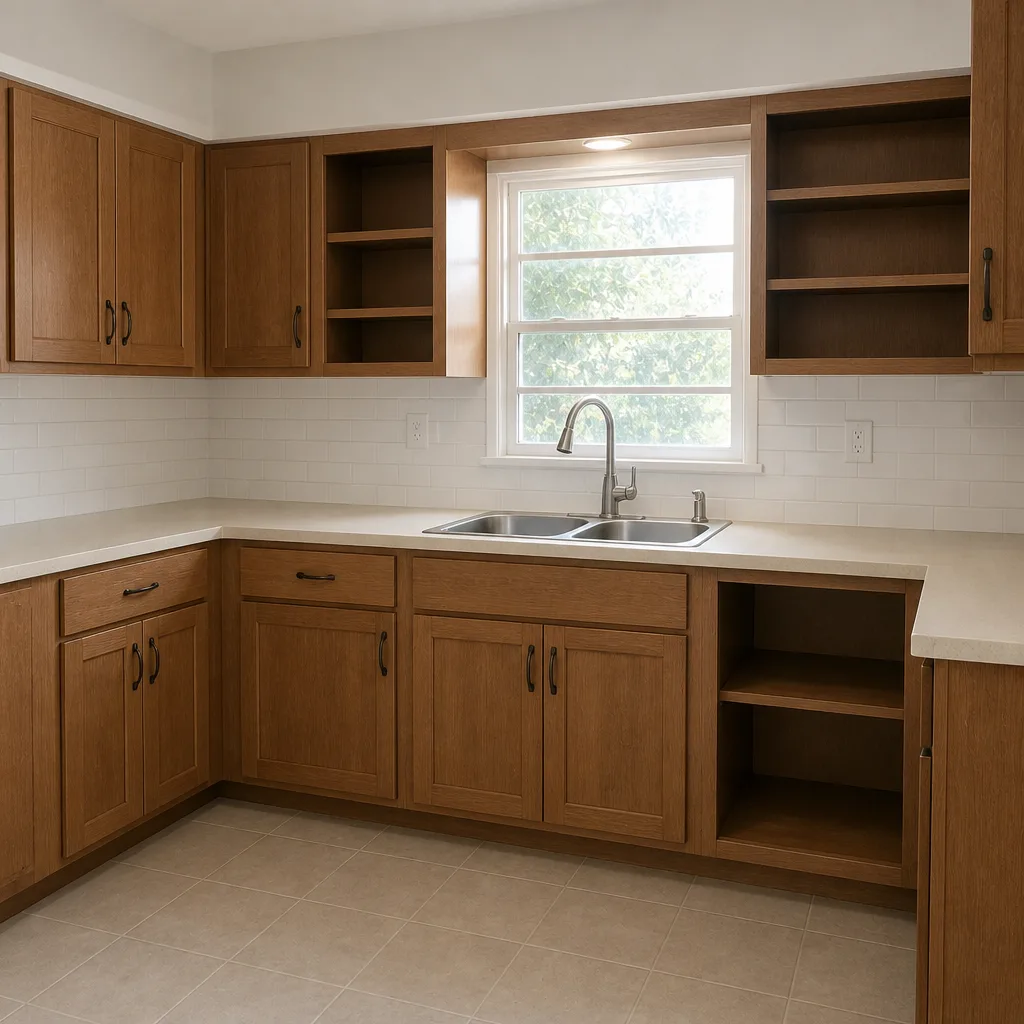
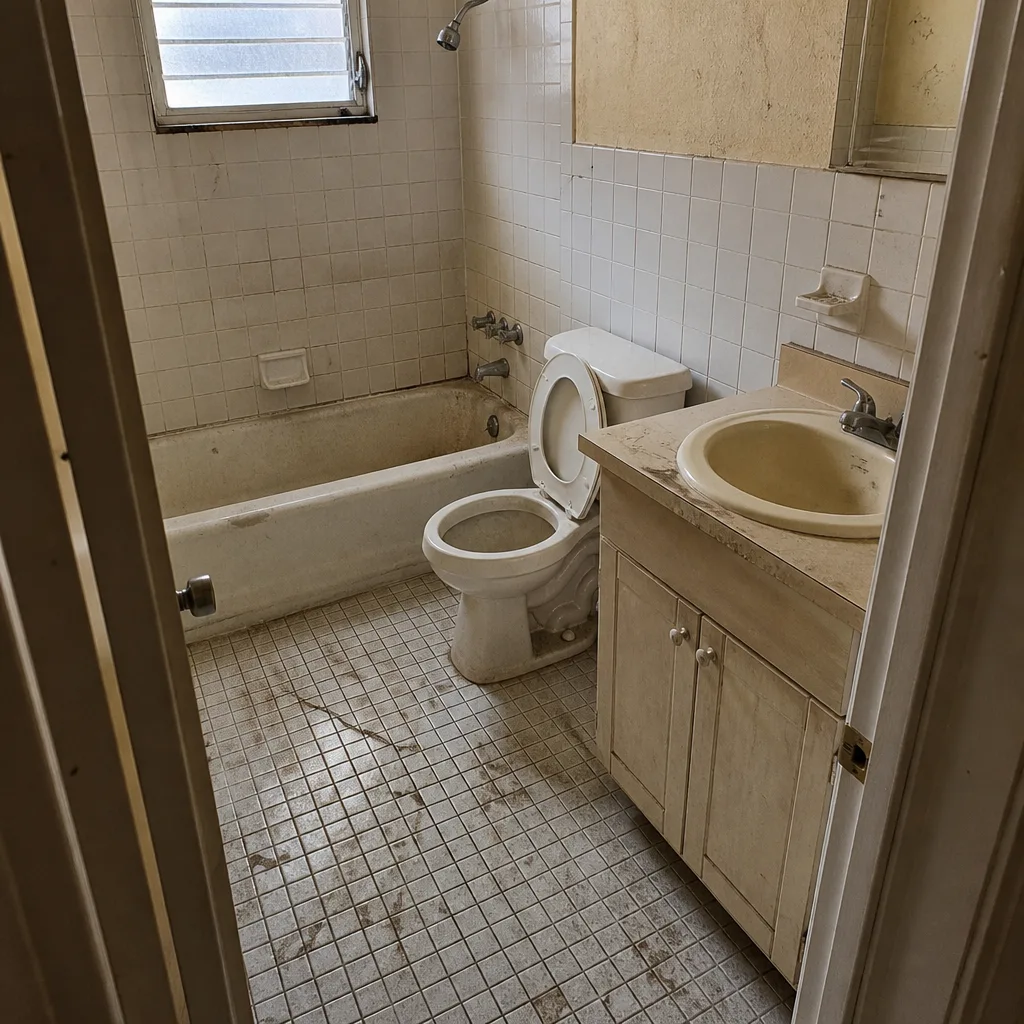
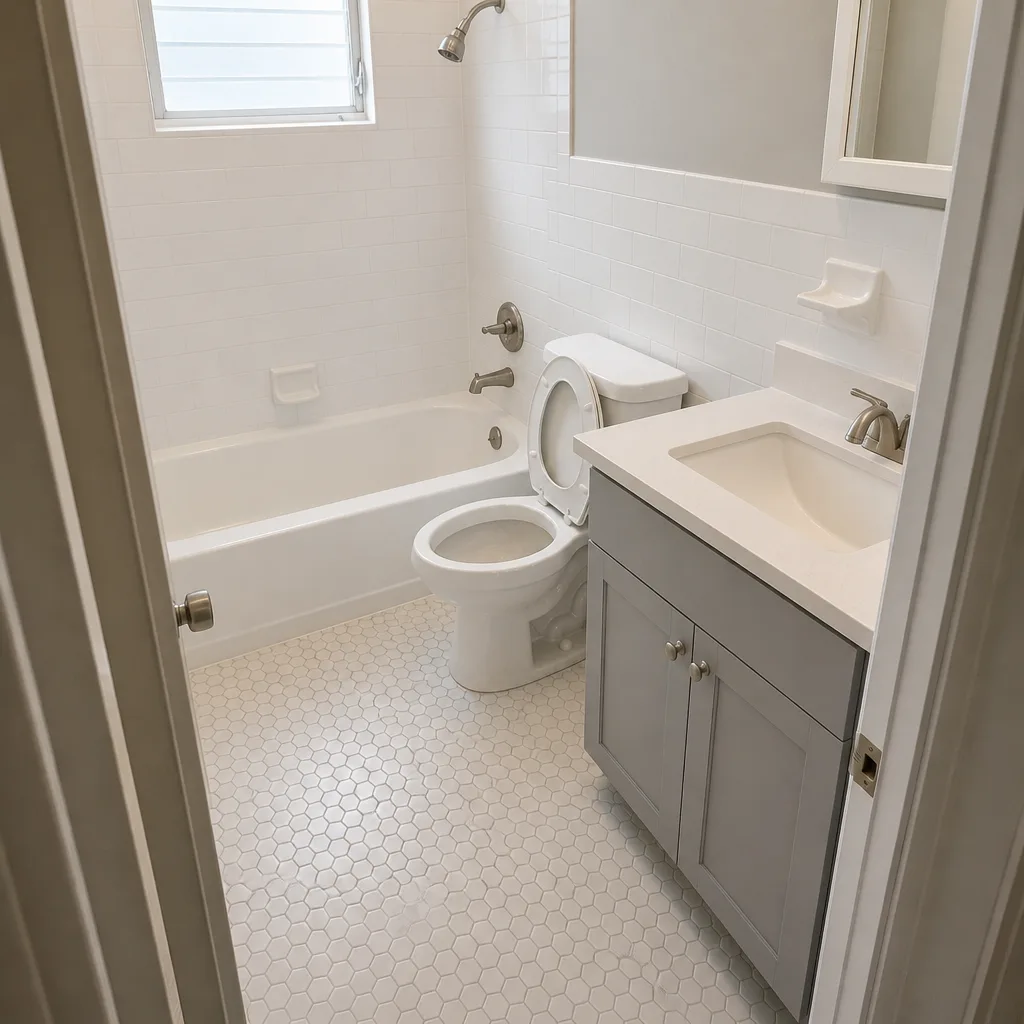
See the difference
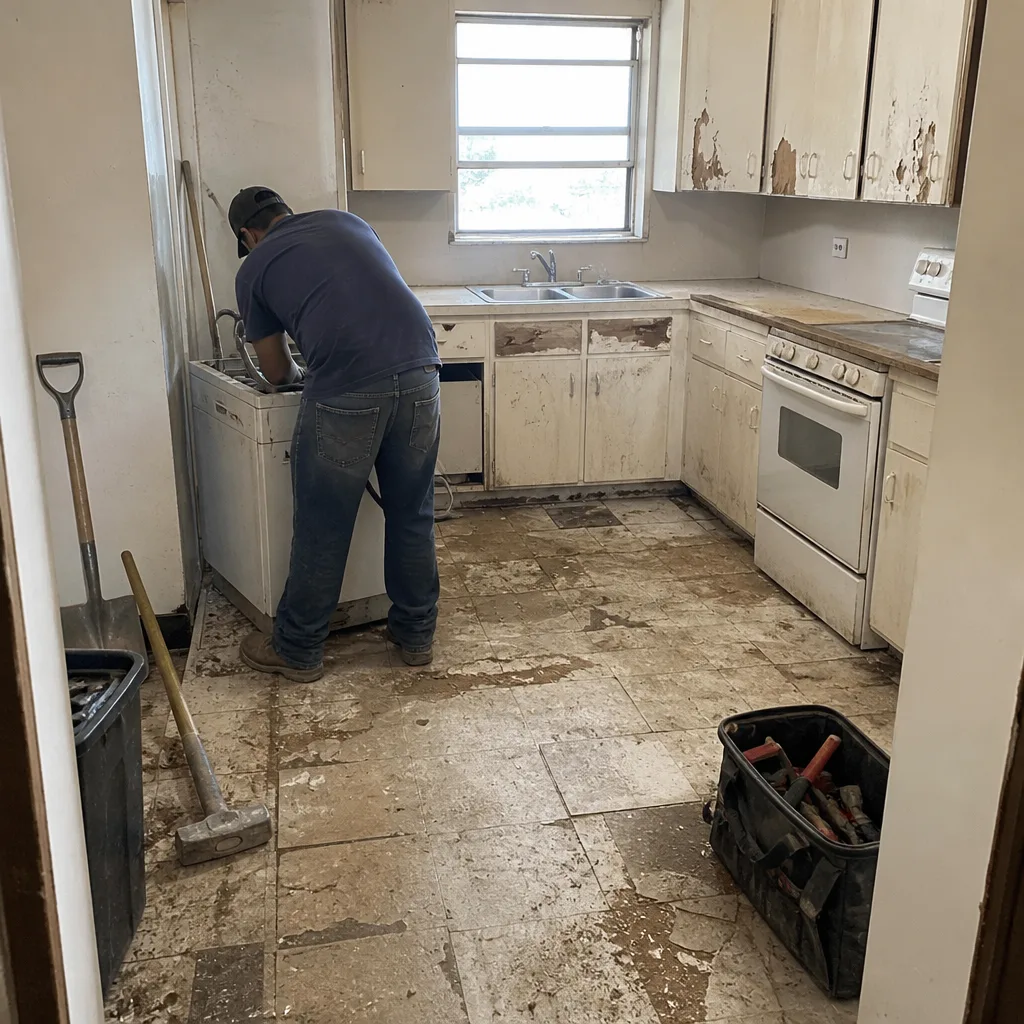 Before
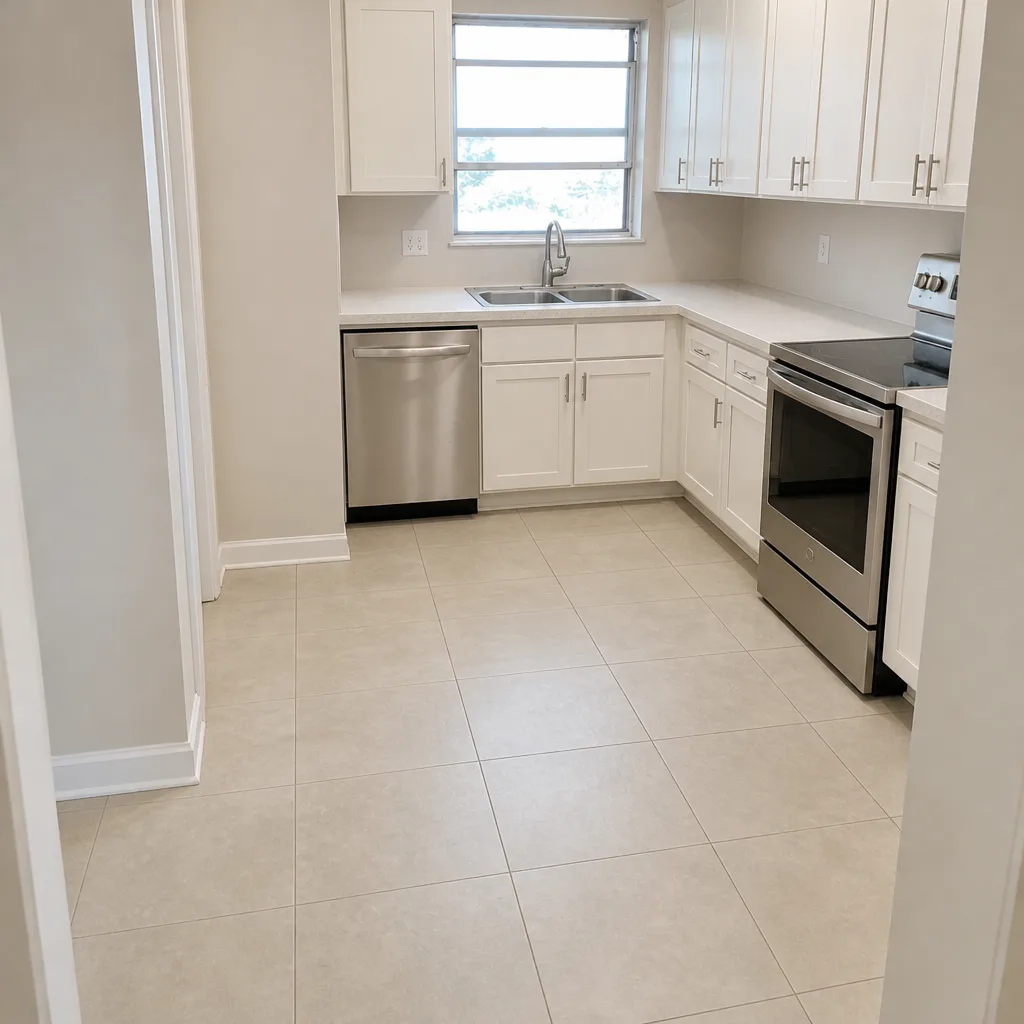 After
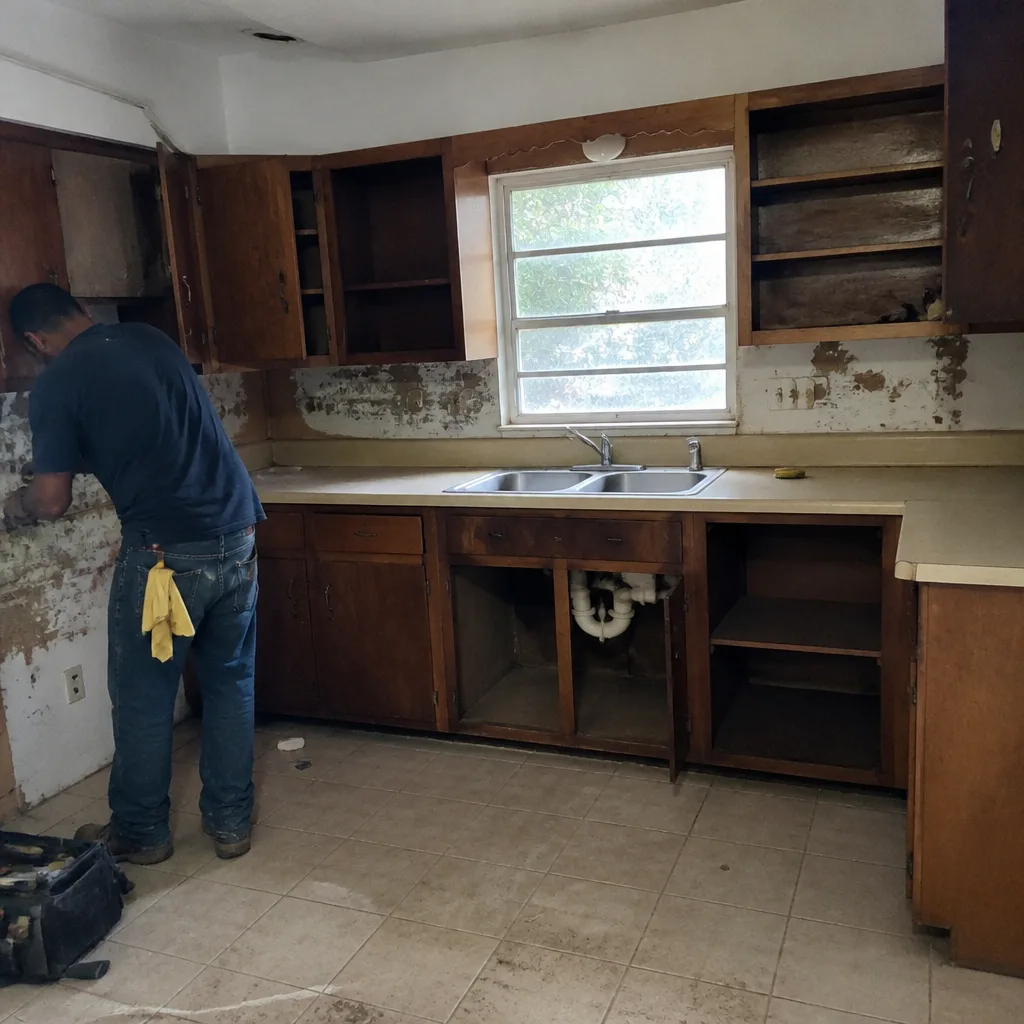 Before
 After
 Before
 After
When to Call a Professional
Some of this you can do yourself: build the documentation kit, keep photos, read your contract. But several situations demand a licensed professional immediately. Call one if a temporary roof covering has failed or torn loose, if water is actively entering a finished or unfinished space, if an inspector flags a structural or waterproofing defect, or if a contractor has skipped a milestone and you’re unsure whether to keep paying. The 365-Day Done Right Promise stands behind the work we do, and every project comes with a written price before any tool comes out. Bradford Remodeling Co Miami offers free estimates in Miami – call (844) 797-4435. A live person answers, day or night, and you’ll get a straight number before anything begins.
Frequently Asked Questions
It’s two things: preparing your home’s physical structure and contractual protections before an event, and knowing exactly how to respond to construction-related emergencies – a partially finished roof, a failed temporary repair, or a contractor who walks away mid-project – when they happen. Most guides only cover the first half; the second half is where Miami homeowners most often lose money. Call (844) 797-4435 to talk through a specific situation; estimates are free.
A licensed contractor’s duties are what the contract says they are, which is why those duties must be written into the agreement before work starts. Typical written requirements include securing loose materials, installing temporary weather protection over any open roof or wall, and notifying you in writing of the site’s condition. If your contract is silent on this, it isn’t protecting you.
Send written notice demanding performance, then file a complaint with the Florida DBPR, then – to protect against a construction lien – have a real estate attorney serve a written demand for a sworn statement of account. Document payments, the outstanding scope, and the abandonment notice, because that record is what triggers any performance bond claim. Call (844) 797-4435 for a free estimate to complete an abandoned scope.
Storm damage is harm from wind, water, or debris to correctly built work, and it goes to your insurer. Construction deficiency is a failure of work that wasn’t done to code or wasn’t finished, exposed by the storm, and it goes to your contractor as a warranty claim. Filing a defect as storm damage can get the claim denied and recorded against your policy.
Miami-Dade offers an emergency repair authorization for work needed to protect life, health, or property from immediate further damage – temporary roof covering, structural securing, emergency utility stabilization. Licensed contractors are eligible to pull these; a full permit and inspection still follows for any permanent repair. Document the damage photographically before temporary work begins to preserve your insurance position.
Costs vary by scope and can’t be quoted accurately without seeing the site. What we can commit to is a written price before any work starts – no numbers that move at the door – and a full-year written guarantee on completed work. For an exact figure on your project, call (844) 797-4435; estimates are free.
The Bottom Line
Preparedness on a Miami home under construction lives in paperwork as much as plywood. Write the pre-storm protocol into the contract. Build the documentation kit on day one. Separate storm damage from construction deficiency before you file anything. And when the emergency is an abandoning contractor or a temporary repair that failed, follow Florida’s process in order rather than paying under pressure. The thread through all of it is documentation and a written price – that’s The Garrison Standard, and it’s what keeps a project squared away when the weather isn’t.
Call (844) 797-4435 for a free estimate. A live person answers 24/7, and you’ll have the price in writing before a single tool comes out.
Written by the team at Bradford Remodeling Co Miami.