Last updated November 18, 2026







Free written scope consultation - allowances, timeline, and change-order rules on paper before a single trade is scheduled
Construction Permits, Codes & Inspections in FL: What You Need to Know
An unpermitted addition in Miami-Dade doesn’t just create a code violation. It can void your homeowner’s insurance policy, block a sale during title search, and require full demolition at your expense even if the work was done correctly. This happens to Miami homeowners every year, and it’s entirely preventable. The permit system most people treat as a bureaucratic hurdle is actually your primary legal protection as a property owner. This guide walks through the Miami-Dade versus City of Miami jurisdiction split, the Florida Building Code 8th Edition rules that hit the High-Velocity Hurricane Zone (HVHZ) hardest, the Notice of Commencement that protects you from contractor liens, and how to read your own inspection results on the county portal without calling anyone.
Quick Answer
In Florida, most construction work that changes a structure, its systems, or its safety requires a building permit issued by the correct jurisdiction for your property address, followed by inspections at defined stages and a final inspection before the work is legally complete. In Miami-Dade, the permit comes from the county or the municipality depending on where you’re located, the work must meet the Florida Building Code 8th Edition with stricter HVHZ rules for roofs, walls, and openings, and skipping the permit moves the liability onto you. A permit is not paperwork around the job. It’s the record that the job was done right.
Styles & brands we work with
- Kitchen remodeling
- Bathroom remodeling
- Home additions & ADU
- Roofing
- Windows & doors
- Driveway & pavers
- Fence
Table of Contents
- Who Issues Your Permit: Miami-Dade County or the City of Miami?
- The Florida Building Code 8th Edition and the HVHZ Difference
- The Notice of Commencement: Your Lien Protection
- Tracking Your Permit and Reading Inspection Results
- What Happens to a Finished Project That Was Never Inspected
- How an Unpermitted Job Affects Insurance and Resale
- The Permit and Inspection Process, Step by Step
- Common Mistakes to Avoid
Who Issues Your Permit: Miami-Dade County or the City of Miami?
The single most common early stumble on a Miami project is filing with the wrong office. Miami-Dade County is a patchwork of incorporated cities and unincorporated areas, and the permit jurisdiction follows the property address, not the contractor’s shop or the zip code on the mail. A house in Coral Gables goes through the City of Coral Gables. An address in unincorporated Miami-Dade – much of Kendall, parts of southwest Miami-Dade, and out toward the Redland – goes through Miami-Dade County’s Department of Regulatory and Economic Resources. A property inside the City of Miami limits goes through the City of Miami Building Department.
What makes this harder than it sounds is that neighboring properties can sit in different jurisdictions. A job on one side of a street may file with the county while the other side files with a city. Filing in the wrong office doesn’t get rejected with a helpful note and a redirect. It gets kicked back after plan review, and the clock resets. We’ve watched three and four weeks evaporate on a kitchen remodel because a sub filed with the county when the address was actually inside a municipality.
Two practical rules save that time:
- Confirm jurisdiction before drawings are finalized. A quick check on the county’s property appraiser site shows which municipality an address sits in. Do it at the estimate stage, not at filing.
- Confirm it again on the permit application itself. The jurisdiction question is on the form. Answer it from the property record, not from memory.
If you’re working with a general contractor in Miami, this is the contractor’s job to get right, and it’s a fair question to ask them before you sign anything: “Which office are you filing this with, and why?” A straight answer tells you a lot about how the job will run.
The Florida Building Code 8th Edition and the HVHZ Difference
Florida runs on a single statewide building code, currently the 8th Edition of the Florida Building Code. Every contractor working in the state is measured against it. But South Florida sits inside a special overlay called the High-Velocity Hurricane Zone, or HVHZ, which covers Miami-Dade and Broward counties. The HVHZ rules are stricter than the rest of Florida, and that gap is where out-of-state or out-of-region contractors get into trouble.
What actually changes under HVHZ:
- Roofing. Every product, fastener pattern, and underlayment assembly on an HVHZ roof must carry a Miami-Dade product approval or a Florida Product Approval specifically listing HVHZ use. A shingle or tile rated for Tampa may not be approved for Miami. The nailing pattern is also more demanding, and inspectors count nails.
- Exterior walls. Wall assemblies, sheathing attachment, and continuous load path connections between floors and roof are held to a higher wind standard. What passes in Orlando may not pass in Miami-Dade.
- Openings. Windows and doors must be impact-rated or protected by an approved shutter system, and the product approval has to match the size and installation method.
- Attachments. Awnings, carports, screen enclosures, and solar panel mounts all need HVHZ-rated connections. A screen room that bolts down fine elsewhere can fail an HVHZ inspection on fastener count alone.
This matters to a homeowner because product substitution is one of the ways a job gets “value engineered” into a failed inspection. If a contractor can’t name the product approval number on an HVHZ roof, that’s a real question, not a nitpick. We hold to a documented roster of premium materials for exactly this reason – brand and specification get written into the scope so the product that shows up matches the product on the permit. A kitchen remodeling in Miami project touches the HVHZ rules at the window and door stage, and a bathroom remodeling in Miami project touches them if the window or exterior wall is opened. Neither is exempt.
The Notice of Commencement: Your Lien Protection
The Notice of Commencement (NOC) is a single-page document that most homeowners have never heard of, and skipping it is the quietest way to lose your own protection. When a permit is pulled for certain work – typically anything over a threshold value – the property owner is required to record a Notice of Commencement with the county clerk and post it on the job site. The NOC tells the world that work is starting, and it triggers the timeline that protects you from lien claims.
Here’s why it matters. Under Florida lien law, subcontractors and suppliers who aren’t paid by your general contractor can file a lien against your property – not against the contractor. A supplier who delivered cabinetry, a drywall crew, an electrician: each can claim a lien on the house they improved. The Notice of Commencement starts a 90-day window and requires anyone with a lien right to give you notice. If you file and post it correctly, you have a documented defense. If you skip it, the protection shrinks and you can end up paying twice for the same work.
The practical steps:
- Record the NOC with the Miami-Dade Clerk of the Courts before the first inspection, not after the first invoice.
- Post a copy on the job site in a visible spot, as the law requires.
- Ask every sub and supplier for a release of lien at final payment, and keep the signed releases with the permit file.
If your contractor handles the NOC for you, that’s fine. Verify it’s actually recorded. We’ve seen NM – no NOC filed – on more files than we’d like to count, and the homeowner is the one who absorbs the risk.
Tracking Your Permit and Reading Inspection Results
Miami-Dade County makes inspection results public through its online permit portal, and every homeowner should know how to read it. The status line tells you more than it appears to. Here’s the plain translation:
- Approved – the inspection passed clean. The next stage can proceed. Nothing more is required at that point.
- Approved with conditions – the work passed on the items checked, but the inspector noted something to correct or verify before the next stage is signed off. It is not a pass to ignore; the condition has to be resolved, sometimes with a follow-up photo or re-inspection.
- Failed – the inspector found work that doesn’t meet the code or the permit scope. The contractor must correct it and schedule a re-inspection. Re-inspection usually costs money, and the delay adds days or weeks.
- Finaled – the entire permit has been closed out. All required inspections passed, and the work is legally complete. This is the only status that means the job is actually done in the eyes of the code.
Two things to know about the portal. First, an “open” permit that shows “finaled” was never inspected is a contradiction, and it’s a red flag – call it out. Second, if a permit shows as expired, it can sometimes be reactivated, but reactivation usually requires a new inspection and a fee. The takeaway: look up the permit at the start of the job, check it mid-job, and don’t make the final payment until the status reads finaled. If a final inspection was never scheduled, you can schedule one, and the inspector can still walk the finish.
What Happens to a Finished Project That Was Never Inspected
Work that was built and never inspected isn’t automatically legal. It’s a liability waiting for a trigger event – a sale, a refinance, an insurance claim, or a neighbor’s complaint. Miami-Dade has a process for correcting it, and it can be expensive.
The general path looks like this:
- Open a permit retroactively. The homeowner or a licensed contractor files for the work that was done, providing drawings and documentation of existing conditions.
- Schedule inspections. The inspector walks the finished work as if it had been inspected at each stage.
- Expect exposure. If the framing, electrical, or plumbing was covered before inspection, the inspector may require the covering to be opened – drywall removed, tile pulled, cabinet run opened – so the inspector can actually see what’s inside the wall.
- Remediate and re-inspect. Anything that fails must be corrected by a licensed trade, then re-inspected. Repeat until it passes.
In the worst cases, the work must come out entirely, because the inspector can’t verify what can’t be seen. A finished basement that was drywalled before inspection gets the drywall pulled. An unpermitted bathroom remodel in a Miami high-rise gets the shower tile stripped to expose the rough-in. Both happen. The homeowner pays for the demolition, the correction, and the re-inspection – on work they already paid for once.
How an Unpermitted Job Affects Insurance and Resale
Two triggers expose an unpermitted project fastest. The first is a claim. Most homeowners’ policies exclude damage that originates in unpermitted or non-code work, and a hurricane claim that routes through a roof that was never inspected is a common denial. The second trigger is a sale. A title search surfaces open permits, and a Miami-Dade purchaser’s lender will not finance over an open permit. The deal stalls, the seller pays for the fix, or the price is reduced to account for the risk.
What to do about it before it becomes a problem:
- Pull the permit history on your own address. The county portal and the property appraiser record show what was permitted and when. Do it before you list, not after.
- Get a written, finaled permit for every project on the property, including ones done before you bought.
- Keep the permit, inspection records, and the finaled status together in a single file the title company can pull.
A finaled permit is worth real money at resale. In the Miami market, an appraiser who can’t verify a permitted addition values the property as though the addition isn’t there. A bathroom or kitchen that was permitted and inspected supports the price. The reverse is also true: an unpermitted addition subtracts value, and the buyer’s agent will price that in. When you choose a contractor, ask how they close out a job: clean site, documented scope, signed written guarantee in hand, and the permit finaled and filed. That’s what squared away looks like, and it’s what we hold ourselves to at Bradford Remodeling Co Miami, back to the Bradford Remodeling Co Miami home page and every project we run.
The Permit and Inspection Process, Step by Step
Every project differs, but the spine of the process is consistent. If you’re a homeowner new to construction, this is the sequence to expect – and the sequence to hold your contractor to.
- Confirm the jurisdiction and the code year. Check which city or county office holds the property address, and confirm the current Florida Building Code edition applies to the plan set. For Miami-Dade, that also means HVHZ product approvals on the roof, windows, and attachments.
- Submit plans and pay the permit fee. The contractor or owner files the application with drawings, product approvals, and the contractor’s licensing information. Plan review follows, and it can take days to weeks depending on workload.
- Record and post the Notice of Commencement. Record the NOC with the Miami-Dade Clerk before the first inspection and post a copy on the site.
- Schedule inspections at each defined stage. Foundations, framing, rough-in electrical, rough-in plumbing, mechanical, insulation, drywall, and the final inspection. The inspector signs each stage; don’t let the crew cover a stage before it’s signed.
- Correct anything that fails and re-inspect. A failed inspection is not the end of the job, but it is a schedule event. Budget time and a fee for it.
- Pass the final inspection. The permit reads finaled, the file closes, and you have a legal record of the work. Hold back the final payment until you see it.
If something goes wrong – a failed inspection, an expired permit, a jurisdiction mix-up – the earlier you catch it, the cheaper the fix. That’s why we put a written price and a written scope in front of the homeowner before tools come out. The Garrison Standard and The Garrison Code exist because the paperwork is the job, and the homeowner should be able to see all of it.
Common Mistakes to Avoid
- Filing with the wrong jurisdiction. A pool permit for a Kendall address belongs with Miami-Dade County, not the City of Miami. Filing in the wrong office resets plan review and can add weeks.
- Skipping the Notice of Commencement. If you don’t record it, you lose the 90-day lien window that protects you from subcontractor claims on your own property.
- Accepting a “no permit needed” claim at face value. Structural, electrical, plumbing, and roofing work almost always needs a permit. When a contractor says otherwise, ask for the code section and get it in writing.
- Letting the crew cover the rough-in before inspection. Drywall over un-inspected plumbing or wiring means the inspector can require the wall to come open later, at your cost.
- Trusting an out-of-area product approval on an HVHZ job. A roof or window approved for the rest of Florida may not carry the Miami-Dade approval the code requires, and the failure shows up at final inspection.
- Paying the final invoice before the permit reads finaled. The finaled status is the only proof the job is legally done. Hold back payment until you see it.
- Hiring a contractor who won’t put the scope and price in writing. An unwritten scope is how a job grows change orders and how a permit gets filed wrong. A written price before work starts is non-negotiable.
See the difference
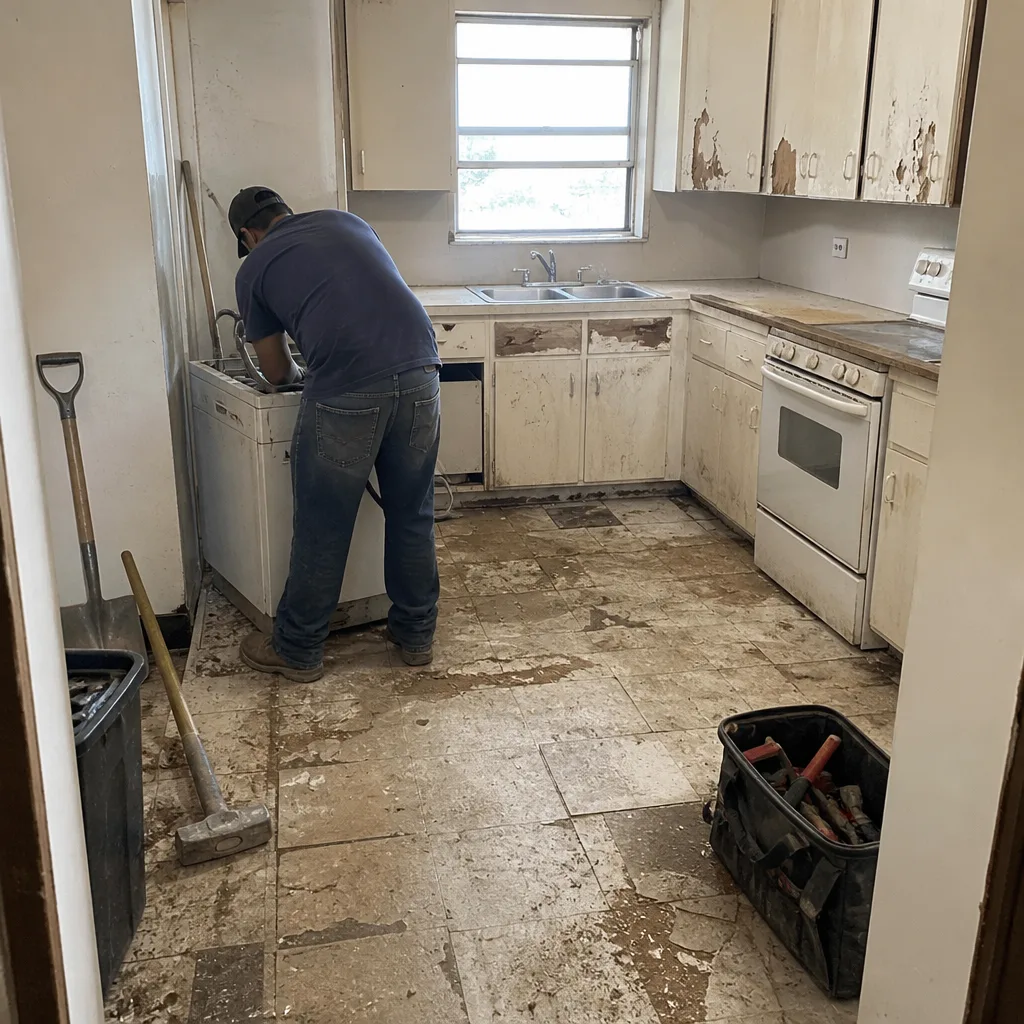 Before
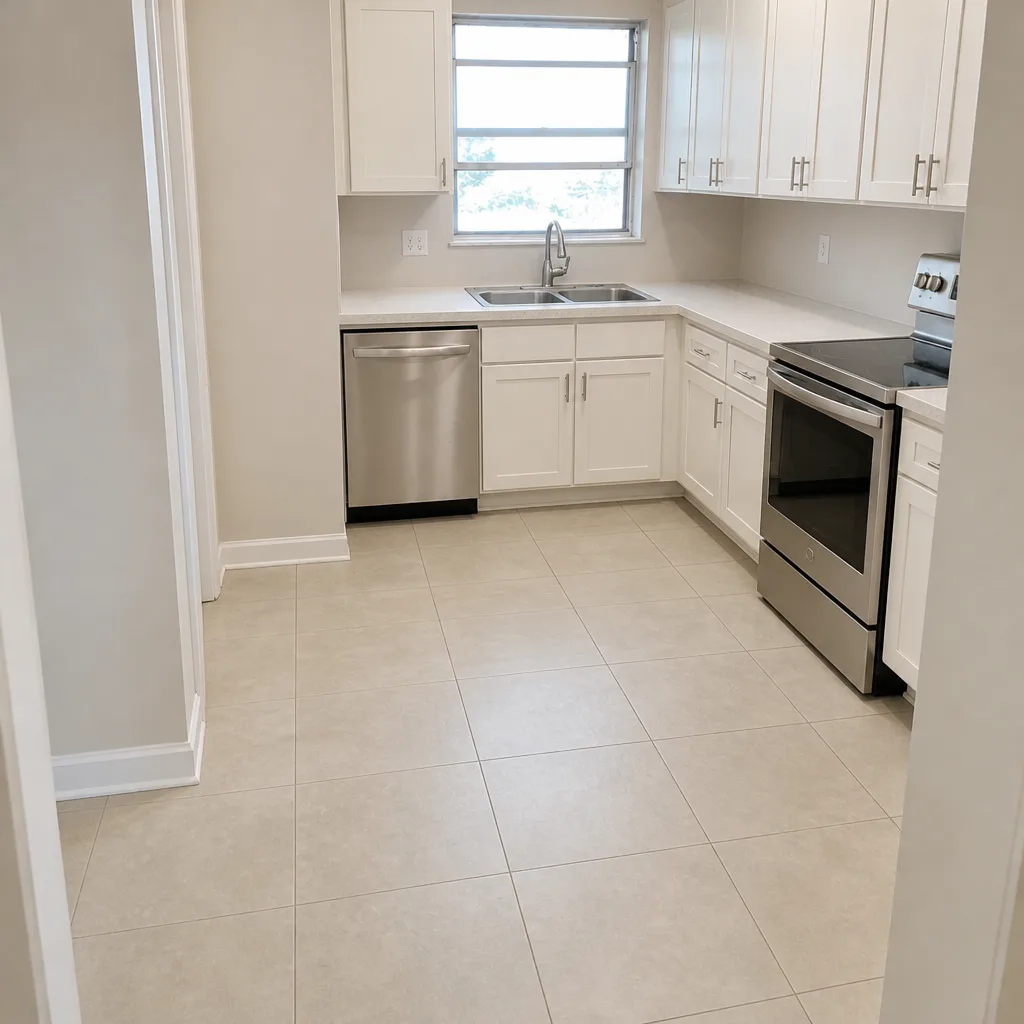 After
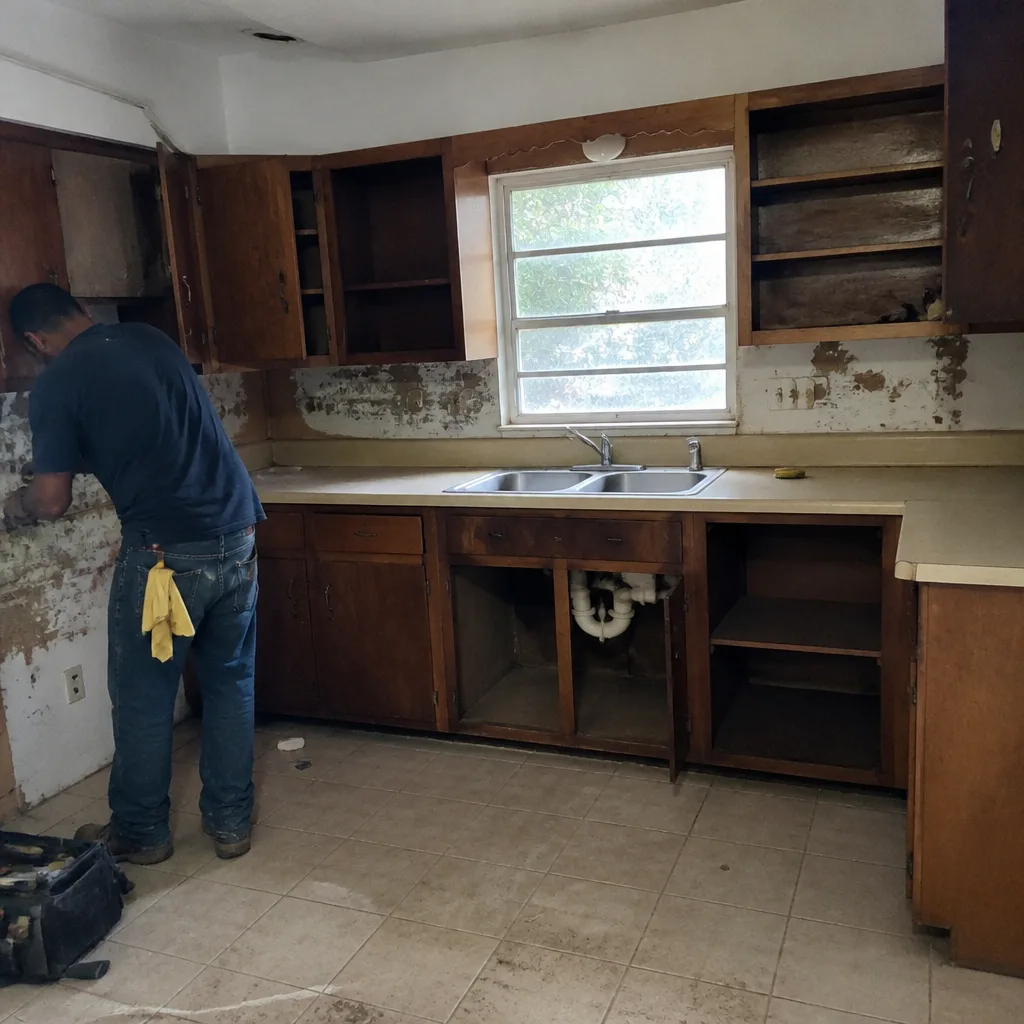 Before
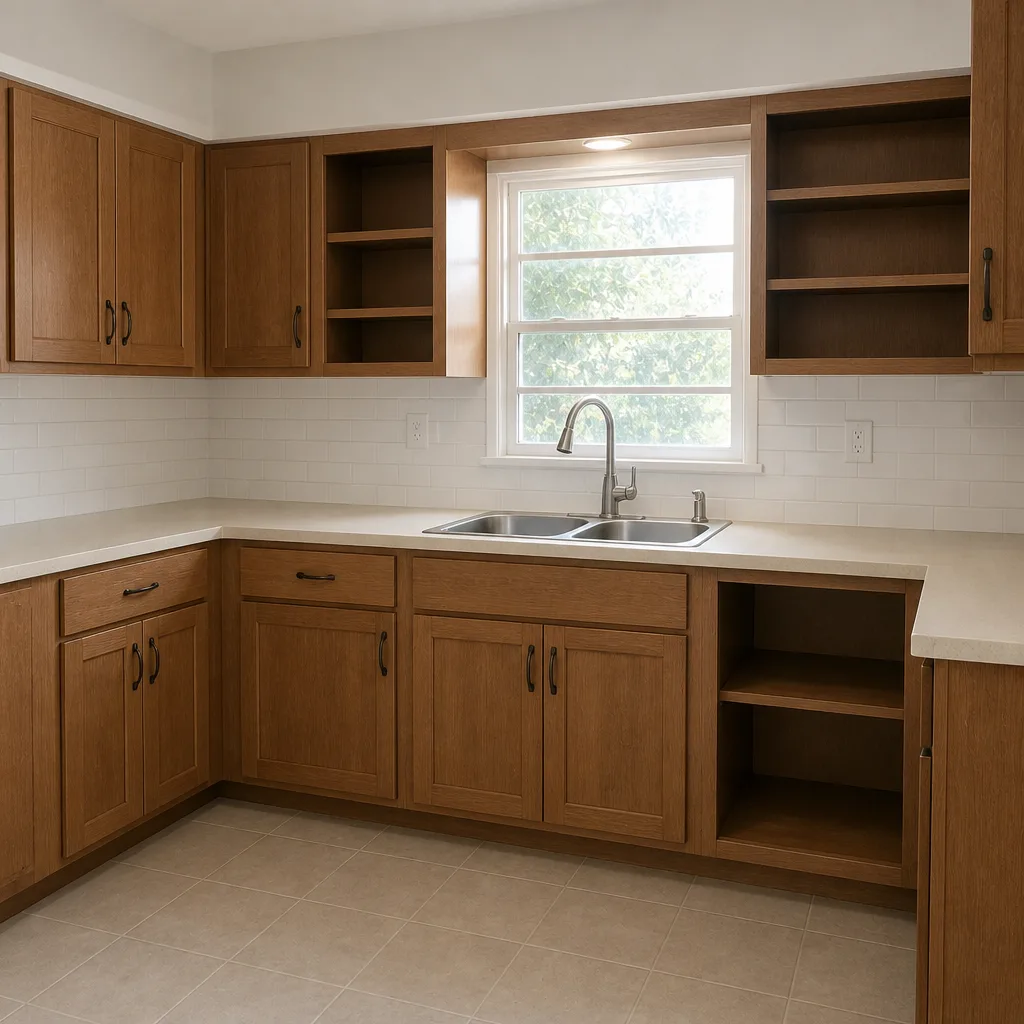 After
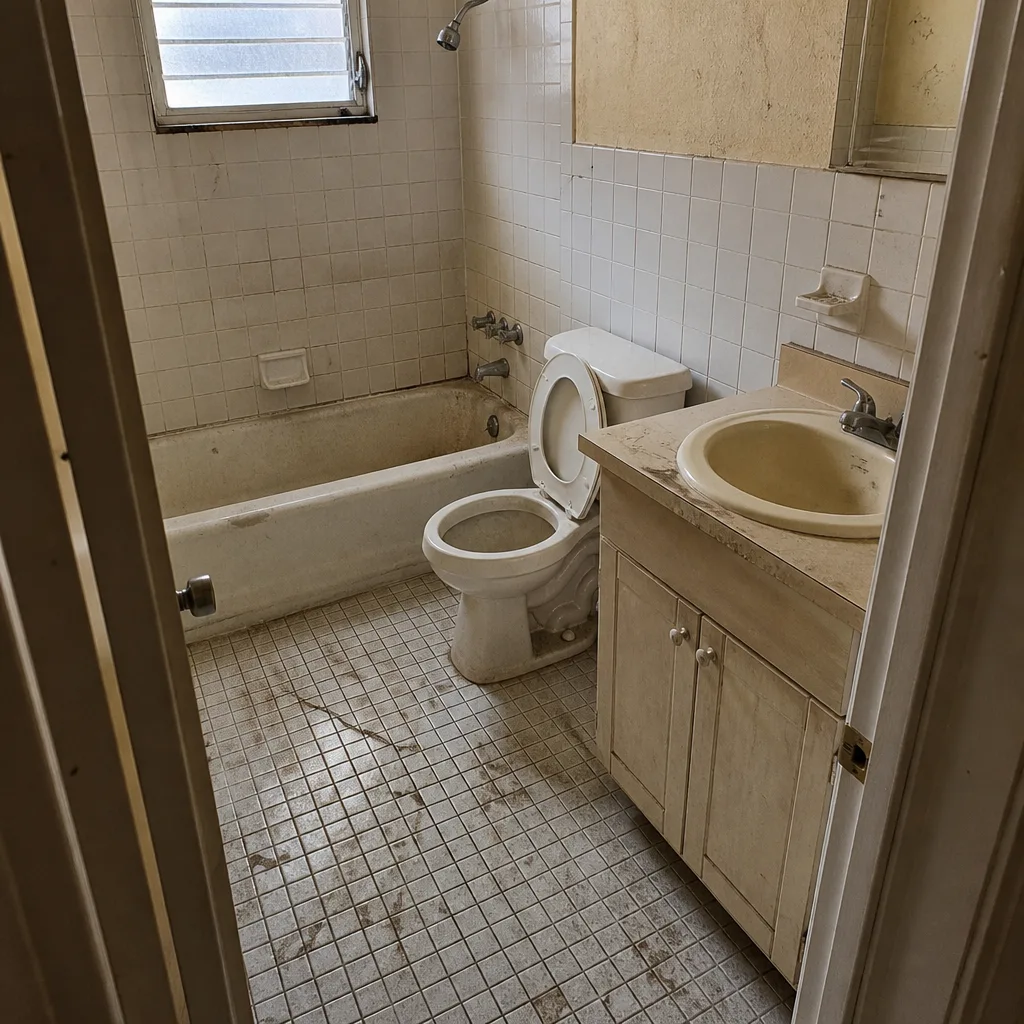 Before
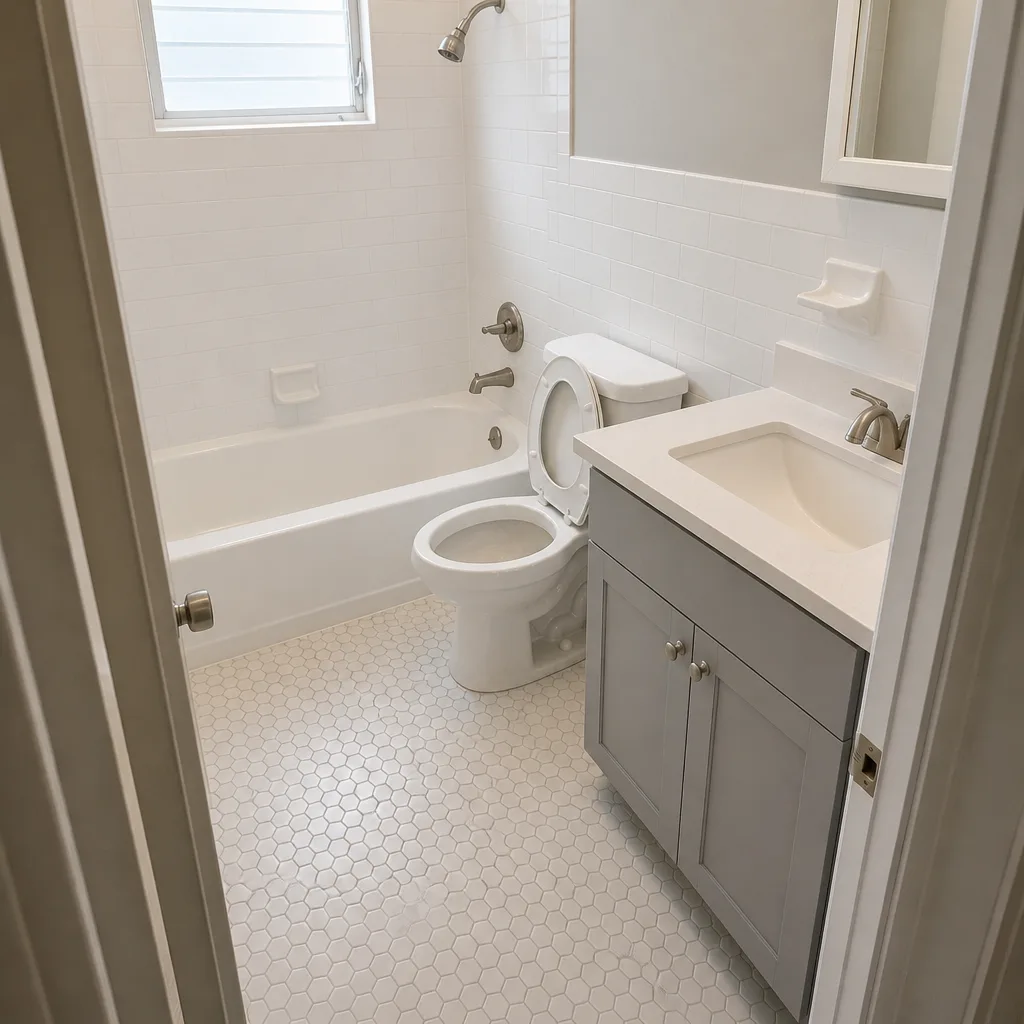 After
When to Call a Professional
Call a licensed contractor when the job touches the structure, electrical, plumbing, the roof, or the exterior envelope – and that’s most of what a remodeling project involves. Call even sooner if you’re inheriting an unpermitted project, if a permit on your property shows as open or expired, or if a sale is on the horizon and the title search is going to surface something. A contractor who works the Miami-Dade permit system daily can read the code requirements against your specific address and pull the right approvals for HVHZ. Bradford Remodeling Co Miami offers free estimates in Miami. Call (844) 797-4435. We’ll put the scope and the price in writing before a single tool comes out, and the permit and the finaled inspection are part of what we hand you at close.
Frequently Asked Questions

Yes, if the work touches plumbing, electrical, mechanical, or the structure, a permit is required in Miami-Dade, and most bathroom and kitchen remodels do. A cosmetic-only refresh – paint, surface swaps on cabinets, a replaced faucet on an existing connection – may be exempt, but that’s the narrow case, not the default. Call (844) 797-4435 for a free estimate and an honest answer on what your project needs.
It depends on the property address. Incorporated cities like Miami, Coral Gables, and Hialeah issue their own permits, and unincorporated Miami-Dade County goes through the county’s Department of Regulatory and Economic Resources. Filing with the wrong office is the most common cause of a permit delay. Check the property record first.
The Notice of Commencement is a document recorded with the county clerk that starts the lien-protection timeline and must be posted at the job site. Florida law requires it for permitted work over a threshold value. Skipping it removes your strongest defense against subcontractor and supplier liens on your own home.
It means the work passed the items the inspector checked, but something still needs to be corrected or verified before the permit can move to the next stage. It is not a clean pass. Resolve the condition, document it, and schedule the next inspection – don’t let the crew proceed as if the inspection closed.
Technically yes, but a purchaser’s lender typically won’t finance over an open permit, and the price gets discounted for the risk. The cleanest path is to legalize the work before listing – pull the permit retroactively, pass the inspections, and hold the finaled record for the title company.
Yes, the High-Velocity Hurricane Zone covers all of Miami-Dade and Broward counties, so it applies to every home in Miami. It requires Miami-Dade-approved products and stricter installation for the roof, windows and doors, exterior walls, and attachments. An out-of-region product that passes elsewhere may fail an HVHZ inspection. Call (844) 797-4435 and we’ll confirm the product approvals for your scope before the permit is filed.
The Bottom Line
The permit system is not the enemy of a good remodel. It’s the thing that makes the remodel worth what you paid for it. Confirm the jurisdiction before you file. Build to the Florida Building Code 8th Edition and the HVHZ rules that apply to every Miami address. Record the Notice of Commencement so a subcontractor’s unpaid invoice doesn’t become a lien on your house. Track the permit on the county portal, and don’t pay the final invoice until the status reads finaled. A written scope, a written price, and a finaled permit are the three documents that separate a project you’ll be glad you did from one you’ll be paying to fix.
Bradford Remodeling Co Miami runs every project to The Garrison Standard: a written price before work starts, background-checked and uniformed technicians on each job, live-person phone coverage at any hour, and a 365-Day Done Right Promise in writing on every completed project – if the work doesn’t hold within that year, we come back and correct it at no charge. Call (844) 797-4435 for a free estimate. Our technicians have up to 22 years of experience, and we work with documented brands including Kohler, Moen, Silestone, and Caesarstone, so specifications are traceable from the estimate to the final inspection.
Written by the team at Bradford Remodeling Co Miami.