Last updated November 18, 2026




Free written scope consultation - allowances, timeline, and change-order rules on paper before a single trade is scheduled
DIY vs Professional Construction: The Miami Homeowner’s Decision Guide
Florida’s owner-builder exemption lets you pull your own permit and do your own work. It also asks you to sign a sworn statement that you won’t sell the property within one year, and in Miami-Dade it doesn’t exempt you from High-Velocity Hurricane Zone (HVHZ) product approval rules. Many homeowners find that out after they’ve already bought the windows. This guide draws the line where the Florida Building Code draws it, not where your skill level does, and it explains exactly which scopes you can legally and safely handle in Miami and which ones put your insurance, your resale, and your safety at risk.
Quick Answer
In Miami, the DIY-versus-hire decision comes down to three things: whether the scope legally requires a licensed contractor, whether it falls under HVHZ product approval and inspection rules, and what the work does to your insurance and resale value if it’s done outside the permitted system. Interior painting, cabinet hardware, landscaping, and non-structural demo are fair game for most homeowners. Electrical panels, gas lines, structural changes, roofing, and impact window installation are not, and no amount of YouTube confidence changes that.
Styles & brands we work with
- Kitchen remodeling
- Bathroom remodeling
- Home additions & ADU
- Roofing
- Windows & doors
- Driveway & pavers
- Fence
Table of Contents
- What Florida’s Owner-Builder Exemption Actually Permits
- Scopes That Legally Require a Licensed Contractor in Miami
- HVHZ Rules: Why Miami Is a Different Job Site
- The Real DIY Cost Calculation in Miami
- Where DIY Makes Sense in a Miami Home
- Insurance and Resale: The Paper Trail That Follows You
- Common Mistakes to Avoid
- When to Call a Professional
What Florida’s Owner-Builder Exemption Actually Permits
Florida Statute 489.103(7) lets a homeowner pull permits and perform construction on a single-family residence they own and occupy, without holding a contractor license. It’s a real exemption and it’s used legitimately by thousands of Floridians every year. But the exemption has strings, and they’re printed in the affidavit you sign at the building department.
Here’s what the owner-builder affidavit typically attests:
- You own the property and will occupy it as your primary residence.
- You will perform the work yourself or supervise it directly.
- You will not hire an unlicensed contractor to do the work on your behalf.
- You will not sell, lease, or otherwise transfer the property within one year of the permit’s final inspection.
That last point is where the trouble usually starts. If you pull an owner-builder permit, do the work, and then list the house eight months later, you’ve created a disclosure problem. Title agents and buyer’s inspectors flag owner-builder permits during due diligence, and a future buyer’s lender may balk at financing a home with unpermitted or owner-permitted structural work. In a Miami market where homes turn over quickly and buyers are careful about storm-resilience documentation, that paper trail is not invisible.
The exemption also does not waive HVHZ requirements, does not exempt you from inspections, and does not let you sign off on product approvals. It changes who is legally allowed to swing the hammer. It doesn’t change what the code requires of the finished product.
Scopes That Legally Require a Licensed Contractor in Miami
Some work in Florida sits outside the owner-builder exemption entirely, no matter how capable you are with tools. These are areas where the state has decided the risk to life and property is high enough that only a licensed, insured professional may perform the work.
- Electrical panels and service upgrades. Panel replacement, service increases above 200 amps, and any work inside the meter base require a licensed electrical contractor in Miami-Dade. The utility won’t reconnect service without a licensed electrician’s sign-off and a passed inspection.
- Gas lines. Any natural gas or propane piping work, including extending a line for a new range or outdoor grill connection, requires a licensed gas contractor. Miami-Dade enforces this strictly after several high-profile gas incidents.
- Structural modifications. Removing a load-bearing wall, adding a beam, cutting a new opening in a masonry wall, or any change to the structural envelope of a home requires a licensed general or building contractor and engineered drawings stamped by a Florida-registered engineer.
- Work in a flood zone above the substantial improvement threshold. If your home is in a mapped flood zone (AE or VE) and the proposed work exceeds 50% of the structure’s assessed value, the entire structure must be brought into current flood code. That’s not a DIY scope under any circumstance, and Miami-Dade has homes in these zones throughout the coastal neighborhoods and along the Miami River corridor.
If you’re already planning work in these categories, our general contractor in Miami page covers how a licensed contractor handles the permit path, the engineering, and the inspection sequence from start to final.
HVHZ Rules: Why Miami Is a Different Job Site
Miami-Dade and Broward are the only two counties in Florida designated as the High-Velocity Hurricane Zone. That means every product on the exterior envelope of a building – windows, doors, roofing materials, shutters, skylights – must carry a Miami-Dade Notice of Acceptance (NOA) or a Florida Product Approval with the HVHZ rating. And it must be installed to the manufacturer’s approved method, which is often a specific nailing pattern, anchor spacing, and flashing sequence that only a trained installer or an approved contractor is certified to execute.
Why does that matter for a DIY decision? Because installing an HVHZ-rated impact window is not the same as installing an ordinary window. If a homeowner installs an impact window themselves and the product’s NOA requires an approved installer or specifically trained installation crew to maintain the certification, the product can lose its approved status. That’s a real problem at claim time, and Miami insurers pay attention.
What voiding that certification costs in a wind-damage claim:
- The insurer can deny the window-specific portion of the claim, citing improper installation.
- If the window failure is determined to have contributed to water intrusion, the insurer may extend the denial to interior water damage.
- The homeowner’s wind mitigation discount may be reduced or removed, since the inspector who evaluates the home for the discount will look for permits and NOAs with the installation record.
Roofing has the same structural problem. Miami-Dade requires a roofing permit for any roof covering replacement, and the inspection sequence includes a dry-in inspection and a final inspection that verifies the underlayment, the fastening pattern, and the product’s NOA. A homeowner-performed roof replacement is technically possible under owner-builder rules, but it will not pass the wind mitigation inspection in a form that preserves the insurance credit, and roofers we work alongside in Miami regularly find that DIY-attempted repairs from a prior owner are the source of denied claims.
The practical rule: anything on the exterior envelope of a Miami home lives in HVHZ territory. Whether the owner-builder exemption covers it legally is less important than whether it covers it in a form your insurer and your future buyer will accept.
The Real DIY Cost Calculation in Miami
The comparison most homeowners make is “my time versus their labor rate.” That’s the wrong math. Here’s the full picture.
Permit fees as an owner-builder. In Miami-Dade, an owner-builder pays the same permit fees a licensed contractor pays, calculated on project valuation. For a typical kitchen remodel running $35,000 to $60,000 in construction value, permit fees land in the $600 to $1,400 range depending on the jurisdiction and the number of trade sub-permits pulled. There’s no owner-builder discount. Some homeowners assume there is, and don’t discover otherwise until the permit counter.
Inspection failure rates for self-performed work. Self-performed work in Miami-Dade fails first and second inspections at a notably higher rate than work performed by licensed contractors, mostly on rough-in inspections: framing, plumbing, and electrical. Each re-inspection carries a fee (typically $75 to $150 per visit) and, more importantly, time. A failed rough framing inspection stalls the entire project until the correction is made and re-inspected.
Remediation cost when non-compliant work must be opened and redone. Here’s the number that changes the equation. If a shower pan fails the flood test because the liner wasn’t sloped or the curb was built wrong, opening it up means tearing out the tile, re-setting the pan, re-tiling, and re-inspecting. In a Miami condo or single-family bathroom that runs $2,500 to $6,500 in redo costs on top of the original material spend. If a homeowner installs a subpanel that fails inspection because the grounding and bonding weren’t done to the current code cycle, the correction means opening walls, running a proper grounding electrode conductor, and paying a licensed electrician to sign off. That’s $1,200 to $3,000 for a scope the homeowner thought they’d saved on.
And then there’s the softer cost: the time. A self-managed kitchen remodel in Miami routinely stretches to four to six months because the homeowner coordinates inspections around a day job, so each step waits on the next available inspector slot. A contractor running the same scope is doing that coordination as a routine part of the crew’s week.
Quick cost comparison
- Owner-builder permit fees: $600 to $1,400 for a mid-size remodel
- Re-inspection fee: $75 to $150 each, common on self-performed rough-ins
- Bathroom redo after a failed flood test: $2,500 to $6,500
- Electrical correction after failed inspection: $1,200 to $3,000
- Added timeline: two to four extra months on a typical self-managed remodel
Add the insurance cost – a claim denial or a lost wind mitigation credit – and the DIY savings narrows to nothing on any scope that touches the building envelope or the electrical and gas systems.
Where DIY Makes Sense in a Miami Home
None of this makes DIY a bad idea. It makes it a scope question. Some work in a Miami home is genuinely fine to handle yourself, and we tell homeowners so when they call us for a quote on a larger project and ask whether to fold the small stuff in.
Scopes that don’t require a permit and don’t trigger trade licensing in Miami:
- Interior painting. No permit. Takes real prep time – surface patching, caulking, taping – and two coats for most colors. A 12×14 bedroom is a full weekend for a careful first-timer.
- Cabinet hardware and pulls. No permit. The trick is a jig for consistent placement across doors. A $20 jig saves a $400 cabinet door replacement.
- Landscaping and sod. No permit for plant beds, sod replacement, mulch, and low-voltage landscape lighting (the low-voltage part matters – line-voltage outdoor outlets require an electrician).
- Non-structural interior demo. No permit for removing drywall, tearing out old cabinets, pulling flooring. Structural walls are the line, and your pre-demo walk-through should confirm which walls carry load. In many Miami homes, the wall between the kitchen and living area is load-bearing, so a structural engineer’s assessment ($400 to $800) is cheap insurance before demo begins.
- Closet shelving and organization systems. No permit, no trade license, and a well-designed system is a real resale upgrade.
- Tile backsplash. No permit in most Miami-Dade jurisdictions for backsplash-only tile on an existing wall. Realistic skill expectation: mastic application, tile spacing, and grout work all take practice, and a wavy first-timer backsplash is visible for the life of the kitchen.
Where DIY gets held up: any scope on that list that involves opening a wall, moving a drain, or touching a 240-volt circuit. If the project crosses into that territory, the permit clock starts and the licensed-contractor question kicks in.
If you’re planning a kitchen project and want to understand what a full-scope remodel looks like vs. the DIY pieces you can keep, our kitchen remodeling in Miami page walks through the permit sequence and the inspection checkpoints.
Insurance and Resale: The Paper Trail That Follows You
The part most DIY guides skip is what happens after the project is done. In Miami, the paper trail of a construction project has a second life that follows the house.
Insurance. Miami-Dade insurers increasingly pull permit records and NOA documentation when underwriting a new policy or renewing an existing one. A homeowner with a roof replacement showing an owner-builder permit and no wind mitigation inspection is a different underwriting file than one with a licensed roofing contractor’s final inspection and NVRAID (or current equivalent) documentation. The difference in annual premium can run several hundred dollars a year, and in some cases the coverage terms shift.
Resale. Florida’s seller disclosure statute requires disclosure of known defects, and most title and inspection professionals treat owner-builder permits as a red flag that merits a closer look. A buyer’s inspector will pull permits on a Miami home. If they find an owner-builder permit for a structural change or an addition, the buyer’s lender may require a retroactive sign-off from a licensed contractor before financing, which means the seller pays for the work to be re-permitted and re-inspected. What started as a $4,000 DIY saving becomes a $10,000 correction at closing, and sometimes it kills the deal.
Warranty transfer. Most premium product warranties – James Hardie siding, certain GAF roofing systems, KraftMaid cabinetry – require installation by a licensed contractor to be honored, and many are transferable to a future buyer only if the installation was permitted and performed by a licensed trade. That’s a real resale feature: install KraftMaid cabinetry with proper permits and the buyer gets the residual warranty. Install the same cabinets without a permit, and the buyer gets nothing to check against.
Our bathroom remodeling in Miami page covers the permit sequence for wet-area work specifically, since bathroom projects are where DIY documentation problems show up most often at Miami closings.
Common Mistakes to Avoid
- Pulling an owner-builder permit and then selling within a year. The affidavit you sign at the permit counter attests to a one-year occupancy. Selling earlier creates a disclosure problem and can complicate title. If a move is possible within twelve months, don’t pull an owner-builder permit for the project.
- Buying impact windows before confirming installer requirements. Many HVHZ products carry a NOA that ties the product’s certification to an approved installation method or installer. Confirm the product approval and installer requirements before you spend money on materials, not after they’re delivered to the driveway.
- Assuming “minor” electrical or gas work is exempt. Replacing a receptacle or a light fixture is a maintenance task. Replacing a panel, extending a gas line, or adding a 240-volt circuit for a new range are not, regardless of scope size.
- Removing a wall without confirming it’s load-bearing. In Miami’s older masonry homes, what looks like a non-structural partition between a kitchen and living room is often load-bearing. A structural engineer’s assessment before demo is cheap; retrofitting a removed beam is not.
- Skipping the flood zone check before buying materials. If the property sits in an AE or VE flood zone and the project’s value trips the substantial improvement threshold, the entire home must be brought into current flood code. Confirm before you buy cabinets – not after.
- Self-managing a project that runs into hurricane season. Miami’s June-to-November hurricane season means an open roof or an open wall is a real risk. A self-managed project stuck waiting for an inspection slot during a named storm is not the same project it was in February.
- Treating an inspection failure as a re-do budget item you can absorb. One or two re-inspections is normal on a large project. Four re-inspections on a self-managed kitchen remodel usually means the project has lost time and budget, and the contractor’s original quote starts to look like the cheaper option in hindsight.
When to Call a Professional
Call a licensed contractor when any of the following is true: the scope requires an electrical, plumbing, or gas trade license; the work touches the building envelope (roof, windows, doors, exterior siding) in Miami’s HVHZ; any wall is being removed or modified; the work requires engineering; the property is in a flood zone; or the project’s timeline matters. Call when the resale horizon is under a few years, because the paper trail matters at closing. Call when the project involves a premium product whose manufacturer warranty requires a licensed installer. And call when the schedule matters – a self-managed remodel around a full-time job is a six-month project in Miami, and a licensed contractor running the same scope compresses that by two to three months because permit and inspection coordination is part of the routine.
Bradford Remodeling Co Miami offers free estimates in Miami, with a written price before any work starts. Call (844) 797-4435 to schedule yours.
See the difference
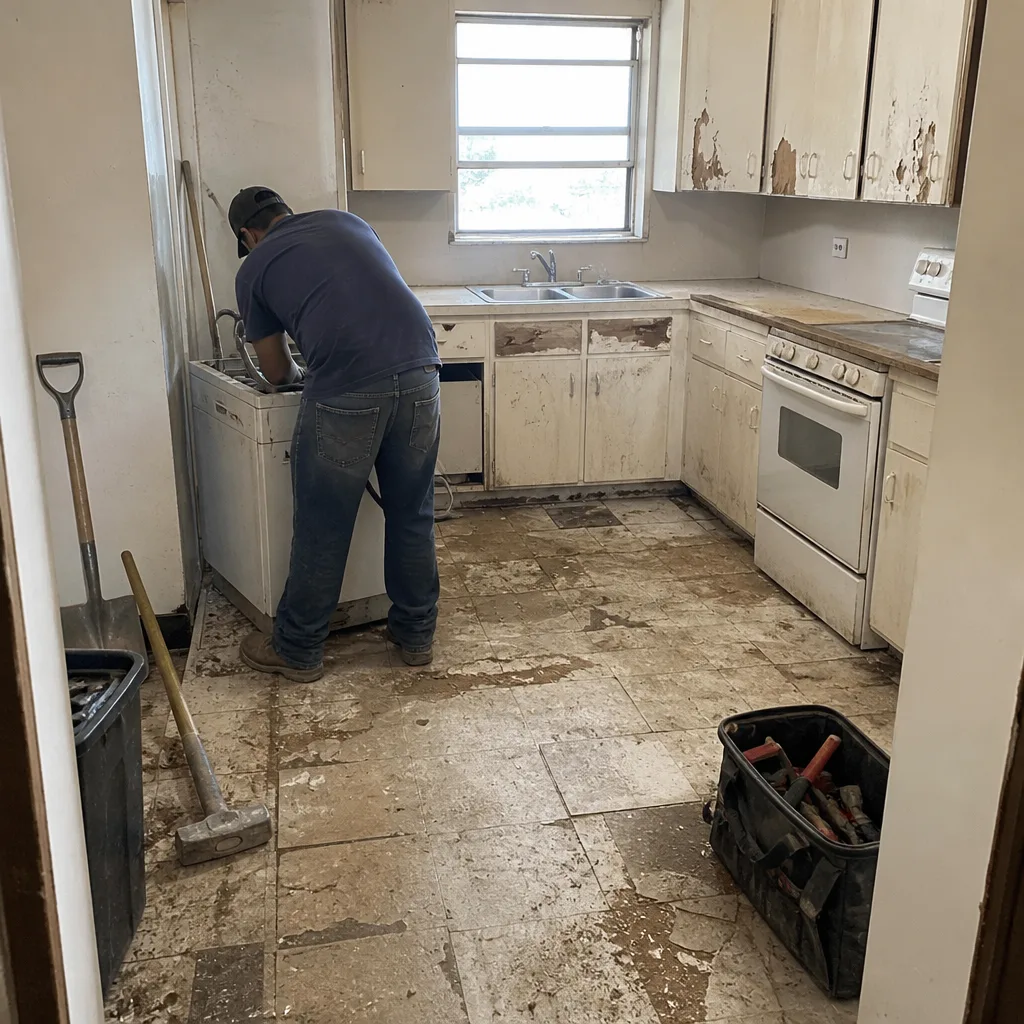 Before
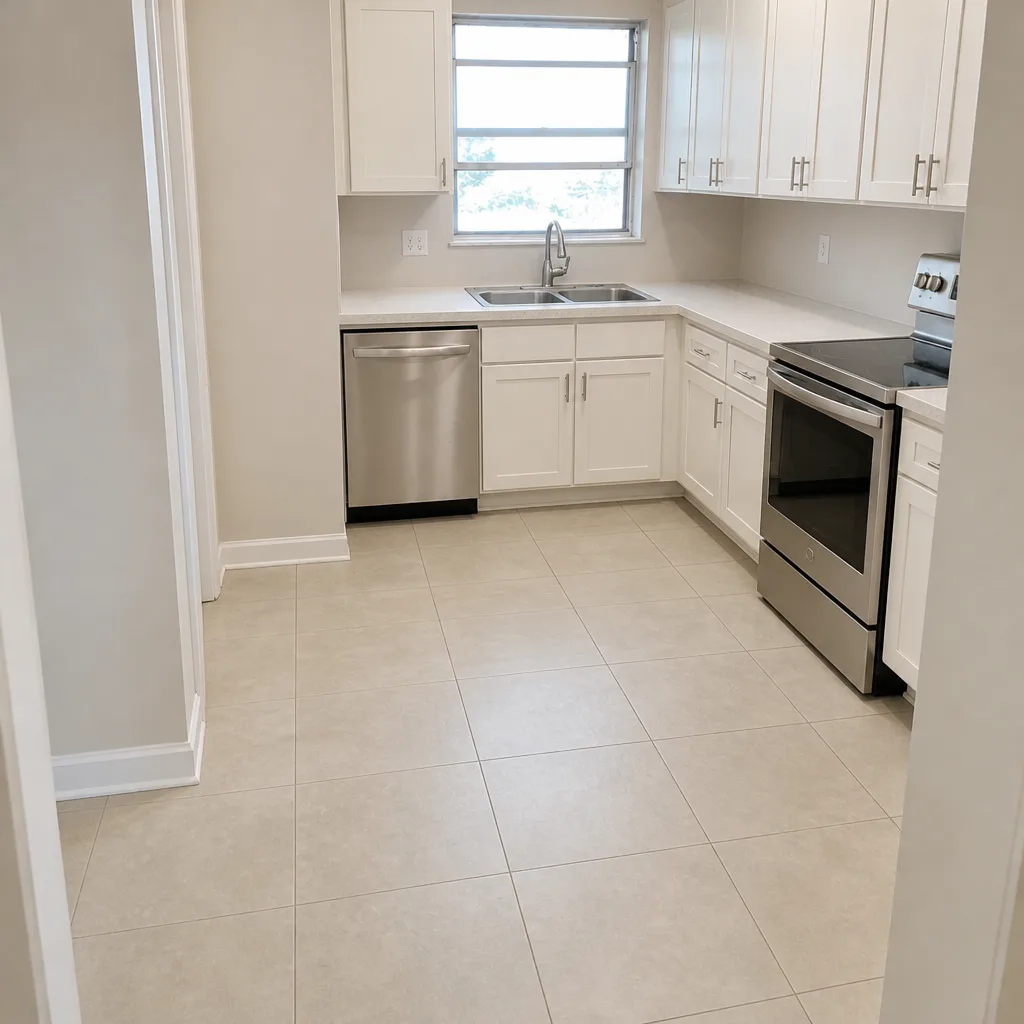 After
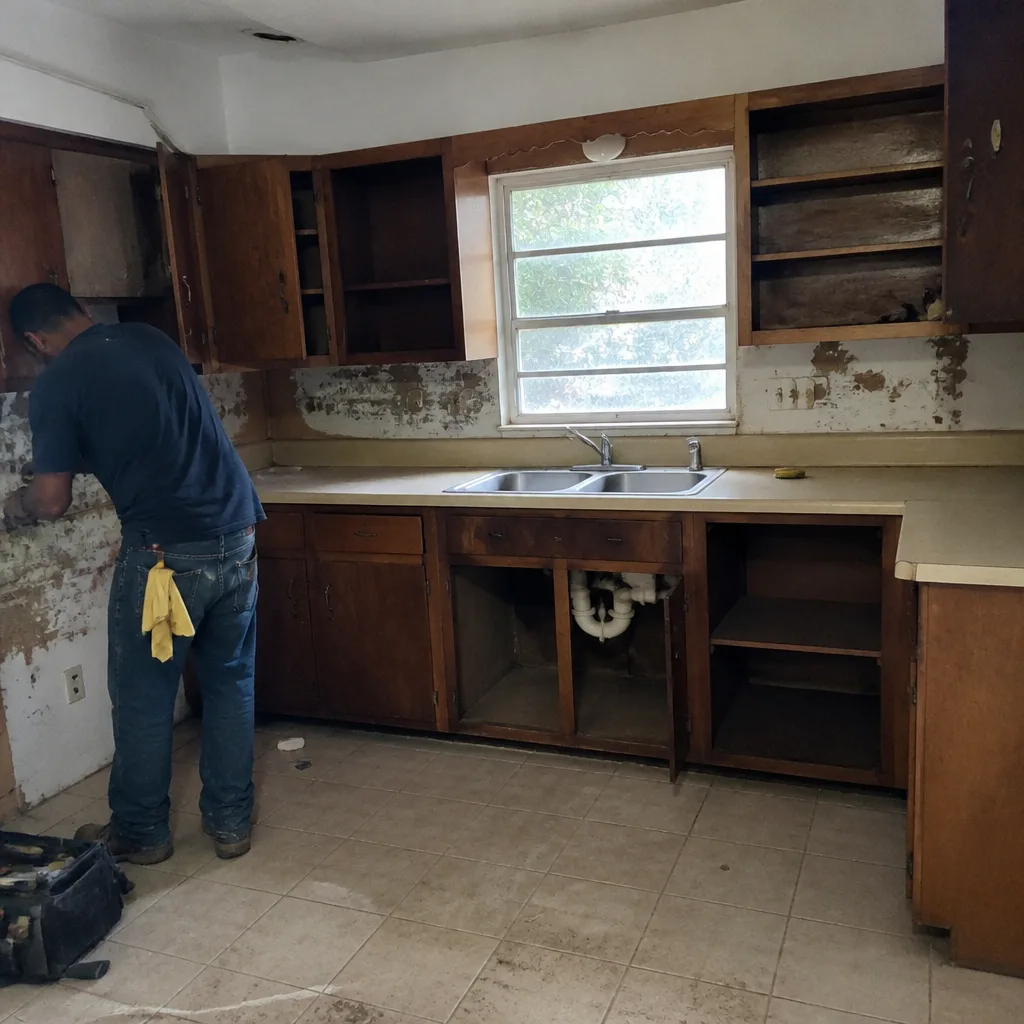 Before
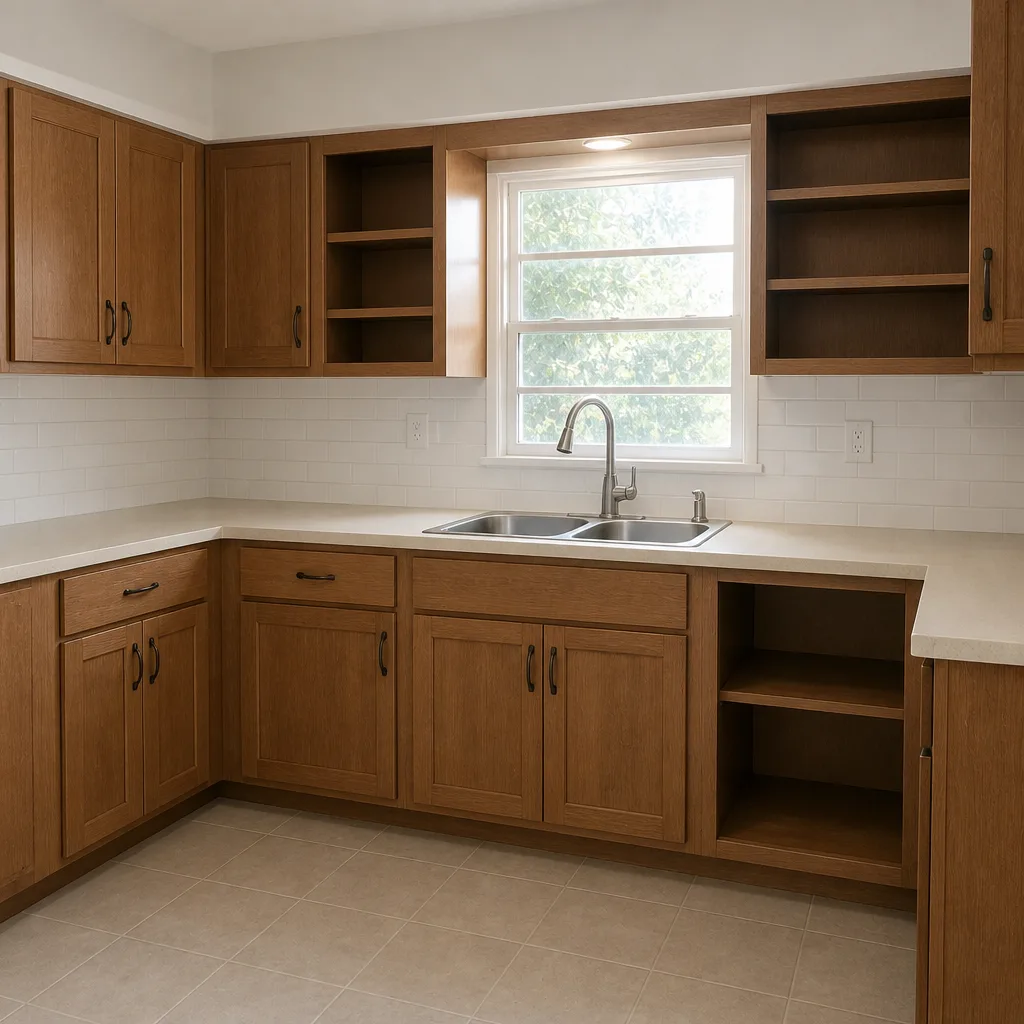 After
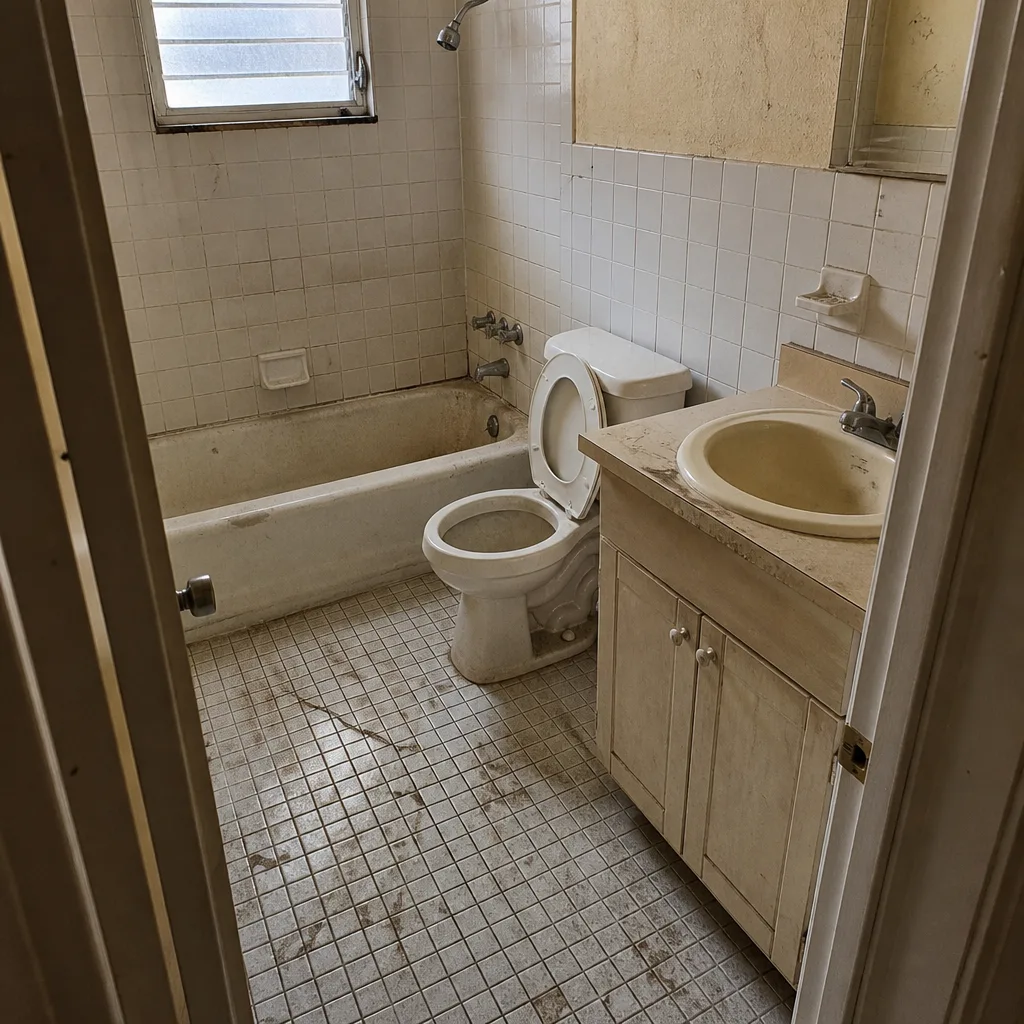 Before
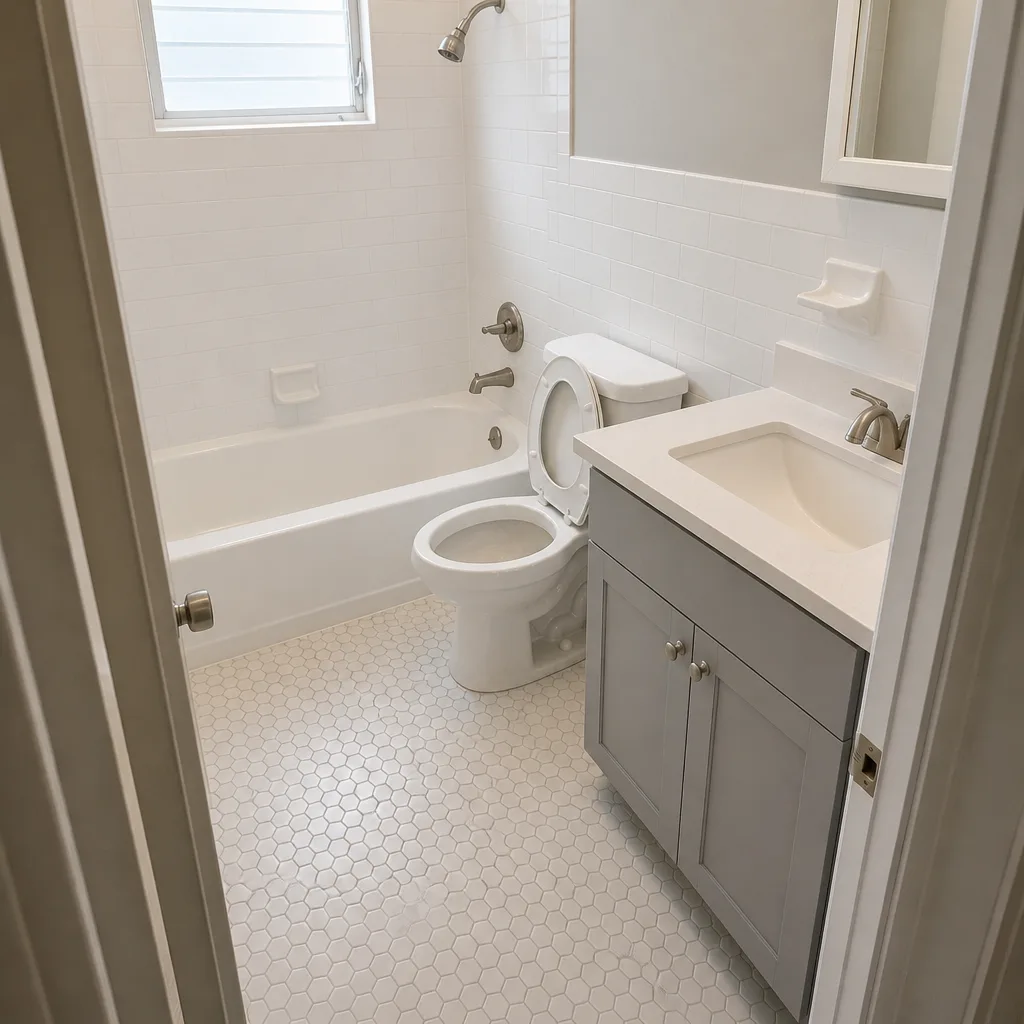 After
Frequently Asked Questions
Yes, under Florida’s owner-builder exemption, but the permit affidavit typically requires you to attest that you own and occupy the home as your primary residence and won’t sell or transfer it within one year of the final inspection. The exemption also doesn’t waive HVHZ product approval requirements or inspection requirements. If you’re planning to sell within a year or the scope touches the building envelope, calling a licensed contractor is the safer path. Call (844) 797-4435 for a free estimate.
Yes, in nearly every case. Kitchen remodeling in Miami typically involves electrical work (new circuits for appliances), plumbing (moving the sink or adding a dishwasher line), and mechanical work (range hood venting). Each of those trade permits is required, and the overall kitchen scope also pulls a building permit. The only kitchen work that doesn’t require a permit is cosmetic – painting, cabinet hardware, and backsplash on an existing wall with no electrical or plumbing changes.
In many cases, no. If a claim is traced to improperly installed work, the insurer may deny the affected part of the claim, especially where HVHZ product approval is involved. The safer assumption is that any exterior or trade work without a licensed contractor’s final inspection puts the claim at risk. Call (844) 797-4435 to talk through what your project’s insurance profile looks like before you commit.
The inspection fails, you correct the work, and you pay a re-inspection fee of roughly $75 to $150. The bigger cost is time: a failed rough-in stalls the entire project until re-inspection. If the failure is a product approval issue (an HVHZ window installed to a non-approved method, for example), the correction usually means removing and reinstalling – a $2,000 to $6,500 redo on a typical window or shower scope. Get a written price from a licensed contractor before you assume the DIY correction is cheaper.
Interior painting, cabinet hardware, landscaping and sod, non-structural interior demo (drywall, old cabinetry, flooring), closet organization systems, and backsplash tile on an existing wall. The common thread is that none of these touch electrical, plumbing, gas, structural, or the exterior envelope. Anything that crosses one of those lines pulls a permit and a licensed trade.
Yes. Every project we take on is permitted in the appropriate jurisdiction, and the written price includes permit and inspection coordination. Our technicians have up to 22 years of experience and work to a documented roster of brands – KraftMaid and Wellborn cabinetry, James Hardie exterior products, Therma-Tru doors, GAF roofing, and others – so the permit path and the product spec are lined up before any work begins. Every completed project carries our 365-Day Done Right Promise: if the work fails inside the year, we return and correct it at no charge. Call (844) 797-4435 for a free estimate.
The Bottom Line
In Miami, the honest answer is that the DIY line does not run through your skill level. It runs through the Florida Building Code, the HVHZ product approval system, and the paper trail that follows a house through insurance underwriting and resale. Interior painting and cabinet hardware belong in the DIY column. Permits, inspections, electrical panels, gas lines, structural changes, roofing, and impact window installation belong in the licensed-contractor column, not because you can’t, but because the system won’t accept the work in a form that protects your claim or your sale. Everything in between is a judgment call, and it should be made with the permit counter and your insurer in mind, not YouTube. Our Bradford Remodeling Co Miami home page explains how we run a project from the first written price to the signed guarantee at close.
Contact
If you’re evaluating a project and want a straight written price before you commit, call Bradford Remodeling Co Miami at (844) 797-4435 for a free estimate. We answer the phone with a live person, every time, and the price we give you in writing is the price that holds. Every completed project carries our 365-Day Done Right Promise: if the work fails inside that year, we come back and correct it at no charge. Give us a call and we’ll walk through your scope with you.
Written by the team at Bradford Remodeling Co Miami.