Last updated November 18, 2026








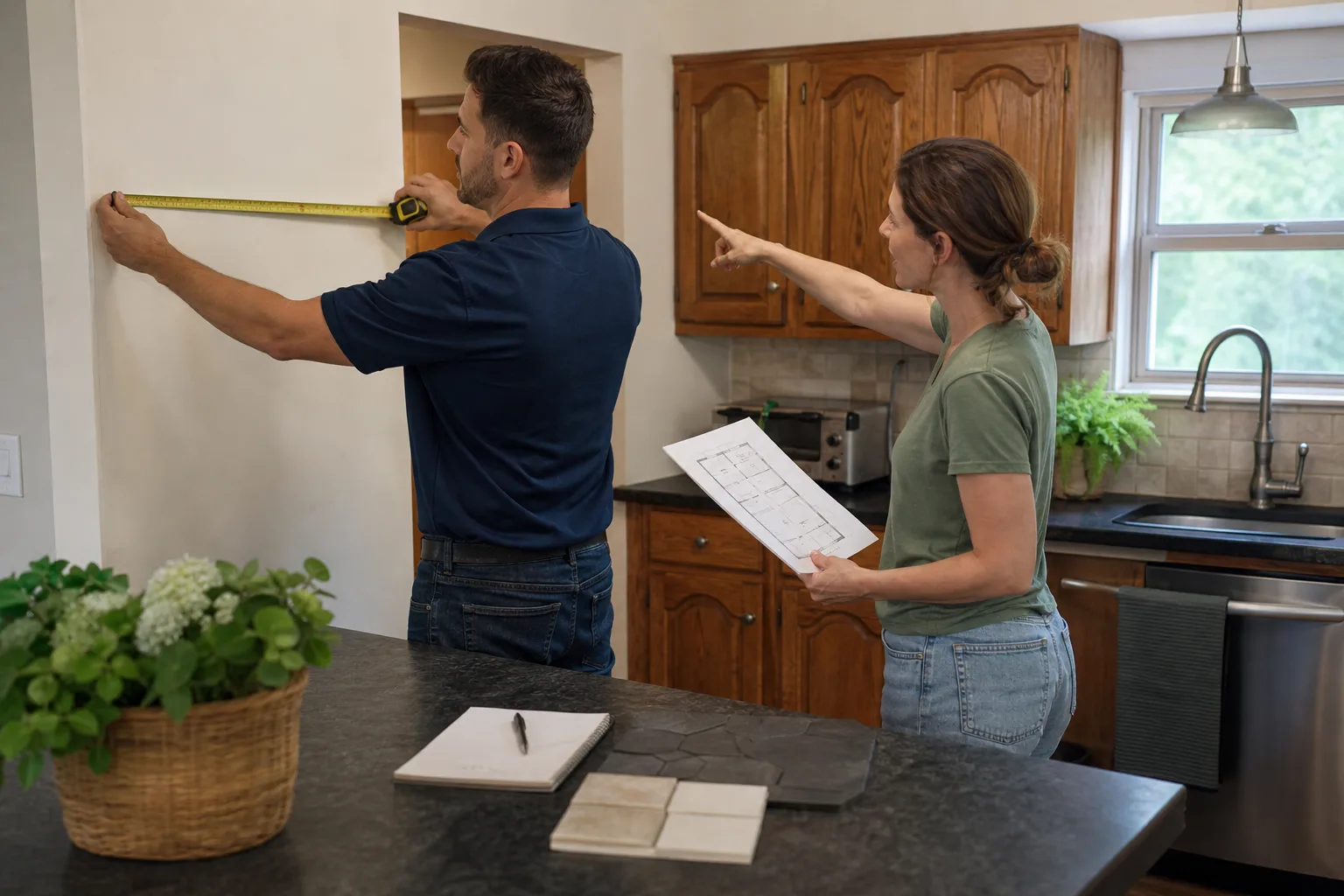
Free written scope consultation - allowances, timeline, and change-order rules on paper before a single trade is scheduled
General Contractor Maintenance Checklist for Miami Homeowners
A Miami home sitting idle for 90 days in summer humidity can develop mold behind finished walls, failed caulk joints, and compromised weatherstripping that a quick walk-through won’t catch. The items that cause five-figure repairs almost never look like emergencies from the outside. They look like a hairline crack near a window frame, a faint musty smell in a closet, or chalky white powder on an aluminum pool cage.
This checklist is built backward from the failure modes Miami’s heat, humidity, salt air, and storm cycles actually produce in residential construction. Use it before a contractor visit, not after something breaks. It covers salt-air oxidation points, a wet-wall moisture audit, pre-hurricane structural checks, and how to document everything so a maintenance record holds up in an insurance or warranty dispute.
Quick Answer
A Miami home needs a maintenance walk-through at least twice a year – once before hurricane season in late May, once in November after the rainy season ends – with specific attention to moisture intrusion, salt-air corrosion, roof and window seals, and drainage. The items that cause the largest damage are almost always caught early with a non-invasive moisture meter and a written photo log, not with a visual scan from the driveway.
Styles & brands we work with
- Kitchen remodeling
- Bathroom remodeling
- Home additions & ADU
- Roofing
- Windows & doors
- Driveway & pavers
- Fence
Table of Contents
- Why Miami Maintenance Is Different From Everywhere Else
- Salt-Air Oxidation: The Inspection Points Inland Checklists Skip
- The Wet Wall Audit: Finding Moisture Before It Becomes Remediation
- Pre-Hurricane Structural Checklist: GC-Verified vs. Homeowner Self-Inspection
- Storm Cycles and Water Management Around the Foundation
- How to Document Maintenance Visits So Records Hold Up
- Maintenance That Voids Manufacturer Warranties – and How to Do It Right
- The Miami Seasonal Maintenance Calendar
Why Miami Maintenance Is Different From Everywhere Else
Most maintenance checklists you’ll find online were written for a temperate climate with four real seasons, then repackaged for Miami with a palm tree in the header. That approach misses the two things that actually drive repair costs here: sustained humidity above 70 percent for months at a time, and airborne salt that reaches well inland on prevailing winds.
In a temperate climate, a small roof leak has weeks or months to announce itself before it does structural damage. In Miami, it has days. Warm, humid interiors create near-perfect conditions for mold amplification once moisture enters a wall cavity. The Centers for Disease Control and Prevention notes that mold can begin growing within 24 to 48 hours on wet building materials. That’s why the maintenance rhythm here is different: you check moisture proactively, not after a stain appears on the ceiling.
The salt factor is the other half. Homes east of I-95 and anywhere in the coastal neighborhoods – Miami Beach, Key Biscayne, Sunny Isles Beach, Coral Gables near the water – see accelerated corrosion on metal components. Aluminum window frames, hinged fasteners, HVAC condenser coils, and pool cage hardware all degrade on a compressed timeline compared to homes in Kendall, Doral, or Hialeah Gardens. A stainless steel fastener that lasts 20 years inland may show pitting in 8 to 10 near the ocean.
The thermal and storm cycle matters too. Miami roofs and exterior walls expand and contract through intense daily heat and cool off during summer downpours. That cycling works sealant joints and roofing fasteners loose faster than a stable temperature range would. The result: failed caulk, lifted shingle tabs, and water finding its way into places it shouldn’t.
If you’re planning a renovation rather than maintenance, the same climate logic guides scope and materials. Our General Contractor in Miami page walks through how we specify for Miami conditions, and our Kitchen Remodeling in Miami and Bathroom Remodeling in Miami pages show how moisture control shapes those projects from the substrate up.
Salt-Air Oxidation: The Inspection Points Inland Checklists Skip
Salt-air oxidation is the slow corrosion of metal components driven by chloride in the air. On a Miami home within a few miles of the coast, four inspection points deserve attention every six months because they corrode on a different timeline than inland homes.
1. Aluminum window and door framing. Look at the frame corners, the screw heads, and the sill tracks. What you’re looking for is white chalky powder, pitting, or a copper-green tint on fasteners. On impact windows, check the hinges and locking hardware too, since those moving parts collect salt and stop operating smoothly long before the frame fails.
2. Exposed fasteners. Check the lag bolts on the pool cage, the screws on lanai screen frames, and the anchor bolts at the base of a pergola or carport. Surface rust is a warning; flaking rust means the fastener has lost structural capacity and should be replaced with a marine-grade alternative.
3. HVAC condenser coils. The outdoor condenser pulls Miami air across its coils continuously. Salt and debris collect there and, combined with moisture, start corrosion that drops efficiency and eventually kills the compressor. A coil rinse and fin inspection every spring is cheap compared to a system replacement. Check the coil fins for denting and the cabinet for rust-through at the base.
4. Impact window and door hardware. Locks, handles, and the rollers on sliding impact doors all sit in salt-laden air. A lock that won’t fully engage is both a security and a hurricane-protection problem. Check that every impact panel latches firmly, and lubricate moving hardware with a marine-rated product.
For exterior doors, products like Therma-Tru fiberglass and steel door systems resist the corrosion and moisture issues wood doesn’t, provided the seals and hardware are maintained. Fencing near the coast is a similar story – aluminum systems from Barrette and Master Halco hold up far better than wood, but the fasteners and gate hardware still need inspection for salt corrosion. Our Bradford Remodeling Co Miami home page explains how we approach material selection for the coastal climate.
The Wet Wall Audit: Finding Moisture Before It Becomes Remediation
A wet wall is any wall cavity that carries plumbing, or any exterior-facing wall where water can get behind the finish. In Miami, the shower niche, the plumbing chase behind kitchen cabinets, and the interior face of exterior walls are the three most common places moisture hides. A non-invasive moisture meter – a handheld device you press against the surface, no holes required – is the single most useful tool a homeowner can keep for this job.
Here’s how to run the audit, step by step:
- Map your wet walls. Walk the home and note every wall adjacent to a bathroom, kitchen, laundry, or water heater. Those are the walls to check first.
- Take baseline readings in a dry area. Press the meter against a known-dry wall to see what a normal reading looks like for your home’s construction.
- Check the shower niche and surround. Read the wall just outside the shower, the niche back, and the floor beneath. A reading that climbs after a shower and stays elevated is a failing seal, not condensation.
- Read exterior-facing interior walls. Especially under windows, at the corners, and behind the baseboard in rooms with south and east exposures.
- Check beneath sinks and behind the toilet. Look for soft floors, cupped caulk, and water stains on the cabinet base.
- Log the readings with a date and a photo. A meter alone tells you there’s moisture. A dated log tells you whether it’s getting worse.
What “passing” looks like: readings that stay in the dry range, that return to baseline after a shower, and no soft spots, cupped caulk, or musty smell. What fails: an elevated reading that persists 24 hours after the last water use, a widening dark stain, or drywall that crumbles when you press it. If your meter flags a wall, stop poking holes and call a professional – opening a wall in the wrong place can turn a moisture problem into a bigger one. Written line-item quotes for repair work, with the price fixed before any work starts, are the standard we hold.
Pre-Hurricane Structural Checklist: GC-Verified vs. Homeowner Self-Inspection
Hurricane season in Miami runs June 1 through November 30. Some items on a pre-season checklist a homeowner can and should handle; others need a licensed general contractor to physically verify. Here’s the split, and what “passing” looks like for each.
Homeowner self-inspection (do these yourself, log them):
- Test every impact window and door latch. Passing: the lock fully engages with a firm turn and the panel seats flush.
- Clear gutters and downspouts. Passing: water flows freely and downspouts discharge water away from the wall, not against it.
- Check caulk joints at windows, doors, and penetrations. Passing: no cracks, no gaps, no lifting. Re-caulk with an exterior-rated sealant before the season.
- Secure or store loose items – patio furniture, planters, pool equipment covers.
- Confirm your shutters or panels are present, labeled by window, and have their fasteners bagged with them.
GC-verified (require a contractor’s eyes):
- Roof-to-wall connections and hurricane straps. Passing: straps are present and properly fastened with the correct nails, not corroded through. This is a structural item; don’t guess at it.
- Roof covering and fasteners. Passing: no lifted, cracked, or missing shingles or tiles, and no exposed or rusted fasteners. A GAF or CertainTeed roofing system has specific fastening requirements; an incorrect repair can void the warranty.
- Impact-rated opening integrity. Passing: every window and door carries a legible impact rating label, frames are sound, and anchors aren’t corroded.
- Structural anchorage at the soffit and fascia. Passing: soffit panels are secure and fascia isn’t rotted behind the paint. If it’s rotted, it needs replacing before the season.
- Water intrusion points at the foundation and roofline. Passing: no visible moisture at the slab or wall base, no staining on interior ceiling corners.
Storm shutters and screens should be checked while they’re still in place, not when the first named storm is 48 hours out. For homes in older Miami neighborhoods – Little Havana, Allapattah, parts of Coconut Grove – pre-1990s construction may have older roof-to-wall connections that warrant a professional look.
Storm Cycles and Water Management Around the Foundation
Miami’s rain doesn’t fall gently. Summer afternoon storms drop inches in under an hour, and the flat terrain means water pools quickly. This makes drainage around the foundation one of the highest-value maintenance items on the list – and one of the most often neglected.
Walk the perimeter after a heavy rain and watch where water goes. The two things to check:
- Grade and slope. The ground should slope away from the house at roughly a half-inch per foot for the first 6 feet. If it slopes back toward the wall, water ponds against the slab and finds cracks.
- Downspout discharge. Downspouts should carry water at least 4 to 6 feet away from the foundation. If they dump right at the wall, extend them with a flexible leader or a splash block.
- French drains and yard drains. Check that the grates are clear of leaves and debris, especially ahead of rainy season.
Look for the telltale signs of a drainage problem inside the house too: efflorescence (that white mineral crust) on the base of a block wall, musty smell in a ground-floor room, and paint peeling low on a wall are all indicators that water is finding its way in from outside.
How to Document Maintenance Visits So Records Hold Up
An insurance adjuster or a warranty department is going to ask one question: can you prove when the work was done and what condition the home was in? Vague memories don’t survive a claim. A written maintenance record does. Here’s what a usable record includes.
Photos to take:
- Date-stamped photos of each area before your seasonal check and after.
- Close-ups of any issue you find – the caulk gap, the cloudy moisture meter reading, the rust on a fastener.
- A wide shot that shows where the close-up is, so the adjuster can locate it.
- Photos of the completed repair with a visible date.
What to log:
- Date of each inspection and who performed it (homeowner or a named contractor company).
- What was checked, what passed, and what needed attention.
- Moisture meter readings in a small table with date, location, and value.
- Any repairs made, with the contractor’s written scope and the price quoted, so a subsequent issue can be traced to a specific job.
Where to store it: Keep a digital folder backed up to cloud storage plus a printed binder that stays with the house. When you sell, that binder is a valuable document. When you file a claim, it’s the difference between a covered loss and a disputed one. Our General Contractor in Miami page explains how we hand over documentation at close: a clean site, a documented scope of work, and a signed written guarantee in the homeowner’s hands, so the record travels forward with the home.
Maintenance That Voids Manufacturer Warranties – and How to Do It Right
Manufacturer warranties on roofs, windows, and waterproof membranes are specific documents with specific conditions. Do the maintenance wrong and the warranty can be voided. That’s a real risk because the things that void a warranty often look like reasonable fixes.
Impact windows. The warranty usually covers the frame and hardware, not damage from improper cleaning or installation. Using a pressure washer directly on the seals, or scraping the glass with a razor to remove paint, can void the seal warranty. The correct process: soft cloth, mild detergent, a non-abrasive pad, and marine-rated lubricant on the moving hardware. If a pane needs replacement, only the manufacturer’s authorized process keeps the impact rating valid.
Roofing systems. A GAF or CertainTeed shingle system has a specific fastening pattern and a minimum number of nails per shingle. If a handyman drives an extra nail or patches a tab the wrong way, the manufacturer can refuse a future claim. The correct process: the repair is specified by the roofing system’s install manual, and roof-to-wall connections are verified before the deck is closed. That’s a contractor task, not a homeowner one.
Waterproof membranes. Shower pans, balcony membranes, and flat roof coatings all depend on the membrane staying continuous. A homeowner who re-caulks over a failing pan or tiles over a compromised membrane has trapped water instead of stopping it. The correct process: test for moisture first, replace the membrane if it fails, and re-tile to manufacturer spec. This is a job for a licensed contractor, and one we’d price in writing before any tool comes out.
The Miami Seasonal Maintenance Calendar
On top of the twice-a-year walk-through, here’s the rhythm that keeps Miami homes squared away across the year:
- March – May: Pre-hurricane season check. Roof, impact openings, roof-to-wall connections, drainage, shutters, and hardware. Clear gutters.
- June – August: Mid-season check after the first big storms. Re-check caulk, downspouts, and any moisture readings taken in spring.
- September – October: Peak hurricane season. Confirm shutters and panels are staged and fasteners are bagged. Test backup power.
- November – December: Post-rainy-season inspection. Check the roofline, ventilation, and interior wet walls after months of humidity.
- January – February: HVAC service, condenser coil rinse, and a whole-home moisture audit with the meter.
Turn this into a written annual log and keep it in the home’s maintenance binder.
Common Mistakes to Avoid
- Using a garden hose to test a roof leak. You’ll soak drywall and create the very problem you’re trying to find. Test roof and window seals with a moisture meter, or leave water testing to a contractor.
- Re-caulking over a failing joint. New caulk over old, lifting caulk traps moisture behind a sealed surface and accelerates drywall damage. Remove the old bead, let the joint dry, and re-caulk per the manufacturer’s spec.
- Ignoring the pool cage and lanai. Miami homeowners often overlook the aluminum pool screen enclosure, but salt-air corrosion on its fasteners is a real structural and safety issue. Inspect it twice a year.
- Skipping the wet-wall audit because the house “looks fine.” A musty smell and a slightly soft baseboard are often the only symptoms of moisture hiding inside a wall cavity.
- Doing structural work without a permit. Miami-Dade County and the City of Miami require permits for structural repairs, replacements, and additions, and unpermitted work can complicate insurance and future resale. Confirm permits are pulled when a contractor is involved.
- Not documenting the maintenance. A repair with no written record is nearly useless when an insurance claim is filed. Keep the log, the photos, and the receipts together.
- Trusting a verbal “I’ll swing by.” A no-show is the most common complaint Miami homeowners have about contractors. Insist on a written scope and a written price before work begins.
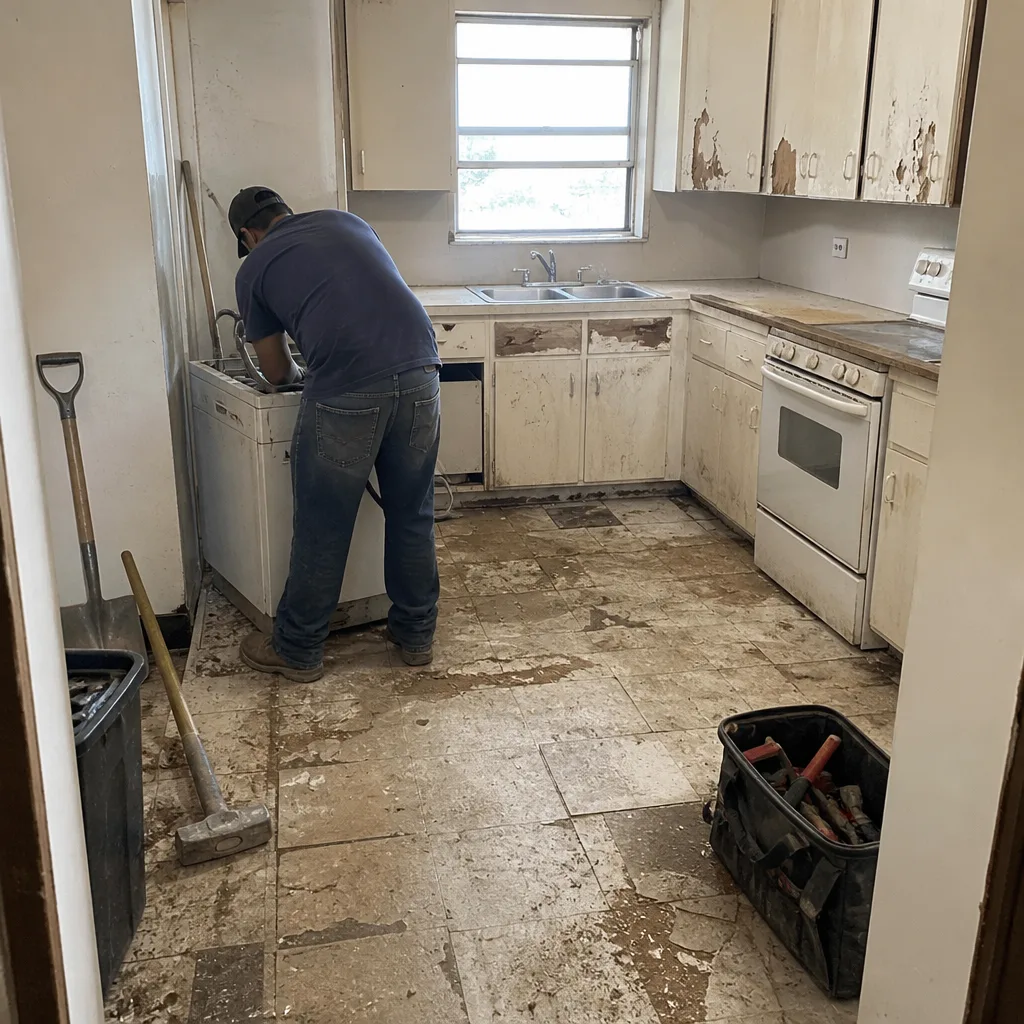
See the difference
 Before
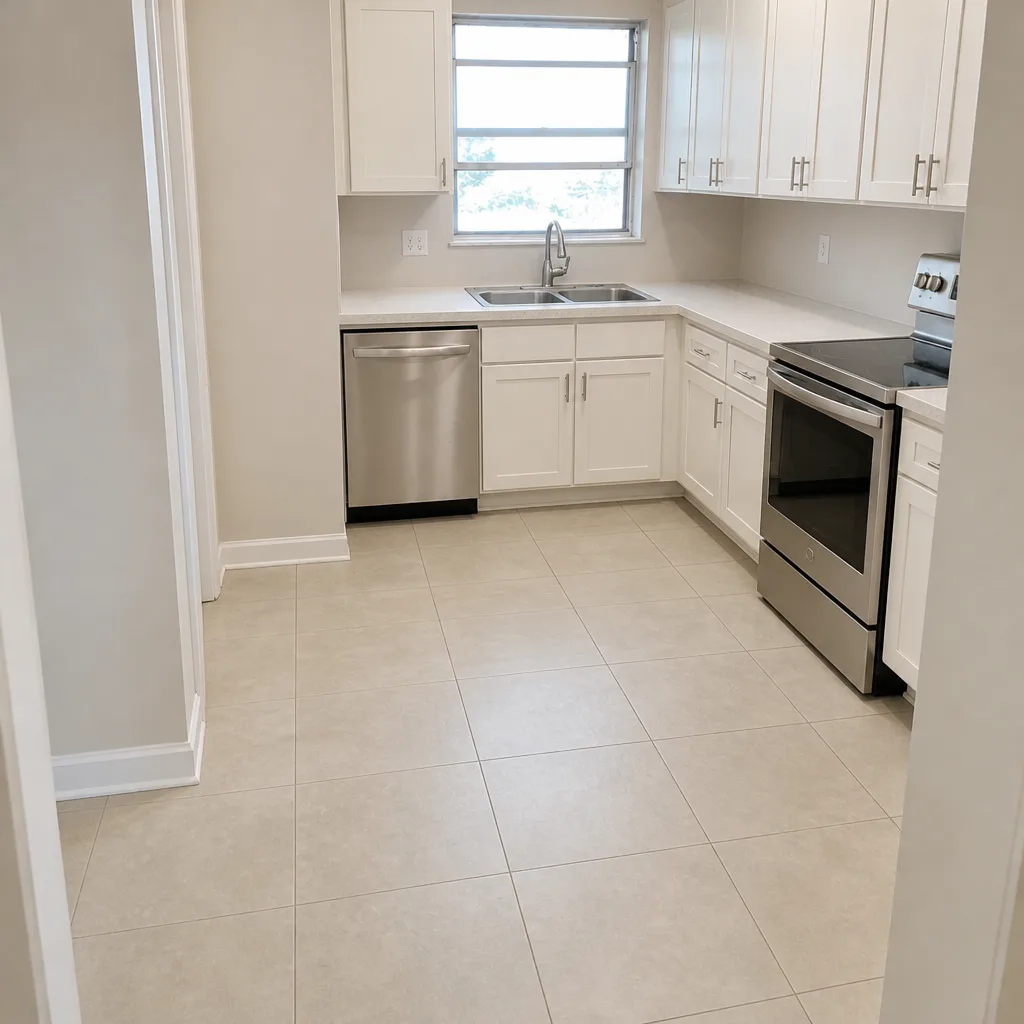 After
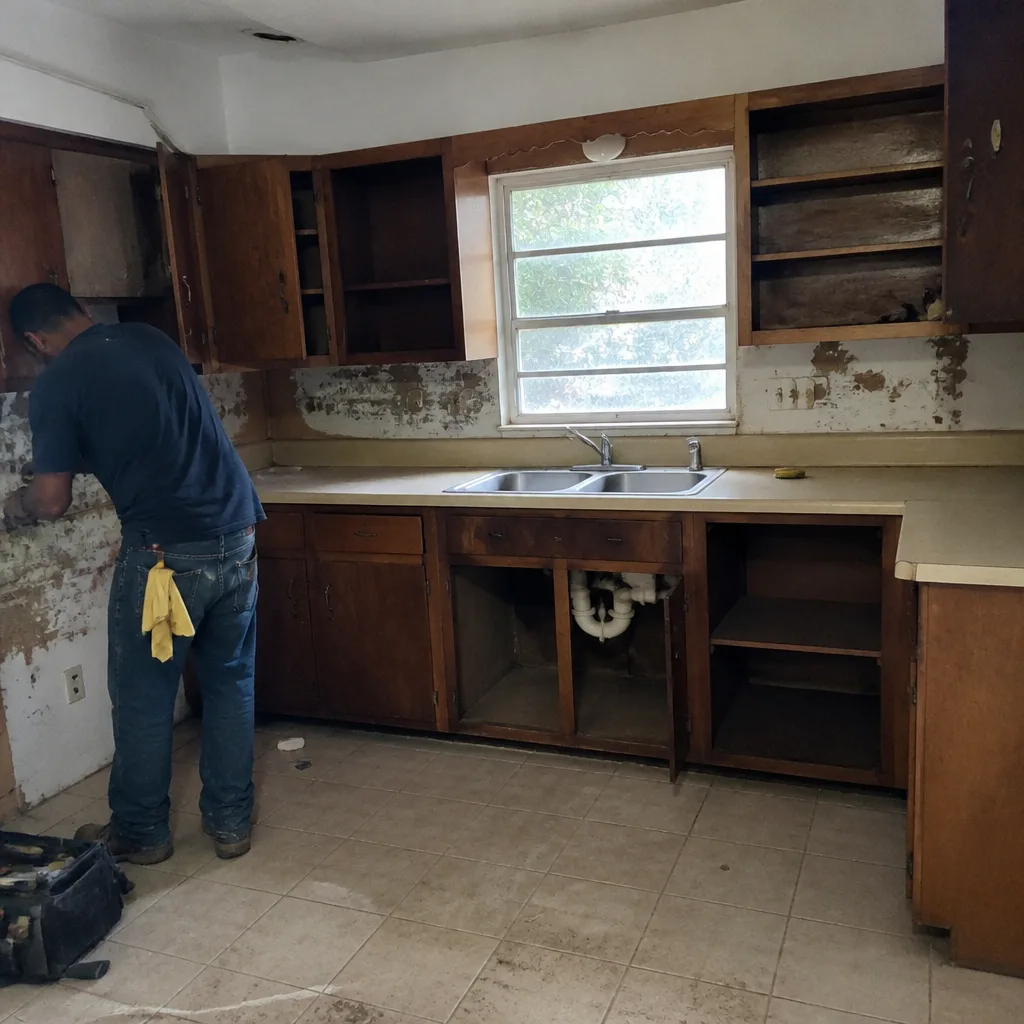 Before
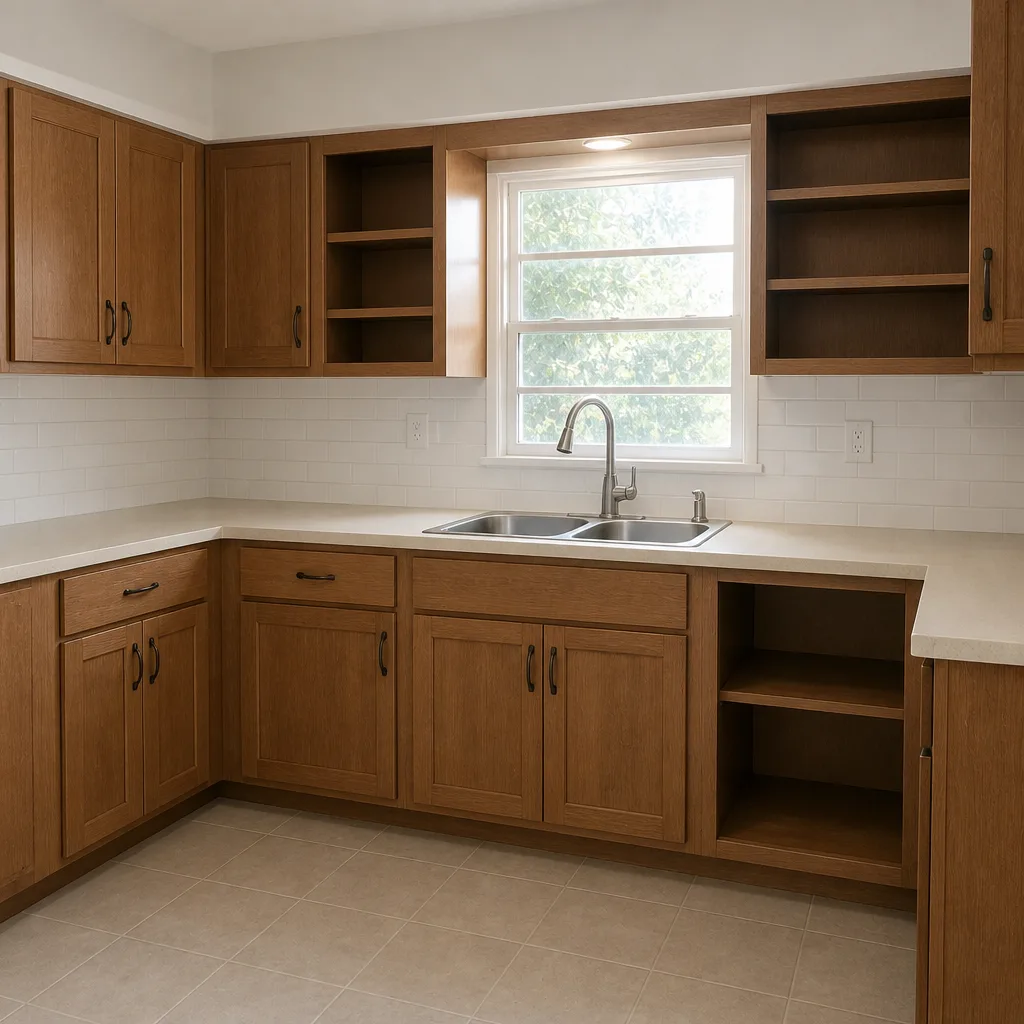 After
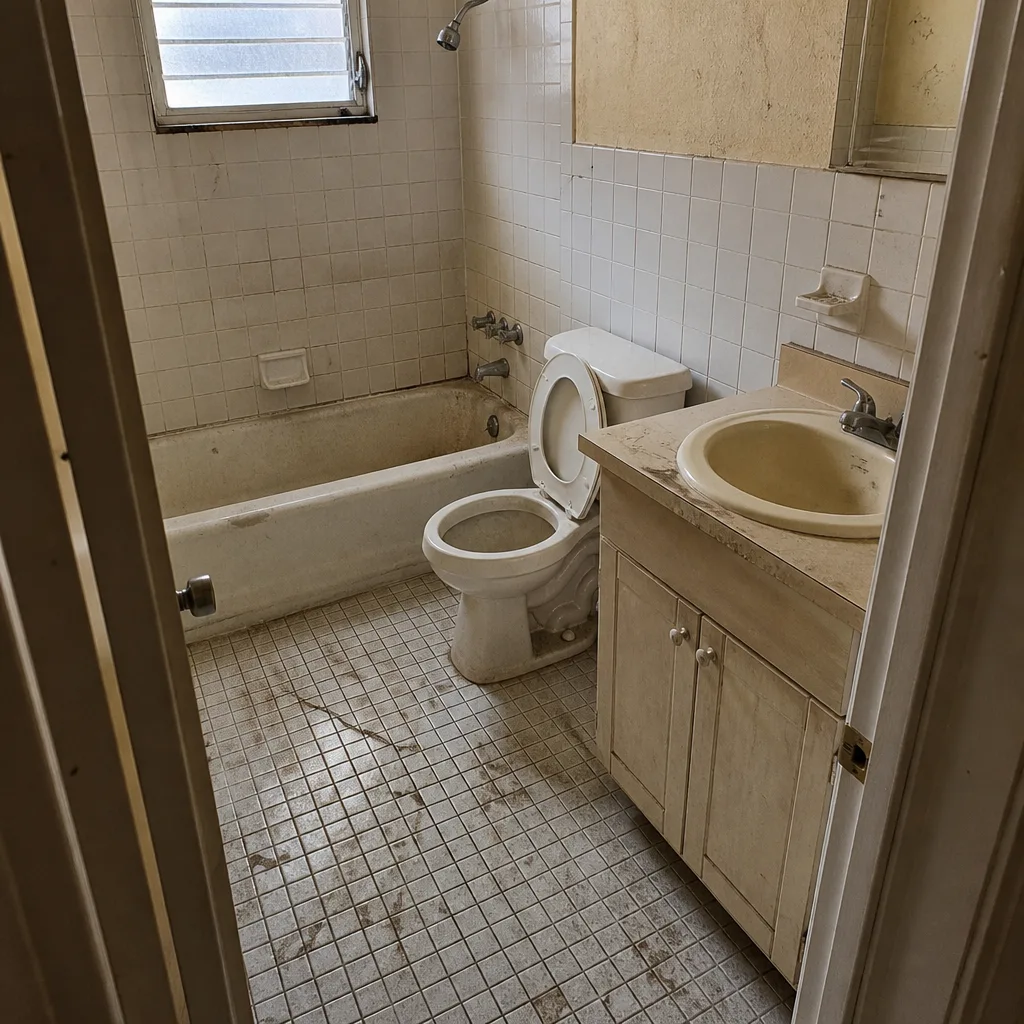 Before
 After
When to Call a Professional
Some items on this checklist are yours to handle. Others carry real risk if done wrong: structural roof-to-wall connections, waterproof membranes behind tile, gas or electrical components, and any repair that would void a manufacturer warranty deserve a licensed professional. If you find an elevated moisture reading that persists, rust that’s flaking off a structural fastener, a roof covering with lifted or cracked material, or you’re planning a renovation and want a clear scope before anything starts, call a contractor.
Bradford Remodeling Co Miami offers free estimates in Miami – call (844) 797-4435. Our technicians have up to 22 years of experience, and every price we quote is written out before a single tool comes out. Every completed project carries the 365-Day Done Right Promise: if the work doesn’t hold within the guarantee period, we come back and correct it at no charge. A live person answers the phone around the clock, and we work from a documented roster of name-brand materials – Therma-Tru doors, GAF roofing, and more – so specifications are traceable and nothing is left to guesswork.
Frequently Asked Questions

Twice a year: once in late spring before hurricane season and once in November after the rainy season. Miami’s humidity and storm cycles mean water intrusion and corrosion move faster than in a temperate climate, so a spring and fall cadence catches most problems before they become expensive. Call (844) 797-4435 for a free estimate if you’d like a contractor to walk the home with you.
A wet wall is a wall cavity that carries plumbing or sits against an exterior wall, and you can test it with a non-invasive moisture meter pressed against the drywall. If the reading stays elevated 24 hours after the last water use, or you see soft spots or a musty smell, you have a moisture problem worth a professional look. Call (844) 797-4435 for a free estimate on the repair.
You can self-inspect windows, doors, gutters, caulk joints, and loose outdoor items, but roofs, roof-to-wall connections, hurricane straps, and structural anchorage need a licensed general contractor. Those items carry real safety and warranty risk if assessed wrong. Call (844) 797-4435 to schedule a free estimate.
Costs vary with scope and materials, and the honest answer is that the only price that matters is the one you get in writing. That’s why Bradford Remodeling Co Miami gives a written price before any work starts, every time. Call (844) 797-4435 for a free estimate – we’ll inspect, quote it in writing, and tell you upfront what the work involves.
Take date-stamped photos before and after each check, log moisture meter readings in a table, note who performed each inspection, and store the record both digitally and in a printed binder with the house. A clearly written record with photos and receipts is what an adjuster or warranty department can actually use. Call (844) 797-4435 if you want a contractor-verified written scope to add to that record.
Pressure-washing impact window seals, scraping glass with a razor, re-caulking over a failing waterproof membrane, and roof repairs done outside the shingle system’s install spec can all void a manufacturer warranty. The correct process follows the manufacturer’s installation and maintenance manual, which is why roof repairs and membrane repairs should be done by a contractor and documented. Call (844) 797-4435 for a free estimate before you repair.
The Bottom Line
The maintenance items that cause five-figure repairs in Miami rarely announce themselves. They hide in wall cavities, corrode on fasteners near the ocean, and fail at sealant joints you walk past every day. A twice-yearly inspection built around moisture readings and salt-air checkpoints catches them while they’re still cheap. Document every visit in writing with photos and a date log, and you’ll have a record that holds up when someone else is footing the bill. For the items that need a licensed eye, get a written scope and a written price before the first tool comes out – and a guarantee that covers the work for a full year.
Call Bradford Remodeling Co Miami at (844) 797-4435 to schedule your free estimate. A live person answers, the price is written before work starts, and the 365-Day Done Right Promise covers every completed project.
Written by the team at Bradford Remodeling Co Miami.