Last updated November 18, 2026








Free written scope consultation - allowances, timeline, and change-order rules on paper before a single trade is scheduled
How Long Does Bathroom Remodeling Take? Timelines and What to Expect
A tile installer who moves to grouting 24 hours after setting tile in a shower hasn’t just cut a corner – they’ve violated the thinset manufacturer’s minimum cure time. In a wet environment, that shortcut fails within a year, usually as cracked grout lines and tile that sounds hollow when you tap it. The schedule you’re handed should have curing built in, not squeezed out. In this guide we’ll walk through the real sequence of a Miami bathroom remodel, phase by phase, with day counts. You’ll learn where inspection holds and fixture lead times quietly add weeks, and how to read a schedule document before you sign anything.
Quick Answer
A cosmetic bathroom refresh in Miami runs 1 to 2 weeks. A mid-scope remodel that replaces tile and fixtures takes 3 to 4 weeks. A full gut with a layout change runs 6 to 9 weeks, and inspection holds plus special-order lead times are usually what push a job toward the long end. Tile and grout curing alone is 4 to 6 days that cannot be compressed.
Styles & brands we work with
- Kitchen remodeling
- Bathroom remodeling
- Home additions & ADU
- Roofing
- Windows & doors
- Driveway & pavers
- Fence
Table of Contents
- The Sequenced Phases of a Bathroom Remodel
- Why Inspection Holds Are Non-Negotiable
- Special-Order Fixture Lead Times
- Timelines for Three Bathroom Scopes
- What a Project Schedule Document Should Contain
- Miami-Specific Factors That Move the Calendar
- Common Mistakes to Avoid
The Sequenced Phases of a Bathroom Remodel
Every bathroom remodel follows the same order, whether it’s a 60-square-foot hall bath or a master suite. What changes is the duration of each phase. Here’s the sequence we work from, with realistic day counts for a mid-scope Miami bathroom:
- Demo (1 day). Tear-out of the old tile, tub, vanity, and toilet. In Miami’s older housing stock, demo sometimes exposes water damage behind the surround or a rotted subfloor near the shower pan, which adds a day of repair framing.
- Rough-in plumbing and electrical (1 to 2 days). New supply lines, drain relocation if the layout is changing, and GFCI-protected electrical for vanity lighting and exhaust. The rough-in is the skeleton of the job – everything you don’t see but depend on.
- Inspection hold (2 to 5 business days in Miami-Dade). The rough-in must be inspected before anything gets closed up. More on this below.
- Waterproofing and cure (2 to 3 days minimum). A bonded waterproofing membrane over the shower walls and pan, or a painted-on liquid membrane that needs two coats with dry time between. Schluter’s Kerdi system, for example, requires the thinset to cure before tile goes on.
- Tile set and cure (2 to 3 days). Setting tile is one day of work on a standard shower; the cure that follows is not optional.
- Grout and cure (1 to 2 days). Grout, then sealant at changes of plane, then 24 hours before any water touches it.
- Fixtures and finish (1 to 2 days). Toilet, vanity, faucets, mirror, lighting, trim, paint touch-up.
Add those up and you get roughly 10 to 14 working days of labor, which translates to 3 to 4 calendar weeks for a mid-scope bathroom in Miami. The gap between “10 days of work” and “4 weeks on the calendar” is exactly what this guide is about.
Why Inspection Holds Are Non-Negotiable
The rough-in inspection is the single most common reason a “5-day job” stretches to two and a half weeks. The rule is simple: a plumbing or electrical rough-in cannot be covered by drywall, cement board, or tile until the local building department has signed off. In Miami-Dade County, the inspection request has to be filed, scheduled, and passed before your contractor can close the walls.
Here’s the realistic timeline for a Miami inspection hold:
- Day the rough-in finishes: the contractor files the inspection request.
- Day 1 to 3: the county schedules and dispatches an inspector. Miami-Dade aims for next-business-day service on residential rough-ins, but the actual window moves with volume.
- If the inspection fails: the contractor corrects the deficiency, re-files, and waits again. A failed inspection is not a crisis, but it is a delay, and it’s why good contractors build a buffer into the schedule.
- After the pass: the walls close and the finish work begins.
What you should walk way understanding: no contractor can compress this. Anyone who promises the tile will be up on day three of a rough-in is either skipping the inspection (illegal, and a problem when you sell the house) or lying about the schedule. Ask for the inspection date in writing before the job starts. In our experience across Miami jobs, the inspection hold averages 2 to 5 business days, and every project schedule we hand over budgets for it.
Special-Order Fixture Lead Times
This is the hidden cliff in almost every bathroom remodel, and it’s the reason an otherwise smooth project stalls for three weeks. Freestanding tubs, custom vanities, and niche inserts are ordered pieces, and they ship on the manufacturer’s schedule, not yours.
Typical lead times we see in the Miami market:
- Freestanding soaking tubs: 2 to 6 weeks, depending on finish color and brand. A Grohe or Kohler tub in white usually sits near the short end; specialty finishes and slipper tubs run longer.
- Custom or semi-custom vanities: 3 to 8 weeks. KraftMaid and Wellborn cabinetry lines with standard door styles are faster than custom sizing and finishes.
- Niche inserts, shower valves, and specialty fixtures: 1 to 4 weeks for popular finishes; longer for matte black or brushed gold patterns that sell faster than factories can restock.
- Natural stone slabs (countertops, accent walls): 1 to 3 weeks for fabrication and templating after the slab is selected.
The rule is straightforward: order the long-lead items before demo, not during it. A disciplined contractor walks the order list with you during the estimate phase, places the order once the deposit clears, and builds the delivery dates into the schedule. If a contractor starts demo before the tub has shipped, you’re paying for a bathroom you can’t use while you wait.
For more on how we sequence kitchen and bath projects, see our guide to Bathroom Remodeling in Miami.
Timelines for Three Bathroom Scopes
The question “how long does a bathroom remodel take” has no single answer, because the scope answers it. Here are three realistic bands with the variables that move them.
Cosmetic Refresh: 1 to 2 Weeks
Paint, new vanity top, new faucet and showerhead, new mirror, lighting, and a refinished or replaced toilet. No tile work, no layout change, no rough-in inspection. The variables that stretch it: matching existing tile if a small patch is needed, and stock availability of the vanity. Order weeks ahead and this is a one-week job with a clean finish.
Mid-Scope Replacement: 3 to 4 Weeks
New tile in the shower and floor, new tub or a shower conversion, new valve behind the wall, new vanity and fixtures. This scope triggers a rough-in inspection and full waterproofing, so you’re spending the full 4 to 6 days on waterproofing and tile cure. The variables that stretch it: a failed inspection, water damage found during demo, and any special-order fixture that wasn’t ordered before the walls came down. A Sterling tub-and-surround kit ordered early runs faster than a custom-tiled shower with a bench and niche.
Full Gut with Layout Change: 6 to 9 Weeks
Walls out, plumbing and electrical relocated, framing changes, new everything. This is where a licensed General Contractor in Miami pulls the permit and runs the job. Two inspections happen here – rough-in and final – so you’re absorbing two hold periods. The variables that stretch it: structural surprises (a load-bearing wall in the wrong place), permit review time at the county, and coordinating multiple trades on the same small footprint. A layout change in a 50-square-foot bathroom means every trade is in the same room at the same time, and they can’t all be there at once.
What a Project Schedule Document Should Contain
A real schedule is a written document you hold, not a verbal promise. Before work starts, ask for one. Here’s what it should have:
- Date anchors for each phase, with the day count and calendar dates listed together. Not “demo week 1” but “demo March 3, rough-in March 4 to 5, inspection filed March 6.”
- The inspection hold, explicitly budgeted, with the expected duration and a note on the contingency if it fails.
- Fixture delivery dates, tied to specific order numbers and expected ship dates, cross-checked against demo date. If the tub ships after demo, the schedule is already broken.
- Cure times, called out in the sequence. A line item for “thinset cure” and “grout cure” should physically appear on the schedule. If they don’t, the timeline was compressed by someone who has never set tile.
- Who’s responsible for what, including homeowner selections and decisions with deadlines. A vanity chosen late is a delay the contractor can document, and you should know the deadline for every selection.
- The change-order process, in writing. If a surprise appears, the schedule document should say how it gets priced and how it moves the calendar.
When a contractor can’t produce a schedule before work starts, that’s information. It usually means the sequence is being managed from memory, which works fine until the first inspection fails or the first tub ships late.
Every Bradford Remodeling job runs on The Garrison Standard – a written price and a written schedule before any tool comes out. If a spec changes, it changes on paper, and you see it before it costs you a dollar. That’s the whole point.
Miami-Specific Factors That Move the Calendar
South Florida adds its own variables to a bathroom timeline, and they don’t show up on a national blog post.
- Humidity and cure times. Miami’s average relative humidity runs high most of the year, and thinset and grout cure more slowly in a humid room. We add a day to cure holds on jobs in un-air-conditioned homes or during wet season, and we keep the room ventilated. The tile manufacturer’s minimum cure time is a floor, not a target, and in Miami the floor is higher.
- Older neighborhood housing stock. Homes in Little Havana, Coral Gables, and Allapattah carry plumbing that predates modern code. A mid-scope bathroom there can turn into a rough-in replacement when the old drain shows corrosion. Budget for the possibility; it’s not pessimism, it’s Miami.
- Condominium work restrictions. Broward and Miami-Dade condos often restrict work hours, require elevator reservations for deliveries, and demand a certificate of insurance before the first day. A contractor who doesn’t know the building rules loses days at the loading dock.
- Permit volume. Miami-Dade permitting runs on its own schedule, and a full gut permit will not move as fast as a cosmetic job that needs no permit at all.
- Storms. A named storm in the forecast means material deliveries slide and crews get pulled to storm response. Good scheduling pads a few days around June through November.
Unless you’re prepared to live with a half-finished bathroom during a medical event or a home sale, don’t guess at these variables. Call us at (844) 797-4435 and we’ll walk your specific Miami bathroom through them on the phone before you commit to anything.
If your project touches the kitchen as well, our Kitchen Remodeling in Miami guide covers the sequencing overlap – a bathroom and kitchen done at once saves demo and inspection trips.
Common Mistakes to Avoid
- Letting demo start before the long-lead fixtures are ordered. A tub that ships in six weeks turns a four-week bathroom into a ten-week one. Lock the order list at the estimate, not after the walls come down.
- Not budgeting for the inspection hold. If the schedule shows tile going up on day two of the rough-in, either the inspection was skipped or the schedule is fiction. Both are problems.
- Trusting a verbal cure schedule. Thinset and grout manufacturers publish minimum cure times, and Miami humidity stretches them further. If the crew wants to grout the morning after setting tile in a wet area, stop the job and ask for the spec sheet.
- Ignoring condo association rules. Elevator certificates, work-hour limits, and insurance filings cost real days if they aren’t handled before the crew shows. In Miami high-rises this is routine and it’s the contractor’s job to know it.
- Skipping the permit on a full gut. Unpermitted rough-in work surfaces when you sell or when an insurance adjuster looks at the claim. A permit inspection is a hold you want, not one you avoid.
- Picking a finish color with a lead time nobody checked. Matte black shower valves and specialty tile patterns ship slower than white and chrome. Selection late plus lead time late equals the worst-case range of every scope.
- Accepting a schedule with no names on it. A schedule without phase dates, inspection dates, and delivery dates isn’t a schedule. It’s a wish list. Ask for the written version before the first day of demo.
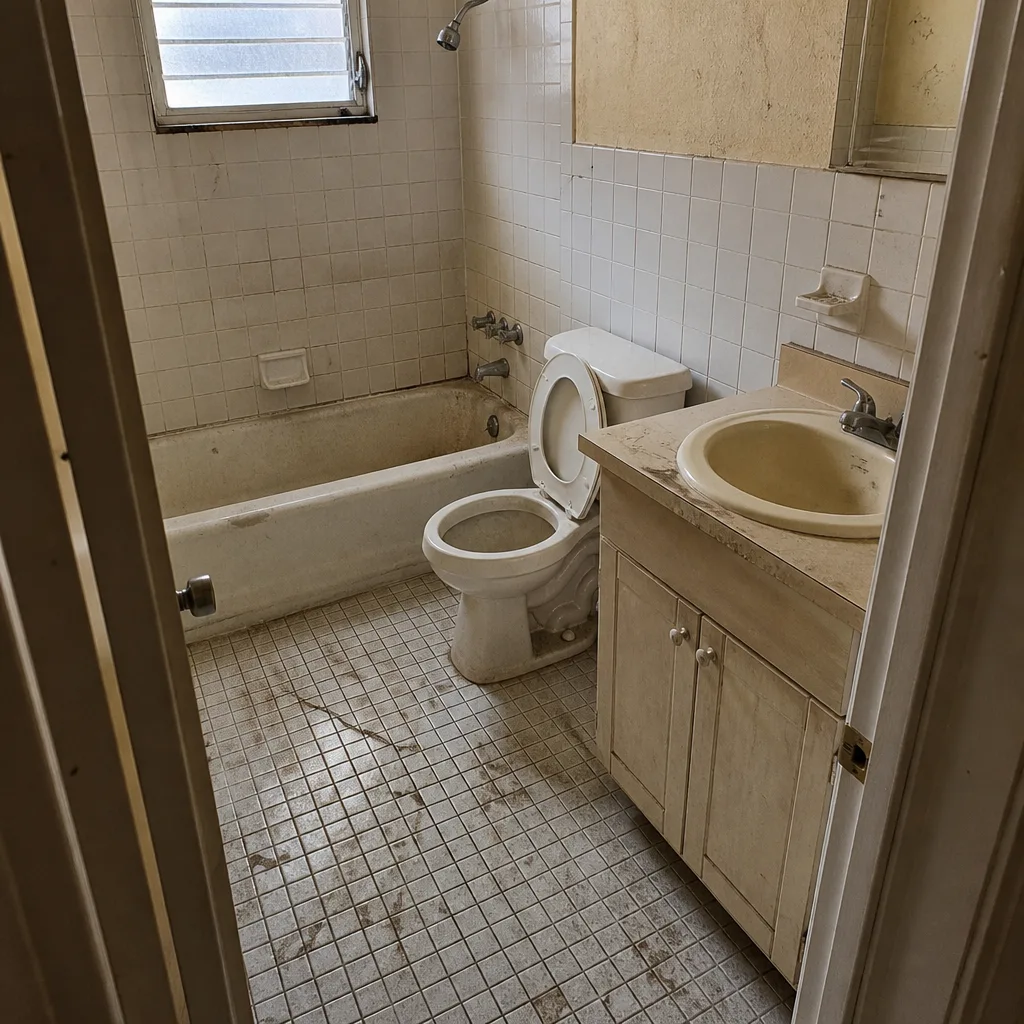
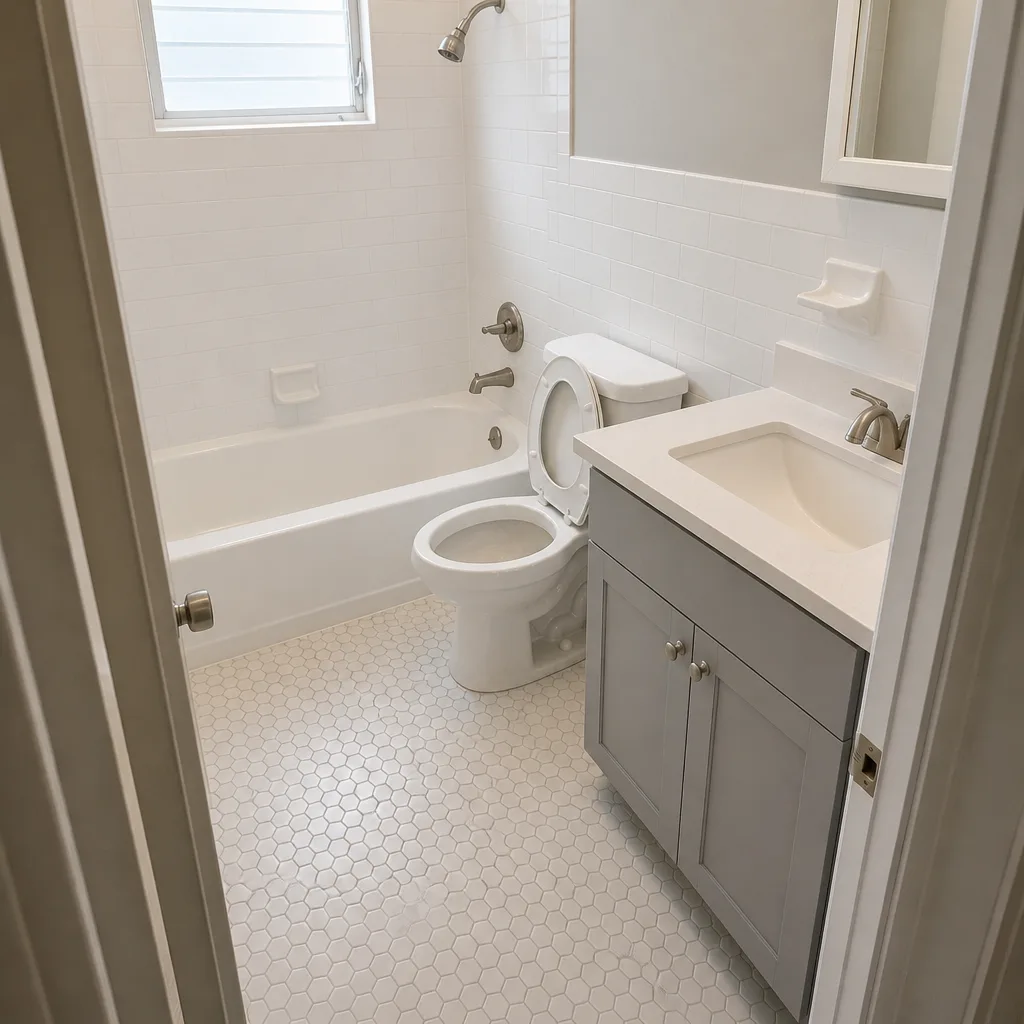
See the difference
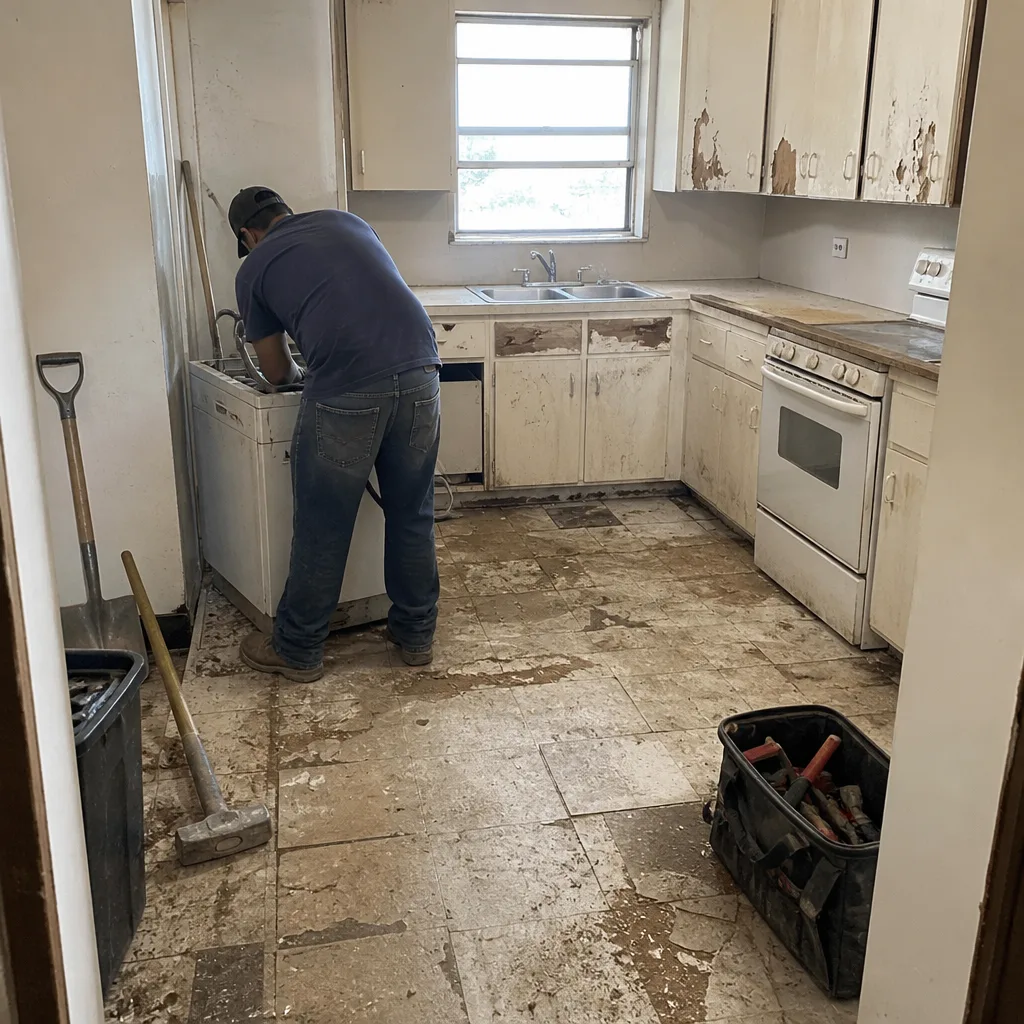 Before
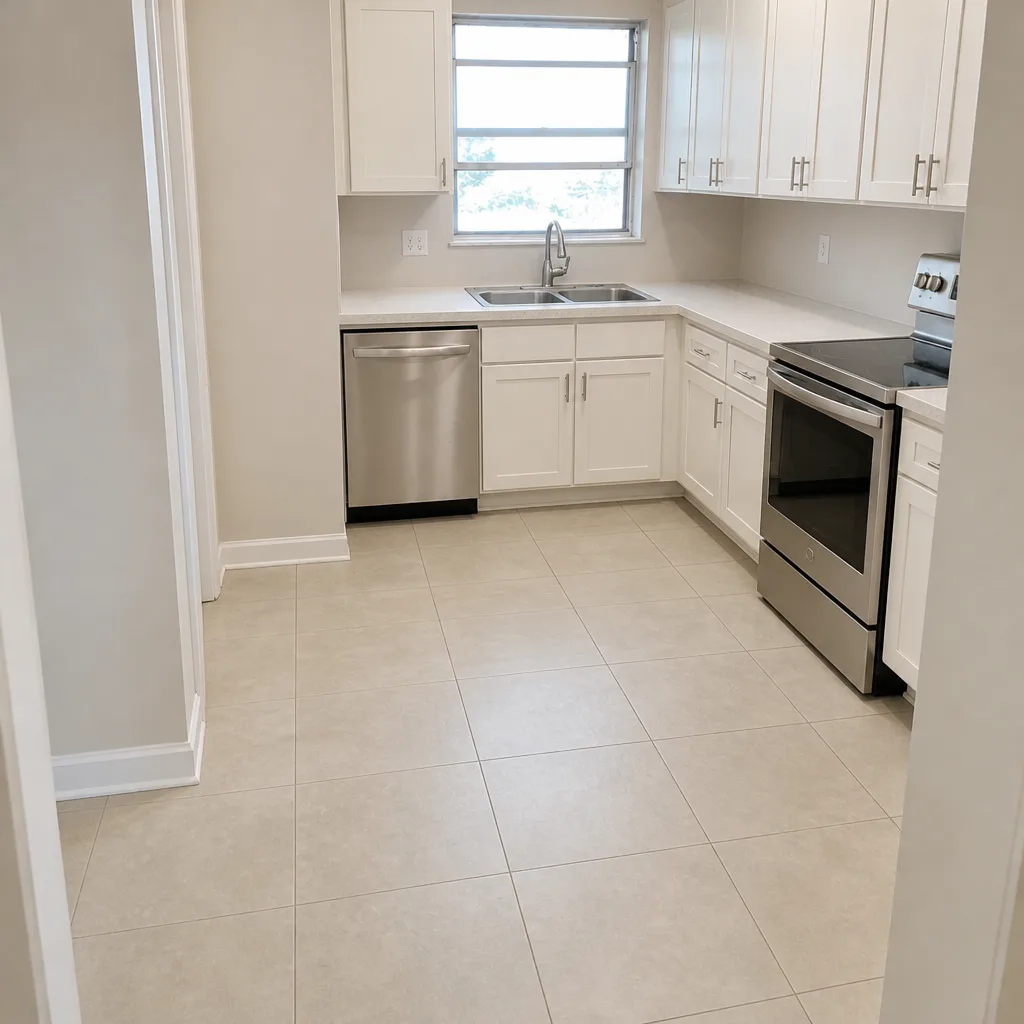 After
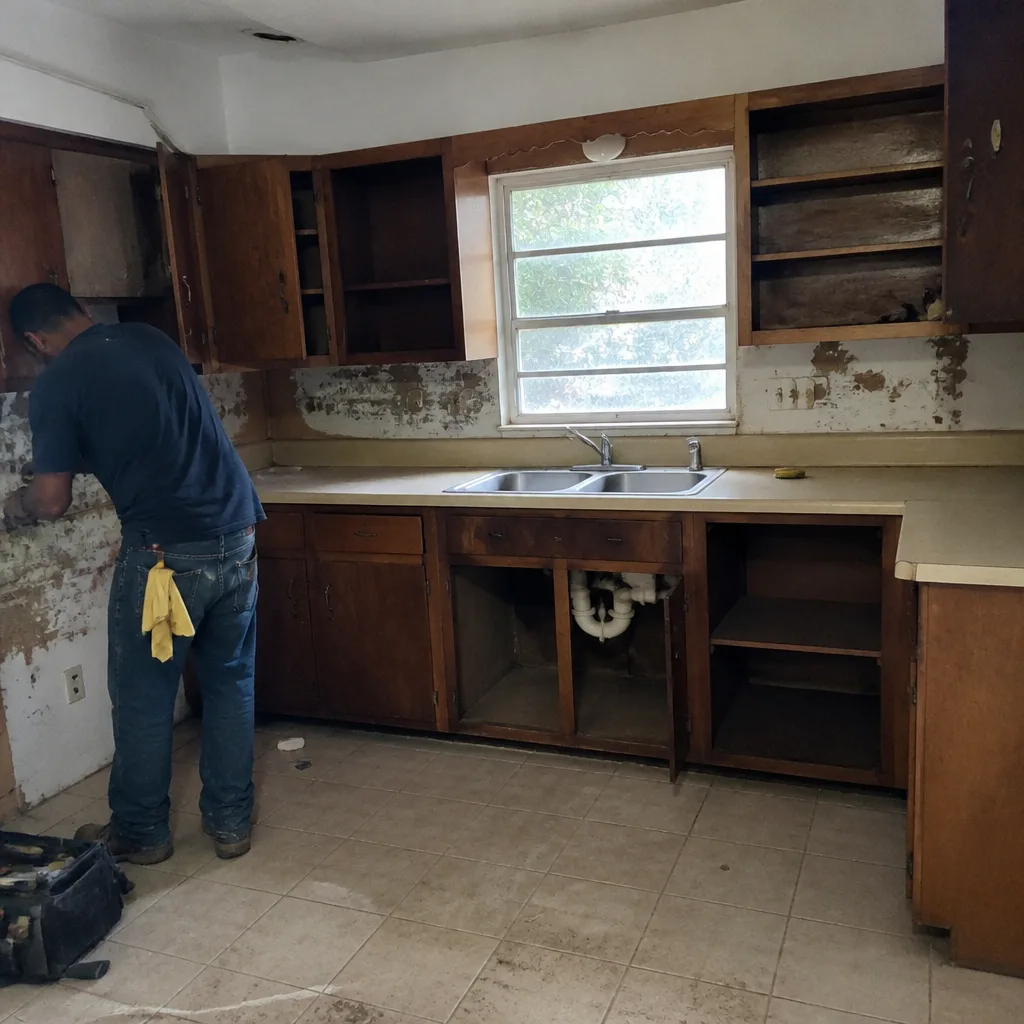 Before
 After
 Before
 After
When to Call a Professional
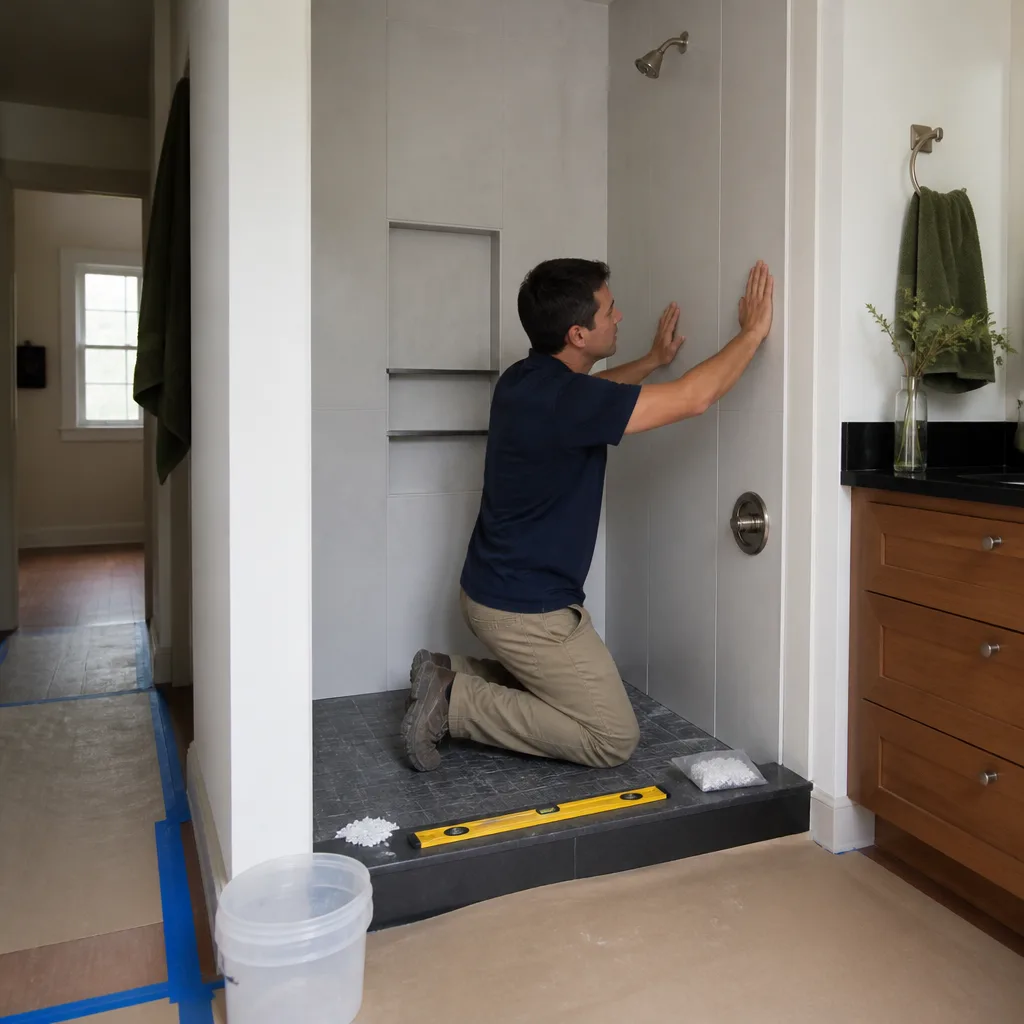
Call a licensed contractor when the job crosses any of these lines: tile in a wet area, moving a drain or supply line, replacing a shower valve behind the wall, changing the layout, or any electrical work near water. The work behind the tile is where the damage hides, and a failed shower pan is a $4,000 to $8,000 repair, usually discovered because the ceiling below it started staining.
If you’re weighing whether to repaint and refixture versus go deeper, a free estimate in Miami from Bradford Remodeling Co Miami will tell you which scope fits your bathroom – and which range your timeline lands in. We put the price and the schedule in writing before any work starts, live person answers the phone, and every completed project carries the 365-Day Done Right Promise: if the work fails within the year, we come back and correct it at no charge. Call (844) 797-4435 to schedule your free estimate.
Frequently Asked Questions
A cosmetic refresh takes 1 to 2 weeks, a mid-scope tile-and-fixture remodel takes 3 to 4 weeks, and a full gut with a layout change runs 6 to 9 weeks in Miami. The variables that push any scope toward the long end are inspection holds (2 to 5 business days in Miami-Dade), special-order fixture lead times, and the curing time your tile work requires before you can use the shower. Call (844) 797-4435 for an exact timeline on your bathroom – estimates are free.
Only a cosmetic refresh – paint, vanity top, faucet, mirror, and toilet – can finish in a week, and only if the fixtures are in stock when demo starts. Any job that sets tile in a wet area or moves a drain can’t legally or physically finish in seven days once you account for waterproofing cure and tile cure alone. A one-week bathroom tile job means someone sacrificed a cure time.
No, if the price is in writing. Bradford Remodeling puts a written price in your hands before any work starts, with no numbers that move at the door. If demo exposes something no one could see – rotted subfloor, corroded plumbing – that’s a documented change order you approve on paper before the crew proceeds. The written price holds; the surprise does not.
Yes. A full gut or any job that moves plumbing, electrical, or framing requires a permit from Miami-Dade County, and the rough-in inspection has to pass before the walls close. A firm’s license and permit history are public records with the county – ask for the permit number and verify it before work begins. We pull the permit, schedule the inspection, and pass it before tile goes up.
Thinset manufacturers publish a minimum cure time, typically 24 hours under good conditions, and grouting over uncured thinset traps moisture in a wet environment. In a Miami bathroom, humidity slows the cure further, so we allow 2 to 3 days for waterproofing cure and another 2 to 3 days between tile set and grout. Skip that and grout cracks within the first year, usually in the corners and along the pan.
Order long-lead fixtures before demo, make every selection by its written deadline, and verify the permit is filed. Your side of the schedule is the selections and the decisions – a vanity chosen three weeks late moves the whole project three weeks. Get the written schedule before day one, and hold the deadline list where you can see it. Call (844) 797-4435 to start with a free estimate and a written schedule.
The Bottom Line

Bathroom remodel timelines run 1 to 2 weeks for a cosmetic refresh, 3 to 4 weeks for a mid-scope replacement, and 6 to 9 weeks for a full gut with a layout change. The schedule is set by three things most estimates don’t address: inspection holds, special-order fixture lead times, and cure times for waterproofing, thinset, and grout. Get a written schedule with dated phases and delivery dates before demo. Order the tub before the walls come down. And never let a crew grout the day after setting tile – in a wet Miami bathroom, that shortcut fails within a year. The schedule should have cure time built in, and the contractor should be able to show you where.
Written by the team at Bradford Remodeling Co Miami.