Last updated November 18, 2026








Free written scope consultation - allowances, timeline, and change-order rules on paper before a single trade is scheduled
The Complete Guide to Construction in Miami
Miami-Dade issues more building permits per capita than almost any county in Florida, yet contractor complaint rates stay among the highest in the state. That gap between permit volume and finished satisfaction is where most projects fall apart. It’s rarely a materials problem. It’s a paperwork problem, a climate problem, and a vetting problem happening at the same time. This guide maps all three layers so you can plan a Miami project that actually closes on the date it’s supposed to: how the High Velocity Hurricane Zone reshapes every scope, which documents actually protect you, how to tell a licensed general contractor from a handyman working under the exemption, and what a written scope has to contain before a deposit changes hands.
Quick Answer
Construction in Miami is governed by three overlapping systems: Miami-Dade’s High Velocity Hurricane Zone (HVHZ) requirements, which override standard Florida Building Code on wind-rated materials and fastening; a permit and inspection chain that ends with a Certificate of Occupancy, not a final inspection sign-off; and a contractor market where licensed general contractors and unlicensed handymen both legally operate but only one can pull permits. A project finishes on schedule when all three are handled in writing before work starts. Miss any one of them and you get delays, failed inspections, or insurance problems after the fact.
Styles & brands we work with
- Kitchen remodeling
- Bathroom remodeling
- Home additions & ADU
- Roofing
- Windows & doors
- Driveway & pavers
- Fence
Table of Contents
- How the High Velocity Hurricane Zone Changes Every Scope
- Certificate of Occupancy vs. Final Inspection vs. Notice of Commencement
- How to Verify Who You’re Actually Hiring
- How Hurricane Season Affects Scheduling, Lead Times, and Liens
- What a Written Scope of Work Must Include in Miami
- The Miami-Dade Permit and Inspection Chain
- Choosing Materials That Survive Miami
- What a Clean Job Close Looks Like
How the High Velocity Hurricane Zone Changes Every Scope
Miami-Dade and Broward counties sit inside the High Velocity Hurricane Zone, a designation under the Florida Building Code that raises the bar on wind resistance beyond what the rest of the state requires. The practical effect: a window that’s perfectly legal in Orlando may not pass in Miami, and a roofer installing standard underlayment on a Miami-Dade home is installing the wrong product.
What HVHZ actually changes, in plain terms:
- Product approval is mandatory. Windows, doors, shutters, roofing systems, and skylights need Miami-Dade County Product Control approval or a Florida Product Approval with HVHZ rating. The Notice of Acceptance (NOA) number is what the inspector checks.
- Fastening schedules tighten. Roof deck attachment, shingle nailing patterns, and structural connections follow stricter spacing than non-HVHZ counties. A “6-inch nail pattern” that works elsewhere won’t fly here.
- Opening protection is required, not optional. Impact-rated glazing or approved shutters on every exterior opening. This is why Therma-Tru impact door lines and other HVHZ-rated entry systems matter in Miami – not as a premium upgrade, but as the baseline.
- Roofing systems are rated as assemblies. You can’t mix a compliant underlayment with a non-compliant cap sheet and pass.
In our experience, the most common failure point on Miami remodels is scope written by someone who priced the job using non-HVHZ standards. The bid looks low, and then the permit review comes back with specific corrections that add materials and time. A written scope should name the NOA or product approval number for every exterior product before signing.
Certificate of Occupancy vs. Final Inspection vs. Notice of Commencement
These three documents do different jobs, and Miami homeowners confuse them more than any other paperwork in construction. Getting them mixed up has cost people their insurance coverage, and worse, their ability to sell.
Certificate of Occupancy (CO)
The CO is the county’s statement that the structure is safe and legal to occupy. For new construction it’s required before you move in. For remodels it’s issued after all inspections pass. No CO means the work isn’t legally complete, no matter what your contractor says. Your insurance company may decline a claim on unpermitted work, and a title search will flag it when you sell.
Final Inspection Sign-off
This is the last inspection by a county inspector on a specific trade or permit. It confirms the work matches the approved plans. It’s a checkpoint on the way to the CO, not the finish line. We’ve seen contractors hand a homeowner a signed final inspection card and call it done while the CO is still pending. It isn’t done.
Notice of Commencement (NOC)
The NOC is a recorded document that officially starts the clock on lien rights. It must be posted on site and recorded with the Miami-Dade Clerk of Courts before work begins on projects over the statutory threshold. If you don’t record one where required, you can face problems with mechanics’ liens and with your lender. If you do record one incorrectly, subcontractors and suppliers may not have proper notice, which hurts your ability to defend against a lien.
Keep copies of all three. A title company will ask for them at closing, and your insurance carrier may too.
How to Verify Who You’re Actually Hiring
Miami’s contractor market splits into two groups that look identical on a business card. Licensed general contractors can pull permits, carry workers’ comp and general liability, and are subject to state discipline. Then there’s the unlicensed “handyman” segment operating under the $1,000 exemption threshold – work under that dollar amount on a single job doesn’t require a contractor’s license in Florida, and a lot of people interpret that loosely.
Here’s the verification sequence. Run every step before you sign anything:
- Search the license. Go to the Florida DBPR license lookup and the Miami-Dade Contractor Licensing portal. A general contractor’s license starts with “CGC” (state certified) or “CBC” (state certified building) or a local equivalent. The license has to match the company name on the proposal exactly.
- Confirm active status. A license can be current or it can be null and void. Check the effective date and any disciplinary actions. Null-and-void licenses are the single biggest red flag.
- Ask for the insurance certificate. It should name the work type and list you or your property as the certificate holder in some cases. Call the agent on the certificate. Certificates are easy to photocopy and edit.
- Check for the written price. A contractor’s reputation is in the paperwork. If you get a verbal number at the kitchen table, you don’t have a price, you have a guess. Everything should be in writing – line-item, dated, and tied to the scope.
- Look up the business entity. Sunbiz shows the registered agent and formation date. A company that formed last month is not the same thing as a company with a track record.
We put every Bradford Remodeling price in writing before a tool comes out, and every completed project carries the 365-Day Done Right Promise – if the work fails within the year, we come back and correct it at no charge. That’s the standard to hold any Miami contractor to, regardless of who you hire.
How Hurricane Season Affects Scheduling, Lead Times, and Liens
Hurricane season runs June 1 through November 30, and it changes the economics of a Miami construction project more than most homeowners expect. When a storm passes near South Florida, several things happen at once: material lead times spike as suppliers prioritize emergency repairs, subcontractor crews get pulled to storm work in other counties, and your active job may sit idle for weeks.
Three effects worth planning around:
- Material lead times. Impact-rated windows and doors, garage doors, and hurricane-rated roofing are the first products to stretch. Order them before you need them, and don’t let a contractor start demolition until long-lead items are on site or have a confirmed ship date.
- Subcontractor availability. Framers, roofers, and electricians all but disappear for a month after a major storm. A written schedule with a materials-on-site milestone helps you know whether a slip is real or just a crew bump.
- Lien windows. Florida lien law ties the lien period to the Notice of Commencement and the final furnishing date. When a project stalls through a storm, the lien clock can run out before you realize a sub was never paid. Keep a record of every payment with a conditional waiver, and get unconditional waivers at final payment.
The safest schedule for major exterior work in Miami is to break ground in January or February, when the weather is stable and the supply chain is calm, and complete the exterior envelope by late May. Interior work can run year-round with less risk.
What a Written Scope of Work Must Include in Miami
A scope of work is the document that defines the job. In Miami, generic scopes don’t hold up because they skip the details the county and the insurance company both require. Before any deposit changes hands, the written scope must include:
- Flood zone designation. Pull the FEMA flood map for the property. The zone (AE, X, VE) drives elevation requirements, vent placement, and whether certain finishes will be insurable. A scope written without it is incomplete.
- Impact-rated product specifications. Every exterior opening product by brand and model, with the product approval or NOA number. “Impact windows” is not a specification. A Therma-Tru model with its approval number is.
- Inspection hold points. Which inspections have to happen before the next phase can start – rough-in electrical, framing, drywall, final. Miss a hold point and you’re tearing out finished work to expose the substrate.
- HVHZ fastening schedules. In writing, tied to the approved engineering.
- Line-item price, dated. Every line has a number. No lump-sum “allowance” that gets adjusted later without written change orders.
- Payment schedule tied to milestones, not calendar dates. A draw schedule keyed to inspections passed, not “week three.”
- The guarantee in the contract. Not in a brochure. The 365-Day Done Right Promise is part of the signed document, not a marketing promise.
For whole-home work this scope runs several pages. That’s normal. Short scopes are short because they leave things out.
The Miami-Dade Permit and Inspection Chain
Every project involving structural work, electrical, plumbing, roofing, or mechanical needs permits from Miami-Dade. Homeowners often don’t realize that pull permits is the contractor’s job – and that if the contractor can’t or won’t, that’s the first sign something’s wrong. Unlicensed contractors avoid permits, and unpermitted work is a problem for you, not for them.
The chain, simplified:
- Pre-application. Plans submitted to Miami-Dade’s Building Department (or the City of Miami, Miami Beach, Coral Gables – the jurisdiction depends on where the property sits).
- Plan review. The county reviews for code compliance, including HVHZ requirements. Corrections are common; a good contractor schedules for one round of corrections so the timeline doesn’t blow up.
- Permit issuance. NOC recorded where required. Permit card posted on site.
- Inspections. Sequential, trade-by-trade. Hold points matter.
- Final inspection sign-off. The last trade-specific sign-off.
- Certificate of Occupancy. The finish line. You should physically hold this.
Timelines vary by jurisdiction and scope. A straightforward kitchen remodel in Miami may run 4-8 weeks of permit review; a whole-home addition can run 12-16 or longer. The number you want in the schedule is the permit review window, not the construction window.
Choosing Materials That Survive Miami
Miami’s climate – salt air, humidity that hangs at 75% most of the year, and sun that fades anything it touches – dictates material choices more than aesthetics. What looks fine in a showroom in Tampa may fail inside three years on a Coral Gables wall.
- Exterior doors. Impact-rated, fiberglass or steel core, with HVHZ approval. Therma-Tru, for example, publishes product approvals for their impact lines – check the model against the county list, not the brochure.
- Fencing and gates. Aluminum over wood in most Miami lots. Wood fencing rots in the wet season unless it’s a marine-grade species, and even then, powder-coated aluminum from a manufacturer like Master Halco holds up better against salt air.
- Cabinetry. In humid interior conditions, plywood-box cabinets outperform particleboard. KraftMaid and Wellborn both offer plywood construction – worth the upgrade.
- Surfaces. Quartz and quartzite over granite in kitchens where grease and citrus are common; Cambria and Caesarstone both handle Miami humidity without sealing.
- Roofing. HVHZ-rated systems only. GAF and CertainTeed both publish Miami-Dade approved assemblies.
The right move is to specify by approved product and model number, and hold the contractor to it. Any substitution should require a written revision with the new approval number attached.
What a Clean Job Close Looks Like
A clean close in Miami means five things in your hand and on your property: a clean, swept site with debris hauled; a signed written guarantee that spells out the coverage period and what it covers; the Certificate of Occupancy (or the final inspection sign-off if no CO applies); lien waivers from every subcontractor and supplier; and a closeout binder with the permits, the approved plans, and the product approval numbers for the major installed items.
If your contractor can’t produce those five at close, the job is not actually done. Walk the property once more with a checklist and don’t release the final payment until you’ve got them.
Common Mistakes to Avoid
- Accepting a lump-sum price with no written scope. The price means nothing without the document that defines it. In Miami, the missing scope is where the surprise invoices live.
- Pulling your own owner-builder permit when the contractor should pull it. Owner-builder permits expose you to liability and to the inspector’s questions you can’t answer. They also complicate resale.
- Assuming “impact-rated” covers everything. It doesn’t. Each opening needs its own HVHZ-approved product, and the inspector checks the model, not the label.
- Missing the Notice of Commencement. Skipping it can void your ability to defend against a mechanics’ lien, and title companies will catch it at sale. Record it before work starts.
- Starting demolition before long-lead materials are on site. Hurricane season compounds this: a stalled window order can leave your home open for weeks.
- Confusing a final inspection sign-off with a Certificate of Occupancy. They’re different documents and the CO is the one that matters for occupancy and insurance.
- Paying on calendar dates instead of inspection milestones. A payment schedule tied to inspections passed keeps the money aligned with work actually done.
See the difference
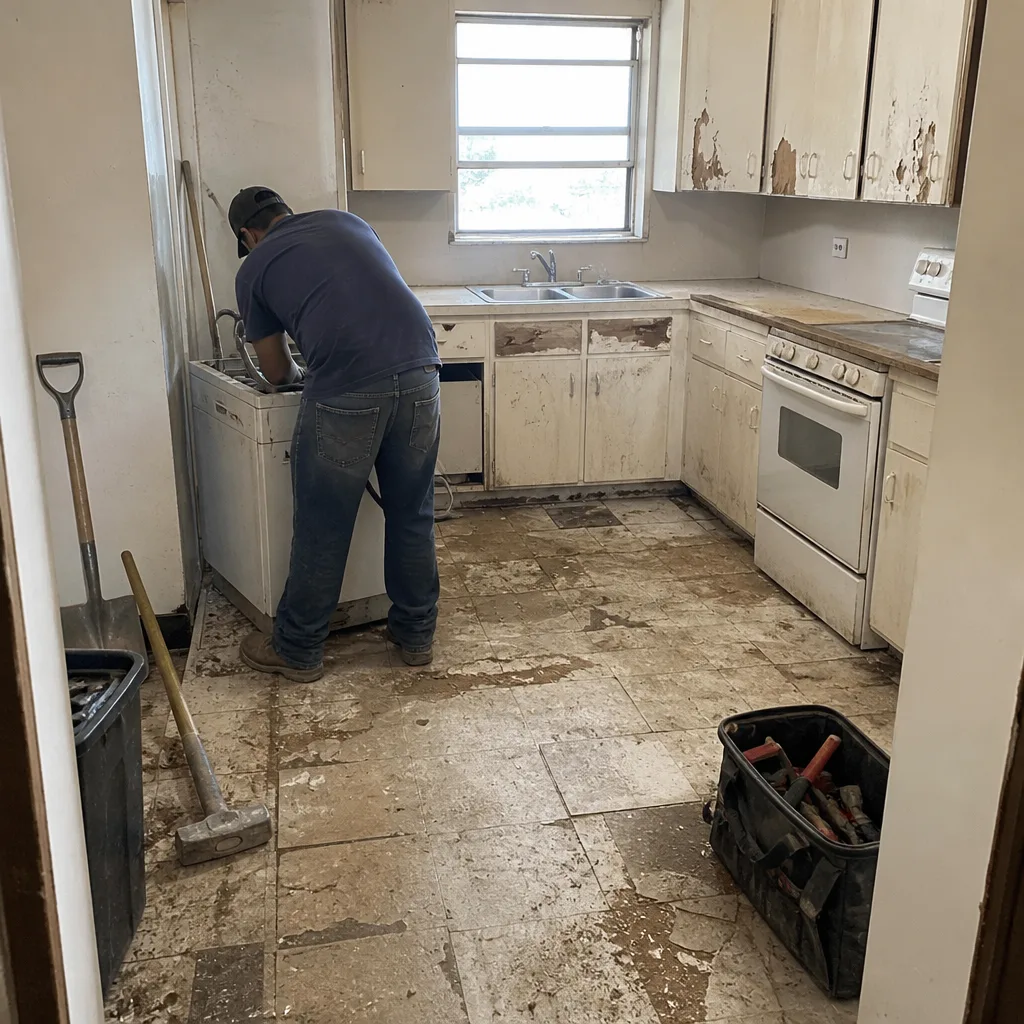 Before
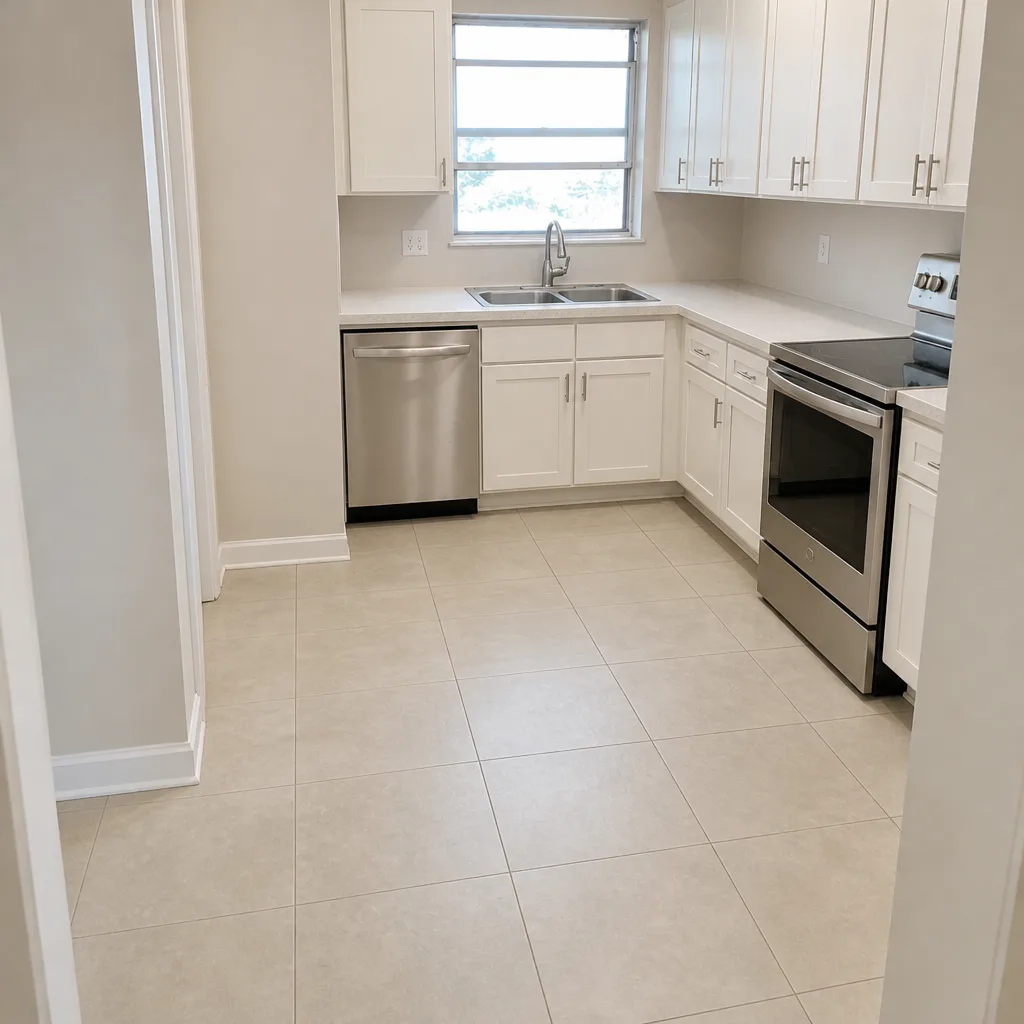 After
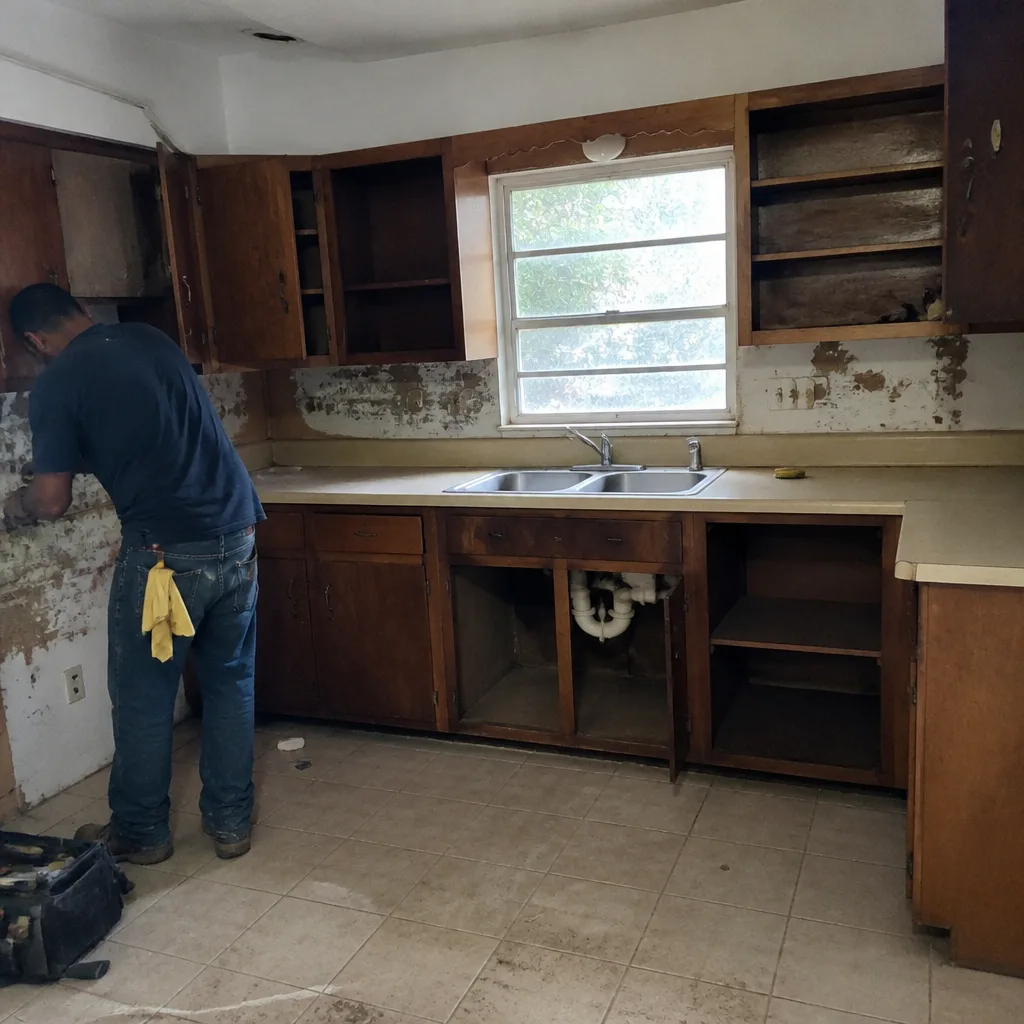 Before
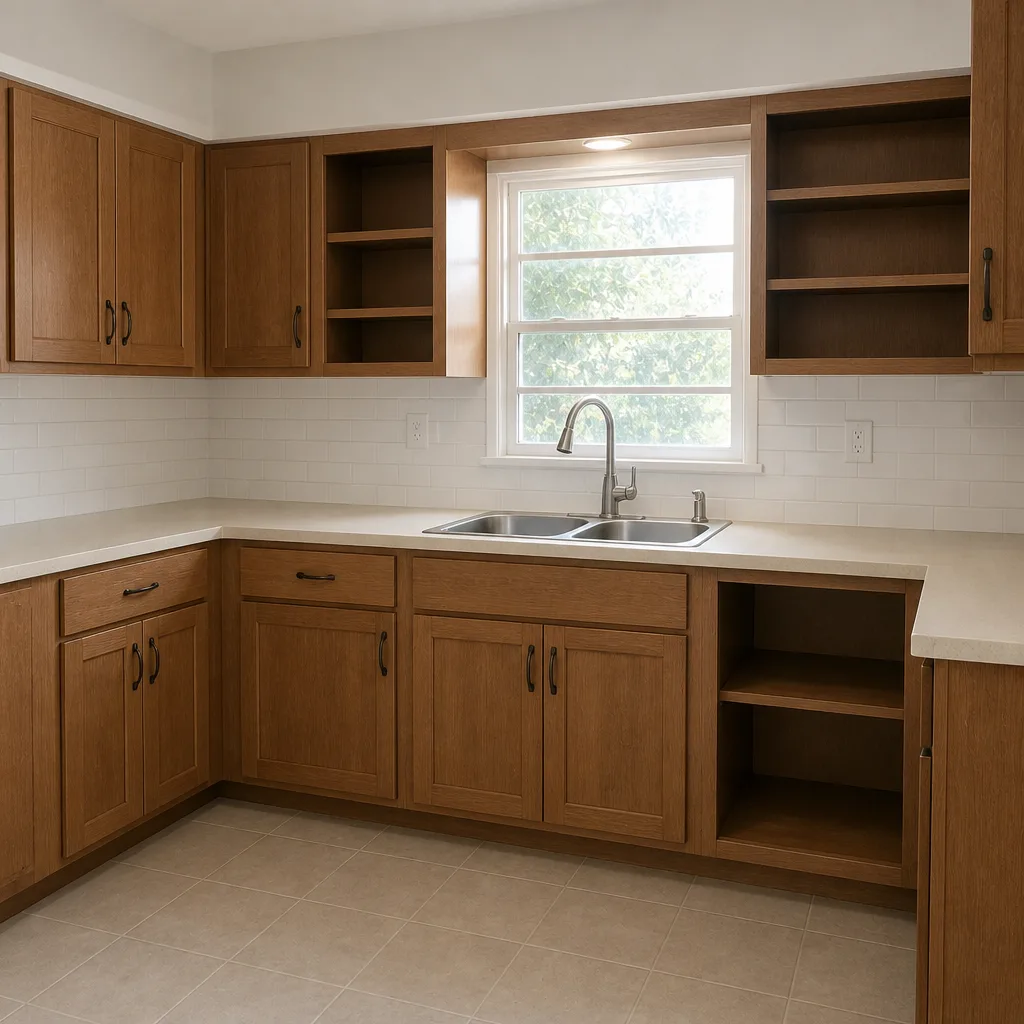 After
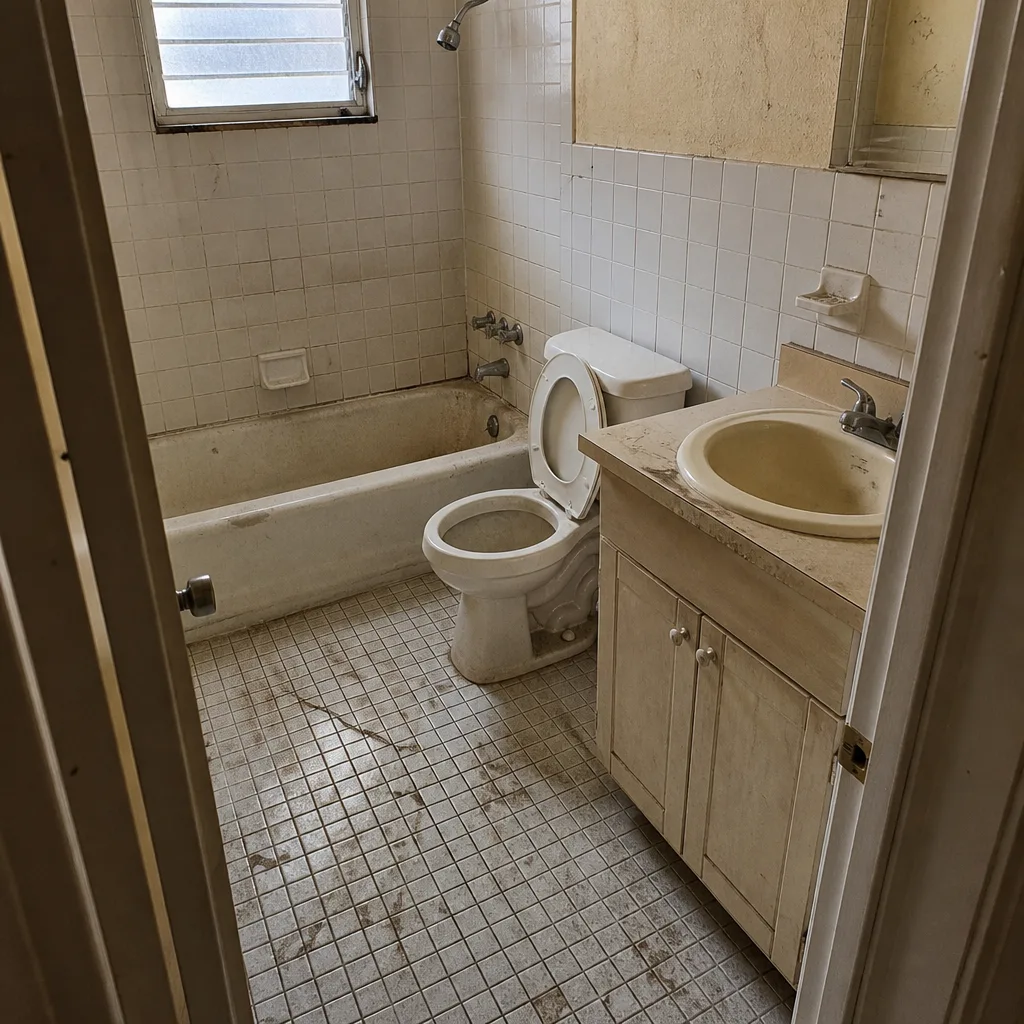 Before
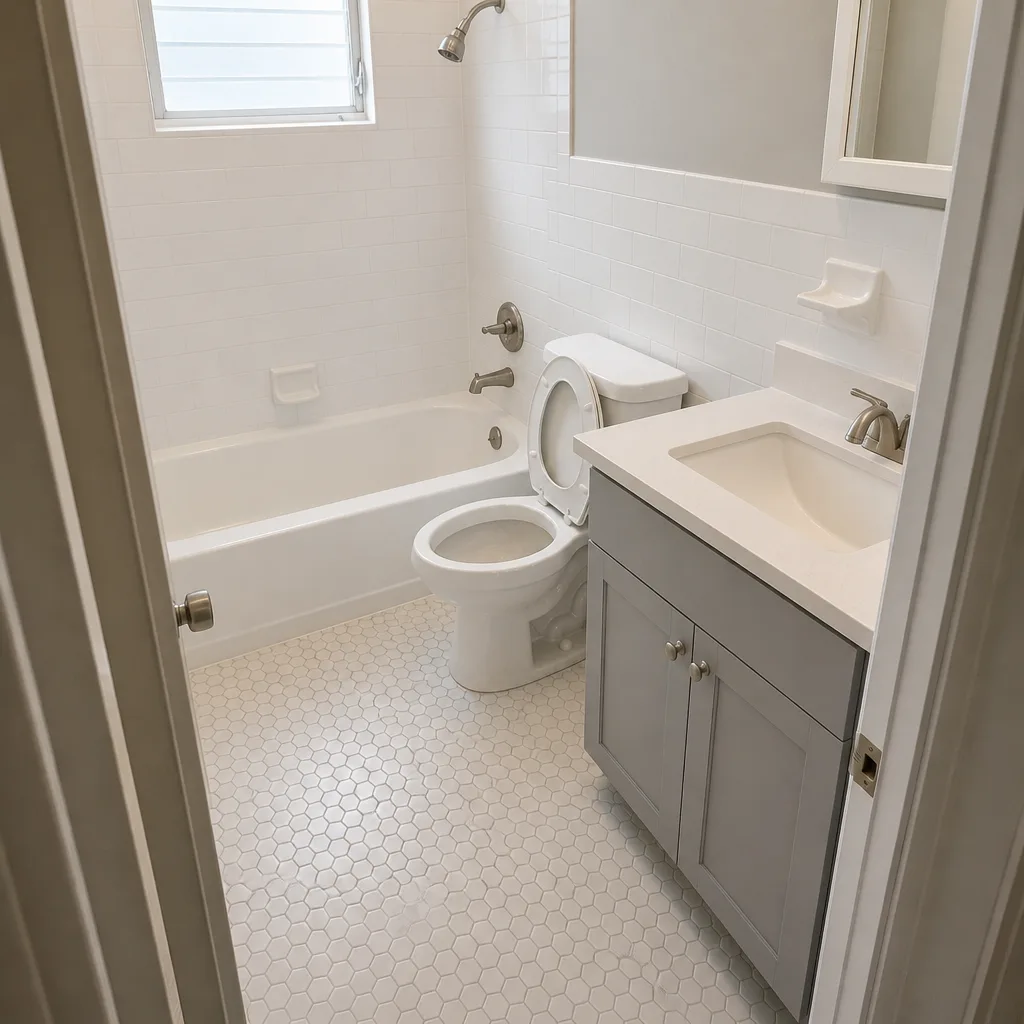 After
When to Call a Professional
Any project that touches structure, electrical, plumbing, roofing, or exterior openings in Miami needs a licensed general contractor, not because it’s a bigger job, but because the permits, HVHZ compliance, and inspection chain are outside what an unlicensed handyman can legally do. Same for anything over the $1,000 exemption threshold on a single job. Add to that: any project in a flood zone, any HVHZ product substitution, any scope where you’d need a Certificate of Occupancy to close it out, and any job where the previous contractor left unpermitted work behind. Those are all signs to call a licensed professional. Bradford Remodeling Co Miami offers free estimates in Miami – call (844) 797-4435 and we’ll walk the property with you, put the price in writing, and hand you a scope that matches the county’s requirements before any deposit changes hands.
Frequently Asked Questions
Cost ranges depend heavily on scope, but as a rough reference for the Miami market: a kitchen remodel typically runs $35,000-$90,000 depending on cabinetry and surface level; a bathroom remodel runs $18,000-$55,000; a whole-home remodel or addition can run $150,000 and up. Materials rated for HVHZ and impact openings add to the base cost versus non-HVHZ counties. Call (844) 797-4435 for an exact written quote on your property – estimates are free.
Yes, if the work touches electrical, plumbing, or mechanical systems, or if you’re moving walls. Cosmetic work like painting or cabinet refacing may not require a permit, but anything structural or systems-related does. Permit review timelines vary by jurisdiction. Call (844) 797-4435 and we’ll confirm what your specific scope requires.
The HVHZ is a wind-resistance designation under the Florida Building Code that applies to Miami-Dade and Broward counties, and it applies to every exterior product in a permitted scope. It overrides standard Florida code on all wind-rated assemblies, opening protection, and fastening. If your property is in Miami-Dade, assume HVHZ rules apply until proven otherwise.
A final inspection sign-off confirms a specific trade’s work matches the approved plans; a Certificate of Occupancy is the county’s statement that the structure is legal to occupy. You need the CO for insurance, resale, and lender requirements. The final inspection is a step toward it, not a substitute. We provide the CO or final sign-off in writing at job close.
Not if the scope is written correctly and the price is in writing before the contract signs. Change orders in Miami almost always trace back to a scope that left out HVHZ product specs, flood zone impacts, or a hidden condition on the property. Our prices are written and line-itemed before any work starts, and changes require a signed revision. Call (844) 797-4435 to schedule a scope walk-through.
Permit review is often the longest leg. A kitchen remodel in Miami typically takes 4-8 weeks of permit review plus 4-6 weeks of construction; whole-home remodels or additions can run 12-16 weeks of permit review and 4-8 months of construction depending on scope. Long-lead HVHZ materials can extend this if ordered late. Schedule excludes hurricane season slowdowns, so plan exterior work for the dry months. Call (844) 797-4435 for a written timeline on your project.
The Bottom Line
Miami construction finishes on time when three layers get handled in the right order: HVHZ compliance specified product by product, the permit chain run to a Certificate of Occupancy (not a final inspection), and a contractor verified through the state license lookup and a written scope before any deposit. Everything else – material choices, scheduling around hurricane season, lien defense – follows from those three. The most useful thing you can do before signing anything is demand the written price, the named products, and the guarantee terms in writing. That’s The Garrison Standard at work, and it’s how a Miami project actually closes clean. Whether you’re planning a kitchen remodel in Miami or a full general contracting build in Miami, start with the paperwork. The work is easier when the scope is squared away.
Ready to walk your property with a licensed contractor? Call Bradford Remodeling Co Miami at (844) 797-4435 for a free estimate, a written line-item price, and a scope of work that names every HVHZ product, inspection hold point, and guarantee term before any deposit changes hands. Visit us at the Bradford Remodeling Co Miami home page to see what squared away looks like.
Written by the team at Bradford Remodeling Co Miami.