Last updated November 18, 2026



Free written scope consultation - allowances, timeline, and change-order rules on paper before a single trade is scheduled
Construction Cost Breakdown: The Miami Homeowner’s Reference for 2026
When a Miami contractor hands you a $45,000 kitchen remodel bid and a competitor quotes $28,000, the difference almost never lives in the labor rate. It lives in whether the lower bid includes impact-rated windows, licensed electrical rough-in, permit fees, and a final inspection. Comparing those two numbers as if they describe the same job is how homeowners end up with a surprise invoice six weeks into demolition. In this guide we break down exactly where the Miami premium goes, item by item, so you can read a bid line by line and know what you’re actually buying.
Quick Answer
Construction costs in Miami in 2026 run roughly 15 – 25% above national averages across most remodel scopes, and that premium is not a single “South Florida” upcharge. It comes from four measurable places: High-Velocity Hurricane Zone (HVHZ) material specifications, impact-rated product premiums, Miami-Dade permit fee structures, and licensed-trade labor rates for electrical, plumbing, HVAC, and structural work. A realistic 2026 kitchen remodel in Miami lands between about $32,000 and $48,000 for a mid-grade scope, and a full bathroom between about $18,000 and $30,000, with the spread explained almost entirely by those four factors.
Styles & brands we work with
- Kitchen remodeling
- Bathroom remodeling
- Home additions & ADU
- Roofing
- Windows & doors
- Driveway & pavers
- Fence
Table of Contents
- Quick Answer
- The HVHZ Material Premium: Where Miami Costs Actually Go
- Miami-Dade Permit Fees by Project Type in 2026
- Licensed Trade Labor Rates in Miami for the Five Common Scopes
- Why Change Orders Cost 2 – 3x After a Miami Permit Is Issued
- How to Read a Schedule of Values in a General Contractor Bid
- Common Mistakes to Avoid
- When to Call a Professional
- Frequently Asked Questions
The HVHZ Material Premium: Where Miami Costs Actually Go
Miami-Dade County falls entirely inside the High-Velocity Hurricane Zone, and that designation governs how a building is put together. A window that costs $600 in Tampa can cost $1,050 here because it carries the Miami-Dade Notice of Acceptance (NOA) product approval and impact rating required by the Florida Building Code. Same size, same style, different testing, different price. This is the single largest line item that separates a Miami bid from a national cost guide.
2026 material benchmarks in Miami
- Impact-rated windows: $650 – $1,200 per unit installed, versus $380 – $600 for standard non-impact units in lower wind zones.
- Impact-rated entry doors: $1,800 – $3,200 installed, versus $800 – $1,400 for standard thermal doors.
- Roofing: $450 – $700 per square (100 sq ft) for a permitted HVHZ roof system with the required secondary water barrier, versus $320 – $480 for a standard Florida roof outside the zone.
- Hurricane straps: $400 – $900 for a typical single-story retrofit, including the engineering documentation required for inspection.
- Fastener schedule: the specific nail and anchor pattern the HVHZ demands can add 8 – 12 hours of labor per roof, which shows up as a labor line, not a materials line.
The material roster matters too. When we specify exterior products, we work from documented manufacturer lines like James Hardie and GAF because the manufacturer’s wind and impact literature has to match the NOA paperwork at inspection. A crew using unlisted product can pass a rough inspection and fail a final. Our General Contractor in Miami team pulls permits and schedules those inspections as part of scope, not as an afterthought.
Miami-Dade Permit Fees by Project Type in 2026
Miami-Dade County calculates most building permit fees as a percentage of declared project value, not a flat dollar amount. That means the fee scales with the bid, which is one reason a $45,000 kitchen remodel carries a higher permit line than a $28,000 one. Typical ranges by scope in 2026:
- Kitchen remodel (no structural): roughly $700 – $1,600, plus separate electrical and plumbing sub-permits.
- Bathroom remodel: roughly $400 – $900, plus plumbing and electrical sub-permits.
- Full-home renovation: roughly $2,400 – $5,500 depending on valuation and scope of trade work.
- Window or door replacement: roughly $180 – $450 for a small job; the impact product approval review can add time even when the fee is modest.
- Addition or structural change: roughly $1,800 – $4,200, plus plan review and, where applicable, flood-zone review.
Flood-zone review fees
Properties in a Special Flood Hazard Area trigger additional review. Everything below base flood elevation has to be documented, and that documentation is a billable review item, typically $250 – $650 depending on the complexity of the submission. If your home is in a coastal or low-lying zone and the bid doesn’t carry a flood review line, ask why. Contractors who’ve pulled enough permits in Miami know this fee exists.
How to estimate permit costs before you have a bid
- Look up your property’s flood zone on the county maps and note the designation.
- Estimate the total construction value (materials plus labor, excluding design fees).
- Multiply by roughly 1.5 – 3.5% as a working estimate for permit and review fees combined.
- Ask any contractor to break the permit line out of their bid as a separate item so you can see it.
- Confirm which sub-permits are included and which are billed separately.
Licensed Trade Labor Rates in Miami for the Five Common Scopes
Licensed trades cost more in Miami for two reasons: state licensing and the fact that the work has to pass an HVHZ-aware inspector. An unlicensed handyman who will “handle the wiring” is charging you a fraction of a licensed electrician’s rate because he is not carrying insurance, not pulling permits, and not going to be there when the inspection notice arrives. What you’re buying with the premium is a licensed, insured tradesperson and a signed permit record that stays with the property.
Five scopes, approximate 2026 Miami rates
- Electrical (licensed): $95 – $145 per hour; rough-in for a kitchen typically $2,800 – $5,200.
- Plumbing (licensed): $90 – $140 per hour; a full bathroom re-pipe and fixture rough-in runs $3,200 – $6,400.
- HVAC (licensed): $110 – $170 per hour; a system changeout including line-set and permit runs $7,500 – $13,500.
- Structural framing (licensed): $70 – $110 per hour; beam and header work on a single-story scope typically $4,500 – $9,800.
- Tile (specialty): $18 – $38 per square foot installed for floor tile; large-format and wet-area work runs the higher end.
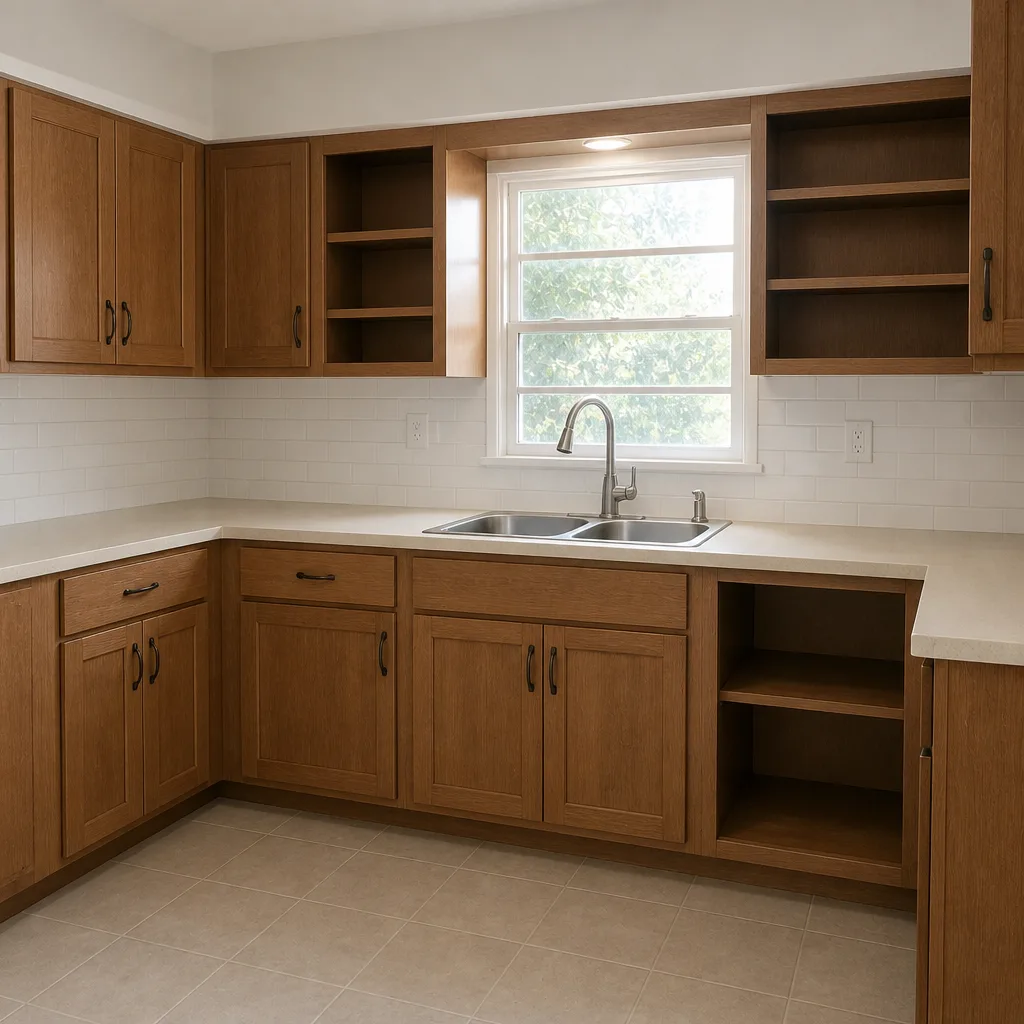
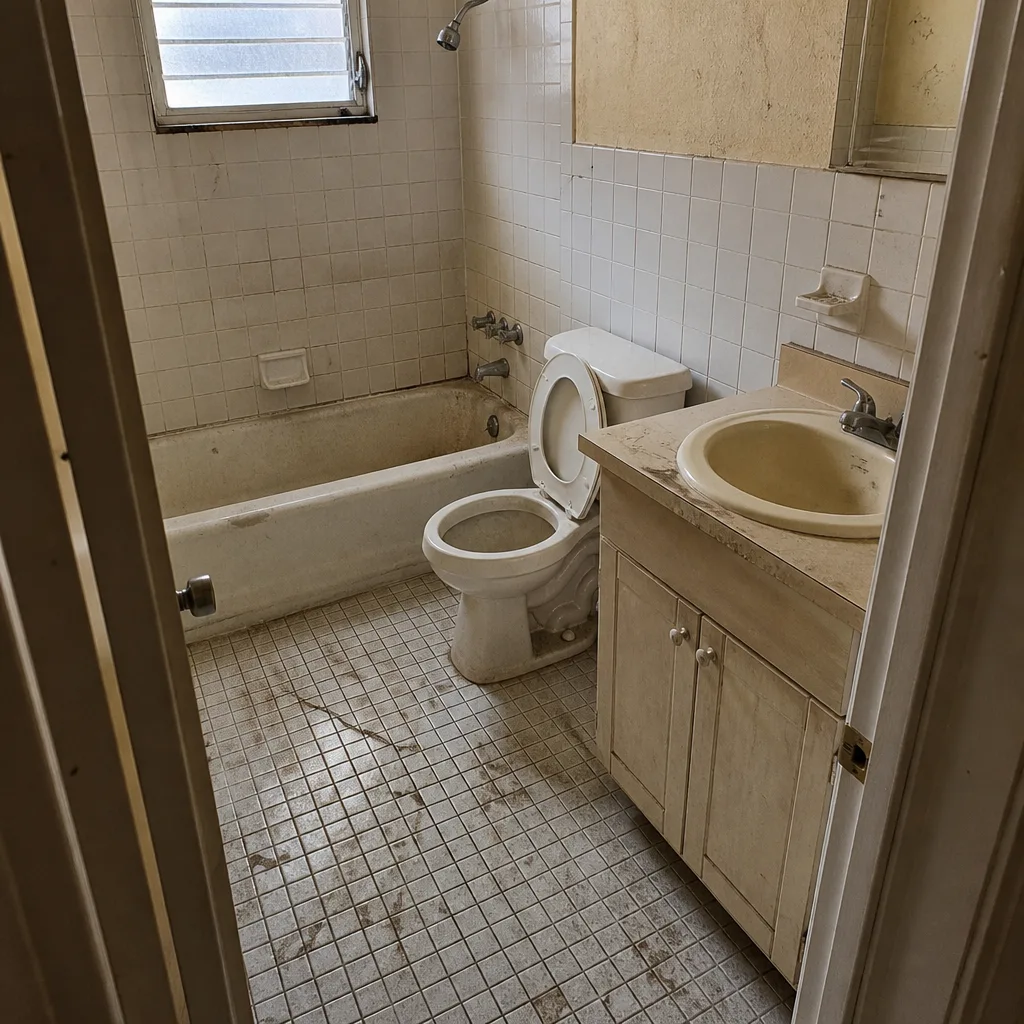
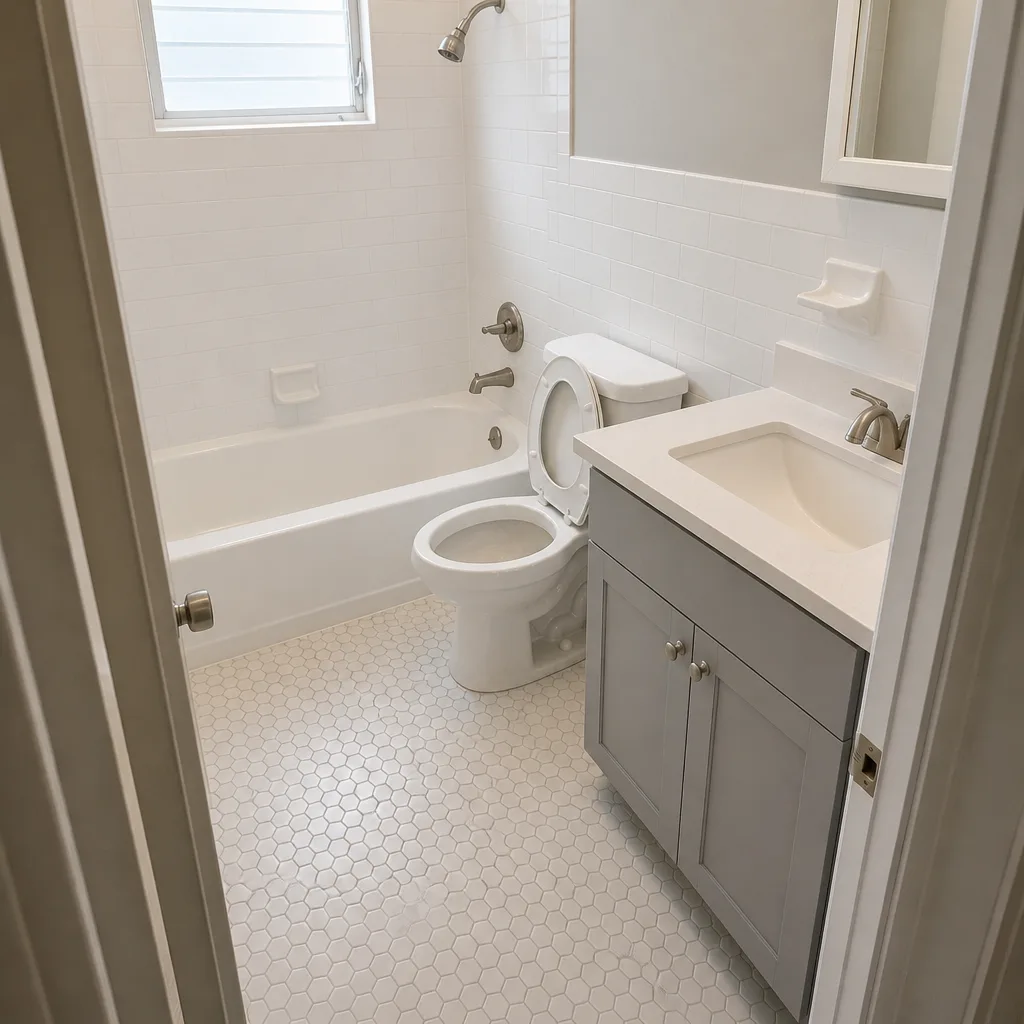
What you’re buying with the licensed rate is a warrantable job. A licensed plumber’s work is insurable and traceable; a handyman’s rough-in is a future insurance claim denial. Our Kitchen Remodeling in Miami and Bathroom Remodeling in Miami scopes both price the licensed trade work as separate line items so you can see what you’re paying for.
Why Change Orders Cost 2 – 3x After a Miami Permit Is Issued
Once a permit is issued and plans are submitted, changing scope means re-submitting. In the HVHZ that is not a paperwork exercise; it’s a real cost. Suppose a homeowner decides after permit issuance to widen a kitchen window by six inches. The window needs a new product approval number matching the new rough opening, the plans have to be revised and stamped, the county has to re-review, and the contractor schedules a new inspection. That specific change typically costs $1,800 – $3,400 once re-review and labor delays are factored in, versus $400 – $700 if it had been decided before permit submittal.
The planning-phase cost rule
Every design decision you finalize before permit submission eliminates the multiplier. Window sizes, door swings, fixture locations, appliance dimensions, countertop overhangs, and tile layouts all belong in the plan set. Once the plan is approved, treat it as a contract.
What a written price protects
Our commitment is that the price you see before work starts is the price you see on the invoice. If you change scope, the change order carries a written price before we execute it. That’s part of The Garrison Standard, and it’s why a schedule of values matters – it makes the change calculable instead of arguable.
How to Read a Schedule of Values in a General Contractor Bid
A Schedule of Values is the line-item backbone of a construction bid. Where a lump-sum bid hides everything inside one number, a Schedule of Values breaks the job into measurable chunks with dollar amounts attached. That’s the document you use to spot a bundled line that’s obscuring markup. National averages put general contractor overhead and profit in the 10 – 15% range; in Miami in 2026, with HVHZ documentation and heavier permit administration, a fair range is 12 – 20% depending on project complexity.
Commonly bundled lines
- “General conditions”: should include site protection, dumpsters, portable sanitation, and supervision. Ask for a sub-breakdown if it exceeds 8% of total.
- “Miscellaneous carpentry”: a legitimate line for substrate and blocking, but ask for a rough allocation. If it’s more than 5% of the total without a scope description, get written scope.
- “Final finishes”: vague term. Break it out into paint, trim, hardware, and touch-ups with square footage attached.
- Markup embedded in materials: contractors buy catalog brands like KraftMaid, Wellborn, Cambria, Kohler, and Moen at trade pricing. A 15 – 25% material markup is normal; anything above 35% deserves a question.
Three questions that force clarity
- What is the exact quantity for this line, and at what unit cost?
- What happens to this line if we delete it entirely?
- Is the manufacturer and model number written on the bid? If not, ask for it before signing.
Common Mistakes to Avoid
- Comparing lump sums from two contractors. A $28,000 and $45,000 bid are usually not comparable. Break both into a Schedule of Values before you decide.
- Ignoring the flood-zone review line. If your property is in a Special Flood Hazard Area and no line for flood review appears, that fee is coming as a change order later.
- Assuming impact windows are optional. In Miami-Dade’s HVHZ, replacement openings have to meet impact or large-missile protection standards. A “we’ll just use regular windows” crew is a red flag.
- Changing scope after permit issuance. A window size change costing $400 before the permit costs $2,000+ after it. Finalize the plan set before submitting.
- Hiring the unlicensed handyman for electrical rough-in. It looks cheaper on the invoice and far more expensive at resale, at insurance claim time, and at inspection.
- Not asking what the 365-Day Done Right Promise covers. Ask every contractor what their written guarantee actually says, for how long, and what it pays for. If they can’t hand you the written term, ask why.
- Paying for materials that were never delivered. A Schedule of Values combined with written receipts protects both sides; a lump sum combined with a cash advance does not.
When to Call a Professional
Call a licensed professional for any work that touches structural framing, electrical panels or branch circuits, gas lines, plumbing rough-in, or the building envelope in an HVHZ. High-tension spring and cable work on garage doors, gas appliance connections, panel replacements, and roof-to-wall strap retrofits are not homeowner jobs. The cost of a licensed trade visit is small compared to the cost of an insurance claim denial or a failed inspection on a building that will someday be sold. Bradford Remodeling Co Miami offers free estimates in Miami, and we’ll show you a written price with the licensed trade work broken out as its own line. Call (844) 797-4435 to schedule your free estimate.
Frequently Asked Questions
Miami construction runs 15 – 25% above national averages because of HVHZ material specifications, impact-rated product premiums, Miami-Dade permit and review fees, and licensed-trade labor rates. The premium is itemizable; it’s not a mysterious “South Florida” surcharge. Ask any contractor to show you each of those four factors as separate lines in their bid, and the number stops being a mystery.
A mid-grade kitchen remodel in Miami runs about $32,000 – $48,000 in 2026, and a high-end scope with custom cabinetry, stone surfaces, and documented brand fixtures runs $55,000 – $95,000. The spread comes from cabinet line (KraftMaid and Wellborn both have entry and premium tiers), countertop material (Cambria and Caesarstone sit above entry quartz), fixture tier (Kohler and Moen both have product ranges), and whether the electrical panel needs upgrading. Call (844) 797-4435 for an exact quote – estimates are free.
Yes. Any bathroom remodel that moves plumbing, adds or changes electrical circuits, or modifies walls or the building envelope requires a Miami-Dade permit, and the permit fees typically run $400 – $900 plus sub-permits. A cosmetic refresh (paint, flooring, mirror swap) does not. When in doubt, pull the permit; unpermitted work surfaces at resale and can void insurance coverage.
Impact-rated windows in Miami add roughly $270 – $600 per opening over standard non-impact units, and the price includes the Miami-Dade NOA product approval that makes them legal for the HVHZ. A typical 12-opening single-story home sees $3,200 – $7,200 added to the window line. That’s a real cost, and it is also a lower insurance premium and a code-compliant exterior – both of which you’ll be asked about at resale.
A fair general contractor overhead-and-profit margin in Miami in 2026 is 12 – 20% of project cost, with the higher end appropriate for jobs carrying heavy HVHZ documentation, flood-zone review, or complex trade coordination. Anything above 25% requires a written explanation of what’s included. Ask for a Schedule of Values and check the general conditions line – it should include site protection, dumpsters, and supervision.
A change after permit issuance in Miami typically costs 2 – 3x the same change made during planning because it triggers a plan revision, county re-review, and often a new product approval for HVHZ components. Budget an extra $1,500 – $3,000 for a change that would have cost $400 – $700 before submission. Finalize window sizes, door swings, and fixture locations before the plan set goes to the county.
The Bottom Line

Miami construction pricing in 2026 is not opaque; it’s just itemized in places most guides never look. The 15 – 25% premium over national averages lives in HVHZ product approvals, impact-rated windows and doors, Miami-Dade permit and flood-zone review fees, and licensed-trade labor rates. When you get a bid, ask for a Schedule of Values, check the general conditions line against the 12 – 20% range, confirm the flood review is included if your property is in a flood zone, and compare bids line by line. Everything that carries a written price before work starts is a job that can be finished squared away. If a bid can’t be itemized, that tells you what you need to know. Visit our Bradford Remodeling Co Miami home page for the full scope of what we do.
Written by the team at Bradford Remodeling Co Miami.
See the difference
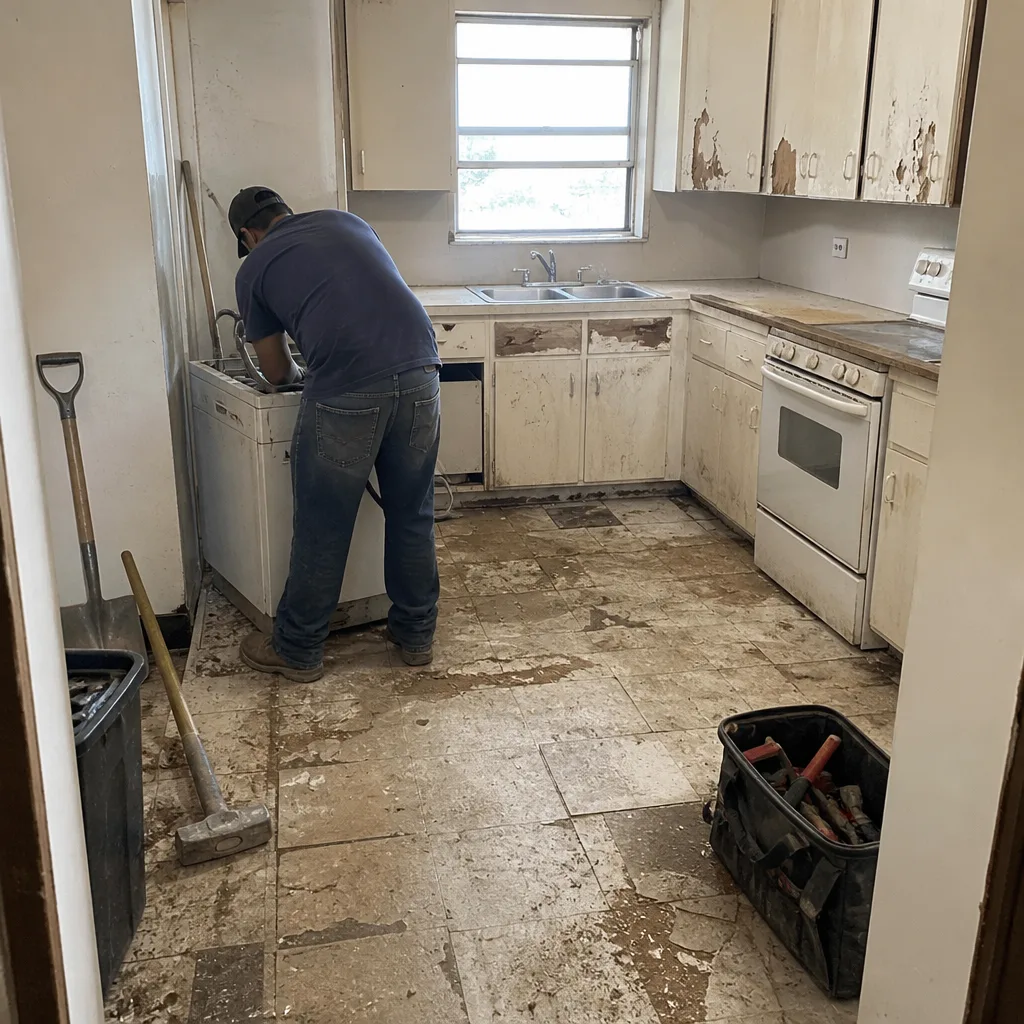 Before
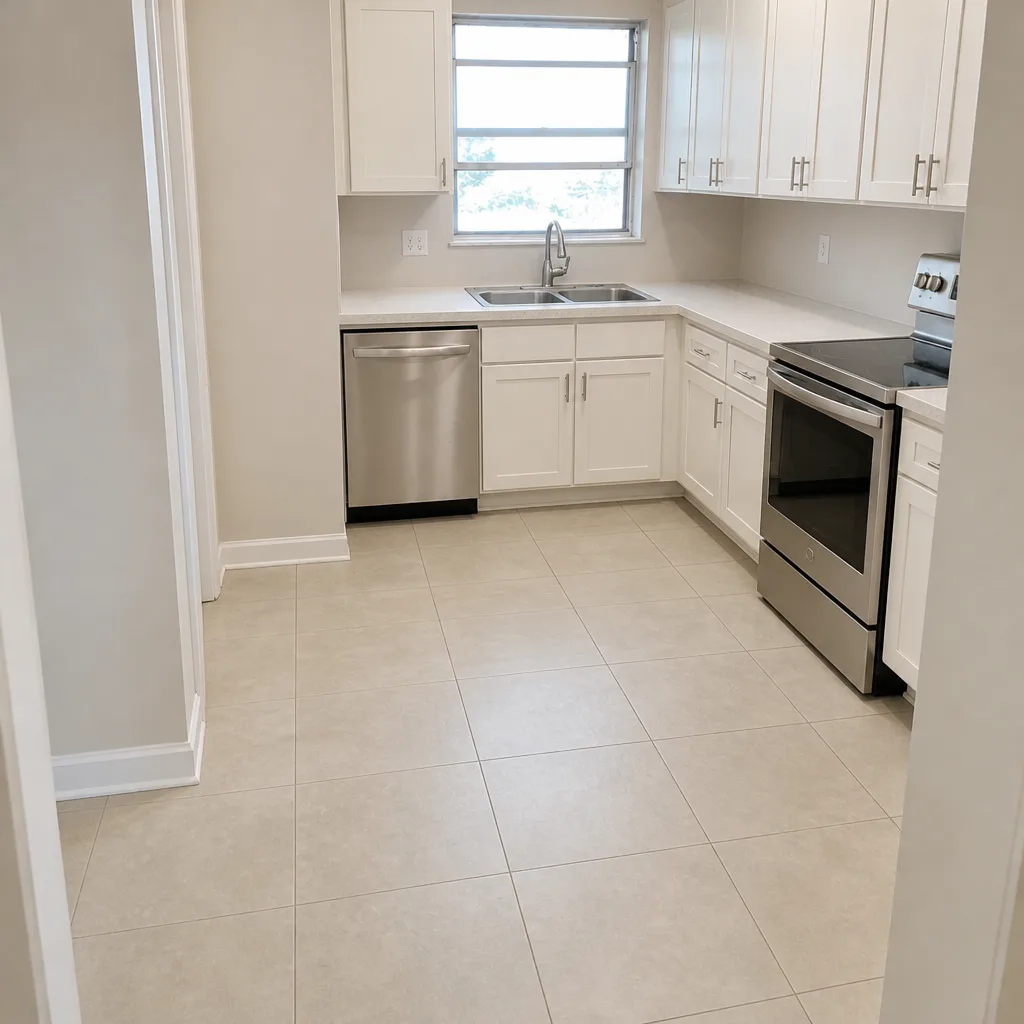 After
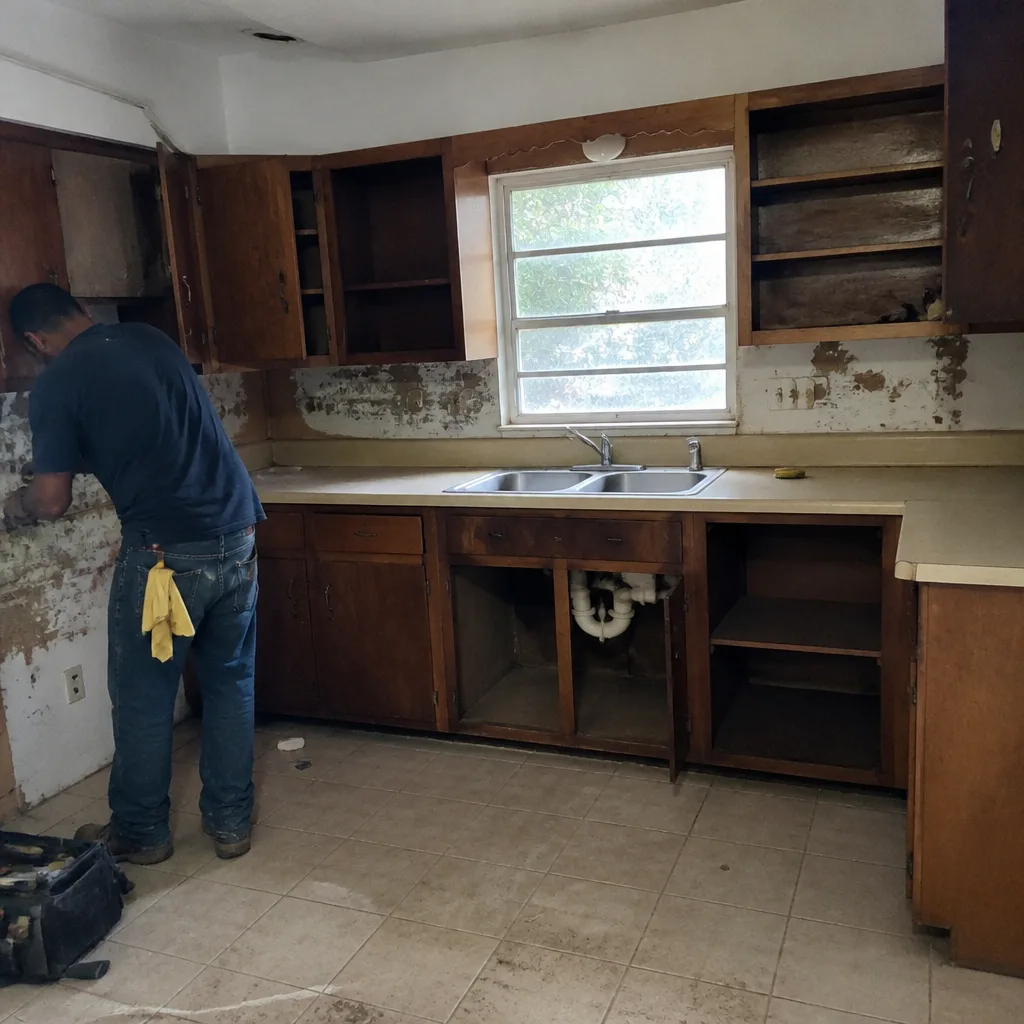 Before
 After
 Before
 After