Last updated November 18, 2026








Free written scope consultation - allowances, timeline, and change-order rules on paper before a single trade is scheduled
Construction Warning Signs: A Miami Homeowner’s Reference Guide
The contractor who ghosts you after a deposit is easy to spot in hindsight. The contractor who pulls permits late, substitutes materials without notice, and schedules inspections without telling you is harder to catch – and by the time you recognize the pattern, you may already be past the lien window. Those are the signals this guide covers. We’ve walked onto Miami job sites where the contract looked clean, the crew showed up on time, and the finish still went sideways. What went wrong lived in the paperwork and the daily habits, not in the handshake. You’ll learn how to verify inspection status yourself, read a delivery manifest against your signed specs, spot a chain-of-command breakdown in the subs, and know which site conditions predict a bad close.
Quick Answer
The most damaging construction warning signs in Miami show up after the contract is signed: permits pulled after demolition starts, inspections scheduled without your knowledge, materials swapped under vague “or equal” language, subcontractors who never show you an insurance certificate, and payment draws requested before the prior inspection is finaled. You can verify most of this yourself through Miami-Dade’s online permit portal and by demanding paperwork in writing. Catching these early is what separates a finished project from a mechanics lien.
Styles & brands we work with
- Kitchen remodeling
- Bathroom remodeling
- Home additions & ADU
- Roofing
- Windows & doors
- Driveway & pavers
- Fence
Table of Contents
- Permit and Inspection Red Flags You Can Verify Yourself
- Material Substitution Signals and What “Equivalent or Better” Actually Means
- Subcontractor Warning Signs Specific to Miami Projects
- Financial Red Flags on a Live Project
- Job-Site Conduct Signals That Predict a Problem Finish
- Documentation Checks Before You Sign Anything
- Common Mistakes to Avoid
- When to Call a Professional
Permit and Inspection Red Flags You Can Verify Yourself
A permit pulled after work begins is the first hard signal, and it’s the one most homeowners miss because the contractor assures them it’s “a formality.” In Miami-Dade, unpermitted work on structural, electrical, plumbing, or mechanical systems can force a tear-out, and it can complicate a future sale or insurance claim. The permit should be applied for before demolition, not after.
Here’s how to check the actual status on your own, in real time:
- Go to the Miami-Dade County Department of Regulatory and Economic Resources permit portal and search by your property address or the permit number on the yellow card posted at the site.
- Read the status field: “applied,” “issued,” “in inspection,” “passed,” and “finaled” are distinct stages. A permit that’s “issued” is not “inspected.”
- Check the inspection history tab. Every scheduled and completed inspection is logged with a date and result. If no inspection shows after rough-in work began, that’s a red flag.
- Compare those dates against what your contractor tells you verbally. When the story and the portal disagree, trust the portal.
“Rough-in covered before inspection” is the costly version of this problem. Rough-in means the pipes, wires, and framing are in place but the walls aren’t closed yet – inspectors need to see them exposed. If drywall goes up before the rough-in inspection passes, you’re paying for a correction. Ask for the passed inspection slip before any wall closes. When we run a general contractor project in Miami, that slip is part of the job file before the next phase starts.
Material Substitution Signals and What “Equivalent or Better” Actually Means
“Or equal” and “equivalent or better” are standard contract phrases, but they are not a license to swap at will. In Florida, a substitution that changes the product specified in your signed contract without a written change order signed by you is a contract deviation, not a courtesy. The burden is on the contractor to document the substitution and get your written acceptance before it goes in.
How to catch substitution before it’s installed: compare the delivery manifest against your contract’s specifications line by line. The manifest lists product codes and quantities. The specs list performance ratings. If a window system arrives without the impact rating your contract names, or the wrong glazing package, that’s not a delay – that’s a spec failure. In Miami, brands like ES Windows, CWS, and ECO Window Systems are common on impact-rated jobs; each carries a product label with its rating, and the label should match your paperwork.
These specifications generally cannot be swapped without a written change order:
- Impact rating (Miami-Dade NOA): Windows and doors need a Miami-Dade Notice of Acceptance or a Florida product approval. A substitute product without the matching approval fails inspection.
- Fire rating: Doors and assemblies rated for fire separation are tested as a system. A different door in a rated frame is not equivalent.
- R-value: Insulation performance for exterior walls and attics is specified for energy code compliance. A lower R-value can fail final inspection.
- Wind-load rating: Roofing and structural fasteners carry design pressures specific to coastal Miami zones. Substitutions here are inspections failures waiting to happen.
Ask for the manufacturer spec sheet on any proposed substitution before it’s installed, and ask for it in writing. On cabinets, surfaces, and fixtures we run jobs with KraftMaid and Wellborn cabinetry, Cambria and Caesarstone surfaces, and Moen and Kohler fixtures – the same principle applies: the brand and model number in the contract should match what arrives.
Subcontractor Warning Signs Specific to Miami Projects
A general contractor brings in subcontractors for electrical, plumbing, drywall, tile, and roofing. That chain is normal. What isn’t normal is a sub crew you’ve never seen on paper. If an electrician shows up and you can’t find their insurance certificate in the file the GC provided, you’re exposed: if a worker is hurt on your property, the insurance question lands on you sooner rather than later.
Three sub signals should make you slow down:
- No insurance certificate on file. Ask for the certificate of insurance naming your property before that sub starts. A serious GC keeps these in a shared file.
- Verbal-only handoffs. When the GC tells the tile sub “go ahead, the framing’s square,” and there’s no written directive, there’s no record of who owns a mistake. Written handoffs protect you.
- Sub crews who don’t talk to the GC. If the crew running your rough-in won’t speak directly with the general contractor and only communicates through a middleman, you have a chain-of-command problem. That same gap is where warranty claims later stall – nobody owns the fix.
When a warranty call comes in months after close, the first question is always who did the work and under what agreement. If the answer is “a crew we don’t have a record on,” the promise of a fix is thin. We’ve seen crews in Hialeah and Little Havana work cleanly for years with a loose handoff structure – until a tile floor lifts and nobody can say which sub laid backer board. Our bathroom remodeling projects in Miami keep a written handoff between every phase for exactly this reason.
Financial Red Flags on a Live Project
Money follows inspections in a well-run job. Your contract’s schedule of values breaks the project into phases with dollar amounts tied to milestones. When a contractor asks for the next draw before the previous phase’s inspection is finaled, the schedule has broken down.
The financial signals to watch for on a live Miami job:
- Early draws. A request for the next payment before the prior inspection is passed means you’re paying for work that hasn’t been verified.
- Pressure to pay subs directly. If the contractor asks you to write a check to an electrician or a tile setter, you’ve lost the general contract relationship. You want paid invoices routed through the GC, not around him.
- Invoices that don’t match the schedule of values. If the invoice reads “$14,000 for framing” and your contract lists framing at $9,500, that’s a conversation to have before paying.
- Cash-only demands, or requests to “keep it off the books.” These remove every paper trail you’ll need if the work fails.
An unpaid subcontractor or supplier can file a mechanics lien against your property in Florida, and the lien attaches to the property, not the contractor’s reputation. That’s why the lien window matters: notice-of-commencement paperwork and lien releases at each payment stage protect you. Ask for conditional lien releases with every draw.
Job-Site Conduct Signals That Predict a Problem Finish
The way a crew keeps the site today is the way they’ll finish the job next month. No dumpster and no defined material staging means debris piles will migrate into your landscaping and your driveway. Tools left unsecured overnight in a Miami neighborhood invite theft or damage, and you don’t want to argue over who pays for a stolen saw.
Florida law requires the permit to be posted at the jobsite, and licensed contractors are required to display their license number on contracts, permits, and advertising. If you can’t find the posted permit or a visible license number on the site board, ask. A by-the-book contractor expects the question and answers it without an excuse.
According to the Florida Department of Business and Professional Regulation, you can confirm a contractor’s license status yourself by looking up the license number in the DBPR licensing portal before the work starts. If the license number on the posted permit doesn’t match the number on your contract, that’s a stop-the-work conversation.
The conduct signals that predict a clean finish:
- Dumpster on site from day one, and material staging defined in the contract.
- Posted permit card and visible contractor license on the site board.
- Site squared at the end of every shift, not just at the end of the job.
- A daily or weekly written update from the crew lead, with photos.
- Protection for your finishes: floor coverings, plastic on doorways, and traffic paths that don’t wreck your baseboards.
Documentation Checks Before You Sign Anything
Most of the warnings in this guide can be avoided with three documents in hand before a single tool comes out. Get these and read them.
- A written scope of work: not a paragraph, but a line-by-line list of what’s included and what isn’t. “Prep for tile” means something specific, and it should be spelled out.
- A written price: a fixed number, not a range with “subject to change.” A written price before any work starts is the single best predictor of a clean job, and it’s non-negotiable for us.
- A written guarantee: what’s covered, for how long, and what happens if the work fails. Ours is the 365-Day Done Right Promise: if the work fails within the year, we come back and correct it at no charge.
These documents belong in your hand, not in a truck. When we finish a kitchen remodeling project in Miami, the close-out file includes the signed scope, the schedule of values, the passed inspection slips, the manufacturer warranty paperwork on every product, and the written guarantee.
Common Mistakes to Avoid
- Paying a draw before the inspection passes. Once money leaves your hands early, you lose the leverage to correct the work. Wait for the passed slip.
- Accepting “equivalent or better” as a verbal promise. Ask for the spec sheet and a signed change order before the product is installed, not after.
- Ignoring a sub without an insurance certificate. A crew on your property without documented coverage is your exposure. Demand the certificate before they start.
- Failing to check the permit portal after work begins. A verbal “it’s all handled” is not the same as an issued permit on the county system. Verify the status yourself.
- Skimming the schedule of values and paying the invoice anyway. Every draw should match a line item in the original contract. If it doesn’t, ask before you pay.
- Letting a verbal handoff stand. Written direction between phases is what proves who owns a problem when the warranty claim comes in. Insist on it.
- Skipping the license check. Look up the license number in the DBPR portal before work begins. It takes five minutes and it saves months.
When to Call a Professional
Some construction risks aren’t something a homeowner should manage alone. If a contractor’s work involves structural changes, electrical panel work, gas line relocation, or steep-roof access, those are safety-critical trades that belong to a licensed professional, and you shouldn’t be directing or correcting the work yourself. If you’ve spotted a permit pulled late, a substitution without a change order, or a draw request before a passed inspection, it’s worth bringing in a second set of eyes before the next payment. The cost of a written scope review is small compared to the cost of a lien correction. Bradford Remodeling Co Miami offers free estimates in Miami – call (844) 797-4435. Every project we run puts the price in writing before work starts, and every completed job carries the 365-Day Done Right Promise.
See the difference
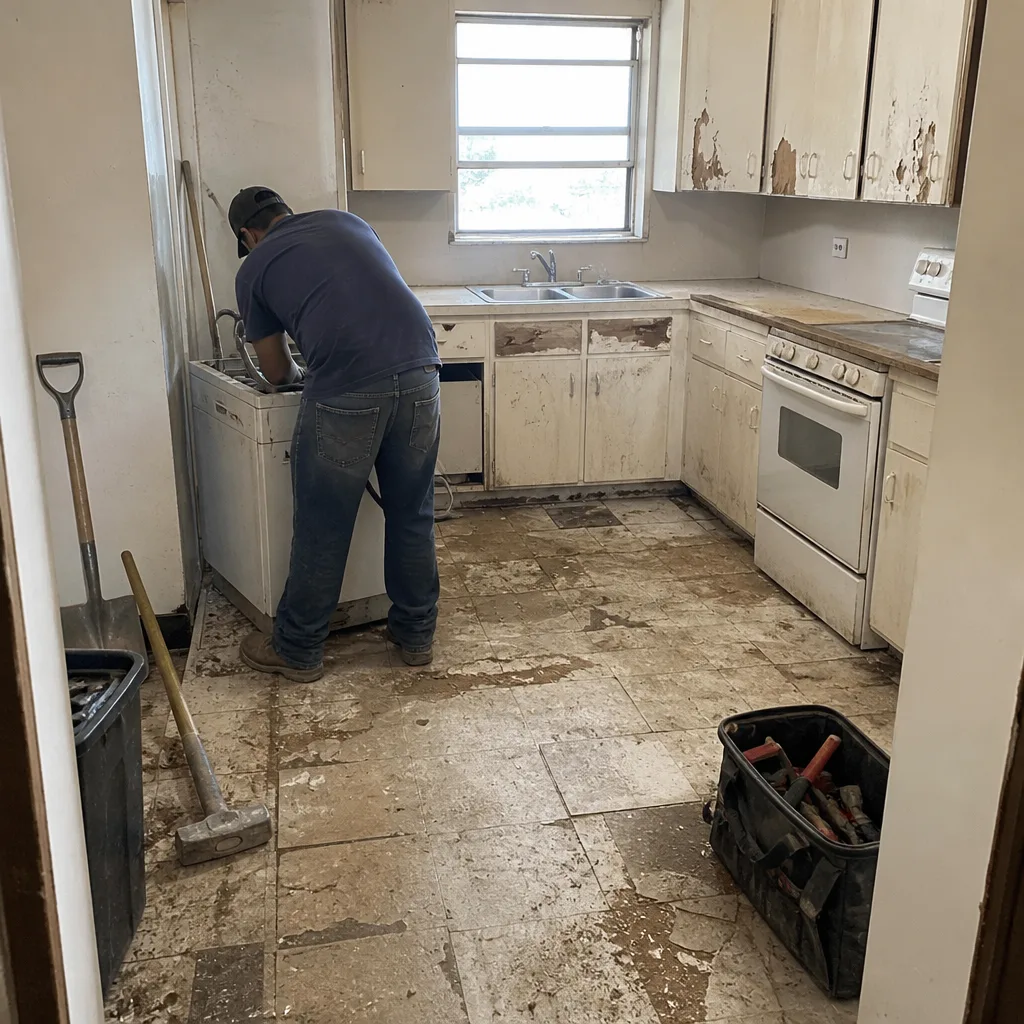 Before
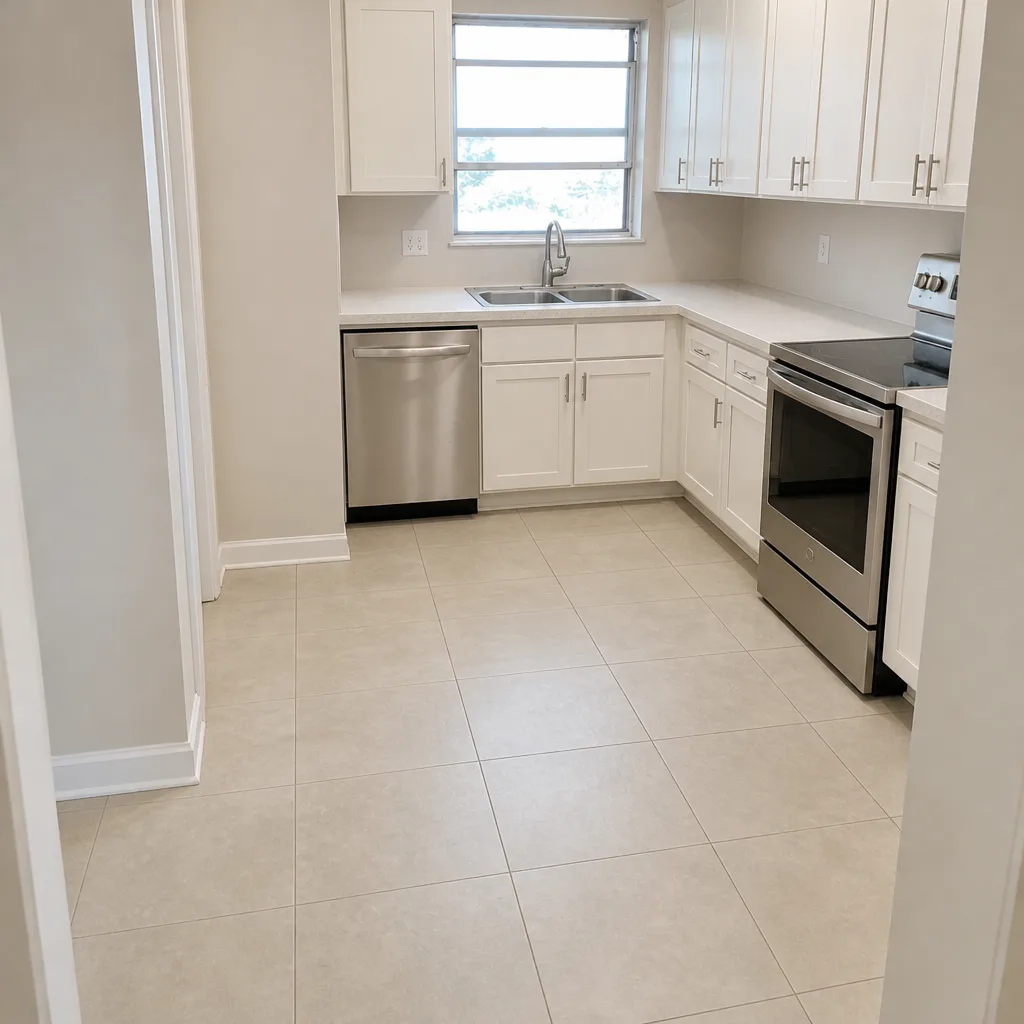 After
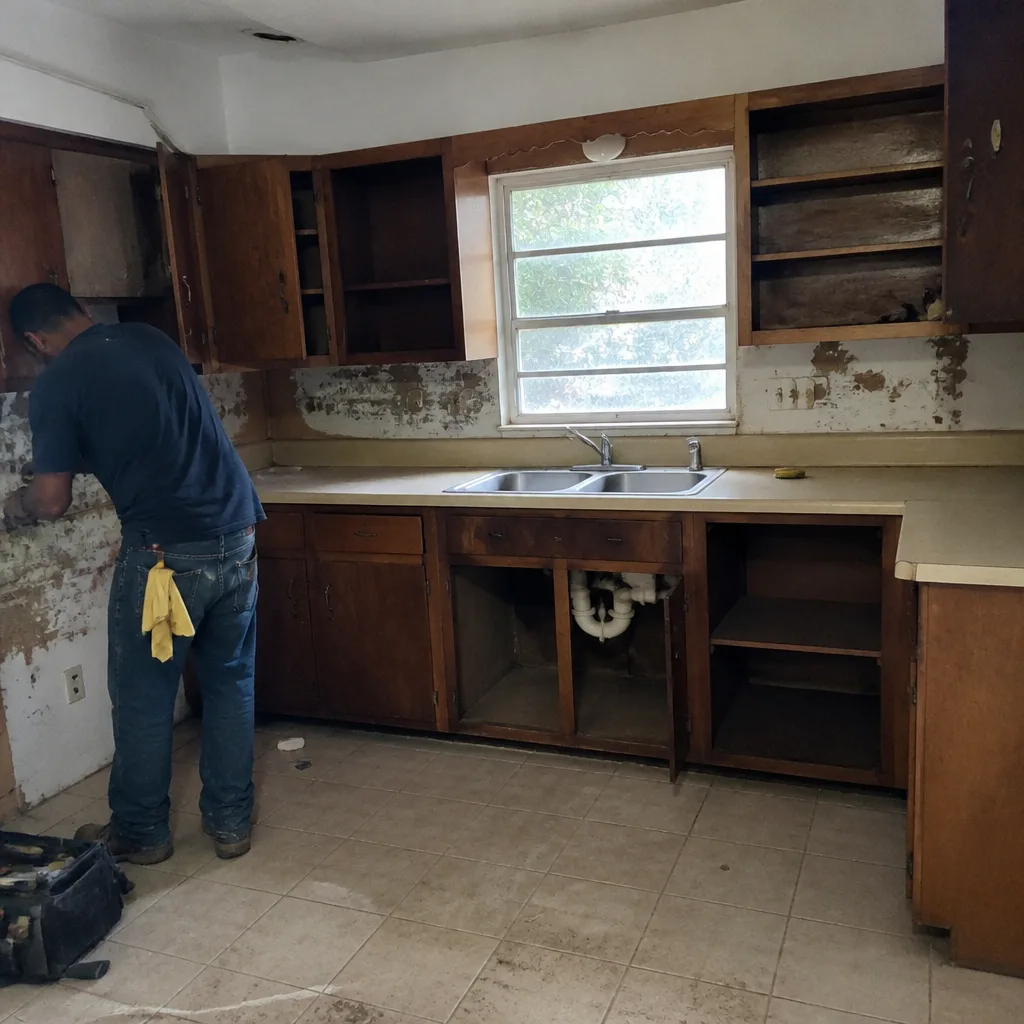 Before
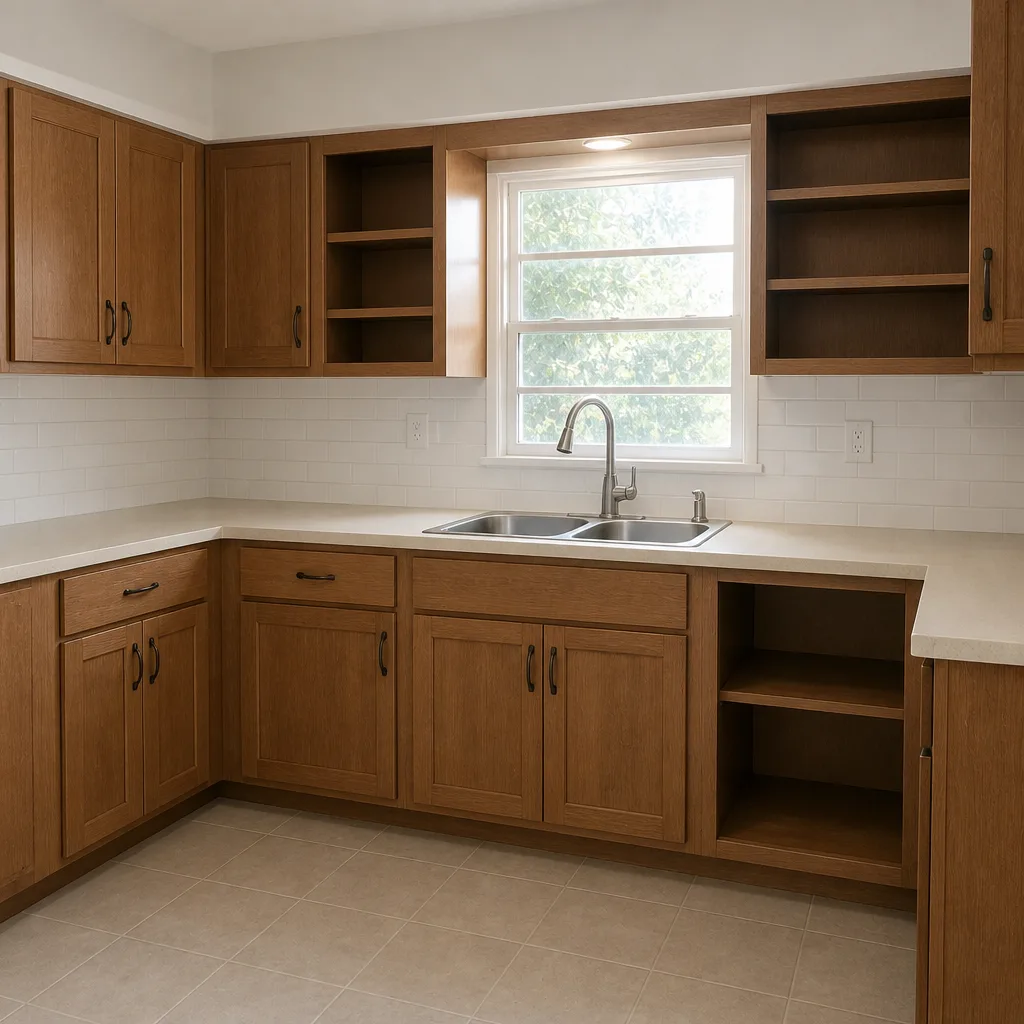 After
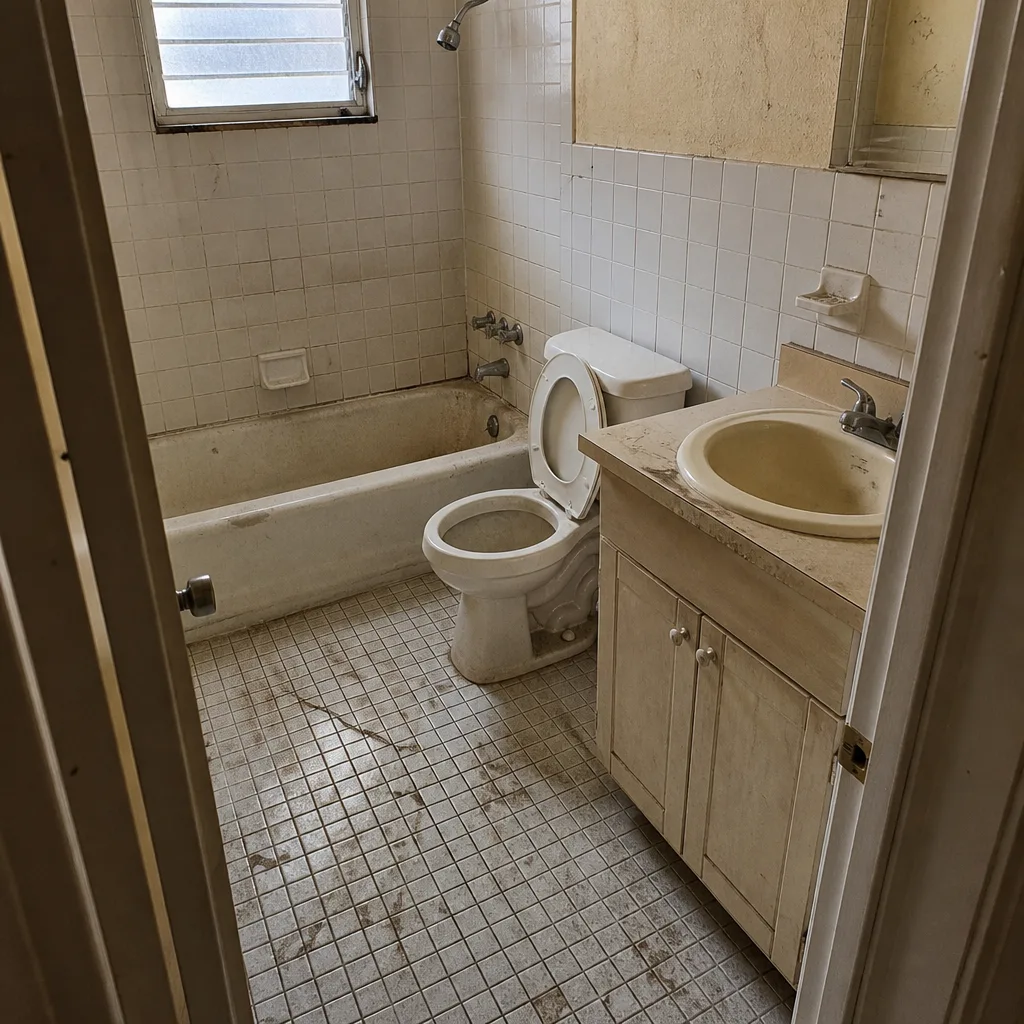 Before
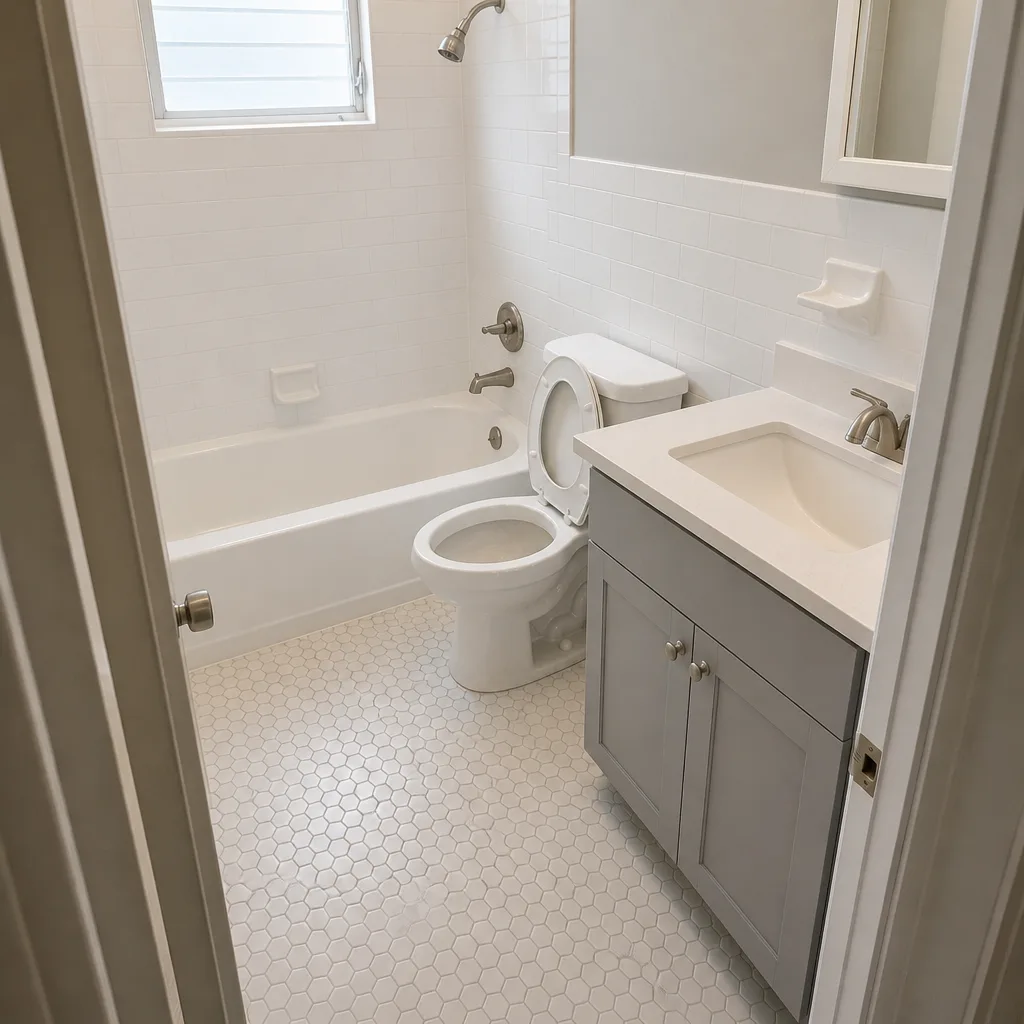 After
Frequently Asked Questions

Look up your property address or the posted permit number on the Miami-Dade County permit portal. Read the status and inspection history yourself, and compare the dates against what the contractor tells you verbally. If the portal and the story disagree, trust the portal. A live person answers our phone 24 hours a day if you have a question about a permit during your project – call (844) 797-4435.
It means the contractor must document a proposed substitute and obtain your written acceptance before the product is installed. A verbal “it’s just as good” is not a change order. Ask for the manufacturer spec sheet and a signed change order, and compare the performance rating against the specification in your original contract. Call (844) 797-4435 to talk through any substitution on your project – estimates are free.
Yes. In Florida, a subcontractor or supplier who isn’t paid can file a mechanics lien against the property where the work was performed, and the lien follows the property, not the contractor. Protect yourself by asking for conditional lien releases with each payment draw and keeping the schedule of values tied to passed inspections. A written scope and schedule of values before work starts is the first line of defense – call (844) 797-4435 for a free estimate and a written price.
Yes on both counts. Florida law requires the permit to be posted at the jobsite, and licensed contractors are required to display their license number on contracts, permits, and advertising. You can confirm the license status in the Florida DBPR portal before work begins. If the posted number doesn’t match your contract, stop and ask before the next draw goes out. Call (844) 797-4435 to talk through what should be on your site board.
A kitchen remodel typically runs four to eight weeks depending on scope; a whole-home remodel runs longer and is phased. Draws should follow inspection mileposts, not a calendar. Ask for a schedule of values in the contract that ties each dollar amount to a completed and inspected phase. A written price before any work starts is non-negotiable for us. Call (844) 797-4435 for a free estimate with a written line-item scope and schedule of values.
Stop the next payment draw and ask for the paperwork in writing: the permit status, the passed inspection slips, and the delivery manifests for anything installed. If the contractor can’t produce them, get a written scope review before authorizing any more work. We answer the phone with a live person 24/7 – call (844) 797-4435 for a free estimate or to talk through a second opinion.
Common Questions Homeowners Ask Before Signing
Will the price change once work starts?
It shouldn’t. A written price before work begins, with no numbers that move at the door, is the baseline for a disciplined contractor. The only legitimate changes come from a signed written change order for work you’ve agreed to, and only after you’ve accepted a documented substitution. Ask any contractor for the fixed written price and the schedule of values in the contract – those two documents are what protect you from surprise invoices. If our price changes, it’s because you signed a change order for something you added, and you’ll have that in writing. Call (844) 797-4435 for a free estimate with a written price.
Do you pull the permits?
Yes, and we pull them before demolition begins, not after. Permit applications, passing inspection slips, and the posted permit card are part of the project file we keep. You’ll be able to verify the status in the Miami-Dade portal yourself at any point – that’s the point of a by-the-book job. If any contractor tells you a permit is a “formality,” ask them why they can’t show you the issued permit on the county system. Call (844) 797-4435 to schedule a free estimate and a written scope review on your project.
The Bottom Line

The construction red flags that cost Miami homeowners the most almost never show up in the first meeting – they show up after the contract is signed, in the permit history, the delivery manifest, the schedule of values, and the site conduct. Verify the permit yourself in the county portal. Read the manifest against your signed specs. Ask for the insurance certificate before a sub starts. Wait for the passed inspection before the next draw. Keep the signed scope, the written price, and the written guarantee in your own hands, not in a truck. When a contractor does those things without being asked, you’ve found a by-the-book job – and that’s the job you want on your property. If you’re starting fresh, our Bradford Remodeling Co Miami home page lays out how we work, and our team is glad to walk through a free estimate and a written line-item scope.
Bradford Remodeling Co Miami is a member of the Garrison Partners family, established in 2004, and operates as an independently owned and operated business held to The Garrison Standard. Every project receives a written price before work begins, and all completed work is covered by the 365-Day Done Right Promise. We work with a documented roster of premium brands – KraftMaid, Wellborn, Cambria, Kohler, Moen, GAF, James Hardie, Therma-Tru, and others – so specifications are traceable and the quality of the finish is not left to guesswork.
Have a written estimate in hand before the first tool comes out. Call (844) 797-4435 to schedule your free estimate, and our technicians – with up to 22 years of experience on Miami projects – will walk your scope line by line.
Written by the team at Bradford Remodeling Co Miami.