Last updated November 18, 2026


Free written scope consultation - allowances, timeline, and change-order rules on paper before a single trade is scheduled
DIY vs Professional General Contractor: What’s Safe to Do Yourself
Miami-Dade code inspectors have flagged unpermitted work during routine sale inspections and required full demolition of finished rooms. Not because the work was bad. Because no permit was pulled. That single detail reshapes the entire DIY conversation. The question isn’t whether you’re handy enough to hang drywall or run a tile floor. It’s whether the work you’re doing legally requires a permit, and in Miami-Dade, the list of permitted work is longer and more strictly enforced than most homeowners realize. This guide draws the line by permit requirement, not difficulty, so you know exactly what you can handle and what will cost you at resale.
Quick Answer
In Miami-Dade, you can legally DIY cosmetic work with no permit: interior paint, flooring over existing subfloor, cabinet refacing, tile backsplash, and fixture swaps that don’t touch water lines or wiring. Anything structural, anything involving new plumbing or electrical circuits, and anything that changes a wall, roof, or the building envelope requires a pulled permit and licensed trades. Getting it wrong doesn’t just risk a fine. It risks a demolition order at resale.
Styles & brands we work with
- Kitchen remodeling
- Bathroom remodeling
- Home additions & ADU
- Roofing
- Windows & doors
- Driveway & pavers
- Fence
Table of Contents
- The Permit Line: What Triggers a Mandatory Pull in Miami-Dade
- Work That’s Legally Exempt: The Owner-Builder Reality
- The Insurance Gap: What Owner-Builder Status Actually Costs You
- How Unpermitted Work Gets Flagged and What Remediation Costs
- Tasks That Look Simple but Require Licensed Trades in Florida
- The Honest Capability Checklist: Five Safe DIY Tasks in a Miami Remodel
- Common Mistakes to Avoid
- When to Call a Professional
The Permit Line: What Triggers a Mandatory Pull in Miami-Dade
Miami-Dade County’s building code divides work into two categories: work that needs a permit and work that’s exempt. The exemption list is short and specific. The permit list touches almost everything a homeowner might want to change structurally. If you’re planning any remodel beyond surface cosmetics, you’re almost certainly in permit territory.
Here’s the scope that triggers a mandatory permit pull in Miami-Dade:
- Any wall addition, removal, or relocation (including non-load-bearing partition walls, which still require a permit)
- Any change to a window or door opening size, or new window/door installation, including impact-rated products from PGT, CGI, or ES Windows
- New electrical circuits, panel changes, or added outlets
- Any plumbing rough-in, fixture relocation, or water heater replacement
- Roof replacement or structural roof repair
- Any addition, enclosure, or change to the building footprint
- Kitchen or bathroom remodels that move a sink, range, or toilet
- Swimming pool construction or significant repair
- Any work on a structural slab, beam, or column
That last category matters in Miami specifically. Many homes built before the 1990s have slab-on-grade construction where even relocating a drain requires cutting and re-pouring concrete. The permit covers the structural inspection, and the inspection is what protects you if you ever sell. For a broader look at what a licensed general contractor handles on a full Miami project, our general contractor in Miami page walks through the scope.
The exemption list, by contrast, is narrow. Interior paint. Flooring over existing subfloor (no structural work). Cabinet refacing. Tile backsplash. Replacing a light fixture on an existing circuit. Replacing a faucet cartridge. Swapping a toilet on an existing flange. That’s roughly the extent of it.
Work That’s Legally Exempt: The Owner-Builder Reality
Florida law allows a homeowner to act as their own “owner-builder” and pull a permit without a licensed contractor, provided the property is a single-family residence they occupy and they intend to do the work themselves. That’s the legal allowance. It’s also where most homeowners get into real trouble.
What owner-builder status actually permits you to do:
- Pull a permit in your own name as the property owner and the responsible party.
- Perform the permitted work yourself, or hire licensed trades for parts of it.
- Sign the required owner-builder affidavit, which attests that you will occupy the home and will not sell it within one year of the completed work.
What it does not permit:
- Hiring unlicensed trades to do the work under your permit.
- Selling or transferring the property within 12 months without disclosure and potential penalties.
- Avoiding the inspection process. Inspectors will still come out, and failed inspections can halt the project.
- Covering work done by someone who isn’t licensed in the trade being inspected.
In our experience, the owner-builder provision exists for genuine do-it-yourselfers on small, single-family projects. It is not a shortcut around licensing. And in a market like Miami, where resale disclosure rules are strict and buyers ask questions, an owner-built permit history is visible to every future buyer. If you’re weighing a full-home project, our Bradford Remodeling Co Miami home page covers how a licensed scope is documented from permit to close.
The Insurance Gap: What Owner-Builder Status Actually Costs You
Here’s the part that never gets mentioned in the YouTube tutorials. The moment you pull an owner-builder permit, your homeowner’s insurance policy may not cover injuries or property damage arising from that work. Most standard homeowner policies carry a contractor exclusion for work performed under a permit where the owner is the general contractor. If a helper or friend gets hurt on your property while working under your owner-builder permit, your medical payments coverage and liability coverage may decline the claim.
Run through the numbers. A slip-and-fall on a wet tile floor with a broken wrist can easily cost $20,000 to $60,000 in medical and lost wages. A fall from a ladder during a soffit repair could exceed $100,000. The permitting fee on the same scope, in Miami-Dade, typically runs a few hundred to a few thousand dollars depending on scope. That fee buys you the inspection history that protects your resale, and the licensed contractor’s general liability policy stands behind the work rather than your homeowner policy.
Before you decide to act as owner-builder, call your insurance carrier and ask directly: “If I pull an owner-builder permit and a helper is injured on my property, does my liability coverage respond?” Get the answer in writing. In our experience, the answer is usually no, or the coverage carries a substantial exclusion.
How Unpermitted Work Gets Flagged and What Remediation Costs
Unpermitted work does not disappear quietly. It surfaces during a title search at sale, during a property appraiser’s inspection, during an insurance claim, or when a neighbor reports a dumpster. Miami-Dade County has a code enforcement division that actively responds to reports, and once a permit history gap exists, the new owner inherits the problem.
Here’s the sequence we see time and again:
- Title search during a sale. A buyer’s title company pulls the permit history and finds a finished bathroom or a “new” bedroom with no corresponding permit record.
- Buyer demands remediation or walks. Most buyers will either demand a price reduction or walk from the deal.
- County inspection. The county requires a permit application, a plan review, and inspection. If the work doesn’t meet code, the prior work must be brought into compliance or removed.
- Full demolition and redo. In the worst cases, finished drywall, tile, and framing get torn out so the inspector can verify the hidden structure.
The cost comparison is stark. A legal bathroom remodel with permits in Miami runs roughly $18,000 to $45,000 depending on scope. Bringing an unpermitted bathroom into compliance after the fact, including demo, inspection, and rebuild, often runs 40% to 70% higher than the original project would have cost if permitted correctly in the first place. Every dollar you save skipping the permit gets paid back at resale with interest. Our team at Bradford Remodeling Co Miami handles the permit pull, the plan review, and the inspection scheduling as part of every Miami project scope, because we’ve seen what happens when nobody does.
Tasks That Look Simple but Require Licensed Trades in Florida
Some jobs get framed online as weekend projects that a “confident homeowner” can handle. In Florida, three of them are genuinely dangerous and legally regulated.
Water heater replacement
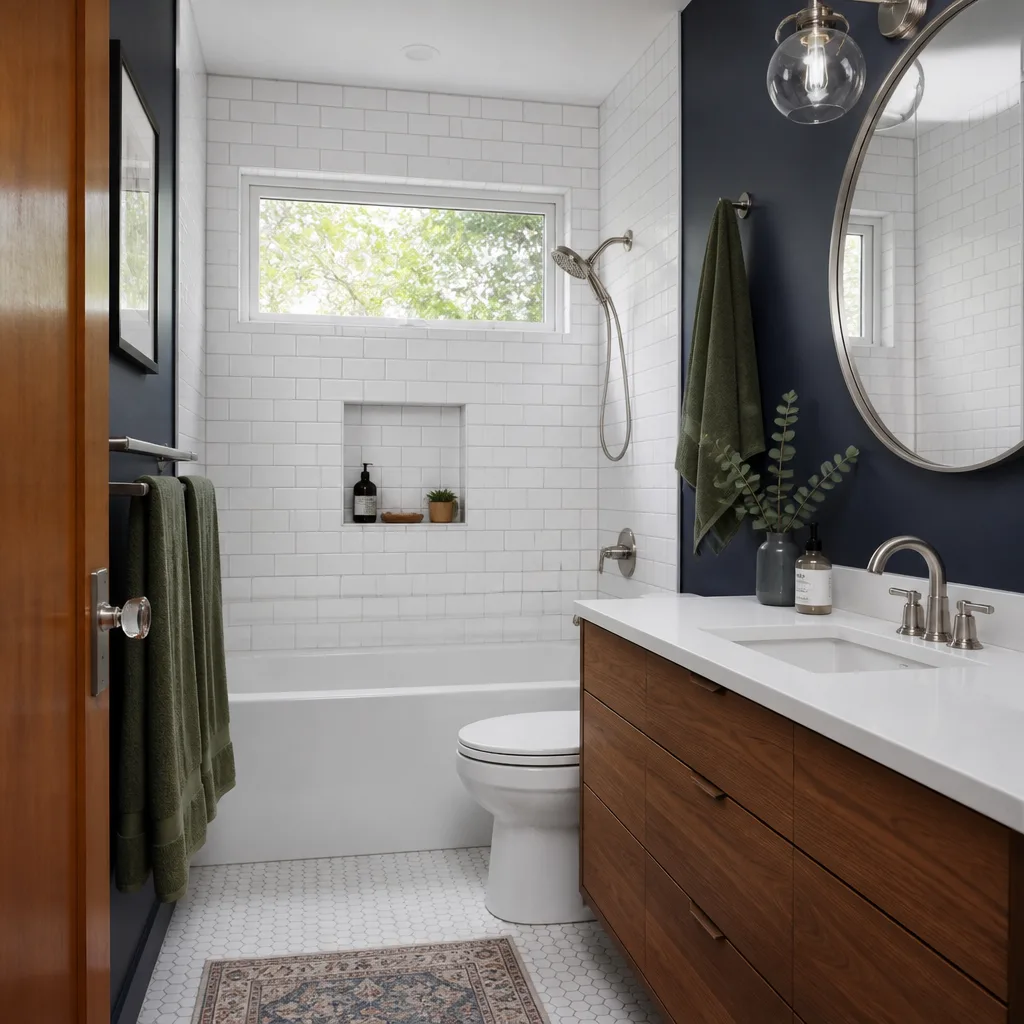
A 40-gallon electric water heater looks like a simple swap: drain, disconnect, disconnect the gas line or wire, lift, replace, reverse. But Florida requires a licensed plumber for water heater replacement, and the reason is not regulatory busywork. A tank swap involves a T&P relief valve, temperature settings, expansion tank sizing based on your home’s plumbing configuration, and for gas units, a venting safety check for carbon monoxide. A mis-vented gas water heater can fill a home with carbon monoxide overnight. That is a real risk, and it is why Florida treats this as licensed work. If you’re remodeling a bathroom and thinking about relocating a water heater, this is not a task to handle yourself. Our bathroom remodeling in Miami team handles all water heater relocations under the licensed scope.
Electrical panel work
Here is the safety caveat plainly stated: a 200-amp service panel contains enough current to kill a person, and the main disconnect is not a sufficient safety step. Arc flash from a panel failure can cause severe burns even to an experienced electrician. Panel work, circuit additions, and any service upgrade require a licensed electrician and a permit. This is not a DIY task, and no amount of instructional video makes it one.
Any structural wall modification
Most of Miami’s older homes are constructed with concrete block walls and CBS (concrete block and stucco) construction. A wall that’s “probably not load-bearing” in a wood-framed house is a different question in a CBS home with a concrete tie beam. Cutting a wall opening in a CBS structure requires an engineer’s assessment and a permit. We’ve seen homeowners frame a “non-bearing” opening in a Miami-block wall that was actually carrying roof load. That’s a demolition-and-rebuild scenario at best.
There’s a fourth category that catches people in South Florida: impact window and door installation. Even replacing an existing window with a new impact-rated unit from PGT, CGI, or CWS requires a permit for the specific installation, because the product’s notice of acceptance (NOA) must match your opening configuration and wind zone. A window that fits doesn’t automatically pass the code inspection.
The Honest Capability Checklist: Five Safe DIY Tasks in a Miami Remodel
If you’re staying in your home while a remodel runs, there are five tasks a skilled homeowner can legally and safely handle. In our experience, these are the ones that save a meaningful amount without creating a permit problem or an insurance gap.
- Interior paint on finished surfaces. Walls, ceilings, and trim in any finished room. No permit. Prep work (taping, masking, sanding) is the majority of the time, so budget two-thirds of the project hours for prep and one-third for painting.
- Flooring over existing subfloor. LVP, engineered hardwood, laminate, and tile over an existing slab or subfloor. No structural work, no subfloor modification. In Miami, moisture is the enemy, so always test slab moisture first.
- Cabinet refacing and hardware replacement. New doors and drawer fronts on existing cabinet boxes, plus new pulls and knobs. No permit, and it’s an excellent way to stretch a kitchen budget. Cabinet replacement is a different project; if you’re moving cabinet boxes or installing new ones, we walk through that scope on our kitchen remodeling in Miami page.
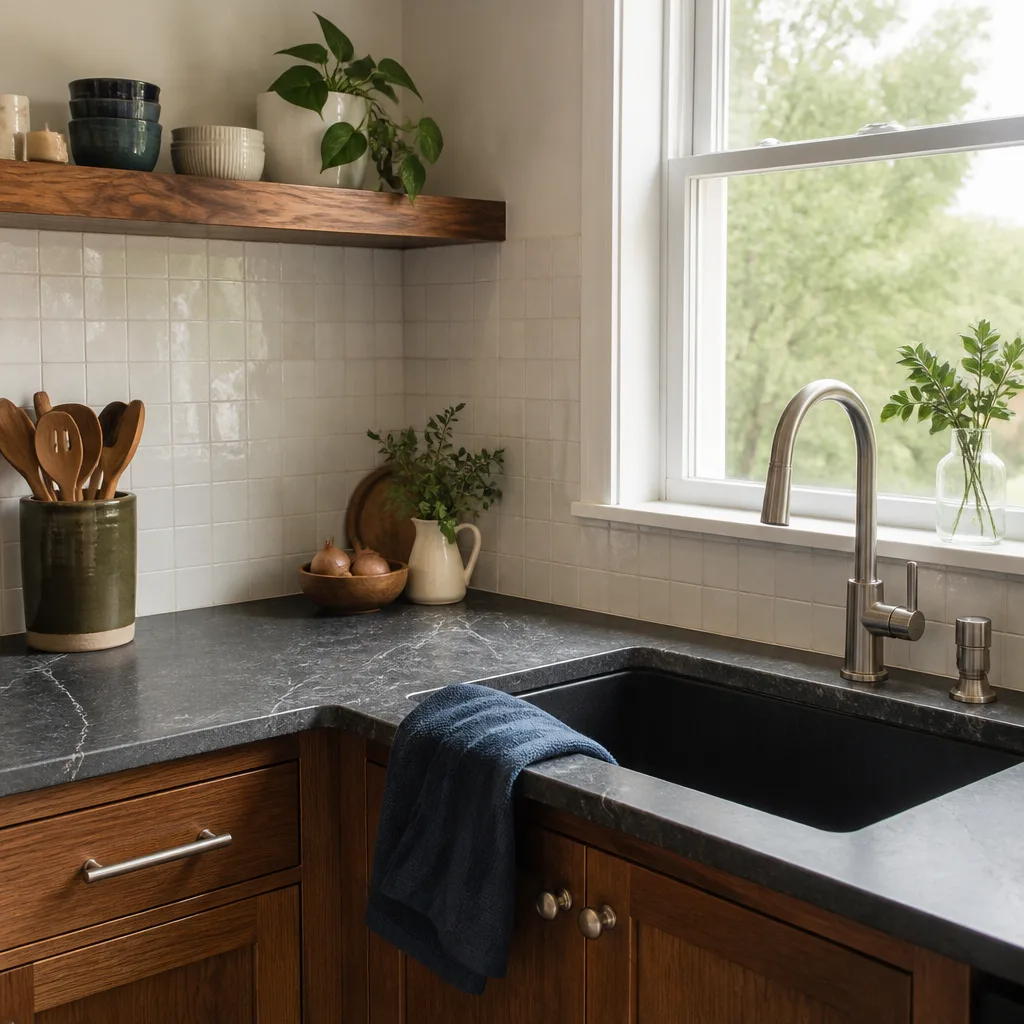
- Tile backsplash installation. A kitchen or bath backsplash that doesn’t touch electrical wiring and doesn’t move anything is a legal, permit-free task. Cutting small tile with a wet saw is genuinely doable. Just know that a Miami kitchen with lumpy 1950s-era block substrate requires substrate assessment first.
- Fixture swaps on existing connections. Faucets on existing supplies, showerheads, towel bars, lighting fixtures on existing circuits. This is also where most homeowners overestimate their capability. Replacing a faucet is genuinely easy. Replacing a supply line that wasn’t sized correctly is a leak waiting to happen.
The honest test for “can I do this?” is not “have I seen it done?” It’s: does this require a permit, does this require a licensed trade, and does this create an insurance gap if it goes wrong? If any answer is yes, it’s not a DIY task.
Common Mistakes to Avoid
- Skipping the permit because “it’s just a small change.” A window replacement in Miami is never a small change, because every window installation has to satisfy the product’s notice of acceptance for wind rating and opening configuration. Even a same-size swap requires the permit, and skipping it shows up at sale.
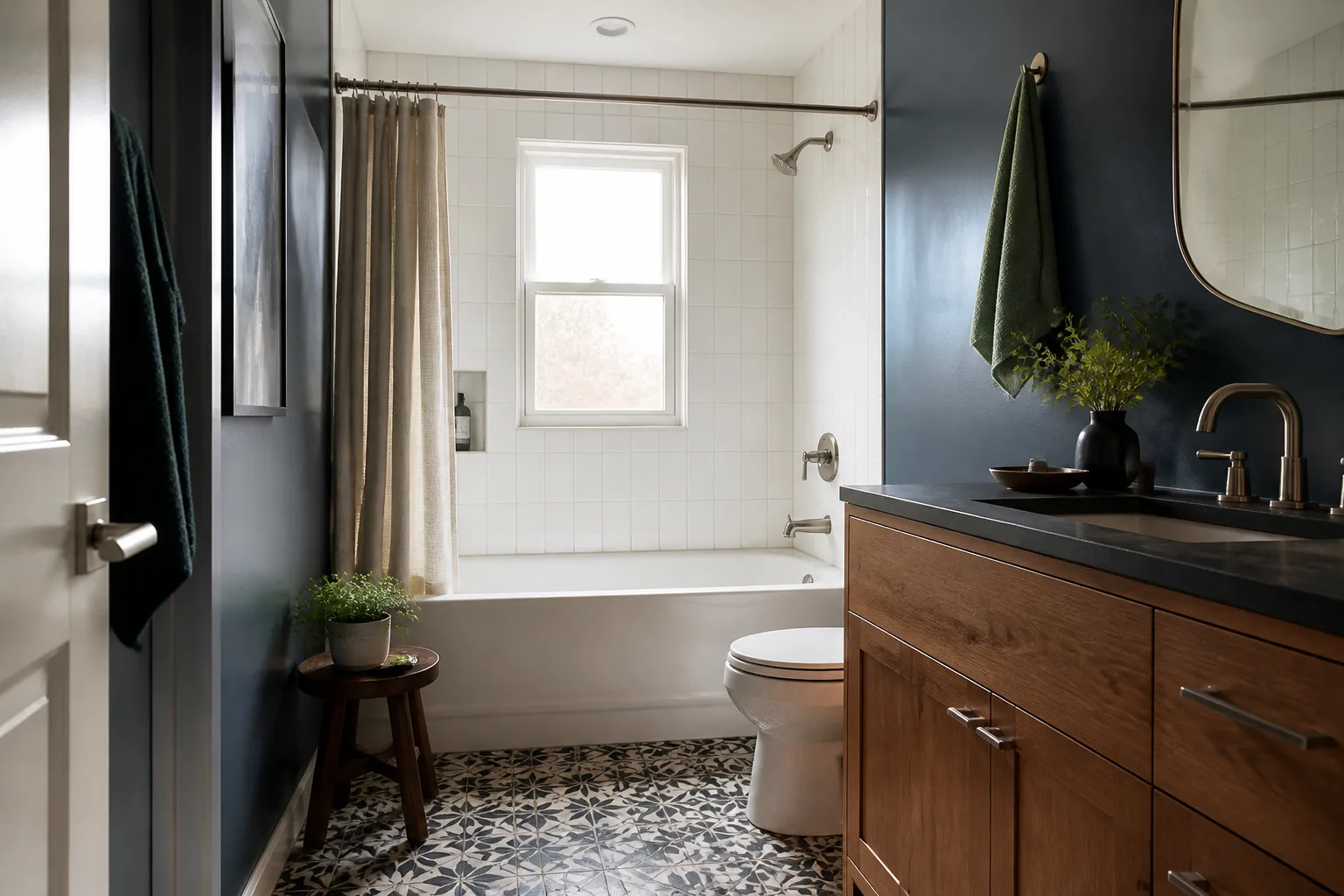
- Assuming cosmetic equals exempt. A backsplash is exempt. A tile wall that requires removing and replacing drywall in the wet zone may not be, because removing and replacing drywall in a shower area involves water-resistant substrate installation. Always ask the county permit office before you demolish.
- Pulling an owner-builder permit and hiring unlicensed helpers. The permit is in your name, which means you carry the liability for anyone working under it. If a helper gets hurt, your homeowner insurance may decline coverage for the injury under the construction exclusion.
- Buying impact windows online without confirming the NOA. Miami-Dade requires a notice of acceptance specific to the exact product and configuration. A window that fits your opening and looks the same as a neighbor’s approved product may not be code-compliant for your wind zone. PGT and CGI both publish their NOA data, but you have to match the exact model and size.
- Treating a “learned it on YouTube” skill as equal to code knowledge. The code requirements behind a permitted fix are not in the video. A homeowner can learn to set a toilet in an afternoon. Learning the code backflow requirement for a new plumbing rough-in takes longer than the job itself.
- Not testing the slab before laying flooring. Miami’s water table runs high, and slab moisture is a serious issue for homes built before vapor barriers were standard. Floors laid on damp slabs cup, mold, and fail within a year. Test first, then lay.
- Letting the permit run past the expiration date. Miami-Dade permits expire, and an expired permit with completed work behind it records as an unpermitted condition. This happens more than you’d think when homeowners start a project and stall out. Set calendar reminders for every inspection and expiration date.
When to Call a Professional
Call a licensed professional whenever the answer to “does this need a permit?” is yes, whenever the work involves plumbing rough-in, electrical circuits, or any structural element, and whenever the scope requires a licensed trade by Florida statute (water heaters, panel work, structural wall work, roof work). That covers most of what a Miami homeowner actually wants done. The remaining DIY-safe tasks are real and worth doing, but they’re a small slice of a full remodel. In our experience, the homeowner who tries to stretch DIY across a permitted scope ends up paying more for the remediation than the original licensed scope would have cost.
Bradford Remodeling Co Miami offers free estimates in Miami with a written price before any work starts. Every project we run pulls the required permits, passes final inspection, and closes with a signed written guarantee under the 365-Day Done Right Promise. Call (844) 797-4435 to schedule a free estimate. Our team answers the phone in person, any time, and we’ll walk you through the scope before a single number gets discussed. Every technician who walks through your door is background-checked and uniformed, and we work from a documented roster of name-brand materials so specifications stay traceable from quote to final inspection.
See the difference
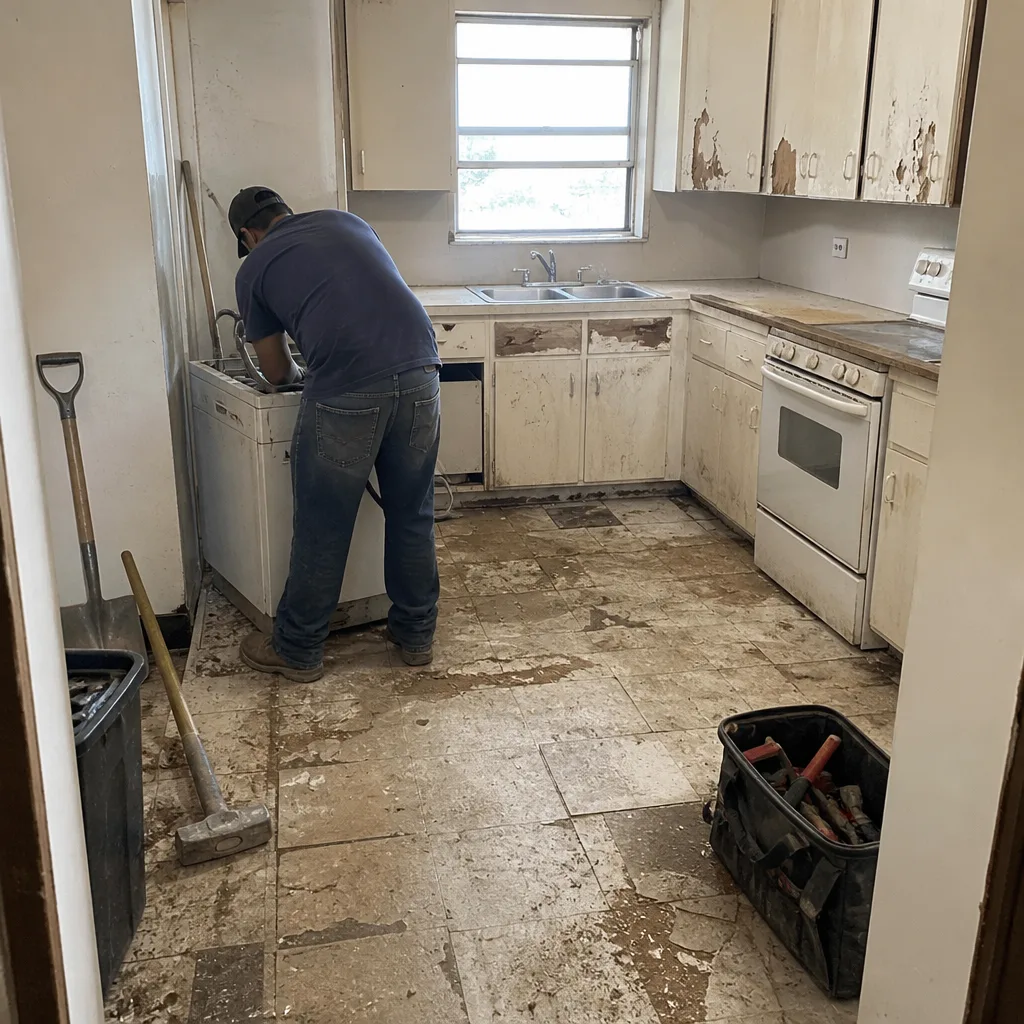 Before
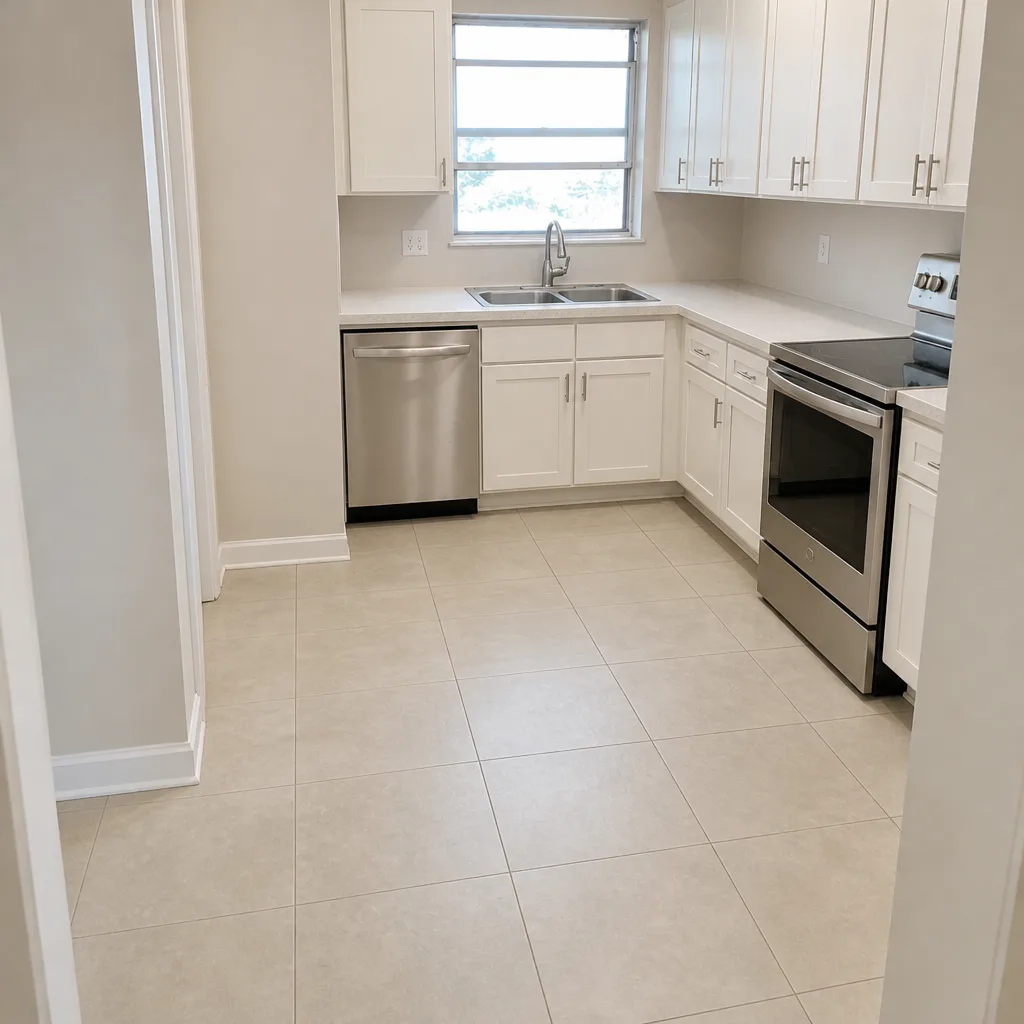 After
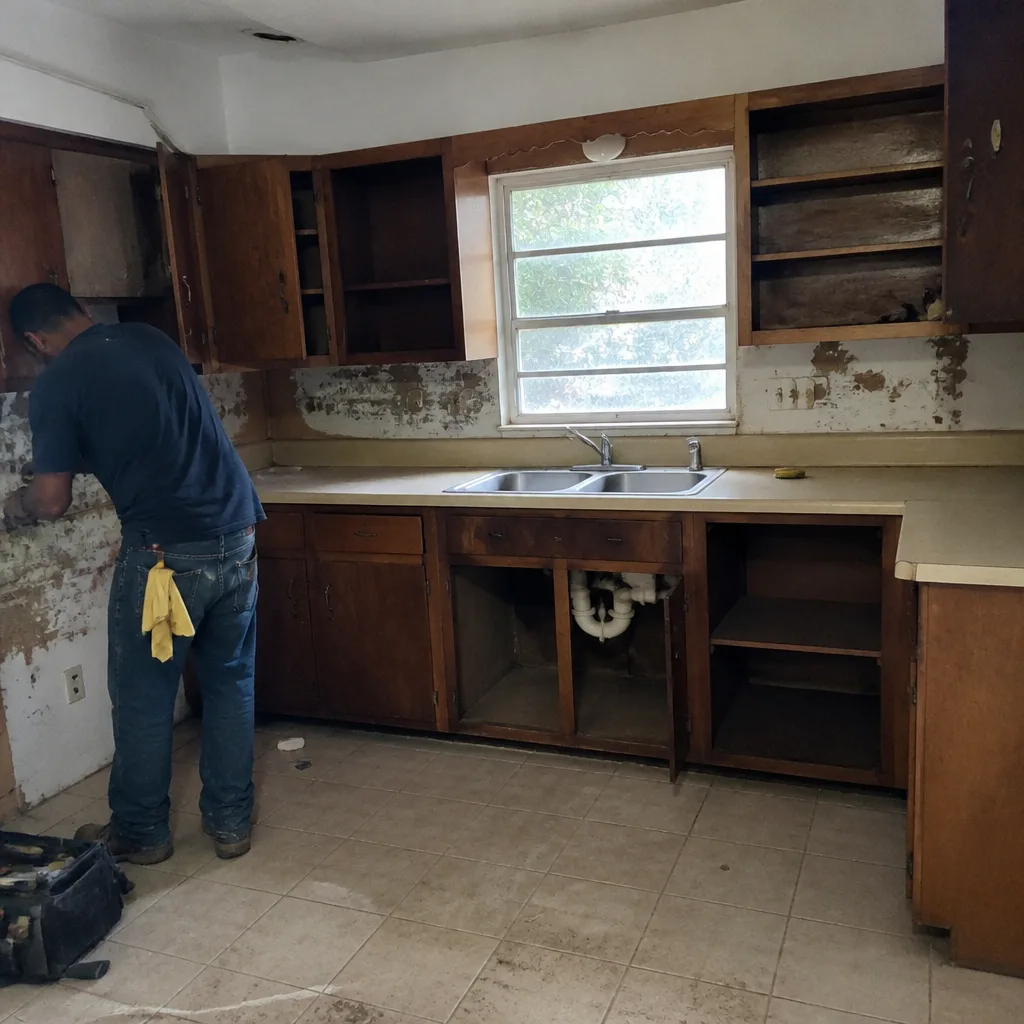 Before
 After
 Before
 After
Frequently Asked Questions
In Miami-Dade, no-permit work is limited to interior paint, flooring installed over existing subfloor without structural modification, cabinet refacing, tile backsplash on existing substrate, and fixture swaps on existing connections (light fixtures on existing circuits, faucets on existing supply lines, toilet replacements on existing flanges). Anything structural, anything that modifies plumbing or electrical circuits, and anything that changes the building envelope requires a permit. Call (844) 797-4435 for an exact quote on permitted scope. Estimates are free.
Owner-builder status allows a homeowner who occupies a single-family residence to pull a permit in their own name and perform the work themselves, as long as they affirm residency and don’t sell within 12 months. It is not designed for a full remodel with subcontractors, because hiring unlicensed trades under your owner-builder permit voids the protection the permit is meant to provide. For a full Miami remodel, use a licensed general contractor. Call (844) 797-4435 for a free estimate.
No. Florida requires a licensed plumber for water heater replacement, and the reason is safety: T&P relief valve sizing, expansion tank configuration, and gas venting all carry real risk of carbon monoxide exposure or tank failure. An electric shock or gas leak from a DIY install has caused hospitalizations and worse. Call (844) 797-4435 for an exact quote on a licensed water heater replacement. Estimates are free.
Remediation of unpermitted work typically costs 40% to 70% more than the original project would have cost if permitted correctly, because it involves demolition of finished surfaces, a fresh permit application, plan review, inspection, and rebuild. In the worst case, the county requires full demolition of the finished work to verify hidden conditions. Get a free estimate on a properly permitted scope by calling (844) 797-4435.
A permitted bathroom remodel in Miami typically runs $18,000 to $45,000 depending on fixtures, tile, and whether plumbing or electrical rough-in moves. The permit fee itself is a small fraction of that total, usually a few hundred to a few thousand dollars. Renovating without a permit costs more at resale. Call (844) 797-4435 for a written, line-item estimate before any work begins. Estimates are free.
Not with Bradford Remodeling Co Miami. Every price is written before work starts, and we don’t reprice at the door. If scope changes mid-project because of a condition we find behind the wall (a known issue in older Miami homes with CBS construction), we put the revised scope and revised price in writing before we touch anything. Call (844) 797-4435 to schedule a free estimate. Estimates are free.
The Bottom Line
In Miami, the DIY line is drawn by permit requirement, not by difficulty. Cosmetic work is yours to handle, and there are real savings in it if you don’t touch structure, plumbing, or electrical. Everything else, including water heater swaps, panel work, and any wall modification in a CBS-built Miami home, requires a licensed trade and a pulled permit. The math is simple: a permitted project costs what it costs, and remediation of unpermitted work costs more, usually at the worst possible moment. Every Bradford Remodeling Co Miami project pulls permits, passes final inspection, and closes with a written guarantee under the 365-Day Done Right Promise. Call (844) 797-4435 for a free estimate and get your scope squared away in writing before any tool comes out.
Written by the team at Bradford Remodeling Co Miami.