Last updated November 18, 2026






Free written scope consultation - allowances, timeline, and change-order rules on paper before a single trade is scheduled
Home Remodeling Maintenance Schedule: What to Do and When
Most maintenance schedules were written for temperate climates, and Miami homeowners who follow them are shortening the life of their finishes and, in some cases, voiding the warranty on work they already paid for. Salt air, humidity that stays above 80% for months, and hurricane-season stress cycles push caulk, grout, and exterior paint to fail two to three times faster here than the national advice assumes. A kitchen remodel that would last 20 years in Phoenix might see its caulk joints open inside a single Miami summer. This guide gives you a schedule built for Miami’s actual weather and Miami-Dade code, with the warranty-sensitive items flagged so you know which tasks protect your finished work and which ones protect your guarantee.
Quick Answer
A home remodeling maintenance schedule in Miami should follow a seasonal rhythm: pre-hurricane-season prep in May, post-storm inspection in November, dry-season caulking in January, and quarterly checks on every seal, grout line, and drain. Interior tasks like caulk, grout, and paint touch-ups are homeowner-doable. Structural, electrical, plumbing, and roof tasks that keep your home code-compliant require a licensed contractor, and most post-remodel warranties depend on documented checks on a set schedule.
Styles & brands we work with
- Kitchen remodeling
- Bathroom remodeling
- Home additions & ADU
- Roofing
- Windows & doors
- Driveway & pavers
- Fence
Table of Contents
- Why Miami’s Climate Breaks Standard Maintenance Schedules
- The Tasks That Protect Your Warranty (Not Just the Finish)
- Homeowner Tasks vs. Licensed-Contractor Tasks Under Miami-Dade Code
- Your Miami Seasonal Maintenance Calendar
- Room-by-Room Checklist After a Remodel
- Exterior Maintenance That Survives Salt Air
- How to Document Maintenance for a Warranty Claim
Why Miami’s Climate Breaks Standard Maintenance Schedules
The national advice most homeowners find online assumes four moderate seasons and low humidity. Miami has two real seasons: a wet one running roughly June through October and a dry one running November through April. That split, combined with salt-laden air off Biscayne Bay and the Atlantic, changes how materials age. In our experience working across Miami, we see sealant joints fail here in 12 to 18 months that would hold four or five years inland.
Here’s what accelerates faster in Miami’s climate:
- Caulk joints around windows, sinks, tubs, and counters: ultraviolet light and constant humidity cause the bead to shrink and crack. Expect to re-caulk every 18 to 24 months, not the 5 years many national guides suggest.
- Grout in showers and kitchen backsplashes: near-daily humidity cycling breaks down penetrating sealers. In Miami, re-seal grout every 6 to 9 months, not annually.
- Exterior paint: salt air oxidizes finish and humidity slows cure times, so paint chalks and fades faster on homes near the coast. Plan on repainting or touching up every 4 to 6 years, not 8 to 10.
- Wood and composite trim: even well-sealed trim takes on moisture. Inspect every fall and after each named storm.
- Metal hardware: brass and steel fixtures in coastal neighborhoods pit faster. Wipe down and check every quarter.
If your remodel used premium brands like Belgard hardscaping or James Hardie siding, that doesn’t make the materials maintenance-free. It means the manufacturer backs a longer life if you maintain them correctly, and the written warranty often asks you to prove it.
The Tasks That Protect Your Warranty (Not Just the Finish)
Not every maintenance task is cosmetic. Some are tied directly to whether your contractor will fix something later at no charge. This is the distinction most homeowners miss, and it’s where a generic schedule can cost you real money.
At Bradford Remodeling Co Miami, every completed project carries the 365-Day Done Right Promise: a full-year written guarantee, and if the work fails inside that window, we come back and correct it at no charge. That guarantee, like most contractor guarantees, assumes the homeowner performs the basic maintenance specified at job close. If a shower pan leaks because the grout was never sealed for 14 months, the claim may get complicated. If the caulk around a window dries out and water gets behind the frame, the same thing happens.
Flag these as warranty-sensitive in your schedule:
- Seal all wet-area grout and caulk on the interval written in your close-out documents (usually every 6 to 12 months in Miami).
- Clear and inspect all drains and shower pans every quarter.
- Check cabinet hardware and door alignment every 6 months. Sagging doors strain hinges and pull screws, which becomes a structural issue later.
- Inspect exterior caulks and flashing after every named storm and once in spring.
- Record dates and photos of every maintenance check. A written paper trail is what turns a warranty conversation into a free repair.
When your project closes, ask for the maintenance addendum in writing. A contractor who’s running on discipline hands it to you without being asked. That’s the standard Bradford Remodeling Co Miami home is built on, and it’s what The Garrison Standard means in practice: the guarantee is only as strong as the maintenance instructions attached to it.
Homeowner Tasks vs. Licensed-Contractor Tasks Under Miami-Dade Code
Miami-Dade enforces some of the strictest building and product-approval rules in the country, largely because of hurricane risk. That has a direct effect on what you can legally do yourself and what has to be done by a licensed professional to stay compliant.
Here’s the dividing line most homeowners want:
Homeowner-doable maintenance
- Re-caulking sinks, tubs, and countertop seams
- Re-sealing grout in showers and backsplashes
- Touch-up painting on interior walls and trim
- Cleaning gutters and checking downspouts
- Wiping and inspecting hardware, hinges, and seals
- Photographing and logging conditions for your records
Tasks that need a licensed contractor
- Any repair to plumbing rough-in, supply lines, or fixtures behind a wall
- Electrical work of any kind, including outlet swaps and panel work
- Roofing repairs, flashing replacement, or any penetration of the roof envelope
- Window or door replacement in wind-borne debris regions, which requires products with the proper product approval and a permit
- Structural work, including any modification to framing, headers, or load paths
- Hurricane shutter and impact-window attachment systems
The line matters. Do the homeowner tasks yourself and document them. For anything on the contractor list, call a licensed professional, because an unpermitted repair on a load path or envelope can fail an inspection and void insurance coverage during the next storm.
Your Miami Seasonal Maintenance Calendar
Miami’s real calendar runs on hurricane season, June 1 through November 30, not on the four temperate seasons. Build your schedule around those boundaries and you’ll front-load the tasks that protect your home before stress hits and catch damage before it spreads afterward.
May: Pre-hurricane-season prep
- Inspect every window and door seal, interior and exterior. Re-caulk anything cracked or separating.
- Check and clear gutters, downspouts, and roof drains. Standing water before a storm becomes interior damage during one.
- Test hurricane shutters, impact-window hardware, and garage-door seals. Verify track alignment and latches operate smoothly.
- Photograph the exterior of the home, including the roof and any recently installed siding or trim.
- Confirm your written scope and warranty documents are filed and accessible.
June through November: storm-season monitoring
- After any named storm, do a walk-through of all recently remodeled spaces. Check for water intrusion at windows, doors, and roof penetrations.
- Look for new cracks in interior drywall or ceiling seams, which can signal envelope movement.
- Re-seal any grout or caulk that shifted. Don’t wait for the dry season if a wet-area joint opens.
November: Post-storm inspection
This is your most important check of the year. Walk the exterior and interior methodically. Look at fascia, soffit, and trim. Test every window and door for smooth operation. Check for moisture in cabinets and vanities. Photograph anything that looks off, including the date, and add it to your maintenance log. If a repair is needed and the work is covered under your guarantee, that log is your evidence.
January: Dry-season caulking and sealing
Miami’s dry months are the right window for re-caulking and re-sealing because cure times actually hold. Schedule caulk joints, grout sealing, and exterior paint touch-ups during this season. Caulking in the middle of a rainy August week is a job that fails fast.
April: Spring walk-through
Do a final pass before storm season to catch anything the winter revealed. Check all plumbing under sinks and behind toilets. Test GFCI outlets and smoke detectors. Confirm the exterior paint is holding without chalking or fading.
Room-by-Room Checklist After a Remodel
Here’s what to check in each finished space on a rolling schedule. These are the tasks that matter most in a Miami home, and they’re the ones we go over with every homeowner at project close.
Kitchen
- Re-seal the backsplash grout twice a year.
- Caulk the sink perimeter and any countertop seams every 18 to 24 months, sooner if you see separation.
- Check cabinet door alignment and tighten hinges every 6 months. If you used KraftMaid or Wellborn cabinetry, those hinges and drawer slides are built to last and will last longer with normal adjustment.
- Inspect the exhaust fan and clean the filter quarterly, which prevents moisture and grease buildup in a humid climate.
- If you remodeled a kitchen in Miami with quartz or stone surfaces, wipe them down and avoid standing water at the seams; that’s where kitchen remodeling in Miami fails first when maintenance lapses.
Bathroom
- Re-seal grout in showers every 6 to 9 months in Miami.
- Re-caulk the tub and shower perimeter every 18 to 24 months.
- Check the shower pan and drain every quarter for slow drainage or movement.
- Test the exhaust fan monthly and make sure it vents outside the envelope.
- Look at the walls near tubs and showers for any paint blistering or bubbling, which is the first sign of moisture behind the wall. Bathroom remodeling in Miami is one of the highest-value lessons in this guide: you can spend five figures on a beautiful bathroom and lose it to a $4 tube of caulk you never replaced. Learn more on the bathroom remodeling in Miami page.
Whole-home and additions
- Walk the perimeter of every room you added or remodeled at the start of each season.
- Check all interior door hardware and thresholds.
- Inspect the roof and attic ventilation once a year. Heat and humidity build up in attics and shorten the life of everything below.
- Check exterior soffits and fascia after any windy event.
If you’re planning a larger project, the general contractor in Miami page covers how scope and schedules are documented so your close-out instructions are clear.
Exterior Maintenance That Survives Salt Air
Salt air is the biggest variable in Miami exterior maintenance, and neighborhoods closer to Biscayne Bay and the Atlantic see it fastest. Coastal homes need more frequent checking than inland properties, so build that into your calendar.
The exterior tasks that matter most:
- Roof and flashing: inspect in May and again in November. Any lifted shingle, cracked pipe boot, or separated flashing is a leak waiting for the next storm. GAF shingles perform well, but no shingle survives a missed inspection.
- Siding and trim: check James Hardie siding for chalking or surface damage every spring. Touch up any cracks in the paint film.
- Caulk and sealant: re-caulk around windows and doors every 18 to 24 months. This is a dry-season task.
- Doors: check weather stripping on every entry door. Therma-Tru doors hold up well when the seals are intact, but a failed seal lets humid air in and wood-core assemblies will feel it.
- Patio and driveway: Belgard pavers can shift or settle after heavy rain. Re-sand the joints annually and check for movement after each storm.
- Fences and gates: if you have a vinyl fence, check post setting and gate hinges each season.
Any repair that involves the roof envelope or structural attachment should go to a licensed contractor, not to a weekend checklist. Reaching that work with proper safety and attachment matters in Miami-Dade, where inspections on wind-uplift rating are part of the deal.
How to Document Maintenance for a Warranty Claim
When a warranty claim comes up, the deciding factor is usually not the disagreement but the paperwork. A homeowner with dates, photos, and receipts wins far more claims than a homeowner who did everything right but never wrote it down. Here’s how to build that paper trail.
- Keep a simple maintenance log. A notebook or phone note works. Date, task, who did it, and a couple of photos. File it with your close-out documents.
- Photograph before and after every caulking or sealing task. Date-stamped photos are stronger than memory.
- Keep receipts for any sealant, grout, paint, or professional service. Manufacturer documentation often supports a material warranty claim.
- Note any professional maintenance, including the date and the scope, in the same log.
- Report issues promptly. If you spot a leak or separation, report it as soon as you find it rather than at the end of the year. A written record of a prompt report is what lets a contractor stand behind their guarantee.
If you have Bradford’s 365-Day Done Right Promise on a project, this log is exactly what makes the free return visit straightforward. We ask for the record, we confirm the maintenance was done as scheduled, and if the work itself failed inside the guarantee period, we correct it at no charge. The maintenance log is the insurance you build with a few minutes every season.
Common Mistakes to Avoid
- Following a temperate-climate schedule. Re-caulking every 5 years is fine in Ohio and too slow in Miami. Trust intervals built for humidity, not for a blog written in another state.
- Skipping wet-area sealing. Grout sealed once and left alone for two years is how a shower pan leaks. In Miami, seal every 6 to 9 months without exception.
- Caulking during the wet season. Caulk applied in heavy humidity may never cure fully and will peel inside a few months. Do sealant work in the dry months.
- Not keeping the log. A warranty claim on a shower that leaked without a single recorded maintenance date is a hard conversation. A log turns it into an easy one.
- Doing contractor-scope repairs yourself. Replacing a wind-rated window without the permit and product approval is not a DIY win in Miami-Dade, it’s an insurance problem.
- Ignoring small cracks after a storm. A hairline crack in drywall after a named storm can mean envelope movement. Check it, photograph it, and get it looked at.
- Assuming a premium brand means maintenance-free. KraftMaid cabinets and Cambria surfaces are specified for a reason, and they still need normal maintenance to hold their guarantee.
See the difference
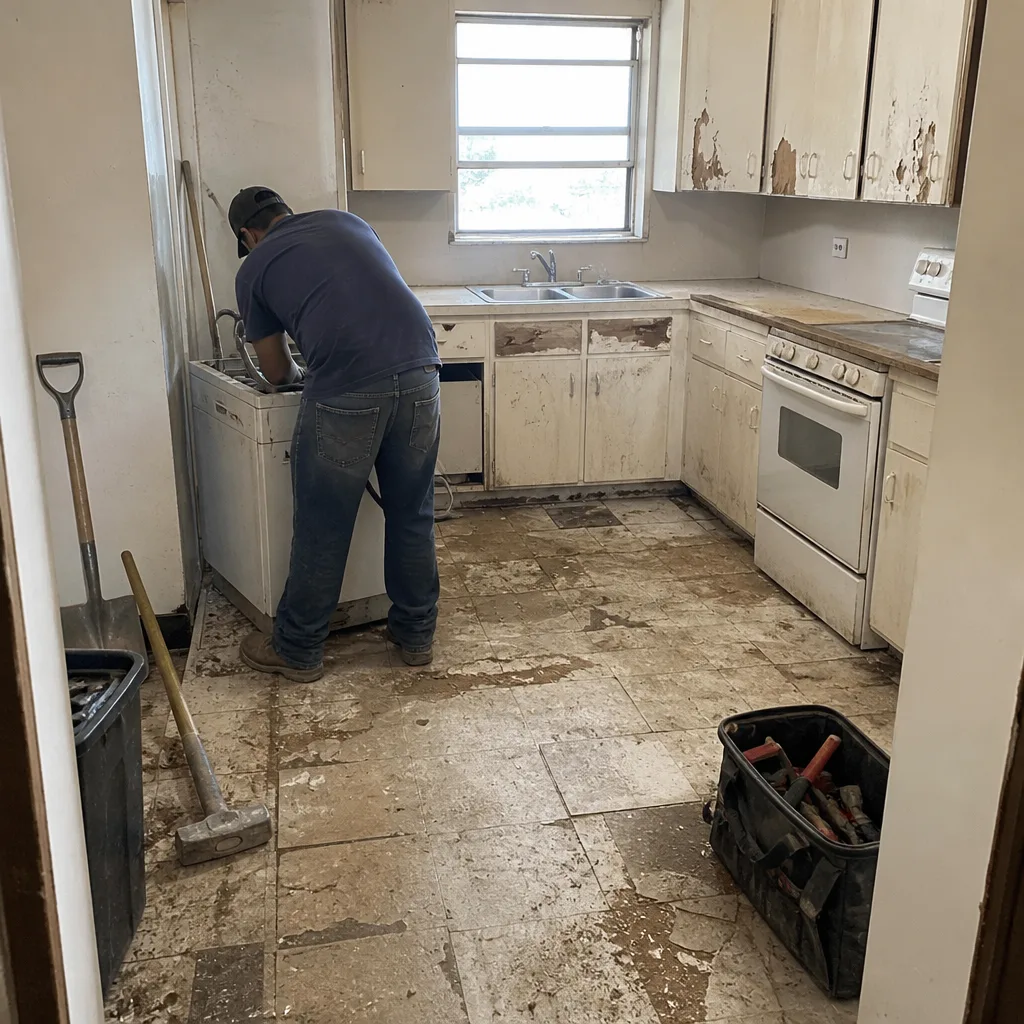 Before
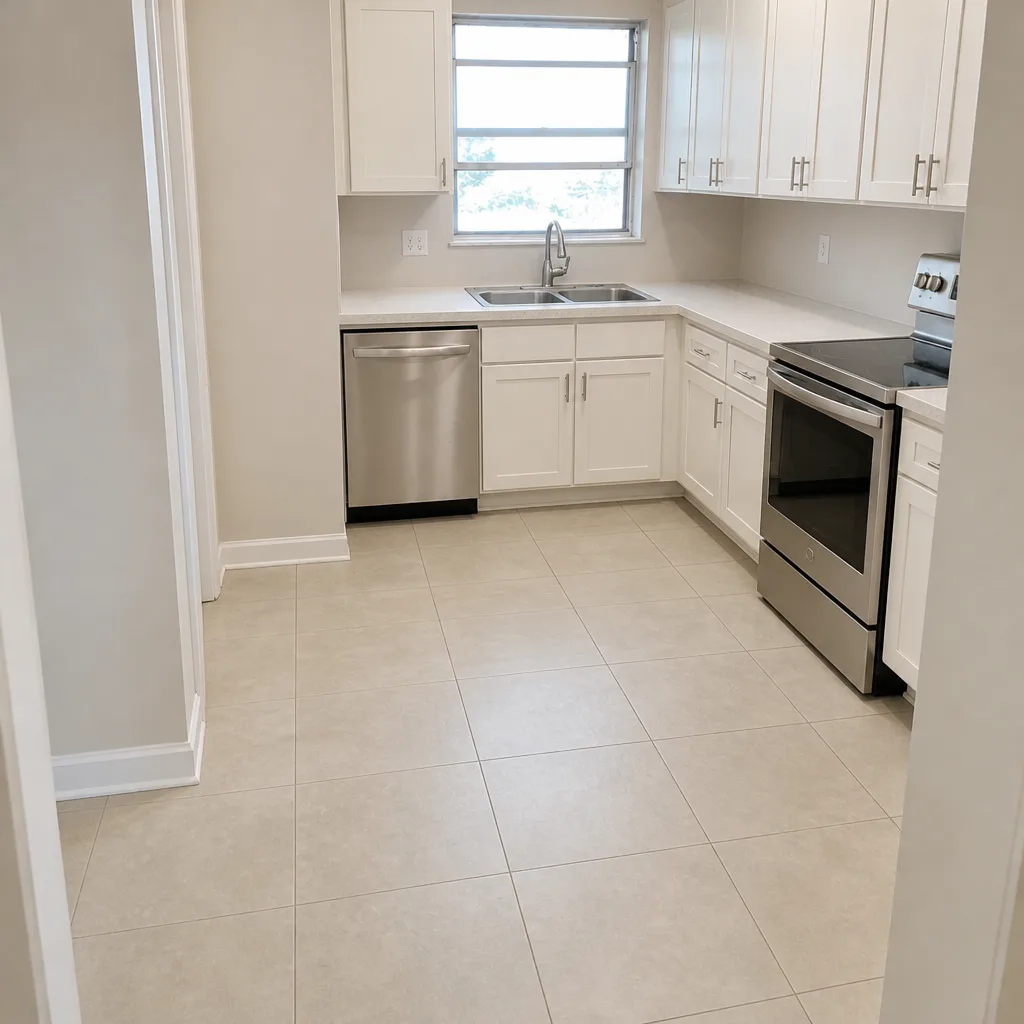 After
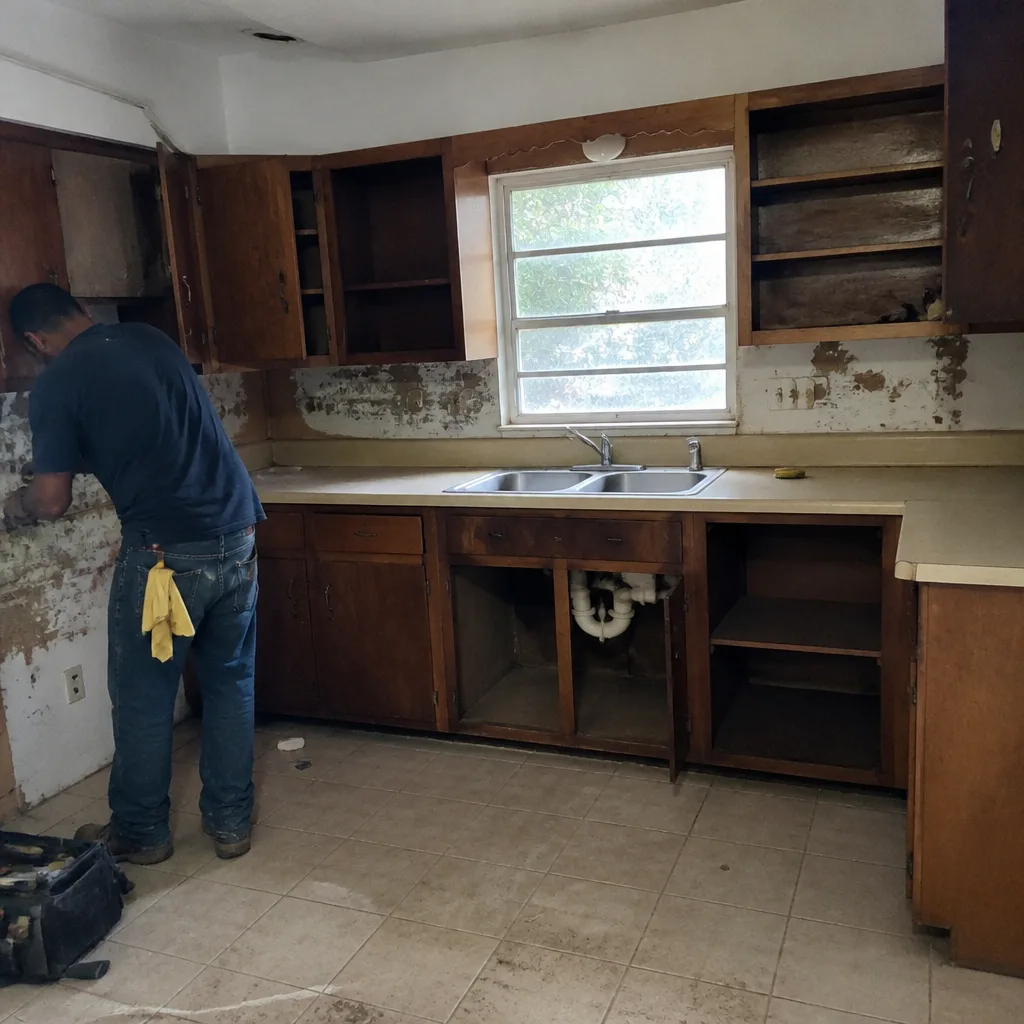 Before
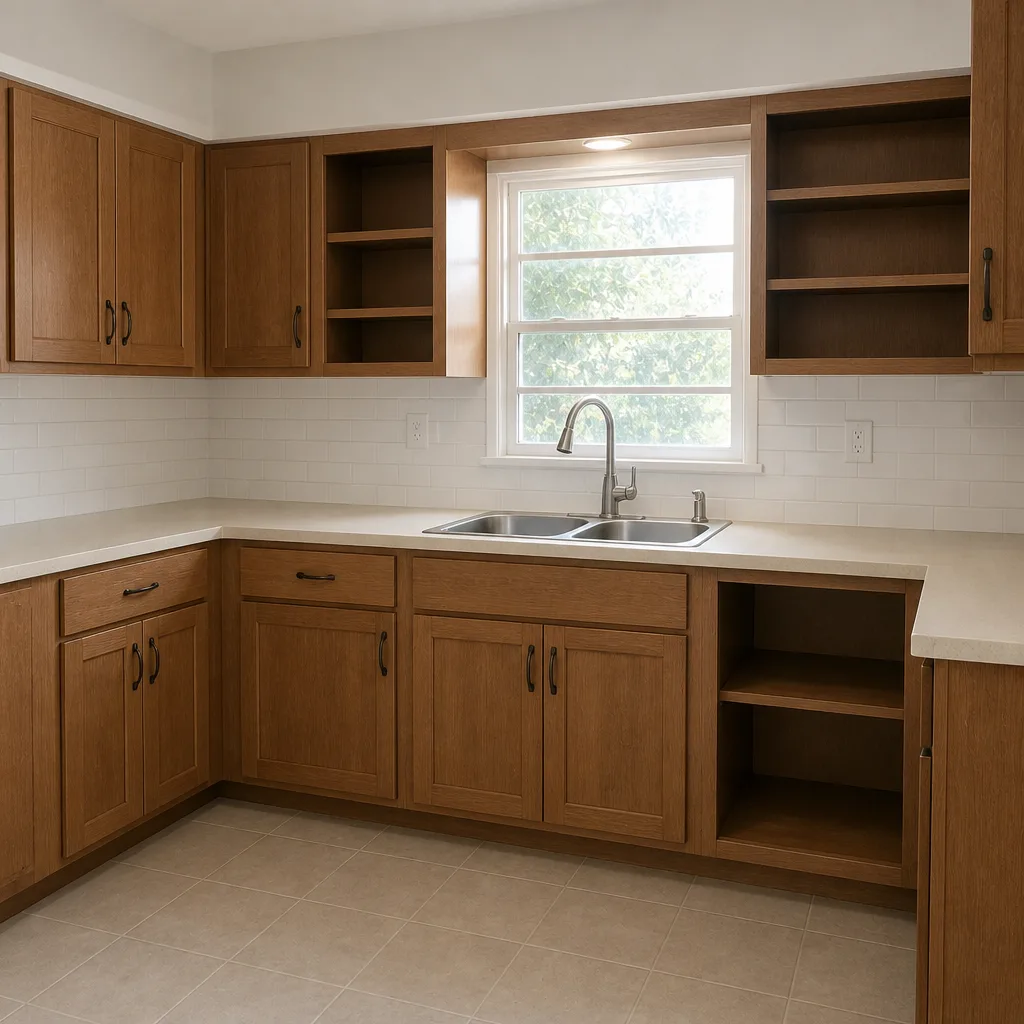 After
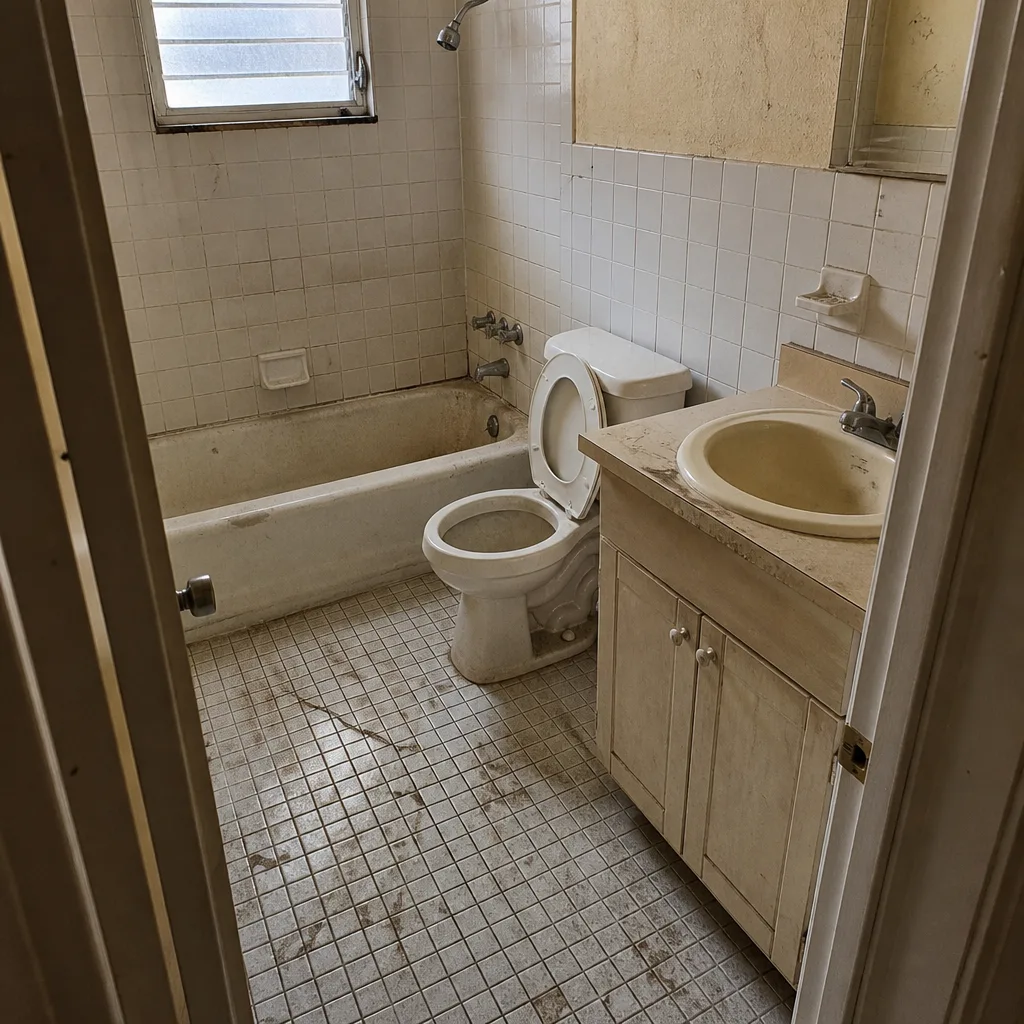 Before
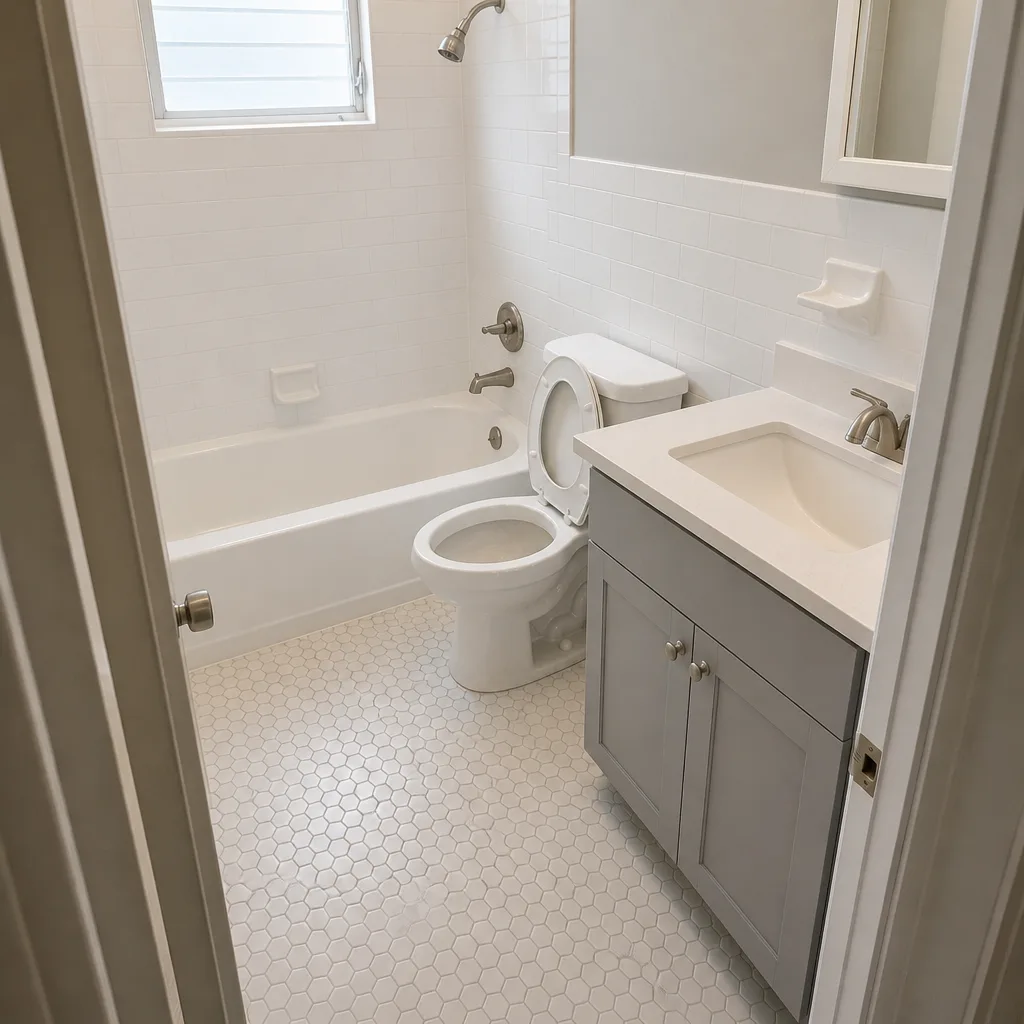 After
When to Call a Professional
Call a professional when the task touches structure, plumbing, electrical, or the roof envelope. Call sooner rather than later if you see moisture behind a wall, a shower pan that flexes underfoot, any new drywall crack after a storm, a failed window seal on an impact-rated unit, or a door that suddenly won’t latch. Those are signs an envelope or rough-in problem is developing, and early correction is much cheaper than the repair that follows a leak. Structural and wind-rated work also has to be permitted and inspected in Miami-Dade, and that’s a licensed contractor’s job, not a checklist item.
Bradford Remodeling Co Miami offers free estimates in Miami. Every estimate comes as a written price before work starts, with a live person answering the phone 24/7 to talk it through. Call (844) 797-4435 to schedule a free estimate.
Frequently Asked Questions

Re-caulk interior wet areas every 18 to 24 months and exterior window and door seals every 18 to 24 months, sooner if you see cracking or separation. Miami’s humidity and ultraviolet exposure break sealant down faster than in cooler, drier climates, so this schedule runs about twice as often as the national average.
It can. Most post-remodel guarantees, including Bradford’s 365-Day Done Right Promise, assume the homeowner performs the maintenance steps written at close-out. If a shower pan leaks because the grout was never sealed, that’s usually a maintenance gap, not a workmanship failure, and it can affect the claim. Keep a written log and the conversation stays simple.
Any repair to the roof envelope, structural framing, plumbing behind a wall, electrical systems, or windows and doors rated for wind-borne debris. Those require a licensed contractor and typically a permit to stay code-compliant. Re-caulking, re-sealing grout, and touch-up painting are homeowner-doable.
The finished work should last decades with proper maintenance, but the sealant and grout in your wet areas need checks within the first year. In our experience, the first Miami summer and the first hurricane season are when early caulk or grout failure shows up, which is why the first year’s schedule matters most.
Check all window and door seals, clear gutters and roof drains, test shutter and impact-window hardware, and inspect the roof and flashing. Photograph the exterior before and after the season and add both sets to your log. Doing this in May gives you time to correct anything before the worst of the weather.
Yes, because you can’t predict when a claim will come up. A maintenance log takes a few minutes per season and turns a difficult warranty conversation into a straightforward one. If the work itself fails within Bradford’s guarantee period, the log is what lets us return and correct it at no charge.
The Bottom Line
A maintenance schedule is not about protecting your finishes. It’s about protecting the money you already spent and the warranty attached to it. In Miami, the intervals that work in other states will fail you, so build your plan around hurricane season, use the dry months for caulking and sealing, and treat wet-area sealing as a twice-a-year job. Separate the tasks you can do yourself from the ones a licensed contractor has to handle under Miami-Dade code. And write it all down. A documented maintenance log is what makes a guarantee real. If your next project needs a contractor who puts the price and the guarantee in writing before the work starts, Bradford Remodeling Co Miami is ready. Call (844) 797-4435 for a free estimate.
Written by the team at Bradford Remodeling Co Miami.