Last updated November 18, 2026






Free written scope consultation - allowances, timeline, and change-order rules on paper before a single trade is scheduled
How to Hire a Construction Contractor in Miami: A Step-by-Step Guide
Florida’s contractor license lookup on the DBPR site takes about 90 seconds, and most Miami homeowners actually use it. That’s the good news. The bad news: a valid license number tells you almost nothing about the things that go wrong on a real job. It won’t tell you whether the contractor has six open complaints, an expired liability certificate, or a habit of pulling permits under a name that doesn’t match the company printed on your invoice. In our experience, hiring in Miami fails at a predictable step – owners verify the license, skip the contract review, then hand over a deposit. This guide reverses that sequence and treats the written agreement as the hiring decision, not the handshake.
Quick Answer
To hire a construction contractor in Miami, request five documents before the first site visit (state license, Miami-Dade local business tax receipt, certificate of insurance naming you as additional insured, workers’ comp certificate, and a Notice of Commencement template), pull their permit history on Miami-Dade’s iBuild portal, and compare bids by written scope line-by-line rather than by bottom-line price. Never sign or pay a deposit until the contract spells out a payment schedule tied to lien releases, a written change-order process, and inspection hold points.
Styles & brands we work with
- Kitchen remodeling
- Bathroom remodeling
- Home additions & ADU
- Roofing
- Windows & doors
- Driveway & pavers
- Fence
Table of Contents
- The Five Documents to Request Before the First Site Visit
- How to Read a Contractor’s Permit History on iBuild
- The Contract Clauses That Separate a Pro from a Problem
- Why the Lowest Bid in Miami Is the Most Likely to End in a Lien
- How to Compare Bids Without Comparing Prices
- Red Flags Specific to Miami’s Contractor Market
- What a Real Inspection Walkthrough Looks Like
- How a Job Should Close: Squared Away, In Writing
The Five Documents to Request Before the First Site Visit
Before anyone walks your property, ask for paperwork. A contractor who’s squared away will send these within a day. A contractor who hesitates is telling you something. In our experience, the request itself is a filter – it separates the pros from the people who’ll waste three weeks of your time.
- State of Florida contractor license. Verify the number yourself on the DBPR site, not just the printed card. Match the license type to your scope: a Certified General Contractor (CGC) for structural and whole-home work, a specialty license for a defined trade.
- Miami-Dade local business tax receipt. A state license alone doesn’t mean the contractor is registered to do business in this county. The receipt should show the same business name as your invoice.
- Certificate of insurance (COI) with your address as additional insured. Don’t accept a generic COI with a sample address. Ask them to have their carrier issue one naming your property. That’s the whole point.
- Workers’ compensation certificate. If a worker is hurt on your property and the contractor has no comp coverage, the exposure can land on you. Insured & bonded matters here, not as a slogan but as a document.
- Notice of Commencement template. Florida requires a Notice of Commencement for most permitted jobs over a threshold, and it must be recorded before work starts. A pro has one ready. A contractor who’s never heard the term hasn’t pulled many permits.
If any of these feels like a burden to the contractor, that’s your answer. Miami is a big market, and there’s no shortage of contractors who keep their paperwork clean. Find one of those.
How to Read a Contractor’s Permit History on iBuild
Miami-Dade’s online permitting portal (iBuild) lists permit records by contractor name. It’s public, it’s searchable, and it’s the closest thing to a background check the trade offers. A license shows you passed a test once. A permit history shows you what the contractor actually does on the ground.
Here’s what to look for, and what each pattern means for your job:
- Open permits. A permit that was pulled but never closed means the job wasn’t inspected or signed off. If a contractor has several open permits on past job sites, they’ve left the property owner with an unresolved record. That pattern usually repeats.
- Expired permits. Miami-Dade permits expire on a defined schedule after issuance. An expired permit means the work stalled. Sometimes it’s a homeowner issue. Often it isn’t.
- Failed inspections. One failed inspection is normal – the trade calls it a correction and moves on. A pattern of failed inspections on the same phase (framing, rough-in, final) tells you where the contractor’s quality is thin.
- Permit pulled under a different name than the invoice. This is the one that should stop the conversation. If permits are being pulled under a sub’s name or an affiliated entity that isn’t the company you hired, you’ve lost the paper trail that protects you in a dispute.
Take twenty minutes with iBuild before you sign anything. A contractor with a clean, closed-out history in Miami-Dade is a very different bet from one with a trail of unclosed jobs – even if their license number checks out and their bid looks tidy.
The Contract Clauses That Separate a Pro from a Problem
The signed contract is the hiring decision. A handshake, a text, a verbal “we’ll fix it if something comes up” – none of those are worth the paper they aren’t written on. Here’s what we look for in a professional contract, and what you should insist on before you sign:
A lien release schedule tied to payment. Every payment milestone should be paired with a signed lien release (sometimes called a partial or final release of lien) from the contractor and any subs or suppliers who worked on that phase. This is what protects your property title. Without it, a sub who didn’t get paid by the GC can file a lien on your home – even though you already paid the GC in full.
A defined change-order process with written approval. Every change should be a signed document with a fixed number on it. No verbal add-ons. No “we’ll work it out at the end.” If the change-order language says anything like “at contractor’s reasonable discretion,” it’s not a clause, it’s an opening. Written price before any work starts – on the original scope and on every change.
An inspection hold-point schedule. Miami-Dade inspections break into phases: foundation, framing, rough-in (electrical, plumbing, HVAC), insulation, and final. A good contract lists where work stops for an inspection, and who calls for it. If your GC is scheduling trades back-to-back without inspection hold points, corners are getting covered.
A written warranty term. Not a handshake, not a verbal promise. A written guarantee with a start date, a defined coverage period, and a specific remedy – usually “return and correct at no charge.” Bradford’s 365-Day Done Right Promise covers every completed project for a full year from signoff: if the work fails inside that window, we come back and fix it at no charge. Whatever coverage your contractor offers, get it in writing before the first payment.
A defined payment schedule tied to milestones, not to time. Payments tied to “50% on start” are red flags. Payments tied to “framing passed inspection” hold everyone accountable to the same schedule.
None of this is exotic. It’s the standard a by-the-book contractor works to. If your candidate pushes back on any of it, the hiring decision is already made.
Why the Lowest Bid in Miami Is the Most Likely to End in a Lien
Three bids come in. One is 20% below the others. The math looks like a deal. In Miami’s contractor market, that low number usually has a reason behind it, and the reason is rarely good news for the homeowner.
Here’s how the lien sequence usually plays out. The low bidder wins by shaving scope and margin – fewer inspections, smaller deposit on materials, thinner supervision. They pay subs slowly, or pay themself first. A sub who doesn’t get paid has the right to record a lien against your property. Miami-Dade’s construction lien law is homeowner-friendly in theory, but only if you had a lien release schedule and managed payments against it. Without that paper trail, you’re paying twice: once to the GC, and once to the sub who was never paid.
The low bidder is also more likely to be the one who suggests skipping the permit. Miami-Dade permit fees are real money, and they add inspection overhead. A contractor who offers to “handle it off the books so you save a few hundred” is telling you they don’t think permits are worth the trouble. In a county with our hurricane exposure and our flood-zone density, permit history matters more than it does almost anywhere else in the state. An unpermitted addition can be uninsured, un-sellable, and expensive to tear out later.
None of which means the highest bid wins. It means the number alone doesn’t tell you anything useful. Which brings us to the actual fix.
How to Compare Bids Without Comparing Prices
Two contractors can bid the same kitchen and build entirely different jobs. If you compare their bottom lines, you’re comparing two unrelated numbers. To compare properly, take these steps:
- Get a written scope, line by line. Ask every bidder to break the job into the same line items: demolition, rough-in, electrical, drywall, cabinetry, countertops, tile, finish, cleanup. Then compare the line items side by side, not the totals.
- Name the brands and specs on the page. If a bid says “cabinet allowance $8,000,” that’s an allowance, not a specified product. A by-the-book bid names the brand: KraftMaid or Wellborn cabinetry, Cambria or Caesarstone countertops, Kohler or Moen fixtures. When brands are named, you can compare specifications. When they aren’t, you’re comparing guesses.
- Confirm what’s excluded. Most bids look similar because they quietly exclude different things. Permits, inspections, dumpsters, protection of flooring during demo, final cleaning. List the exclusions from each bid on one sheet.
- Look for allowance caps and confirm who pays the overage. A $12,000 countertop allowance is meaningless if the actual specs cost $18,000 and you sign the difference later.
- Compare payment schedules. Same method as scope. A bid with 60% due at signing is a very different contract from one with milestone payments tied to inspections.
- Compare schedules and supervision. Ask who supervises the site, in person, how often, and what the monthly progress report looks like. “Our team” doesn’t answer it. A named role does.
Do this and the low bid usually rises to match the others, once you add back the scope it left out. Or it disappears. Either result is useful information before you sign, not after.
Red Flags Specific to Miami’s Contractor Market
Miami has its own patterns for how hiring goes wrong. National checklists miss most of them because they’re not tuned to our market. Here’s what we watch for.
- A bid delivered verbally. If the number only exists in a conversation or a text, it moves. “I said 22, now it’s 28 because we found something” is a familiar move. A written, line-item quote fixes the number before work starts.
- Pressure to skip the permit. Sometimes framed as “our sub does it cheaper off the books,” sometimes as “we only pull permits when the homeowner insists.” Either way, you’re the one holding the unpermitted construction when you go to sell.
- Subs arriving before you’ve seen the sub’s insurance certificate. The GC’s COI doesn’t cover the sub. Ask for each trade’s certificate before they start work. A pro forwards them without being asked twice.
- No local business tax receipt, or one that matches a different name than the invoice. Front companies exist in this market. Match names across every document: license, tax receipt, COI, contract, invoice.
- A “recommended” contractor from someone who’s been paid to recommend. Referral fees exist. That doesn’t disqualify anyone, but the recommendation isn’t evidence of quality until you’ve checked iBuild and the five documents yourself.
- Cold-callers after a storm. Miami’s had enough named storms to build a pattern. Out-of-area crews arrive after a weather event, take deposits, and disappear. Verify before you sign, not after.
- Crews who show up unidentified. Background-checked, uniformed technicians are the standard for a serious contractor. If the crew on your property is a rotating cast of unvetted strangers, the paperwork only protects what’s been built, not who’s building it.
Some of these you’ll spot on the first phone call. Others only surface when the paperwork gets real. Which is the whole argument for not trusting the phone call to answer the question.
What a Real Inspection Walkthrough Looks Like
The inspection hold points in your contract only work if someone actually stops work for them. Ask your contractor to explain, before signing, what their walkthrough schedule looks like at each phase.
A serious GC walks the site before the framing inspection and confirms the work will pass before the inspector shows up. Same at rough-in for electrical, plumbing, and HVAC. Same at insulation. The point isn’t to pass an inspection – that’s the minimum. The point is to catch things before the inspector does, because a failed inspection costs you schedule, and in Miami that schedule is often the difference between a finished job and one that drags into the next summer.
Ask the contractor: who walks the site at each hold point, what they’re looking for, and how they document it. If the answer is “we call the inspector and they walk through,” you don’t have a supervision plan – you have a schedule of chances to fail.
This same walkthrough rigour matters at closeout. A squared-away close means a clean site, a documented scope, and a signed written guarantee in your hand. Not a handshake. Not a promise to follow up next week. The document.
How a Job Should Close: Squared Away, In Writing
Closing a job is its own test of the contractor. Not the finished kitchen – the finish line. When the last trade leaves and the invoice is settled, the homeowner should be holding four things: a final inspection sign-off (or a closed permit in iBuild), a written guarantee with the coverage term spelled out, a clean site with no leftover materials or debris, and a signed scope acknowledgement that matches what was built.
As part of the Garrison Partners family, Bradford Remodeling Co Miami operates as an independently owned and independently operated business held to The Garrison Standard. If your contractor doesn’t have an equivalent closing standard spelled out in your signed agreement, ask for one in writing before work starts. If they won’t, that’s the answer to the hiring question as cleanly as anything on this page.
Our technicians have up to 22 years of experience, and every completed Bradford project receives the 365-Day Done Right Promise: a written, full-year guarantee that if the work fails inside the coverage window, we return and correct it at no charge. A live person answers our phone, 24/7, not a voicemail. And our pricing is written before work starts, always, with no numbers that move at the door. If you’re planning a kitchen remodel in Miami, a bathroom remodel in Miami, or a full general contracting project in Miami, we’re happy to walk the property and put a real number on the page.
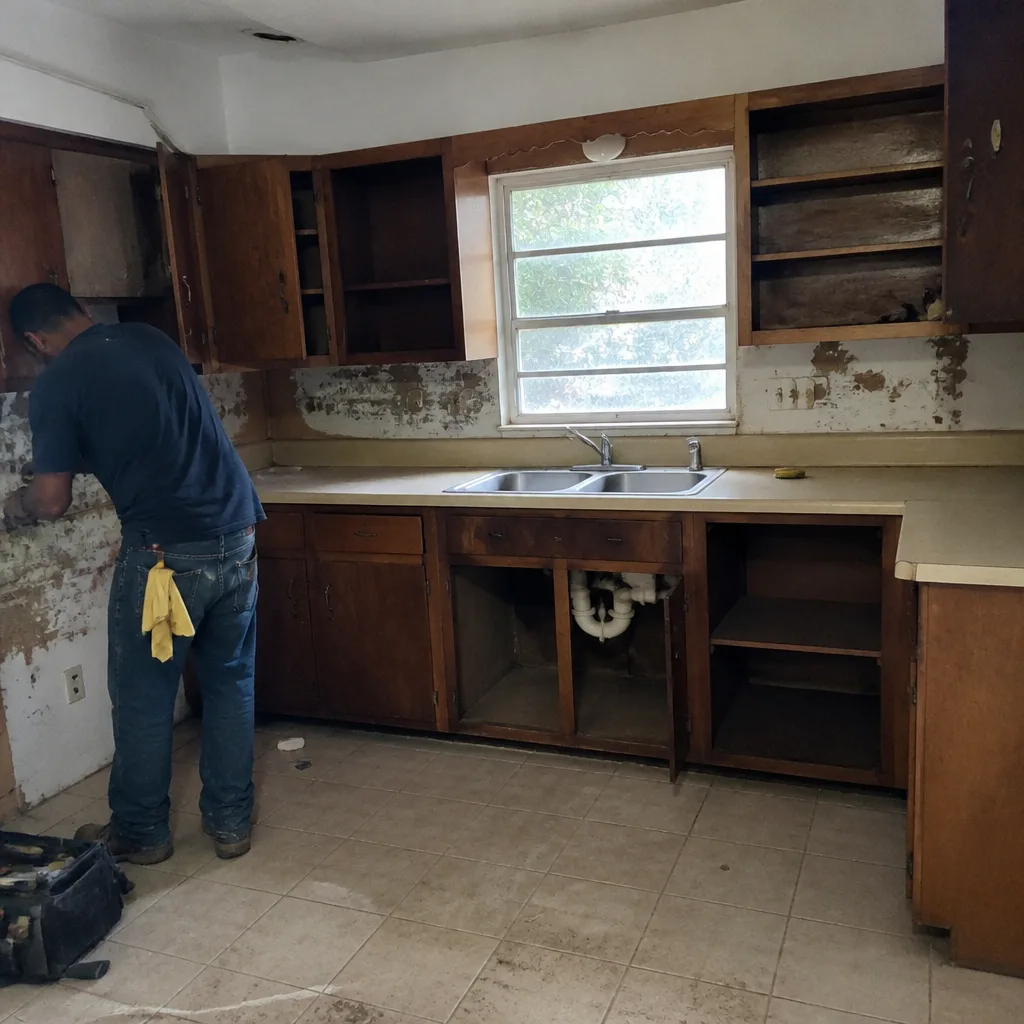
See the difference
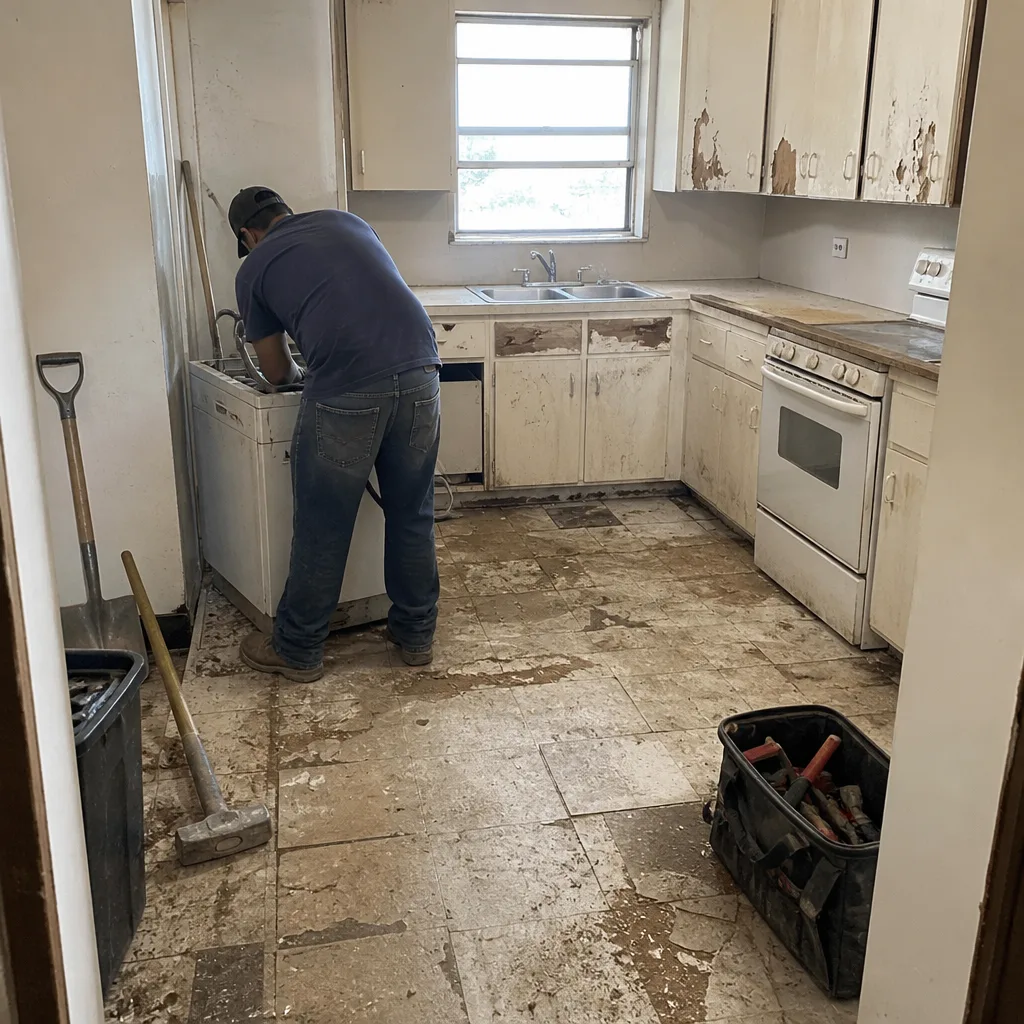 Before
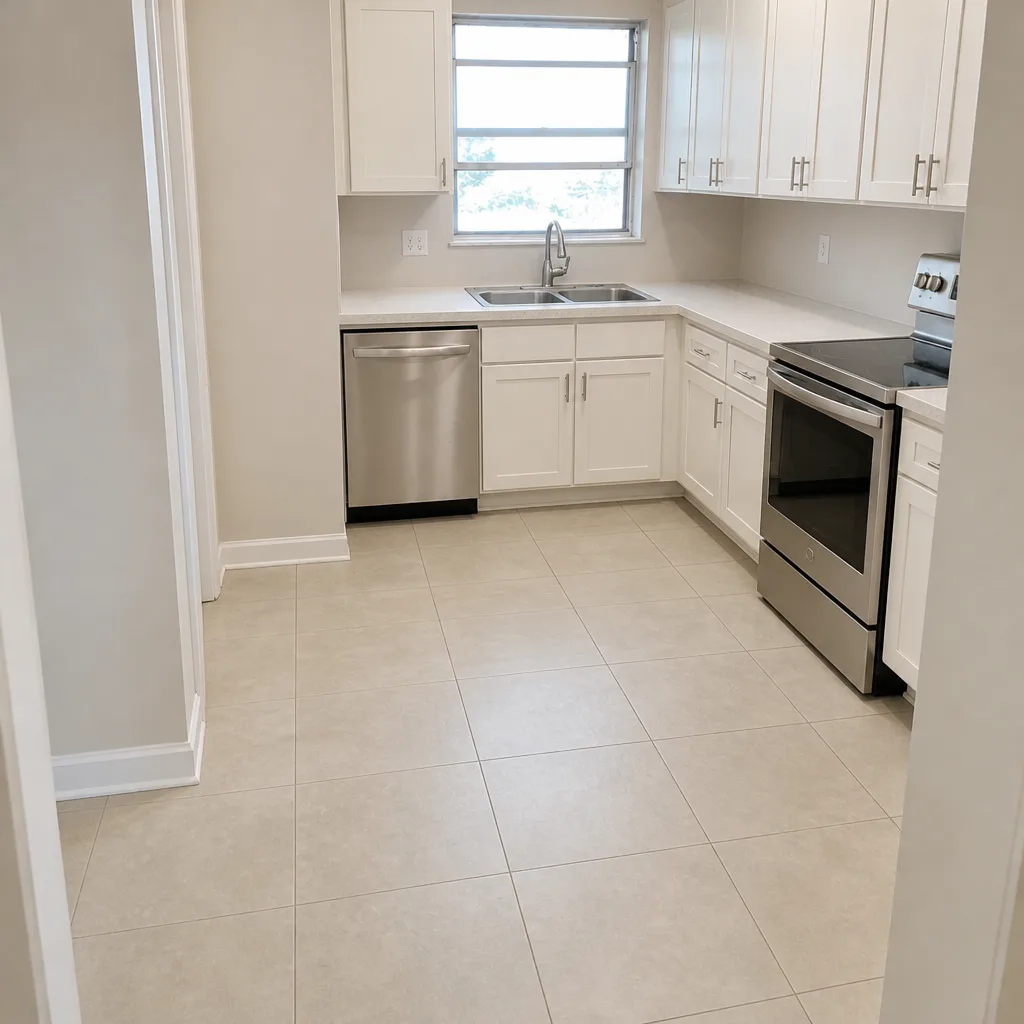 After
 Before
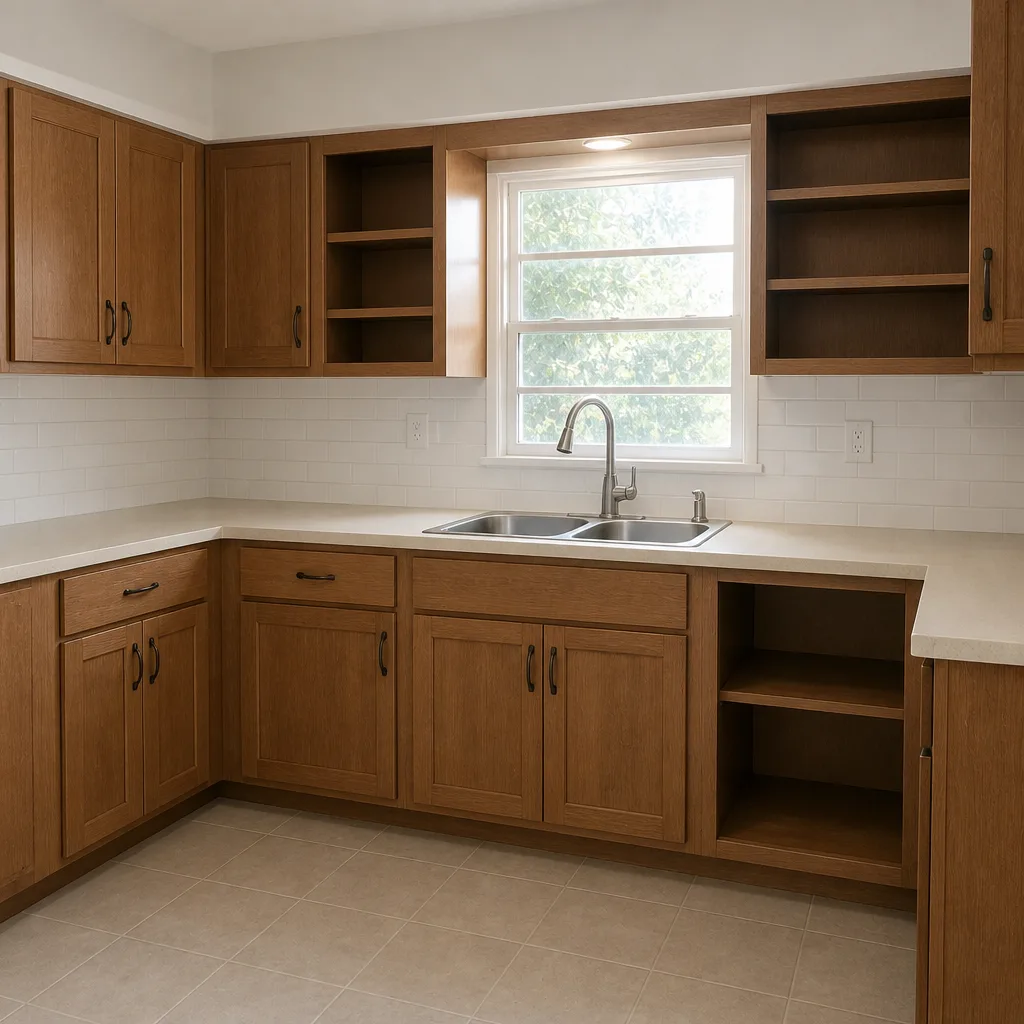 After
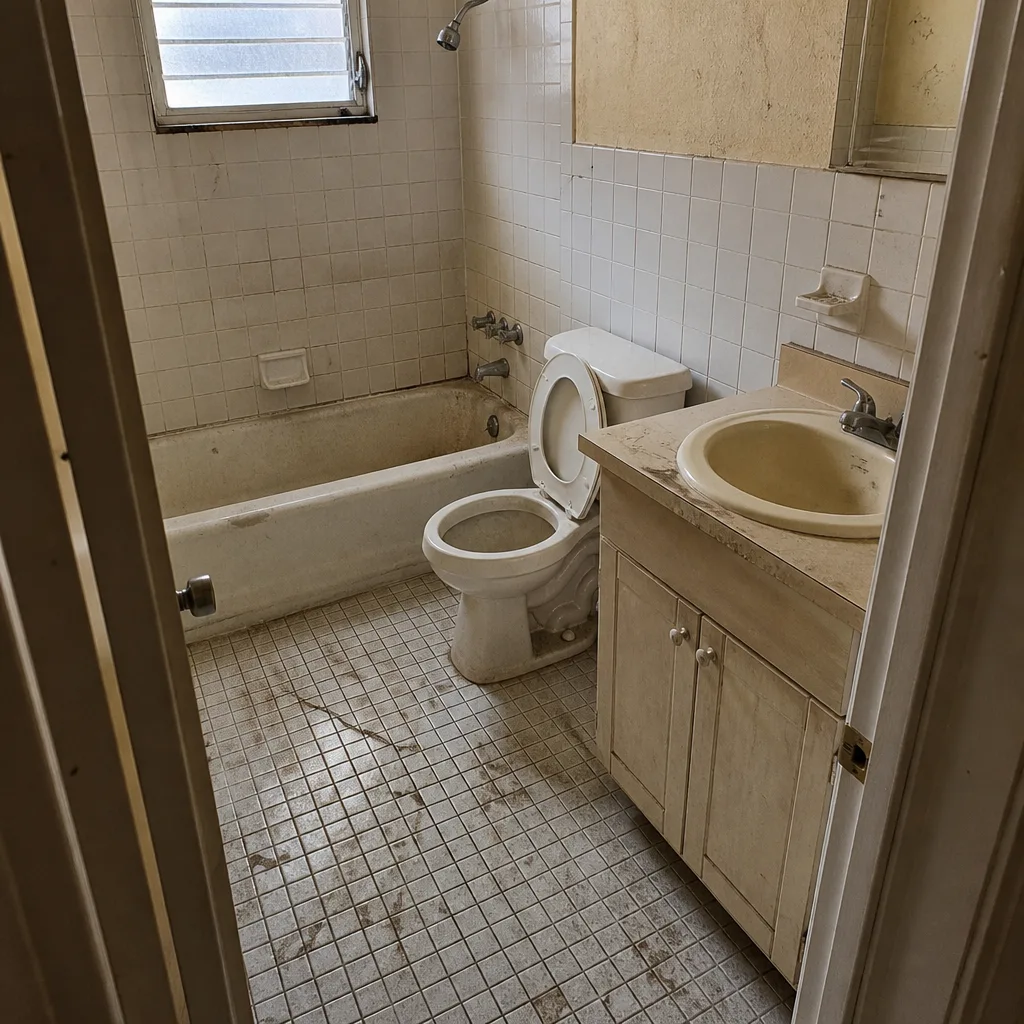 Before
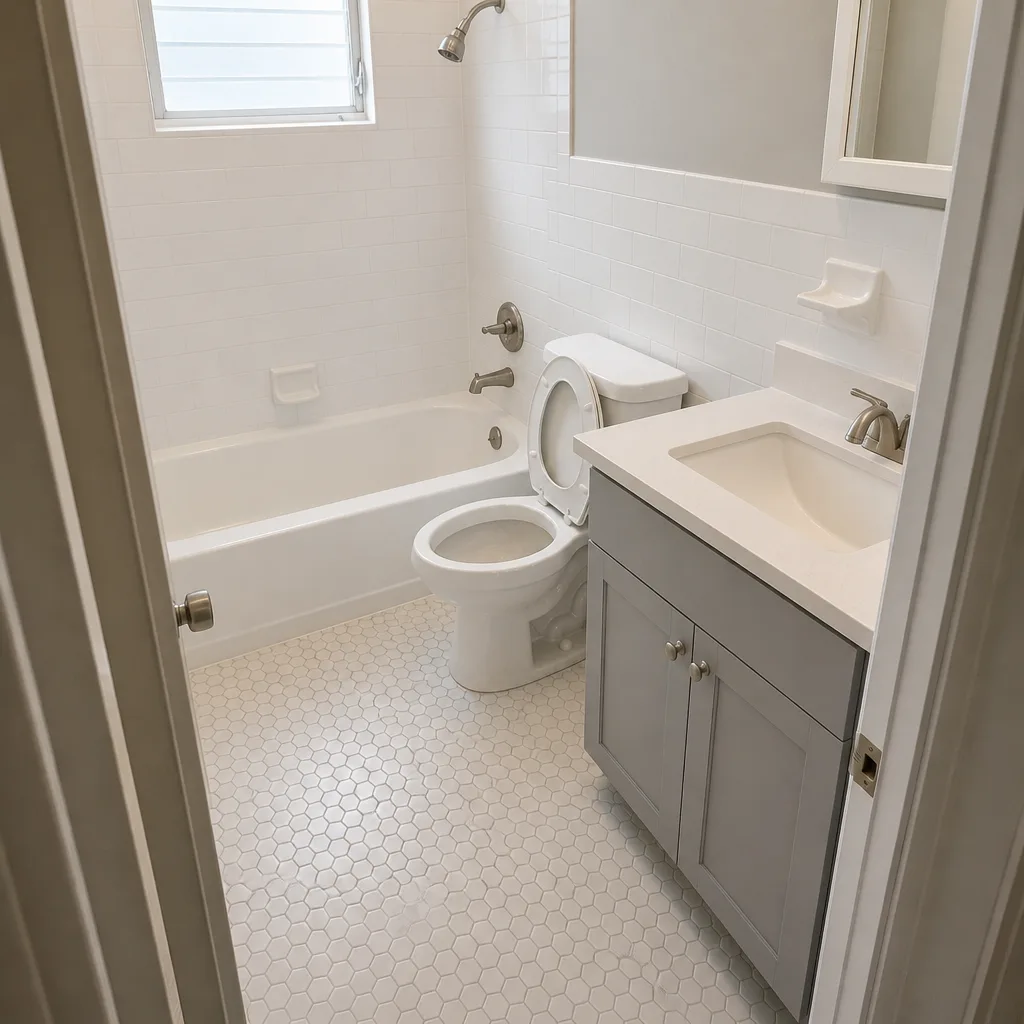 After
Common Mistakes to Avoid
- Verifying the license and stopping there. A valid DBPR number doesn’t tell you about open complaints, permit history, or whether the COI is current. Verify the license, then the five documents, then iBuild.
- Signing a contract before reading the change-order clause. That’s the paragraph that decides how your price moves after day one. If it’s vague, your price is open-ended. Fix it before signing.
- Paying a deposit before the lien release schedule exists. The release is your protection against a sub filing against your title. Any real contractor can produce one on request. If they can’t, hold the check.
- Comparing bottom-line prices across bidders. Same scope, same line items, same brands, or you’re comparing two different jobs. Ask for the breakdown and hold every bidder to the same format.
- Letting a contractor talk you out of a permit to “save money.” In Miami-Dade, unpermitted work becomes a disclosure problem at sale and a claim problem at insurance. The savings rarely survive.
- Ignoring the name-match problem. License, tax receipt, COI, contract, invoice – if any one of those names differs from the others, walk away until it’s resolved. It’s a common front-company pattern in this market.
- Closing the job without a signed written guarantee in hand. A verbal promise to “come back if anything fails” isn’t a guarantee. The coverage period, the remedy, and the contact are in the document or they don’t exist.
When to Call a Professional
Some jobs are homeowner-scope. Replacing a faucet, painting a room, hanging a vanity. Other work in Miami needs a licensed, insured contractor before a tool comes out – and pretending otherwise is where the expensive mistakes happen. Get a professional when:
- The work needs a permit. Any structural change, addition, electrical panel work, gas line, plumbing relocation, or a full kitchen or bath rebuild falls here.
- You’re touching hurricane-rated envelope components – impact windows, roof tie-downs, soffit, or anything that affects the wind mitigation insurance credit on your Miami property.
- The scope hits high-voltage or gas. Electrical panels and gas lines are genuinely dangerous; the licensed specialist handles them, not a general handyman.
- You’re hiring subcontracted trades for a larger project and can’t verify the sub’s insurance yourself.
- You’ve already been burned on a job. Documented communications, a written scope, and a signed guarantee are what prevent round two from going the same way.
Bradford Remodeling Co Miami offers free estimates in Miami – call (844) 797-4435 and we’ll walk the property, quote the scope line by line, and put the number on the page before you commit to anything. For the bigger picture on how we work across the metro, start at our Bradford Remodeling Co Miami home page.
Frequently Asked Questions

General contractor fees in Miami typically run 10% to 20% of the total project cost when they’re charged as a markup, or a flat management fee on smaller jobs. A kitchen remodel in Miami generally lands between $25,000 and $75,000 depending on scope and finishes; a full bathroom between $12,000 and $35,000. The number matters less than the format: a written, line-item quote with brands and specifications named. Call (844) 797-4435 for a free estimate – we’ll put the scope and price in writing before any work starts.
Most construction work in Miami-Dade County needs a permit, including additions, structural changes, electrical panel work, plumbing relocations, roof replacements, impact window installs, and full kitchen or bathroom remodels. Cosmetic work like paint, tile on existing substrate, and cabinet door replacement generally doesn’t. When in doubt, pull the permit – the cost is small compared to the disclosure problem you’ll face at sale on unpermitted work. A contractor who suggests skipping it to save money is telling you where their standards stop.
Go to the Florida DBPR license lookup online, enter the license number or business name, and confirm three things: the license type matches your scope of work, the status is active, and the business name matches the one on your invoice. Then go one step further – pull their permit history on Miami-Dade’s iBuild portal to see open permits, expired permits, and inspection outcomes on past jobs. A licensed contractor with a clean permit history is a very different bet from a licensed contractor with a trail of unclosed jobs.
A Notice of Commencement is a Florida document that officially starts the clock on a permitted construction project, and it must be recorded before work begins on most jobs above the threshold. It lists the property, the owner, the contractor, and the surety. Your contractor is required to provide it. A contractor who has never heard of a Notice of Commencement hasn’t managed many permitted jobs, which is your answer about their experience before the first hammer swings.
The lowest bidder is the one most likely to underpay their subs to keep their margin. An unpaid sub or supplier can record a lien against your property – even if you paid the GC in full – and under Florida construction lien law you’re exposed unless you have lien releases tied to each payment. The fix isn’t to avoid low bids. It’s to require a lien release schedule in the contract and to compare bids by scope, not by total. Same job, same lines, same brands, side by side – then the number actually means something.
A bathroom in Miami typically takes 3 to 6 weeks once the permit is issued. A kitchen takes 6 to 12 weeks. A whole-home remodel or addition takes 4 to 8 months depending on scope. The bigger variable in Miami-Dade is the permit and inspection phase, which can add several weeks depending on the project type and current review times. Ask for a written schedule with inspection hold points before signing, and expect milestone payments tied to those hold points. Call (844) 797-4435 for a free estimate with a written schedule attached.
Written by the team at Bradford Remodeling Co Miami.