Last updated November 18, 2026







Free written scope consultation - allowances, timeline, and change-order rules on paper before a single trade is scheduled
Home Remodeling Troubleshooting: Common Problems and How to Fix Them
The contractor who finished your remodel and the contractor who signed your contract may not be the same people. That gap is where most trouble starts. In our experience across Miami, undisclosed subcontractor substitution, scope ambiguity, and skipped inspections account for the vast majority of post-remodel failures. This guide maps visible symptoms to root causes so you can describe the problem accurately to the next contractor, find out who actually did the work, confirm whether inspections passed, and escalate in the right order when a fix gets stalled. You’ll finish knowing whether you have legal recourse or just a lesson.
Quick Answer
When a remodel goes wrong, the problem is almost always traceable to one of three root causes: scope ambiguity (the contract never said what “finished” means), missed inspections (work covered over before it was checked), or subcontractor substitution (the crew that did the work wasn’t the one you signed with). Diagnose which one you’re dealing with before you fix anything. That diagnosis determines whether you have a warranty claim, a board complaint, or a civil action.
Styles & brands we work with
- Kitchen remodeling
- Bathroom remodeling
- Home additions & ADU
- Roofing
- Windows & doors
- Driveway & pavers
- Fence
Table of Contents
- The Diagnostic Framework: Match the Symptom to the Root Cause
- The Subcontractor Substitution Problem
- The Missed Inspection Scenario
- The Scope Ambiguity Trap
- Reading the Five Most Common Visible Symptoms
- Step-by-Step Escalation Protocol
- The Documentation You Need at Every Stage
The Diagnostic Framework: Match the Symptom to the Root Cause
Before you call anyone, build a symptom-to-cause map. Homeowners who can describe what they’re seeing in trade terms get faster, more accurate answers from a second contractor. The difference between “my floor feels weird” and “the floor deflects about a quarter inch near the center of the room” is the difference between a week of guessing and a same-day diagnosis.
Here’s the framework we use when a Miami homeowner calls us about a finished job that isn’t holding:
- Uneven or bouncy floors usually points to framing problems: undersized joists, an unscheduled notch or hole cut through a joist for plumbing or electrical, or a joist that was never sistered after a wall was removed. In older Miami homes with slab-on-grade construction, a floor slope can also mean the slab settled after a soil issue. The root cause is almost never the flooring material itself.
- Drywall cracks at corners or above doorways usually trace to framing movement, a header that was undersized, or a lack of proper blocking. A single hairline crack near a corner is often normal settling. A stair-step crack running diagonally from a corner is a structural signal worth a professional look.
- HVAC imbalance (rooms that never cool, or a system that short-cycles) is typically a mechanical sizing or ductwork error: the equipment was sized off a rule of thumb rather than a manual load calculation, or a supply run was never balanced after a wall moved.
- Persistent leaks at a shower, under a sink, or at a window are almost always an installation or flashing problem, not a materials problem. In Miami’s humidity and heavy summer rain, a missing pan liner or improperly lapped window flashing shows up fast.
- Doors that stick or gaps that grow usually mean a structural shift or a header issue, not a hardware issue.
Write down what you see, where it is, and when it started. That one page of notes will anchor every conversation that follows.
The Subcontractor Substitution Problem
Here’s the question most homeowners never ask: who actually swung the hammer? Many contracts name the general contractor and say nothing about who will perform the electrical, plumbing, drywall, or tile work. That silence lets a GC swap the crew you met during the sales process for a lower-cost crew the day the job starts. It’s one of the most common sources of post-remodel quality failures, and most contracts don’t prohibit it.
You can find out who actually worked on your home. Ask for the names of every licensed trade contractor who pulled a permit on your project. In Florida, permits are public record through your local building department, and each permit lists the qualifying license holder. Match those names and license numbers against what your contract said, and against the schedule of subcontractors the GC was supposed to provide.
Why it matters for warranty enforcement: if a warranty was issued by the GC, the GC still owes you the repair regardless of who performed the work. But if the failing work was performed by an unlicensed or substituted trade, the GC’s ability to get the manufacturer’s warranty honored (for example, on a James Hardie siding installation) can depend on whether that trade was an approved installer. A certified installer doing the work is what triggers the manufacturer’s warranty; substitution can quietly void it.
What your contract should have said, and what to ask for next time:
- A written schedule of subcontractors with license numbers, submitted before work begins.
- A clause stating that any change to that schedule requires your written approval.
- A statement that all trades are licensed and insured, with certificates available on request.
- A written scope document that lists who is responsible for each phase.
If you’re planning a new project and want to start from a sound baseline, this is exactly where a written scope and price document before any work starts separates a disciplined contractor from a loose one. Our General Contractor in Miami page explains how we structure that.
The Missed Inspection Scenario
An inspection that was never called or passed, and then covered over with drywall, is a legal problem as much as a construction one. If work requiring a permit was performed without one, or was inspected only at rough-in and never at final, you can end up with a home that looks finished but has an open permit on record. That open permit can block a future sale, stall a refinance, and leave you holding the cost of remediation.
Find out whether inspections were actually requested and passed. The steps:
- Look up your address on your local building department’s online permit portal. In Miami-Dade and the surrounding municipalities, most permit histories are searchable by address.
- Check the permit status for each trade: rough-in, final, and any required special inspections (framing, electrical, plumbing, mechanical).
- Download or print the inspection record. Note any failed inspections and whether they were re-inspected.
- If a permit was never pulled, ask the contractor in writing whether one was required for that scope. Electrical, plumbing, structural, and mechanical work almost always require one.
- If the record shows an open or expired permit, contact the building department to learn what’s required to close it, which may include a visual inspection of covered work.
Remediation depends on what was covered. Sometimes a building department will accept a special inspection or a letter from a licensed engineer; sometimes walls have to be opened. Either way, get the requirement in writing before anyone repairs anything. A contractor who tries to talk you out of calling the building department is telling you something.
The Scope Ambiguity Trap
A vague contract creates disputes where both parties are technically right. “Remodel the bathroom” is not a scope. When the homeowner expects new substrate under the tile and the contractor argues the contract never said so, nobody’s lying. The contract simply never defined the baseline.
This is why a written scope document is the single most valuable piece of paper in any repair or warranty conversation. It establishes what was promised, and therefore what “done” looks like. A proper scope of work names, at minimum:
- Every item being removed and every item being installed, by brand and model where specified (for example, Kohler or Moen fixtures by model number).
- The substrate and prep work included: what happens under the tile, behind the drywall, and beneath the flooring.
- Permits, who pulls them, and who pays for them.
- The exact finish standard, including paint sheen, trim profile, and grout specification.
- Change-order procedure and pricing.
When you don’t have one from the original contractor, you can still build a baseline: your signed contract, the drawings, the proposal emails, the text messages, and the payment schedule all together. Present those documents together when you raise a problem. The paper trail, assembled and organized, is what establishes “here is what we agreed to.”
For homeowners starting fresh, our Bathroom Remodeling in Miami and Kitchen Remodeling in Miami pages both show what a written, line-item scope looks like in practice.
Reading the Five Most Common Visible Symptoms
Every visible symptom carries a signature. The table below maps the symptom you can see to the root cause most likely behind it, so you can speak the trade’s language when you call a second contractor. This diagnostic approach is what our technicians use when they walk into a stalled or failed job in Miami.
- Uneven or bouncy floor: framing error (undersized joist, a notch cut too deep, a missing header) or slab settlement. Rarely the flooring material.
- Stair-step drywall cracks at corners: structural movement or an undersized header. A one-off hairline crack is often just settling.
- Rooms that never cool: HVAC equipment sized without a manual load calculation, or ductwork never balanced after walls moved.
- Recurring leak at shower or window: installation or flashing failure, aggravated by Miami’s humidity and summer rain. The tile itself is rarely the culprit.
- Doors that stick or gaps that grow: structural shift or a header problem, not a hardware problem.
Describe the symptom precisely, note when it appeared, and photograph it with a tape measure or level for scale. That packet gets you a real answer instead of a shrug. If the issue involves structural framing, gas lines, or electrical service, stop there and call a professional. Those systems can hurt you and are not a troubleshooting project.
Step-by-Step Escalation Protocol
When a fix gets stalled, escalate in order. Each step gives the contractor a genuine chance to resolve it and builds the record you need if you move further. Skipping straight to a complaint weakens your position later.
- Contractor conversation (documented). Call and then follow up in writing – email or text is fine. State the problem, the date it appeared, the fix you expect, and a reasonable deadline. Attach photos and point to the scope or warranty language that applies. Keep it factual, not emotional.
- Written demand letter. If the conversation stalls, send a written demand. Include the contract date, the scope, the problem, the documentation, what remedy you want, and a deadline (ten business days is common). Send it by a method that produces proof of receipt.
- Contractor license board complaint. File with the state or local board that licenses the contractor – in Florida, that’s the Department of Business and Professional Regulation, and local municipalities may also have a building department complaint process. Attach the contract, the scope, your correspondence, photos, and the permit record. This is the step that triggers an investigation into licensing, insurance, and code compliance.
- Small claims or civil action. Small claims court (in Florida, generally claims up to $8,000) is designed for exactly this kind of dispute: quick, low-cost, and decided on documents and witnesses. Bring your written scope, photos, receipts, correspondence, and any inspection records. Above that threshold, consult an attorney and bring your full documentation file.
The pattern is consistent: the paper trail wins. A homeowner with a written scope and photos beats a homeowner with a story every time.
The Documentation You Need at Every Stage
Keep one folder, physical or digital, holding every document in this list. This is your case file, and it’s also the file a second contractor needs to quote a repair accurately.
- Signed contract, including every change order.
- The written scope of work and any drawings or plans.
- Payment schedule and receipts for every payment.
- Permit numbers and the inspection record for each trade.
- Photos and video of the problem, with dates.
- All correspondence: emails, texts, call logs, and any written estimates.
- Manufacturer warranties for the products installed (for example, GAF roofing or James Hardie siding, if applicable).
- The written warranty document you were given at closeout.
If you don’t have a written warranty document, ask the original contractor for one in writing. A job isn’t squared away until the homeowner holds a signed written guarantee. At closeout, a disciplined contractor hands you that document alongside a written scope and a clean, inspected site. That standard is what we call The Garrison Standard – not marketing language, just the baseline we hold ourselves to every job. Bradford Remodeling Co Miami operates under that framework, and every completed project carries our Bradford Remodeling Co Miami home page detail: the 365-Day Done Right Promise, which means if the work fails within that year, we return and correct it at no charge.
Common Mistakes to Avoid
- Skipping the permit lookup. Miami-Dade and surrounding municipalities keep permit records online. A five-minute search before you hire tells you whether the contractor pulls permits at all. It’s the fastest check there is.
- Accepting a verbal scope. “We’ll handle the bathroom” is not a scope. Every line-item needs to be written, signed, and dated before work begins – the same standard behind every price we write.
- Paying ahead of progress. Deposits are normal; paying for milestones that haven’t been completed is not. Tie every payment to a documented, inspected phase.
- Letting a crew cover over work without your review. Ask to see the rough-in before drywall goes up. A contractor who resists that review is telling you something.
- Ignoring the warranty document at closeout. In Miami, a humid climate punishes sloppy flashing and waterproofing within the first rainy season. A written one-year guarantee is what makes a repair a repair instead of a new cost.
- Filing a board complaint before your documentation is organized. A complaint without a written scope, photos, and the contract attached usually gets closed fast. Do the paperwork first.
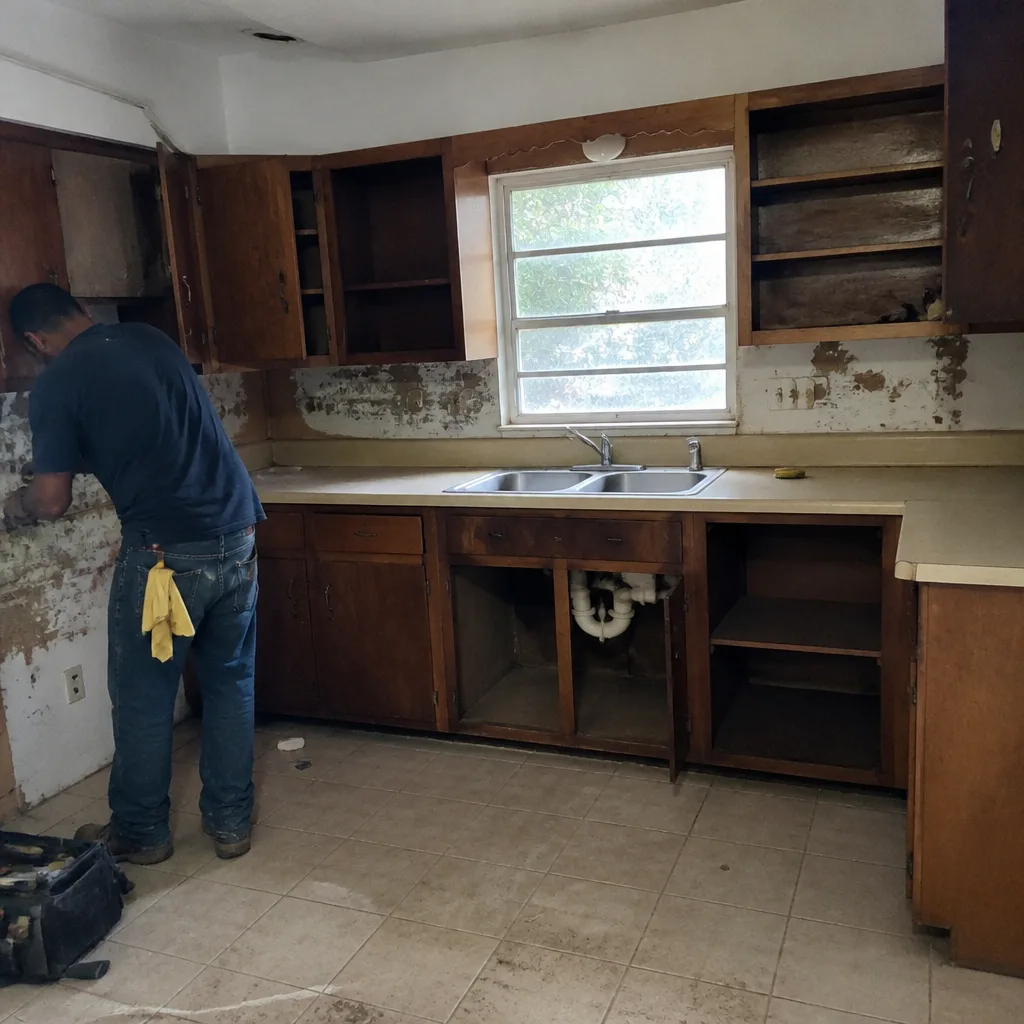
See the difference
 Before
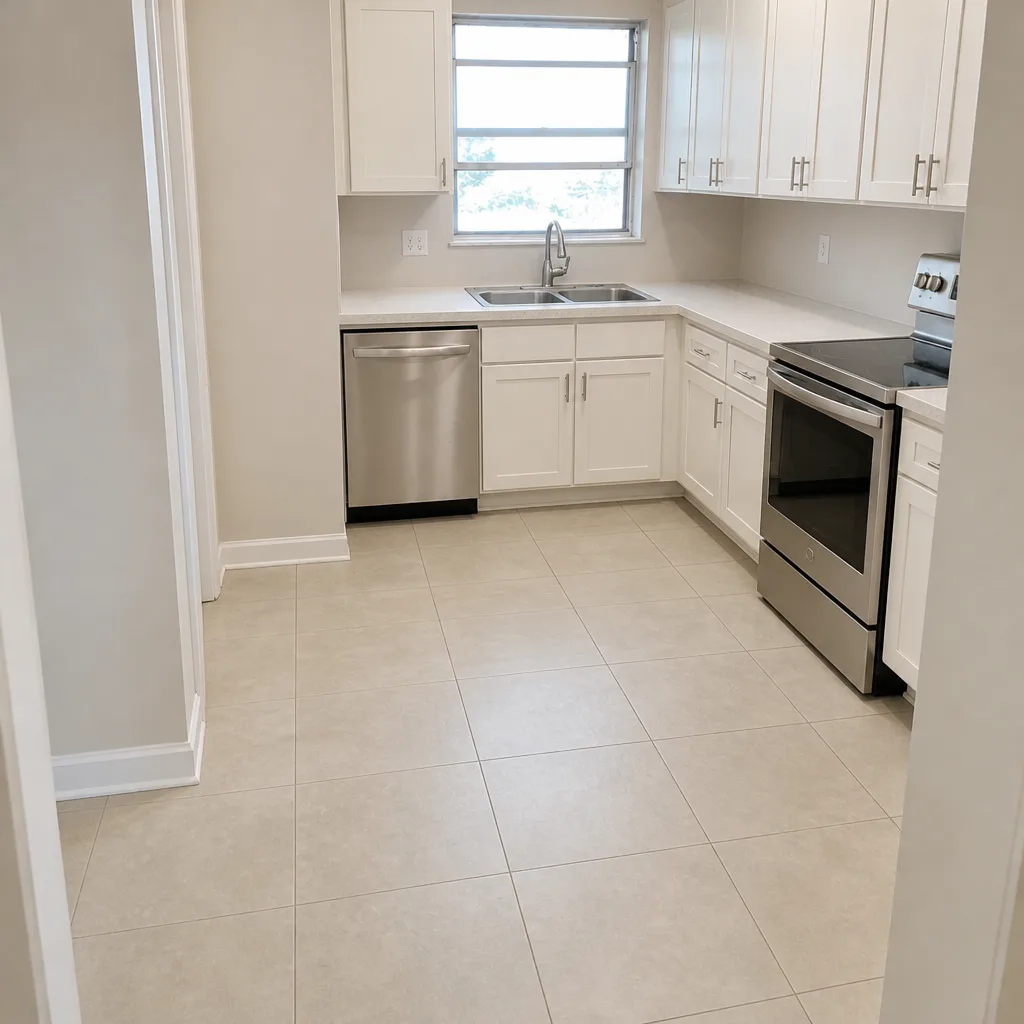 After
 Before
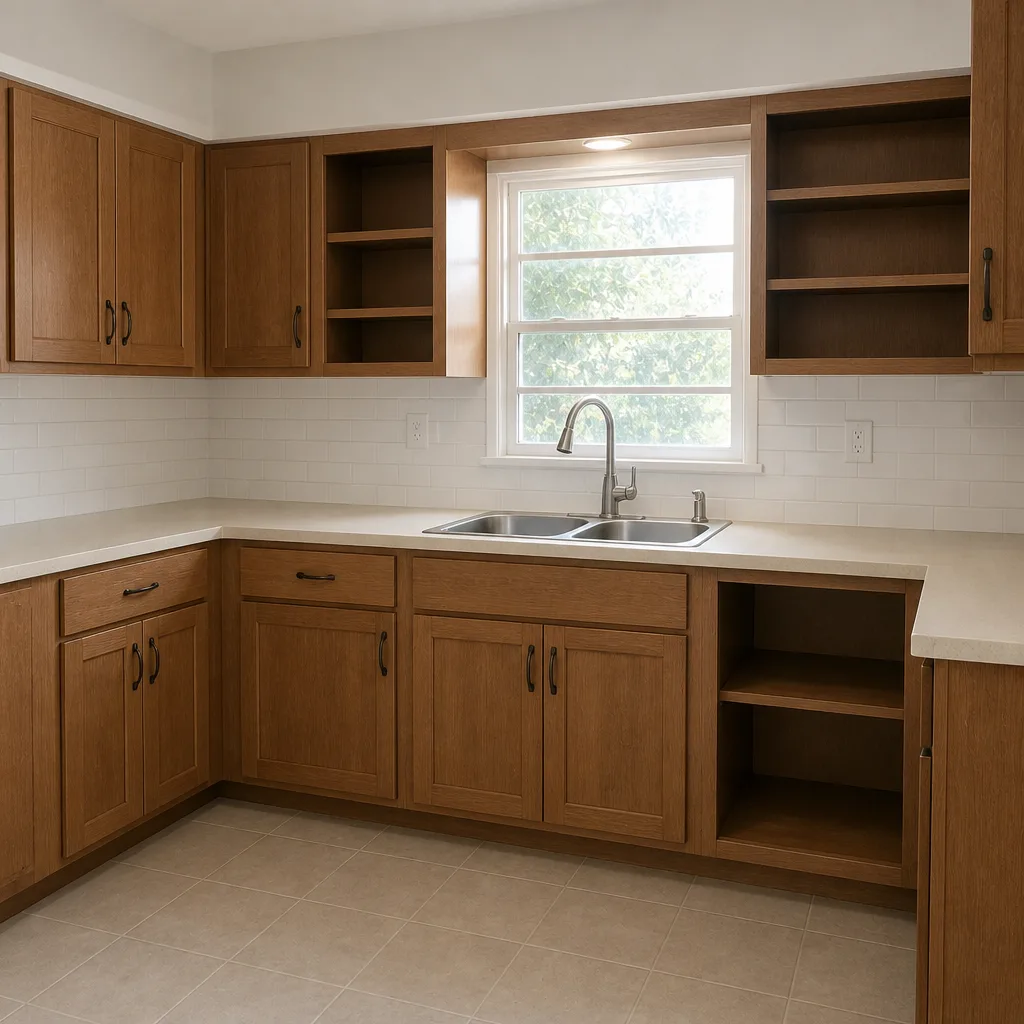 After
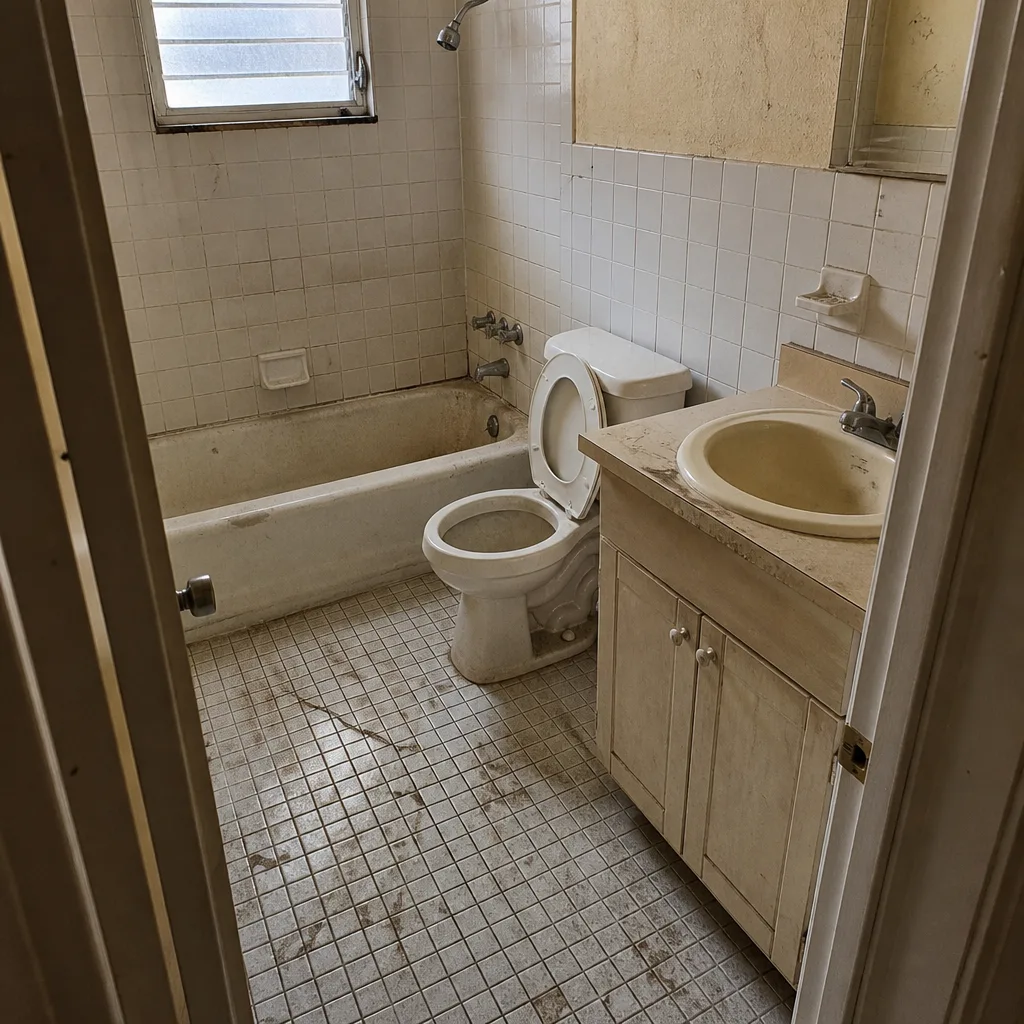 Before
 After
When to Call a Professional
Call a professional when the problem involves structural framing, electrical service, gas lines, or any work that requires a permit – and call before you cover anything up. If a floor is bouncy, a header is questionable, or a crack is growing, that’s a structural evaluation, not a patch. If the original contractor won’t return, a second opinion with documentation in hand is the fastest path to a real number. If you’re in Miami and want a written, line-item price before anyone starts, Bradford Remodeling Co Miami offers free estimates in Miami. Call (844) 797-4435 and a live person will answer, day or night.
Frequently Asked Questions

Start with the permit record. Look up your address on the building department’s permit portal and read the named license holders on each trade permit. Cross-check those names against the schedule of subcontractors your contract said the GC would use. If the names don’t match, you have your answer, and it’s worth asking the GC in writing why.
The work isn’t recorded, which can block a future sale or refinance until it’s brought into compliance. Call your local building department and ask what’s required to open and close a permit for that scope – it may be a visual inspection, a special inspector’s report, or opened walls. Do not let anyone repair over the problem before you know the requirement in writing.
It depends on whose warranty you’re enforcing. A general contractor’s written guarantee still binds the GC, regardless of who performed the work. A manufacturer’s warranty can be voided if an unapproved installer did the work – some brands, like James Hardie and GAF, tie coverage to certified installers. Ask both parties in writing.
Timing varies by the specific complaint and the licensing board, so treat the clock as running from the day you discover the problem. Don’t wait. Assemble the contract, scope, correspondence, photos, and permit record, then file with the Department of Business and Professional Regulation. If a local building department has a separate complaint process, file there too.
Generally, claims up to $8,000 can be filed in small claims court, with a simplified process and lower filing costs. Above that, the dispute moves to civil court and an attorney is usually worth the investment. Either way, bring your written scope, photos, receipts, and inspection records – the documents decide the case.
Yes, and it’s routine. A second contractor needs the same folder that helps with escalation: original contract, written scope, photos, and any inspection records. That paperwork turns “something’s wrong” into an accurate quote. If you’re in Miami and want a written price before work starts, call us for a free estimate.
The Bottom Line
Most remodel failures come down to scope ambiguity, missed inspections, or subcontractor substitution. Diagnose the root cause before you fix anything: write down what you see, pull the permit record, and cross-check who actually performed the work. Assemble one document folder and escalate in order – documented conversation, written demand, license board complaint, then small claims or civil action – and you’ll have both the remedy and the record. In Miami, where humidity exposes waterproofing and flashing errors within the first rainy season, a written scope and a written one-year guarantee are what protect you. That’s the standard we hold every completed job to. If you want a straight answer and a written price before work starts, call Bradford Remodeling Co Miami at (844) 797-4435 for a free estimate. We work with a documented roster of name-brand materials – KraftMaid, Wellborn, Cambria, Kohler, Moen, GAF, James Hardie, Therma-Tru, to name the ones you’ll see most in a remodel – so specifications are traceable and quality isn’t left to guesswork.
Written by the team at Bradford Remodeling Co Miami.