Last updated November 18, 2026


Free written scope consultation - allowances, timeline, and change-order rules on paper before a single trade is scheduled
DIY vs Professional Home Remodeling: What’s Safe to Do Yourself
A homeowner in Miami installed a beautiful tile shower himself. Two years later, his insurance denied a water damage claim because the work was unpermitted. The tile looked perfect. The paperwork didn’t exist. That story captures what most DIY guides get wrong. The question isn’t whether you’re handy enough to handle a project. It’s whether Miami-Dade County will require a permit for it, and what your homeowner’s insurance does when unpermitted work sits behind your walls. This guide walks through the actual legal line in Florida, the insurance math nobody explains until a claim gets denied, and the short list of projects that are genuinely safe to do yourself. We’ve watched these decisions play out across Miami neighborhoods, and the pattern is consistent: the paperwork matters more than the tile work.
Quick Answer
In Miami, painting, cabinet hardware swaps, and non-structural demolition of non-load-bearing walls are genuinely safe to do yourself. Electrical panel work, plumbing rough-in, and any structural change are legally off the table for DIY regardless of skill level because Miami-Dade County requires licensed, permitted work, and unpermitted improvements can void your homeowner’s insurance claim even on unrelated damage. The DIY line in Florida is drawn by code, not by confidence.
Styles & brands we work with
- Kitchen remodeling
- Bathroom remodeling
- Home additions & ADU
- Roofing
- Windows & doors
- Driveway & pavers
- Fence
Table of Contents
- Where Miami-Dade Draws the DIY Line
- The Insurance Consequence Nobody Warns You About
- What’s Genuinely Safe to Do Yourself in Miami
- How to Check if a Project Needs a Permit
- How to Spot a Contractor Using ‘Trust Me’ Instead of Pulling the Permit
- The Real Cost Math: DIY Savings vs. Remediation
- The Systems Miami DIYers Get Wrong Most Often
- When to Call a Professional
Where Miami-Dade Draws the DIY Line
Miami-Dade County’s building code follows the Florida Building Code, and the county takes permitting seriously in ways that surprise newcomers from states with looser rules. The reason is straightforward: hurricanes, humidity, and salt air punish shortcuts. A wall assembly that works in Phoenix fails in Miami. The county knows this and enforces accordingly.
Here’s the short list of work that’s legally off the table for DIY in Miami-Dade, no matter how skilled you are:
- Electrical panel work. Replacing a panel, adding circuits, or running new service requires a licensed electrician and a permit. Panel work done wrong starts fires. There’s no version of this that’s DIY-safe.
- Structural changes. Removing or modifying load-bearing walls, cutting beams, altering foundation, adding a second story. Even if you’re certain the wall isn’t load-bearing, the county wants an engineer’s stamp before the wall comes down.
- Plumbing rough-in. Moving drains, relocating supply lines, adding a bathroom, or re-routing anything behind a wall. The permit requirement exists because a slow leak behind tile destroys a house quietly.
- Roof replacement and major roof repair. Miami-Dade requires licensed roofing contractors and product approval that meets the High Velocity Hurricane Zone standards. No homeowner permit exists for this work.
- Gas line work. Any gas line modification requires a licensed plumber or gas contractor. This one is non-negotiable for obvious safety reasons.
- New windows and doors. Impact-rated openings in Miami-Dade need product approval and a permit. Unapproved openings can fail inspection and, more seriously, fail in a storm.
If you’re planning a remodel and unsure where your project lands on this list, the safest move is to ask a licensed contractor before you start. Our General Contractor in Miami page walks through how permitting works on projects of different sizes.
The Insurance Consequence Nobody Warns You About
Here’s the part most DIY guides skip. Unpermitted work isn’t just a code problem at resale. It can void your homeowner’s insurance policy claims, and not always the claims you’d expect.
Insurance carriers in Florida underwrite based on the documented condition of the home. When an adjuster investigates a claim, whether it’s a water damage claim, a fire, or a hurricane loss, they look at what was done and whether it was permitted. If a remodel was unpermitted, the carrier can legally deny the claim on the basis that the home wasn’t in the condition they agreed to insure. The denial isn’t always tied to the unpermitted work itself. Sometimes the loss is unrelated, and the denial comes because the carrier argues the policy was materially misrepresented.
In Miami specifically, this plays out after storms. We’ve seen homeowners file a wind damage claim only to be told the pre-existing unpermitted renovation eliminated their coverage. The renovation and the storm had nothing to do with each other. The paperwork did the damage.
There’s a second layer. If a home has unpermitted work and you sell it, most buyers’ lenders will require either retroactive permitting or a credit for the remediation cost. In Miami’s market, that credit gets expensive fast because retroactive permitting in Miami-Dade often requires opening walls to inspect what’s behind them.
What’s Genuinely Safe to Do Yourself in Miami
The good news: a lot of what makes a home feel updated doesn’t require a permit, doesn’t put your insurance at risk, and doesn’t need a contractor. Here’s the short list we recommend to homeowners who want to handle some work themselves.
- Painting, inside and out. No permit, no code issue, no insurance exposure. Do prep work correctly and Miami’s humidity will do the rest.
- Cabinet hardware. Swapping handles and pulls is a two-hour project that changes a kitchen’s look. Note where the existing holes are before you buy new hardware.
- Light fixture swaps (like for like). Replacing a fixture in the same location with the same electrical load is generally exempt from permitting. Running new wire or adding a new location is not.
- Tile backsplash. Cosmetic tile work on a backsplash doesn’t require a permit. Tile in a shower or wet area does, because waterproofing failures are the exact thing the code protects against.
- Landscaping and non-structural hardscaping. Sod, mulch, plants, and paver patios within setback rules. Check the county’s impervious-surface limits before you pave a large area.
- Non-structural demo of non-load-bearing walls with caveats. If you’re certain a wall isn’t structural and isn’t hiding plumbing or electrical, removing drywall can be DIY. “Certain” means confirmed by a professional, not by knocking on the wall. If the wall carries any load or conceals any system, this isn’t DIY.
If you want a kitchen refresh that stays on the safe side of the permit line, our Kitchen Remodeling in Miami page covers what changes fall where.
How to Check if a Project Needs a Permit
You don’t have to guess. Miami-Dade’s permitting process is documented and accessible, and there’s a reliable way to find out before you commit. Here’s the sequence that works:
- Start with the Miami-Dade County online permit portal. The Building Department’s portal has a permit search and an online “Do I Need a Permit?” tool. If you’re in a municipality like Coral Gables, Doral, or Miami Beach, check that city’s building department too, since some local requirements are stricter than the county’s.
- Look at the scope, not the size. A project isn’t exempt because it’s small. A new outlet is small and requires a permit. A full repaint is large and doesn’t. The trigger is whether the work touches electrical, plumbing, structural, mechanical, or life-safety systems.
- Ask the contractor for their license number. Look it up on the Florida DBPR site. Every licensed contractor in Florida has a searchable record. If the number doesn’t come back clean, walk away.
- Ask who pulls the permit. On most residential work, the contractor pulls the permit. If a contractor tells you to pull it as the homeowner, that’s a warning sign about their license status, not a favor to you.
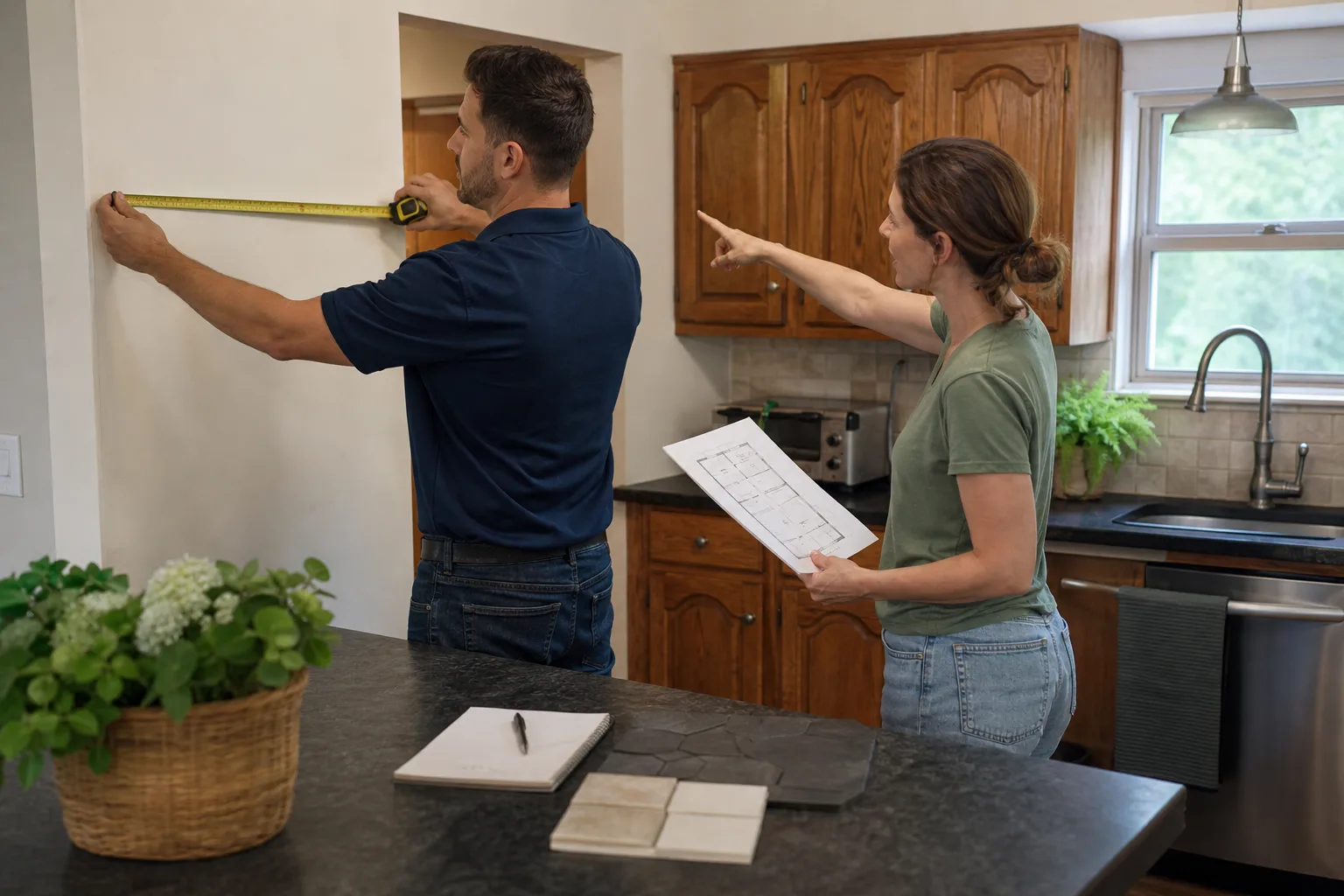
- Request a written scope before signing anything. A legitimate contractor puts the project description, the permit responsibility, and the price on paper before any work begins. If the scope lives in a phone call, it isn’t a scope.
Our Bathroom Remodeling in Miami page shows how a properly permitted bathroom project gets sequenced, from demo to final inspection.
How to Spot a Contractor Using ‘Trust Me’ Instead of Pulling the Permit
The most common contractor failure we hear about in Miami isn’t unfinished work. It’s a contractor who asks the homeowner to trust them instead of pulling the permit they’re required to pull. Here are the tells.
- “The permit will slow us down.” It will. It’s also the law. A contractor cutting permits to move faster is cutting your insurance claim and your resale protection along with them.
- “You don’t need a permit for that.” Sometimes true. Often not. Ask them to show you the exemption in writing.
- “We’ll pull the permit later.” Later never comes. If the work is done without a permit, the county can require the wall to come back open for inspection.
- They ask you to sign as the contractor of record. This happens more than it should. When the homeowner signs as their own contractor, the homeowner absorbs all liability. That contractor just wrote themselves out of the job’s legal responsibility.
- They give you a verbal price and ask for a deposit. A written price is the standard, not the premium upgrade.
We’re firm on this point because it’s the reason homeowners get burned. A written price before any work starts, a documented scope, and permits pulled by the licensed contractor on record are what make a remodel safe to sign. That’s the foundation of how we work, and it’s the standard we’d want a contractor to meet before we let them touch our own home.
The Real Cost Math: DIY Savings vs. Remediation
DIY looks cheaper until you price the failure case. Here’s a realistic comparison for a mid-size Miami bathroom, using the scopes we see most often.
- DIY savings on labor: typically 30 to 50 percent of the project cost. Meaningful money.
- Retroactive permitting cost if the work gets flagged: $1,500 to $4,000 in a typical Miami-Dade bathroom, plus the cost of opening walls for inspection if the finished work obscures the systems, plus the cost of redoing whatever the inspection fails.
- Insurance claim denial risk: the entire claim amount, which on a water damage loss often runs $15,000 to $60,000.
- Resale impact: unpermitted work is either a disclosure item, a buyer-negotiated credit, or a financing blocker. Most sellers end up crediting the buyer for the remediation rather than doing the work themselves.
- Time cost: the DIY project takes three to five times longer than a crew’s timeline in most cases, and the “finished” version typically sees one to two correction passes.
Add those numbers up for a single unpermitted bathroom and the DIY savings disappear. The math is even worse on a kitchen, where plumbing and electrical scopes are wider.
The Systems Miami DIYers Get Wrong Most Often
Miami’s climate creates specific failure modes that don’t show up in a generic homeowner guide. Three stand out from what we see on inspections.
Shower waterproofing. Tile showers in Miami need a continuous waterproof membrane behind the tile and a sloped pan that drains. The failure mode is slow and invisible. It shows up as a soft spot on the ceiling below the shower or a buckled baseboard two rooms over, months after the tile looks perfect. This is why shower work requires a permit.
Exterior door and window installation. Miami-Dade requires impact-rated products and specific installation methods to resist wind-driven rain. A beautifully installed door that isn’t sealed to the county’s method leaks in the first summer afternoon storm. Proper installers use products from manufacturers like PGT that hold Miami-Dade product approval.
Roof attachment and flashing. Roofs here need specific fastening patterns and flashing details that meet High Velocity Hurricane Zone requirements. Products from manufacturers like Tamko are warranted specifically against the installation specs the county requires. A DIY re-roof in Miami isn’t just unsafe, it’s not permitted for a reason.
If any of those systems is part of your project, that’s the line. Call a professional.
When to Call a Professional
Call a professional when the project touches any of the following: electrical panel or circuit work, gas lines, plumbing rough-in, structural walls or foundation, roof systems, impact windows and doors, or wet-area waterproofing. Call when the project will require a permit and you’re not licensed to pull it. Call when you’re unsure whether a wall is load-bearing or what’s hidden behind it. Call when the project is above a bathroom or above a garage, where the damage from a slow failure lands one floor below.
Bradford Remodeling Co Miami offers free estimates in Miami, and every estimate comes with a written price before any work begins, permits pulled by the licensed contractor on record, and the 365-Day Done Right Promise behind the work. Call (844) 797-4435 to schedule your free estimate. Our technicians have up to 22 years of experience, and we answer the phone with a live person 24 hours a day.
See the difference
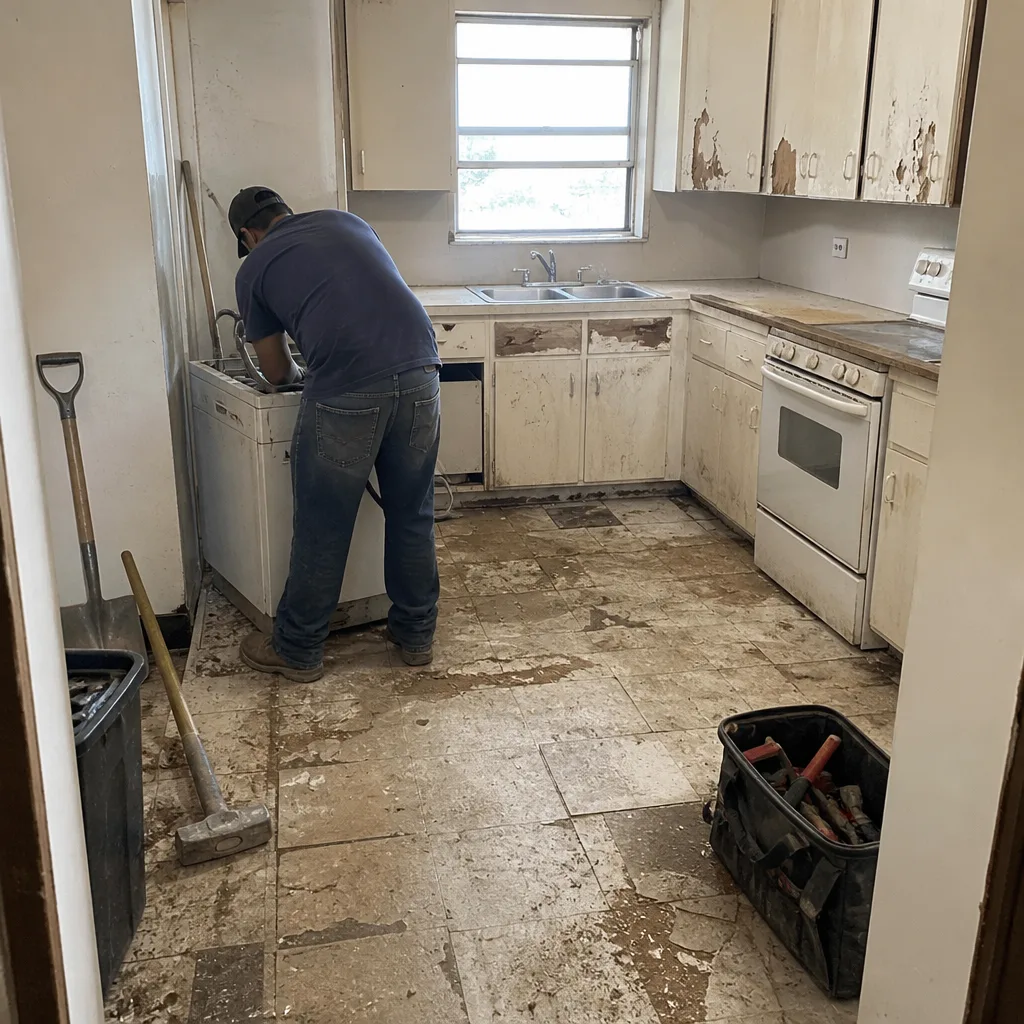 Before
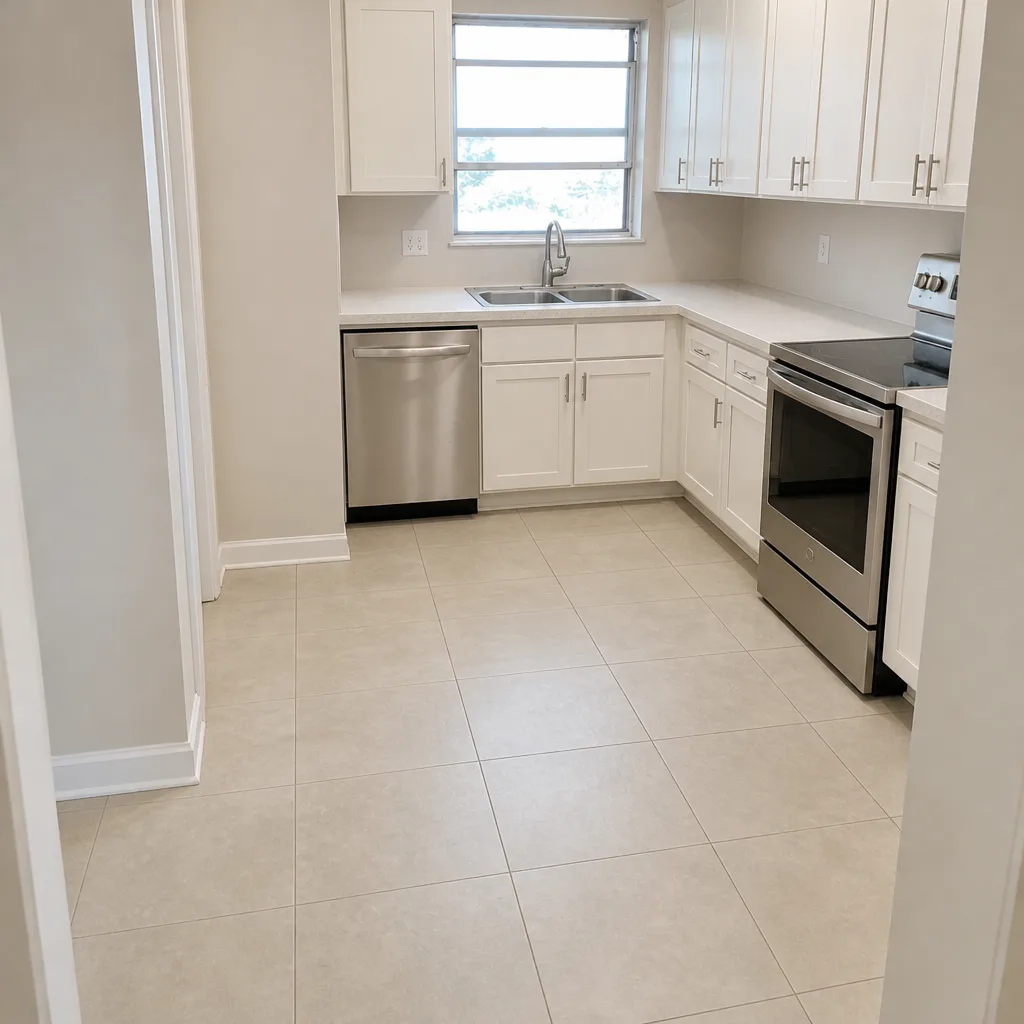 After
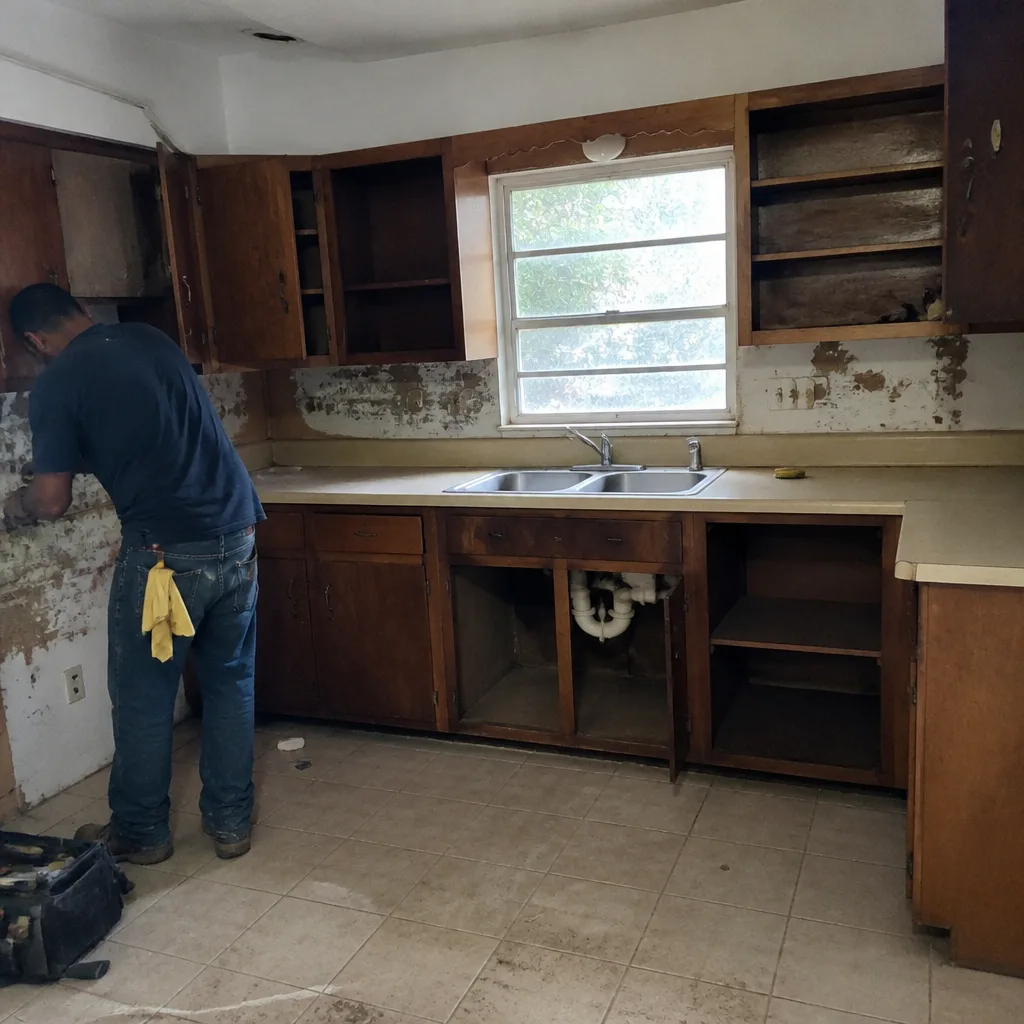 Before
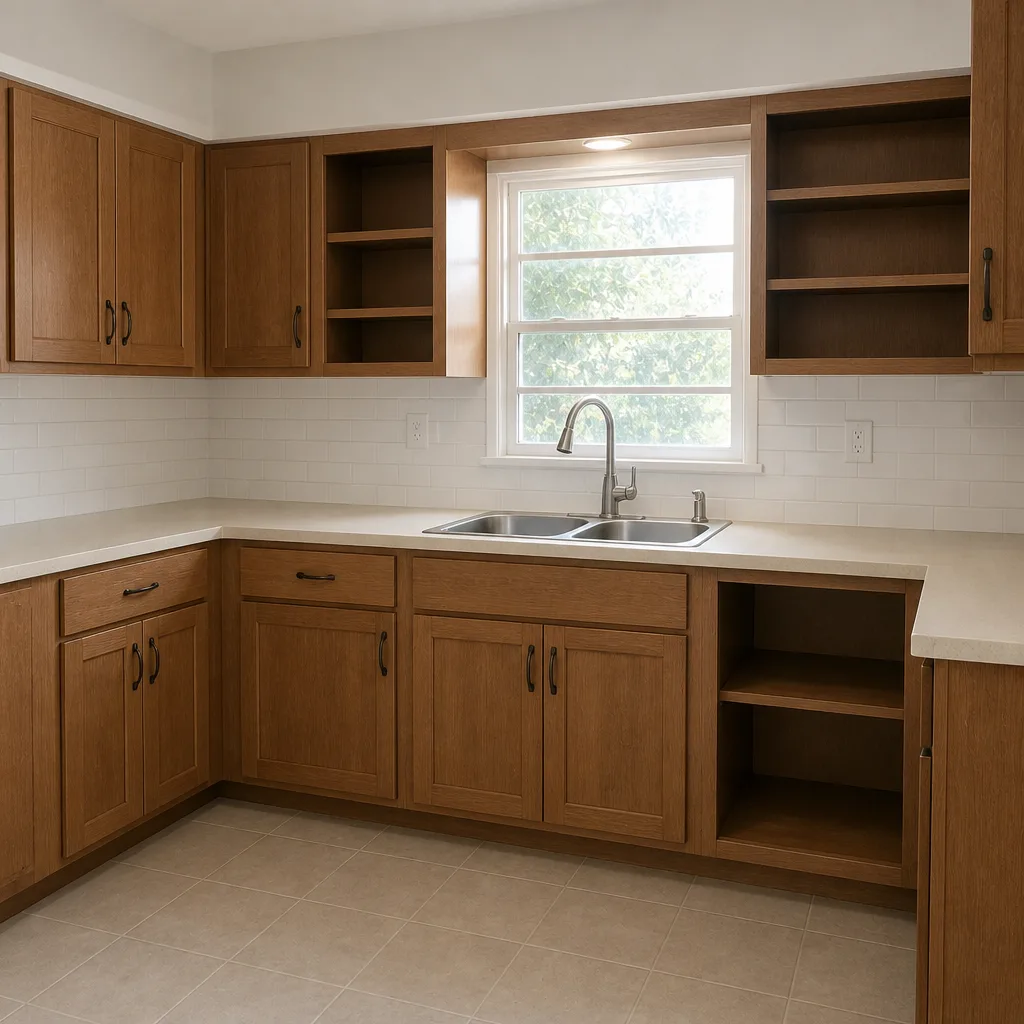 After
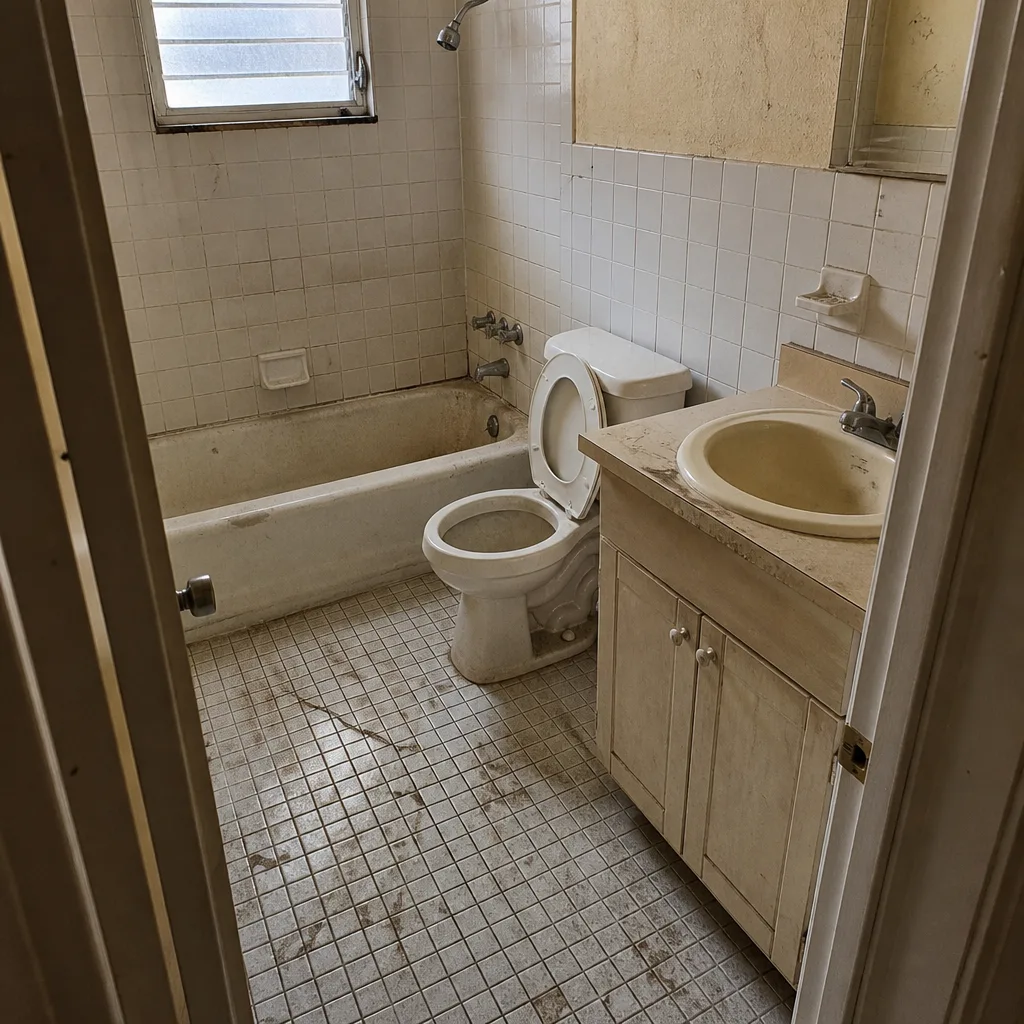 Before
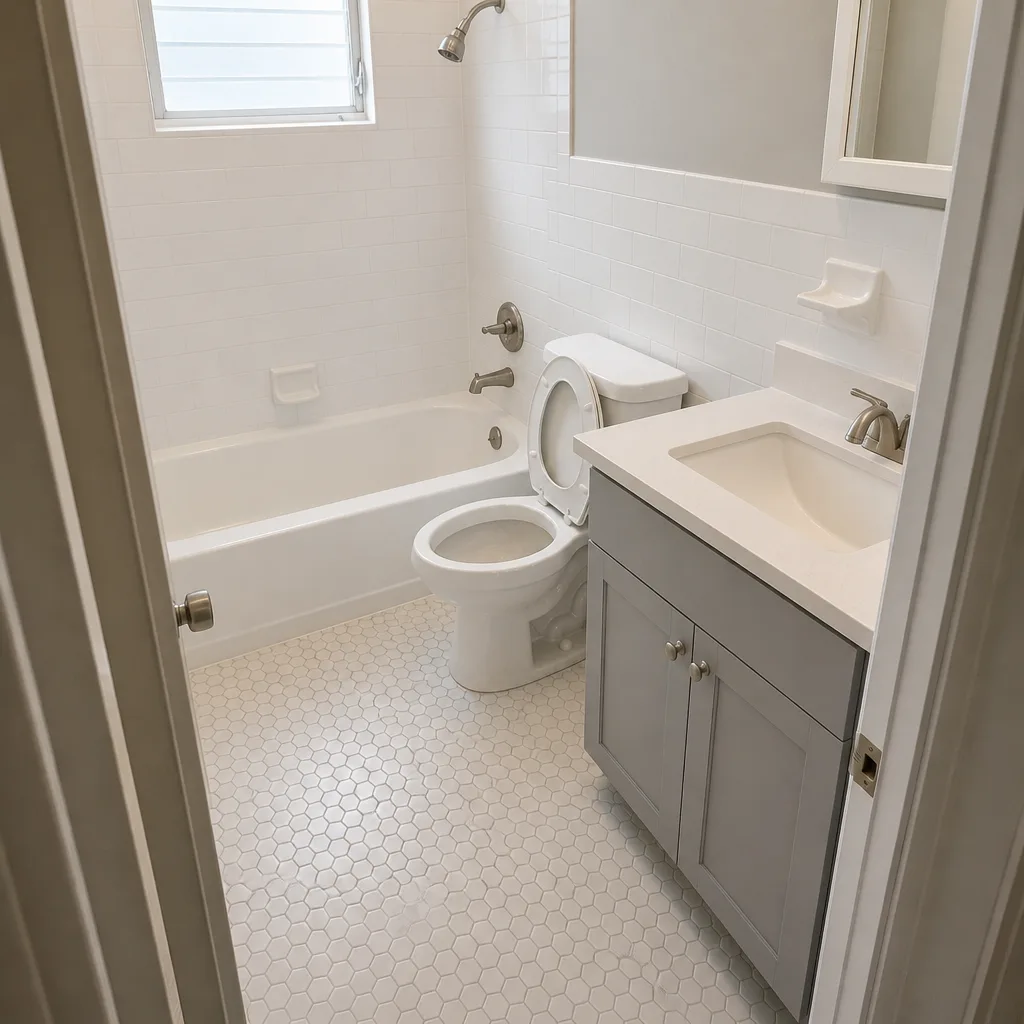 After
Frequently Asked Questions

Not legally if the project touches plumbing, electrical, or waterproofing systems, which nearly all bathroom remodels do. Cosmetic updates like paint, hardware, and fixtures in existing locations are generally exempt, but relocating anything or retiling a shower requires a permit and a licensed contractor in Miami-Dade County. Call (844) 797-4435 for a free quote on your bathroom project.
Your carrier can deny the claim, and the denial may extend to damage unrelated to the unpermitted work because the carrier argues the policy was materially misrepresented. This is one of the most common and costly surprises we hear about from Miami homeowners. The safe path is to permit the work before it starts.
No. Interior and exterior painting don’t require a permit, and there’s no code restriction on color or finish. Do the prep work properly because Miami’s humidity and sun exposure punish shortcuts. Call (844) 797-4435 if you’d rather have a crew handle the exterior prep.
A permitted Miami bathroom remodel typically runs 40 to 70 percent more in out-of-pocket cost than the DIY version, but the DIY version carries the retroactive permitting cost of $1,500 to $4,000 plus the insurance risk if anything fails. Once you account for the failure case, the permitted project is usually the cheaper total. Call (844) 797-4435 for a written price on your specific scope.
It shouldn’t. A contractor with a written scope and a written price doesn’t move the number after the tools come out. If a contractor reprices at the door, that’s a sign the original number was a placeholder, not a price. Bradford Remodeling Co Miami puts the price in writing before any work starts and holds it there.
You have options: retroactive permitting through the county, disclosure with a buyer credit at resale, or renovation that brings the affected scope up to code while adding new work. The right answer depends on what was done and how old it is. Call (844) 797-4435 for a free assessment of your situation.
The Bottom Line
The DIY line in Miami isn’t drawn by skill. It’s drawn by code and insurance. Painting, hardware, and non-structural demo are genuinely safe to handle yourself. Electrical, plumbing rough-in, structural, roof, and wet-area waterproofing are not, and attempting them unpermitted risks your insurance claim and your resale. If your project touches any of those systems, the math favors a licensed contractor every time. If you’re planning a remodel in Miami and want a straight answer on what’s permitted, what it costs, and what’s guaranteed in writing, call us. Our team at Bradford Remodeling Co Miami puts the price and the 365-Day Done Right Promise in writing before any work starts. Call (844) 797-4435 to schedule your free estimate.
Written by the team at Bradford Remodeling Co Miami.